Beijing Tea Houses: Chinese Tea Types, Tea Culture & Etiquettes


Imagine stepping into a traditional Beijing tea house, where fragrant jasmine tea, wooden tea tables, and centuries-old customs offer a glimpse of the city beyond its famous landmarks. Finding a good spot takes a little time, especially if you're new to tea menus. Prices vary a lot, too. You can choose between places with live cultural performances or quiet spots to unwind.
This guide will help you find the best tea house, try local favorites, learn basic tea customs, and easily add a tea break to your Beijing trip.
From Los Angeles
From New York
From San Francisco
From Seattle
See all flights



What are Beijing Tea Houses? Tradition, Culture & Expectations
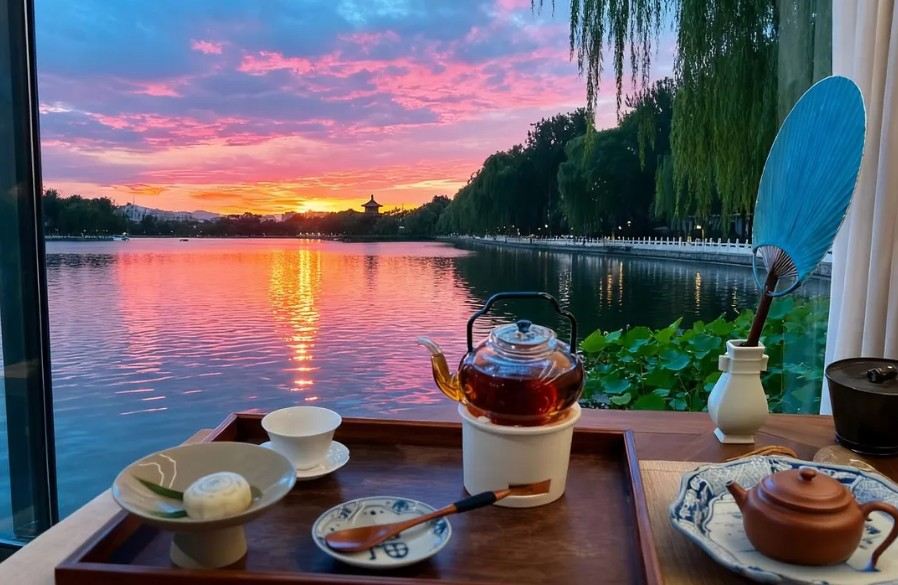
Beijing’s classic tea houses give you a real taste of Chinese culture away from the main tourist spots. Here’s what makes them so special:
Factors | Important Details for Travelers |
|---|---|
What are they? | Traditional gathering places called Chaguan, where people drink tea, socialize, enjoy local entertainment. |
What can you do there? | Sample jasmine tea, try traditional snacks, watch tea preparation, or attend performances featuring Peking opera, acrobatics and other Chinese arts at selected venues. |
Why visit? | Experience Beijing’s tea culture, discover local flavors, take a cultural break from sightseeing. |
When should you go? | Late mornings for a quieter visit, afternoons for a sightseeing break, or evenings for scheduled performances. Spring & autumn are pleasant for courtyard seating. |
How much does it cost? | Prices range from a simple tea order to premium tastings, performance packages. Check whether tea, snacks, entertainment are included before paying. |
How long can you stay? | Allow 30 to 60 minutes for a casual tea stop, around 2 hours or more for a performance experience. |
Basic Etiquette | Be gentle with the tea sets, follow your host's lead, and always ask before taking photos of performers. Tapping two fingers on the table is a traditional way to thank someone for pouring tea, but don't worry about getting it right. |
Types of Tea Houses & Tea | Jasmine tea is a big favorite among locals. Classic tea houses are often lively and social, while modern tea cafes and upscale lounges offer a totally different vibe. |
Traveler Tip: Keep in mind that not all tea houses do formal tea ceremonies. Pick a spot that matches the vibe you're looking for, and be sure to check their menu, hours, and prices before you go.
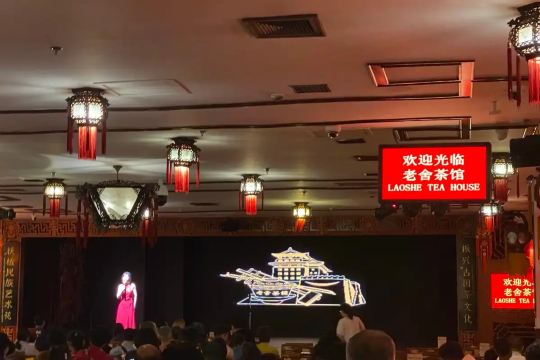

Lao She Tea House
4.4/5
128 Reviews
 What a wonderful place! We saw all the traditional Chinese performance genres. I was absolutely delighted. Even though much of it was unclear because of the language, I laughed and cried during the performances. Amazing!
$15
Best Beijing Tea Houses: Where can you go?
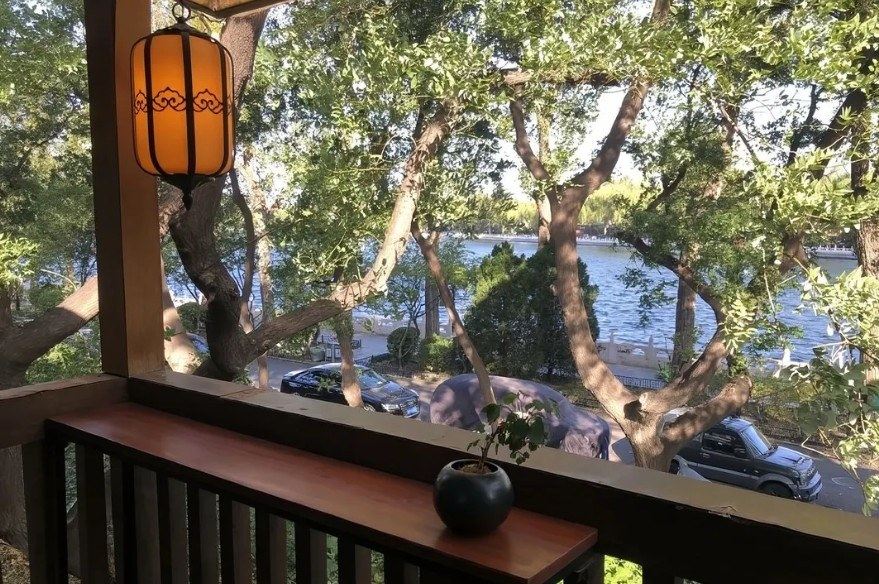
No matter what kind of tea experience you're looking for, Beijing has it. You can enjoy classic stage performances, peaceful tastings in historic hutongs, or luxury hotel lounges. Prices, menus, and availability can change. Confirm details directly with each venue before visiting.
Here are some places and neighborhoods worth considering depending on your budget and travel style:
Tea house / Area | Best for… | What to expect? | Budget & Booking | Which one should you choose? |
|---|---|---|---|---|
First time visitors | Traditional Chinese performances, tea, Beijing snacks in one venue. | Performance tickets vary by show, seating. Book ahead & confirm inclusions. | For an all in one cultural experience without arranging separate activities. | |
Alice’s Tea House | Tea enthusiasts & curious beginners | Guided Chinese tea tastings & explanations of traditional brewing. | Confirm current tasting prices & availability. | To learn about Chinese tea rather than watch a performance. |
Tang Ren Tea House | Scenic tea breaks | Traditional style tea room near Shichahai, suitable for a slower visit by the water. | Check the current menu & prices before visiting. | For a relaxed tea stop paired with a lakeside walk. |
Hutong tea houses around Nanluoguxiang & Yandai Xiejie | Solo Travelers | Small tea rooms in historic alleyways, with varied styles & atmospheres. | Prices & reservation requirements depend on the individual venue. | For a flexible afternoon exploring Beijing’s old neighborhoods. |
Aman Summer Palace | Luxury Travelers | Refined surroundings & a special occasion tea experience near the Summer Palace. | Premium pricing, confirm tea service & access for non hotel guests. | For an upscale experience combined with a visit to the royal gardens. |
Huang Ting Tea Lounge at The Peninsula Beijing | Premium Tea & Food Pairings | A beautiful hotel lounge that serves many types of tea alongside fresh dim sum. | Confirm current afternoon tea offerings, prices, reservations. | For polished service, a more indulgent tea & food experience. |
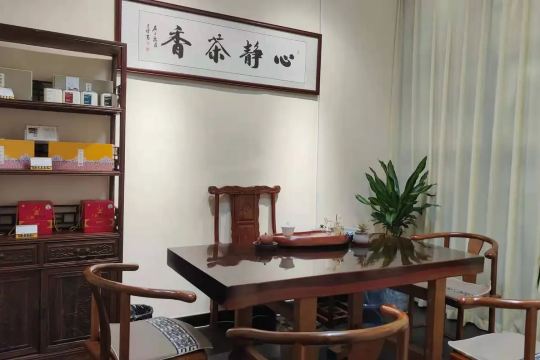
Essential Beijing Tea House Tips for American Travelers
- Book ahead: Reserve show tickets and fancy afternoon teas early, especially during peak travel times.
- Save the Chinese address: Keep the Chinese name and address on your phone so you can easily show it to taxi drivers or locals.
- Download a translation app: Save the offline Chinese language pack so you can read menus and translate directions anytime.
- Plan around your sights: Choose tea houses near spots you're already visiting so you don't spend extra time traveling across Beijing.
- Check the hours: Confirm operating hours and show times before you leave.
- Be careful with stranger invites: If strangers near big tourist spots try to lead you to a nearby tea house or art gallery, politely decline and stick to venues you picked yourself.
- Don't rush your visit: Set aside 30 to 60 minutes for a casual stop, or more if you're doing a full tasting or watching a performance.
- Find a spot you'll love, map it out, and leave room in your schedule to truly relax and enjoy the experience.
China e-SIM with Cheap Data Plans
See all attractions
 2372 booked






Traditional Tea Houses vs Modern Tea Cafes
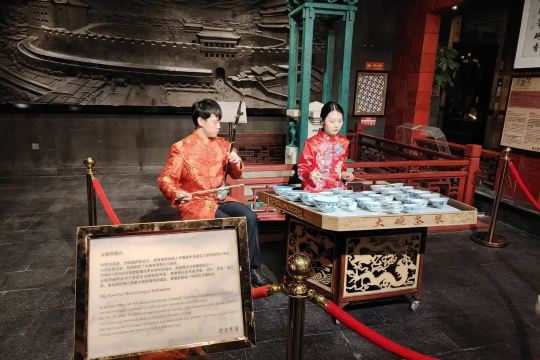
The real difference comes down to the kind of experience you're looking for, not just the tea you're drinking.
- Beijing’s Tea Culture has everything from energetic traditional spots to simple, modern cafés and high-end hotel lounges.
- Classic venues are often buzzing with activity rather than peaceful, and not all of them host live shows or formal ceremonies.
- Places like Lao She’s Teahouse pair tea with live traditional arts, while other spots offer a much quieter place to relax.
Factors | Traditional Tea Houses | Modern Tea Cafes | Luxury Hotel Tea Lounges |
|---|---|---|---|
Preference | For cultural immersion & a taste of old Beijing. | For a casual drink, contemporary flavors, or a quick break. | For premium tea, elegant surroundings & a slower afternoon. |
Atmosphere | Historic décor, communal seating, sometimes lively & theatrical. | Contemporary design, casual & often photo friendly. | Refined interiors, quieter surroundings, attentive service. |
Tea selection | Jasmine tea, loose leaf varieties, traditional Chinese brews. | Classic teas, fruit teas, milk teas, creative blends. | Premium loose leaf teas, curated selections. |
How is tea served? | Pots or gaiwans, sometimes with repeated hot water refills. | Individual cups, teapots, cold brews, or takeaway drinks. | Often tableside service or guided tea preparation. |
What else can you do? | Enjoy snacks, socialize, or watch traditional performances at selected venues. | Meet friends, relax, or grab a drink between attractions. | Enjoy afternoon tea, desserts & carefully paired food. |
Approx. Budget | Varies from simple tea orders to paid cultural experiences. | Usually the more casual, flexible option. | Generally the most expensive option. |
Best Time to Visit | Afternoon for a relaxed session or evening for a scheduled show. | Anytime you need a quick refreshment. | Afternoon for a leisurely tea service. |
Best For… | Travelers interested in traditional Beijing culture. | Travelers who prefer modern drinks, informal settings. | Travelers seeking comfort, premium service, or a special occasion. |
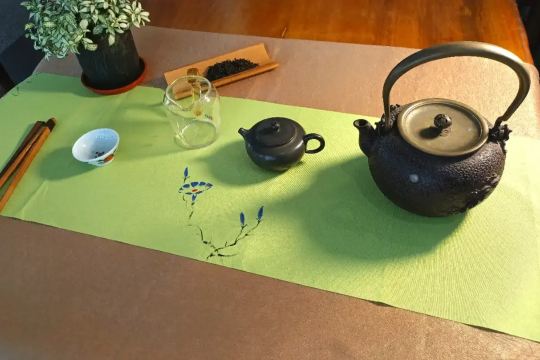
Chinese Tea Types: What Should You Order?
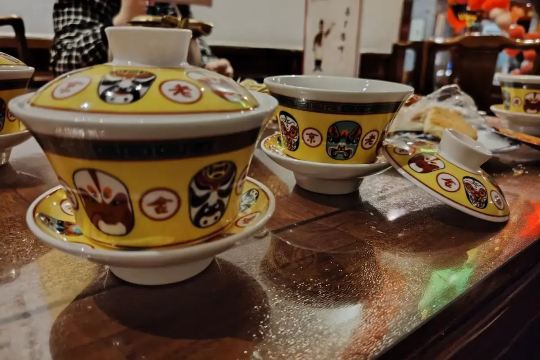
China has six main types of tea, divided by how the leaves are processed.
- You definitely don't need to memorize all the fancy terms before your trip.
- If you visit a dedicated tea room, just tell your host what kinds of flavors you usually like. They'll happily suggest a tea and show you how it's brewed.
Tea Type | Flavor Profile | How is it commonly served? | Best Choice For… |
|---|---|---|---|
Green Tea | Fresh, grassy, vegetal, sometimes Nutty. | Glass cup or Teapot. | Those who enjoy light, refreshing flavors. |
Black tea (hong cha) | Malty, smooth, sometimes fruity or smoky. | Porcelain teapot or gaiwan. | Those who prefer a fuller bodied cup. |
White Tea | Delicate, floral, subtly sweet. | Glass teapot or gaiwan. | Anyone who prefers gentle flavors. |
Oolong Tea | Floral, creamy to roasted & mineral rich. | Small teapot or gaiwan, often brewed in multiple short infusions. | Curious drinkers who want complex aromas. |
Yellow tea | Mellow, soft, sometimes sweet & gently nutty. | Glassware or porcelain teapot. | Those who want to explore a less common Chinese tea. |
Fermented Tea, including pu-erh | Earthy, woody, rich, with flavors that vary by age & processing. | Teapot or gaiwan, often with repeated infusions. | Those who enjoy deeper, robust flavors. |
Jasmine tea (mo li hua cha) | Fragrant, floral, refreshing. | Glass cup, teapot, or Gaiwan. | First time visitors wanting to try a Beijing favorite. |
Longjing (Dragon Well) | Fresh, nutty, gently sweet. | Glass cup or teapot. | Green tea lovers who prefer a smooth finish. |
Tie Guanyin | Floral, aromatic, smooth, with a lingering finish. | Gaiwan or small teapot with repeated infusions. | Those interested in exploring oolong tea. |
Pu-erh | Earthy, woody, rounded. | Teapot or Gaiwan. | Those who prefer deep flavors over delicate floral notes. |
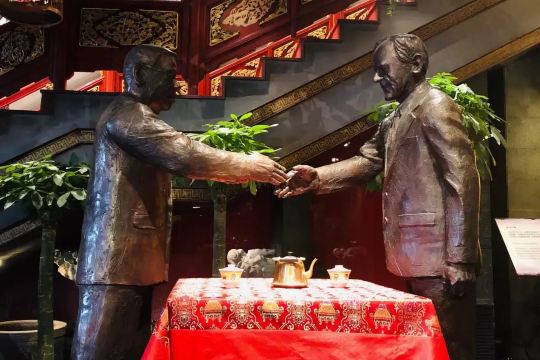
What should you try first? Here are a few simple choices:
- If you're completely new: Start with Jasmine Tea.
- If you like fresh and nutty tastes: Try Longjing.
- If you like light, floral scents: Go with Tie Guanyin.
- If you prefer rich, earthy flavors: Choose Pu-erh.
Top Day Trips in Beijing
See all attractions




Inside a Beijing Tea House: The Actual Experience
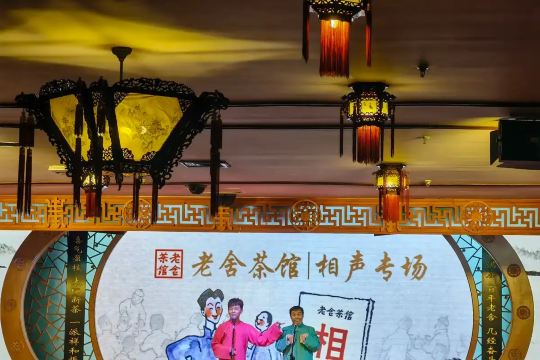
A tea house visit can be anything from a quick pot of tea to a full guided tasting. While every spot does things a little differently, here is what a typical visit looks like:
Experiences | What happens? | What travelers should know? |
|---|---|---|
Arriving & Seating | A host may guide you to a communal table, private room, or courtyard seat. | Ask about minimum spending requirements before choosing a private room. |
Choosing your tea | You select tea by the pot, gaiwan, or individual serving, depending on the menu. | Ask the host for recommendations if the tea names are unfamiliar. |
Tea Preparation | Staff may prepare the tea at your table, or you may brew it yourself using a pot or gaiwan. | Gongfu style brewing uses small quantities of water & multiple short infusions. Not every venue offers a formal demonstration. |
Refills | Staff may add hot water or prepare additional infusions, depending on the tea & service. | Confirm whether refills are included in the price. |
Paying the Bill | You pay at the table or cashier, depending on the establishment. | Check the menu prices & final bill for additional snacks, premium tea upgrades or service charges. |
Essential Tea House Etiquettes
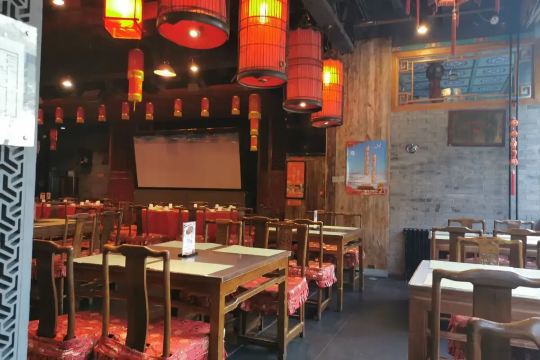
Customs vary from place to place, and you definitely don't need to be a tea expert to enjoy it. Here are a few simple tea house rules every traveler should know:
Etiquettes to follow | Why must you follow? | What should you do? |
|---|---|---|
Express Gratitude | In some Chinese tea settings, tapping two fingers lightly on the table thanks someone for pouring tea. | Simple verbal thank you or smile is perfectly fine. |
Accept Refills Politely | Hosts may offer more tea or hot water during your visit. Some venues use specific signals for refills. | Follow the host's lead. Leaving a Gaiwan lid slightly open may signal a refill request in some settings. |
Sip at your own pace | Tea drinking can be a leisurely social experience. | Take small sips, appreciate the aroma, enjoy the conversation. There's no need to rush. |
Handle Teaware Carefully | Gaiwans, small cups, teapots can be hot or delicate. | Hold them carefully, ask the host to demonstrate any unfamiliar brewing techniques. |
Respect Photography Rules | Other guests, performers may prefer not to be photographed. | Ask before recording performances. |
Check Prices before ordering | Tea, snacks, premium varieties, private rooms may be charged separately. | Confirm prices, refill policies, minimum spending rules before ordering. |
Check Dietary Requirements | Traditional snacks may contain nuts, glutinous rice, or animal derived ingredients. | Ask about ingredients or preparation if you have any restrictions. |
Understand the Service style | Not every tea house provides a formal ceremony or guided tasting. | Ask what the experience includes before booking or ordering. |
Pay using an accepted method | Payment options vary between independent tea houses & luxury venues. | Check whether international cards, WeChat Pay, or cash are accepted. |
Know the Tipping norm | Tipping is not expected at ordinary Chinese tea houses. | Check the bill for any service charge at luxury hotel lounges. |
Explore other Great Adventures in China
See all attractions



Must Try Snacks at Beijing Tea Houses
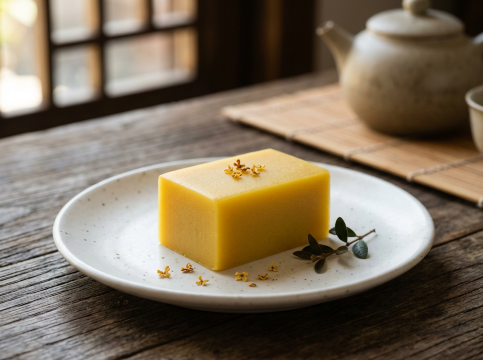
Traditional Beijing snacks range from light, delicate sweets to savory bites. Pairing them with tea is a great way to balance out the sweet, earthy, bitter, and floral flavors.
Snack Name | What is it? | Flavor & Texture | Pairs well with… | Why to try? |
|---|---|---|---|---|
Pea Yellow cake (wandou huang) | Traditional Beijing sweet made from split peas. | Soft, smooth, Mildly sweet. | Jasmine Tea or Green Tea | Beginning to Beijing's traditional dessert culture. |
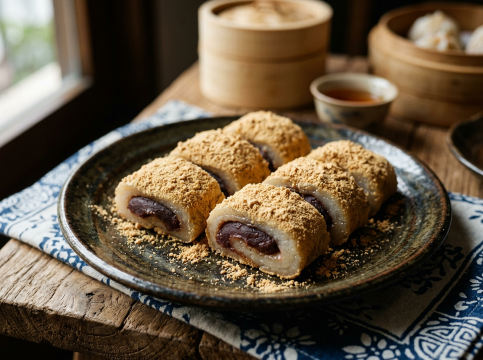
Rolling Donkey (ludagun) | Glutinous rice rolls filled with red bean paste & coated in soybean flour. | Chewy, sweet, Slightly nutty. | Black Tea or Jasmine Tea | Local sweet with contrasting textures. |
Hawthorn treats | Candied hawthorn, hawthorn strips, or fruit jellies. | Tangy, fruity, sweet. | Green Tea or Jasmine Tea | Offers a refreshing contrast to any floral tea. |
Spiced Peanuts | Peanuts seasoned with salt & spices. | Crunchy & savory | Black tea or Pu-erh | A simple snack that balances deeper, richer teas. |
Roasted Seeds | Sunflower or watermelon seeds. | Toasted, nutty, crunchy. | Green Tea or Oolong Tea | Traditional nibble for leisurely tea drinking & meet ups. |
Braised Soybeans | Soybeans cooked with seasonings. | Savory, soft & Umami rich. | Black Tea or Pu-erh | Substantial savory option at venues that serve it. |
Osmanthus cake | Sweet cake flavored with fragrant osmanthus flowers. | Floral, delicate, & lightly sweet | White tea or Green tea | Worth trying at more refined tea services. |
Cantonese dim sum | Small savory or sweet dishes served at hotel tea lounges. | Varies from steamed & savory to sweet pastries | Oolong tea or Black tea | Best for afternoon tea rather than a light snack. |
When Is the Best Time to Visit Beijing Tea Houses?
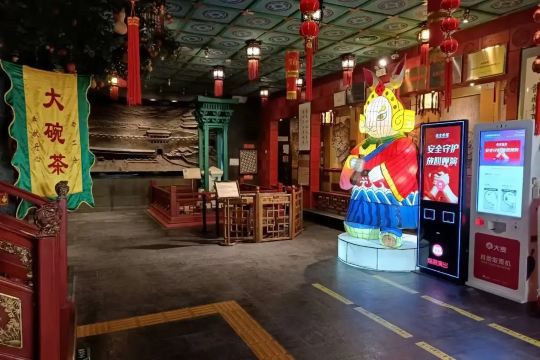
- Morning (10 AM to Noon): Usually quieter, making it a great time for a relaxed tasting and good conversation.
- Afternoon (2 to 5 PM): Perfect for taking a refreshing tea break between sightseeing stops.
- Evening (around 7 to 9:30 PM): A great time to catch a traditional performance, just be sure to double check showtimes in advance.
Planning Visits
- Check the weather: Sit out in a courtyard on nice days, but pick cozy indoor spots when it's super hot or cold outside.
- Confirm show times: Performance schedules and ticket availability vary depending on where you go.
- Book special experiences early: Guided tastings and luxury afternoon tea often require advance reservations.
- Look out for seasonal options: Tea varieties, snacks, and patio seating can change with the time of year.
- Spring and fall afternoons are hands down the best times for a relaxing, unhurried tea house visit.
Getting Around Beijing: Tea Houses Near Major Attractions
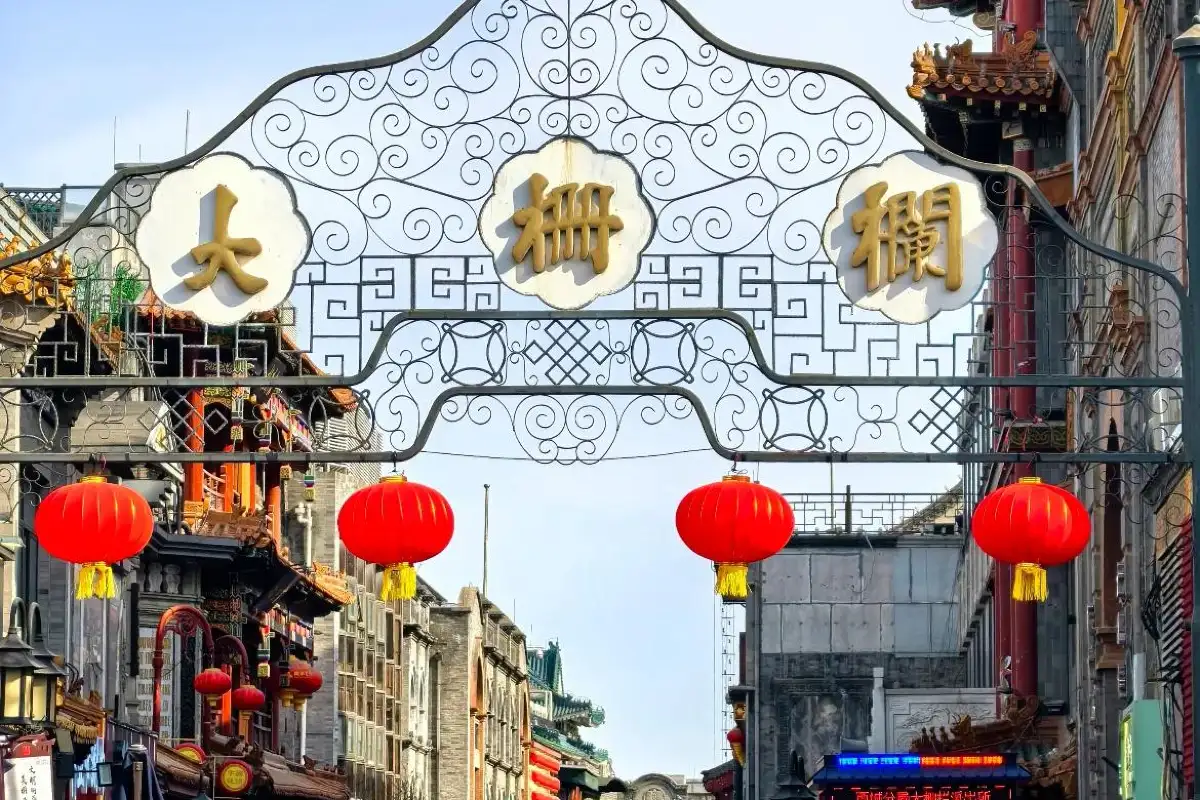
Choose a tea house near the attractions you're already visiting to reduce travel time:
- Qianmen and Dashilar: Combine a stop at Lao She’s Teahouse with a stroll through Qianmen’s historic shopping streets and Dashilar’s traditional shops.
- Nanluoguxiang and the hutongs: Visit the historic alleyways, pop into local shops, and take a relaxing break at a nearby tea house.
- Shichahai and Yandai Xiejie: Enjoy a walk around the lake followed by tea in the surrounding historic neighborhood.
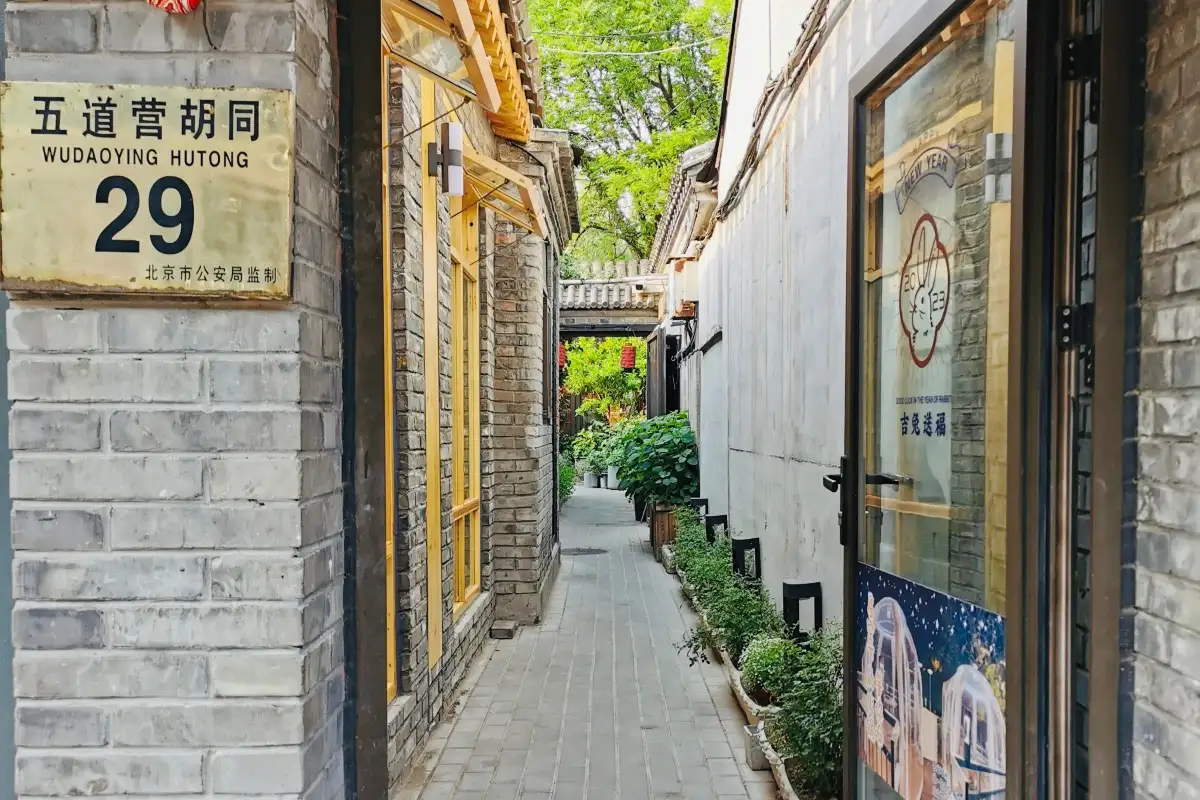
- Wudaoying Hutong: Stop by right after checking out the nearby Lama Temple (Yonghe Temple).
- Summer Palace: Walk through the royal gardens, then treat yourself to afternoon tea at Aman.
- Wangfujing: Pair a day of shopping and city sightseeing with a visit to the Huang Ting Tea Lounge inside The Peninsula Beijing.
Practical Transport Tips
- Take the subway: It's the easiest and most convenient way to jump between major sightseeing areas.
- Plan on doing some walking: Walking is the best way to explore the hutongs, especially since many tea houses are tucked away inside narrow alleyways.
- Keep a navigation app handy: Save the venue's name and address in Chinese so it's super easy to pull up or show to someone if you need directions.
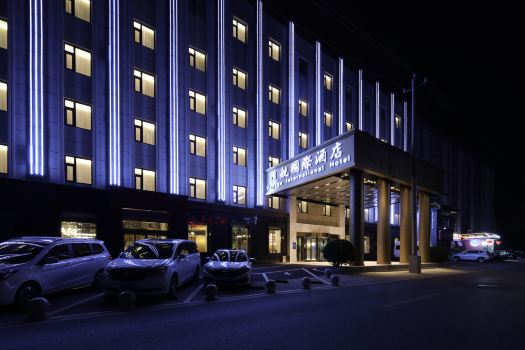
Select Top Beijing Hotels
See All Hotels

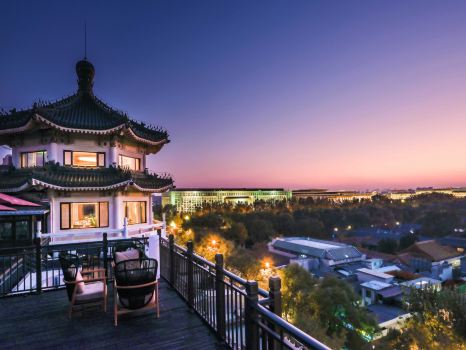
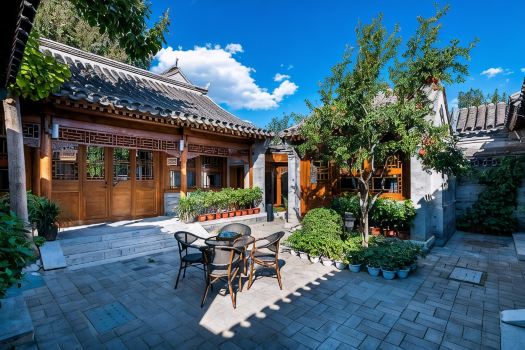
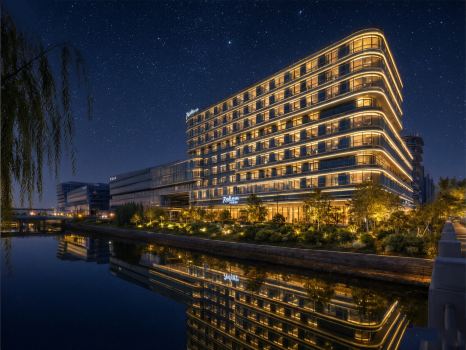
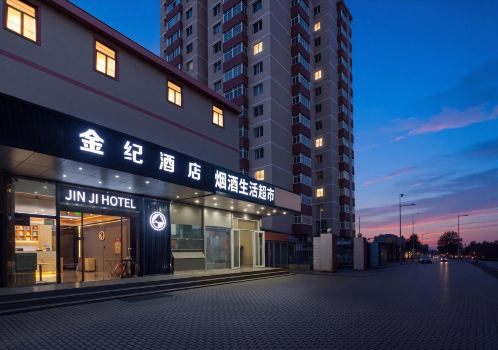
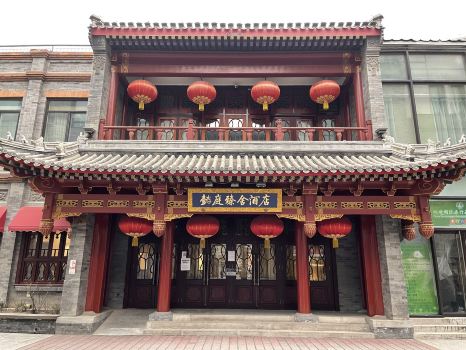
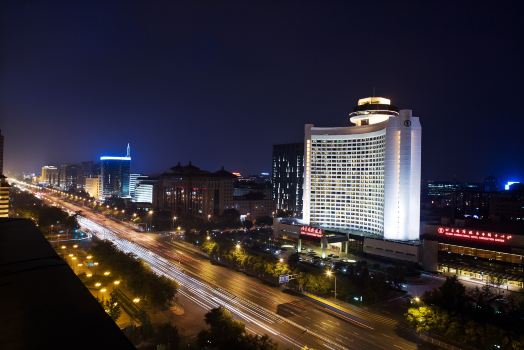
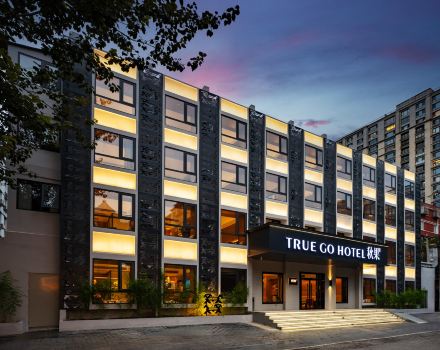
Visiting a tea house is a great way to experience real local culture beyond Beijing's big landmarks.
There's an experience for everyone, from fragrant jasmine tea and local snacks to live stage shows at Lao She's Teahouse and quiet tea spots hidden inside the hutongs.
FAQs about Beijing Tea Houses
-
Which is the most traditional tea house in Beijing?
-
When did China first discover tea?
-
Which tea is trendy in Beijing?
-
What time of day did ancient Chinese people traditionally drink tea?
-
Which tea varieties are found only in China?
Disclaimer: This article has been provided by an individual contributor or third party platform. If there is any discrepancy regarding the copyright, please contact us directly and we will delete the content immediately.
Trending Searches
-
Popular flight routes
-
Top-rated stays
-
Getting around
-
Popular attractions
-
eSIM/SIM card
- Flights from Los Angeles to Beijing
- Flights from Chengdu to Beijing
- Flights from Tokyo to Beijing
- Flights from Bangkok to Beijing
- Flights from Zhangjiajie to Beijing
- Flights from Hangzhou to Beijing
- Flights from Shenzhen to Beijing
- Flights from Ulaanbaatar to Beijing
- Flights from Hong Kong to Beijing
- Flights from Chongqing to Beijing
- Flights from New York to Beijing
- Flights from Guangzhou to Beijing
- Flights from Xi'an to Beijing
- Flights from Shanghai to Beijing
- Flights from Seoul to Beijing
- Livefortuna Hotel
- Sunworld Beijing Wangfujing Hotel (The Forbidden City)
- Sunworld Dynasty Beijing Wangfujing Hotel (The Forbidden City)
- Beijing Zhong'an Hotel ( Near metro,Tian'anMen,Forbidden City. tourism service)
- Hotel New Otani Chang Fu Gong
- Yitel (Beijing TiananmenWangfujing Subway Station)
- Beijing Yizhan Youth Hostel (Yansha Embassy Area, Liangmaqiao Subway Station Branch)
- Manxin Hotel Beijing Tiananmen Wangfujing
- Oriental Jasmine Hotel(Forbidden City Branch)
- ELONG R.YUN (Beijing Capital Airport Branch)
- Le Joy Hotel
- UrCove by HYATT Beijing Forbidden City
- JianGuo Hidden Hotel (Beijing Tian An Men Wangfujing store)
- BEI JING TONG RUN HOTEL
- THE YARD HOTEL BEIJING, Tian'anmen Square
- Cordis, Beijing Capital Airport
- Jingli Hotel (Beijing Heshenghui Dajiaoting Subway Station Branch)
- VOYAGE INTERNATIONAL HOTEL (Capital Airport New National Exhibition Store)
- Park Plaza Beijing Wangfujing
- Hilton Beijing Capital Airport
- Train Through a Building
- Beijing Day Tours
- Tokyo Day Tours
- Shanghai Day Tours
- Chongqing Day Tours
- Zhangjiajie Day Tours
- Shenzhen Activities
- Shanghai Activities
- Hong Kong Activities
- Chongqing Activities
- Beijing Activities
- Vietnam Esport Events in Sep 2026
- Kansas City Volleyball Events in Sep
- Dragon Boat Festival Events 2027
- Conferences in May 2027
- Taiwan Arrival Card
- Chengdu Layover
- Hotel Deals
- Beijing Day Tours
- Tokyo Day Tours
- Shanghai Day Tours
- Chongqing Day Tours
- Zhangjiajie Day Tours
- Shenzhen Activities
- Shanghai Activities
- Hong Kong Activities
- Chongqing Activities
- Beijing Activities
- Pro Wrestling Events in Palm Beach County
- Walking Events in Gloucester 2026