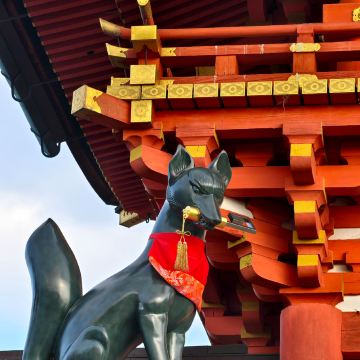

▲ The fox-shaped ema at Okusha Shrine has a blank face area where you can freely draw expressions, making each fox ema a unique piece of art full of fun.
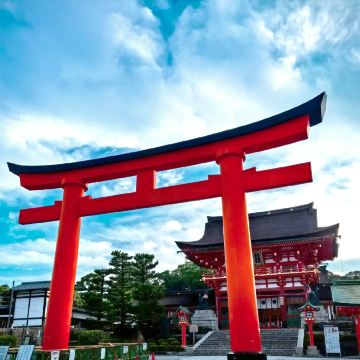

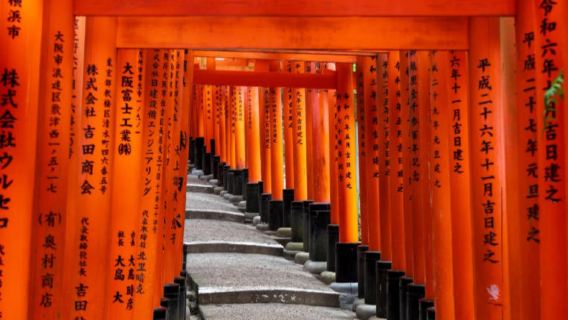
▲ The head shrine of approx. 30,000 Inari shrines across Japan, founded in 711, enshrines the Inari deities led by Ukanomitama-no-kami, blessing abundant harvests and business prosperity. Famous for its approx. 4 km-long "thousand torii gates" winding through Mount Inari, it's one of Kyoto's most representative views.
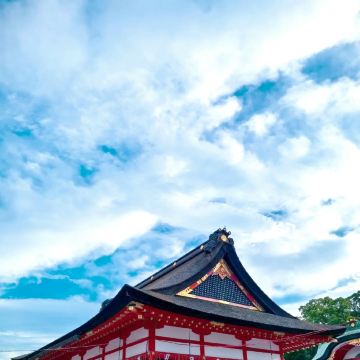

▲ Beyond the thousand torii gates, the Okumiya worship hall features the "light and heavy stones." Visitors make a wish while lifting the stones - if the stone feels lighter than expected, the wish is believed to come true, making it a popular interactive experience after worship.
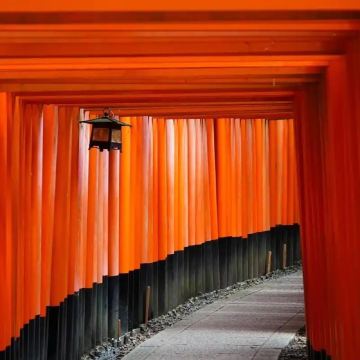

▲ Since the Edo period, devotees have donated over 10,000 torii gates, which stretch continuously along the Inari mountain path, forming a 4 km-long vermilion tunnel that serves as Kyoto's striking visual symbol.
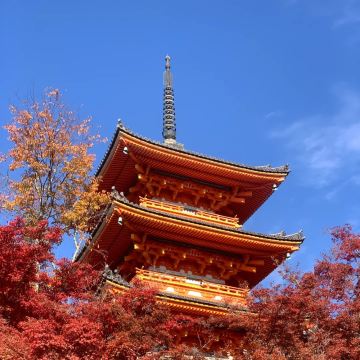

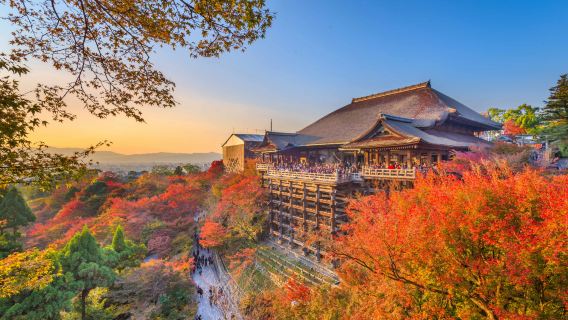
▲ Founded in 778, it is one of Kyoto's ancient temples and was designated as a UNESCO World Heritage Site in 1994. The temple is renowned for its "Kiyomizu stage" constructed with 139 giant wooden pillars, the main hall enshrining the eleven-faced thousand-armed Kannon, and the Otowa waterfall which ranks first among Japan's ten most famous waters.
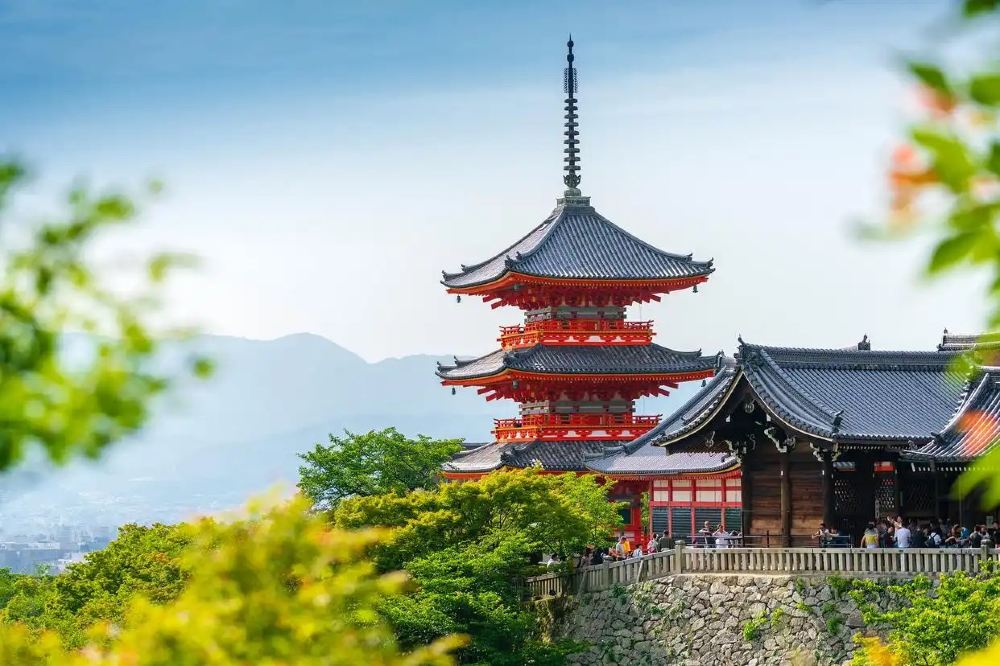
▲ The "Otowa waterfall," from which the temple derives its name, features three pure streams representing "academic success," "romantic fulfillment," and "longevity wishes," ranked as Japan's top ten famous waters.
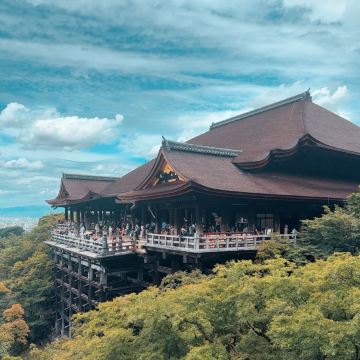

▲ Spring blossoms, summer greens, fall maples, and winter snow, the panoramic view of Kyoto from Kiyomizu Stage unfolds like a flowing scroll of seasonal beauty. In spring, approx. 1,000 cherry trees bloom, while autumn paints the forests in vibrant hues.
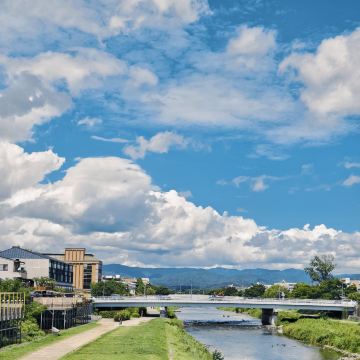

▲ Stretching approx. 27 km through Kyoto from north to south, this river is the soul of Kyoto. The scenery along its banks changes with the seasons, featuring summer's "noryo-yuka" dining platforms, "tobi-kame" stepping stones in the water, and spring's cherry blossom tunnel, making it a perfect spot to experience Kyoto's daily life and leisure.
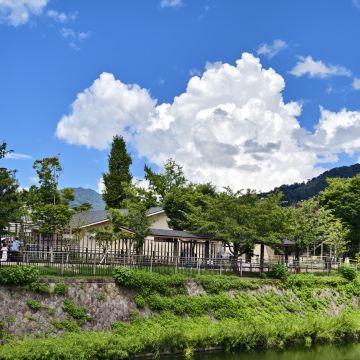

▲ The Kamo River features stepping stones shaped like turtles and plovers, allowing visitors to cross the river in a playful manner. This charming spot is a favorite photo destination for both adults and children, offering a particularly romantic atmosphere during sunset.
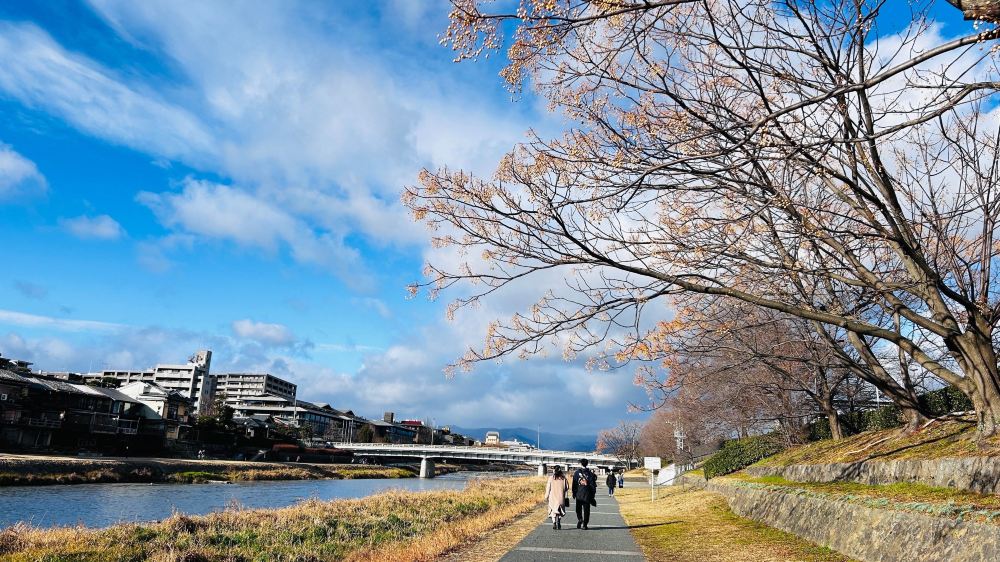
▲ From late March to early April each year, the riverbanks between Sanjo Bridge and Shijo Bridge transform into a cherry blossom promenade known as the "flower corridor." The picturesque harmony of blossoms and flowing water makes this one of Kyoto's premier cherry blossom viewing spots.