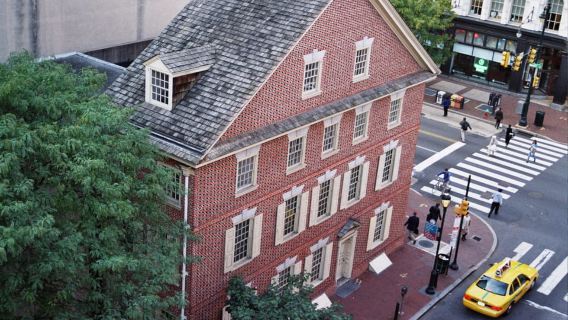
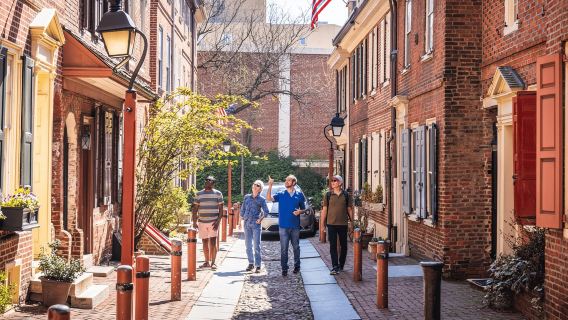
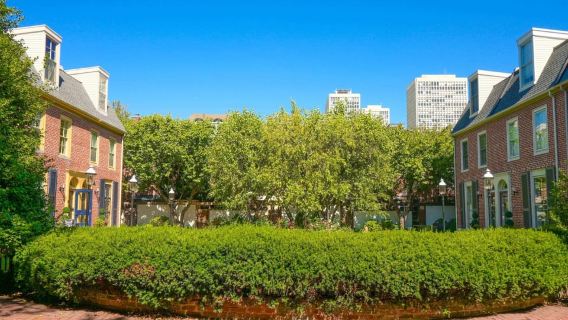
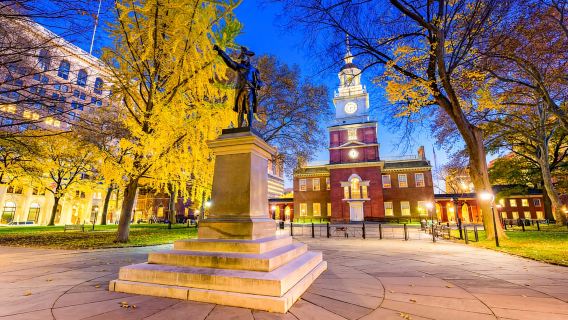
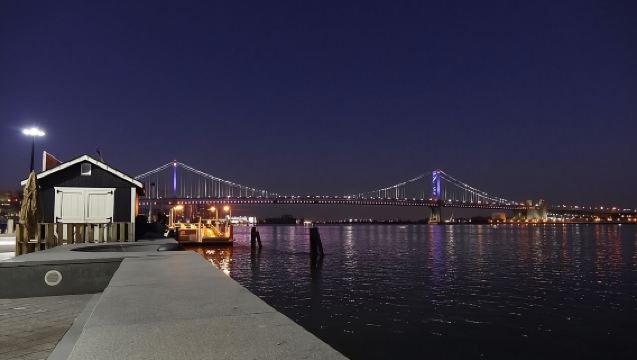
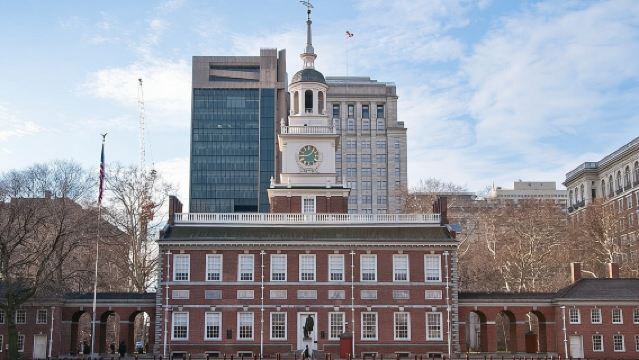
▲ Philadelphia, the first world heritage city in the US and hailed as the birthplace of American democracy, centers around the historic Independence National Historical Park. The Independence Hall witnessed the signing of the Declaration of Independence and Constitution, while the Liberty Bell stands as a free-to-visit symbol of freedom, preserving intact historical imprints from the nation's founding. Blending profound history with vibrant culture, the city boasts the richly endowed Philadelphia Museum of Art and the iconic "Rocky Steps" as a must-visit photo spot. Streets brim with distinctive markets, and cheesesteaks reign as the local culinary signature. Its walkable grid layout features cobblestone alleys, expansive urban parks, and creative arts districts. Offering both revolutionary history immersion and artistic, gastronomic, and local charm experiences, Philadelphia stands as a classic East Coast destination balancing historical depth with leisure appeal.
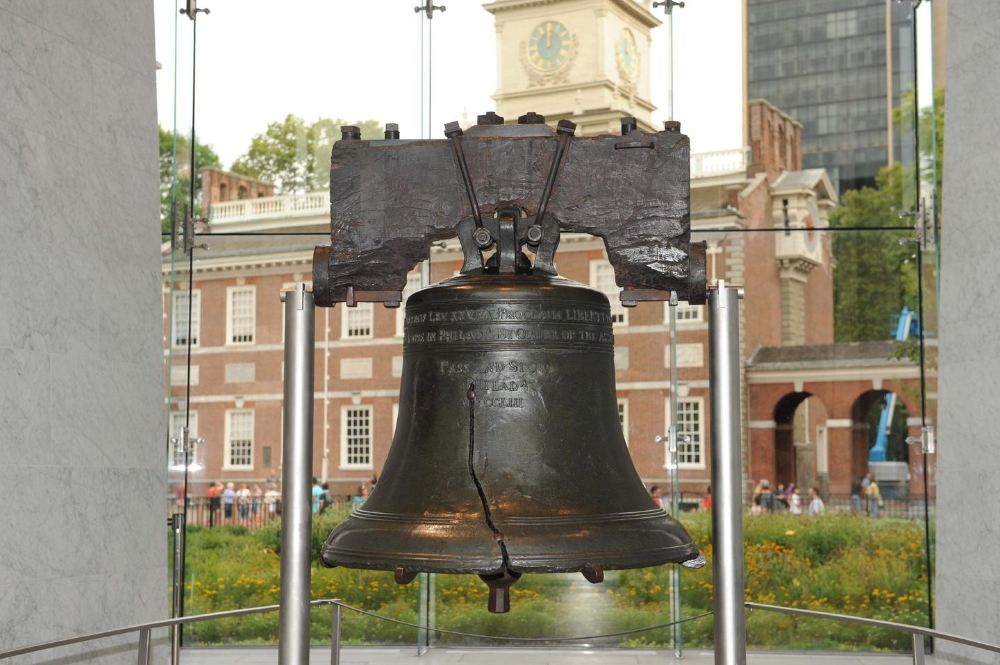
▲ The Liberty Bell is located in Philadelphia's Independence National Historical Park. Ordered by the Pennsylvania Assembly in 1751, the bell bears the inscription "Proclaim liberty throughout all the land." In 1776, its chime summoned citizens to hear the reading of the Declaration of Independence, witnessing the birth of the United States. After cracking in 1846, it fell permanently silent, with its iconic fracture becoming its distinguishing feature. Once a symbol for abolition and civil rights movements, it now stands as a free-to-visit classic emblem of American freedom.
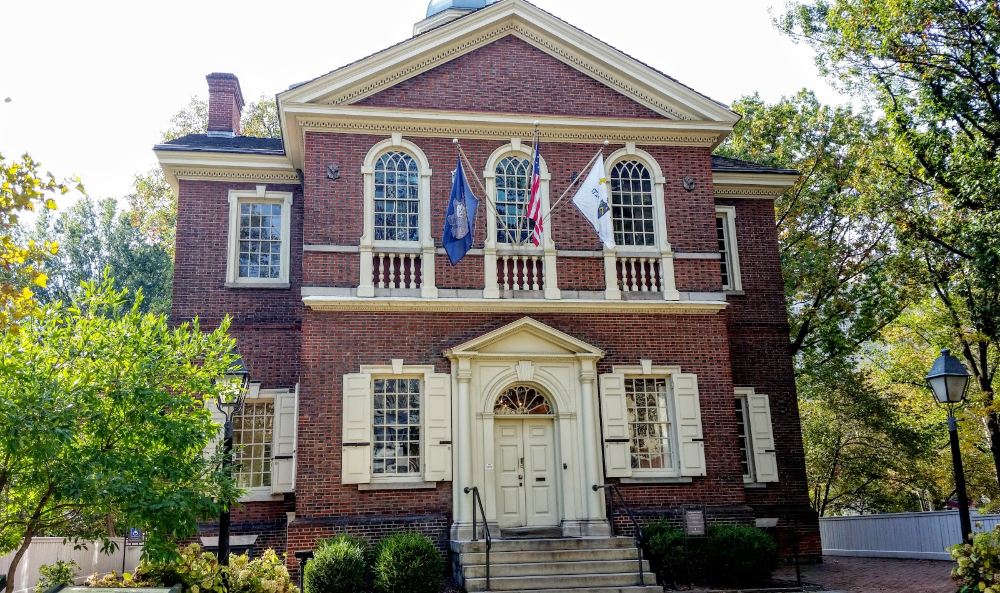
▲ Carpenters' hall is located in the independence national historical park in Philadelphia. Built by the local carpenters' guild from 1770 to 1774, it is a typical georgian-style red brick building. In 1774, the first continental congress was held here, where colonial representatives gathered to discuss resistance against british oppressive policies, marking the landmark origin of the american independence movement. The building remains privately owned by the carpenters' guild to this day, open to the public free of charge, preserving the original appearance of the historic meeting hall and bearing witness to the pivotal beginning of north america's path to independence.