


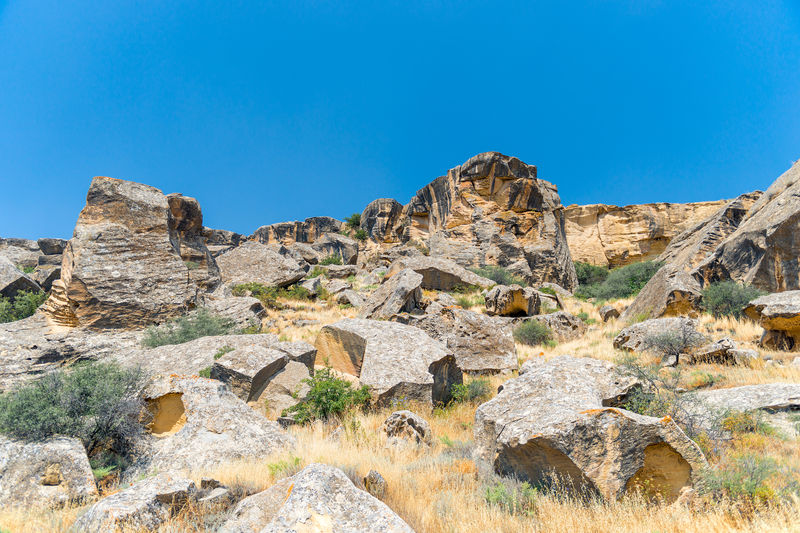
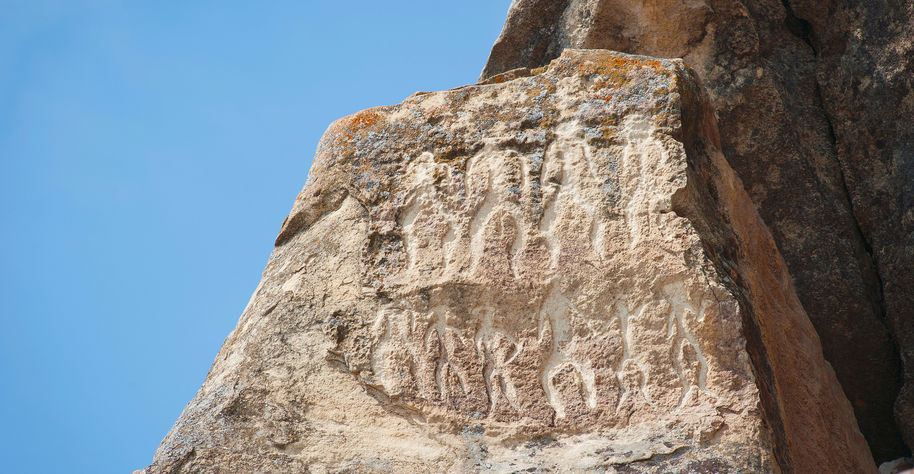
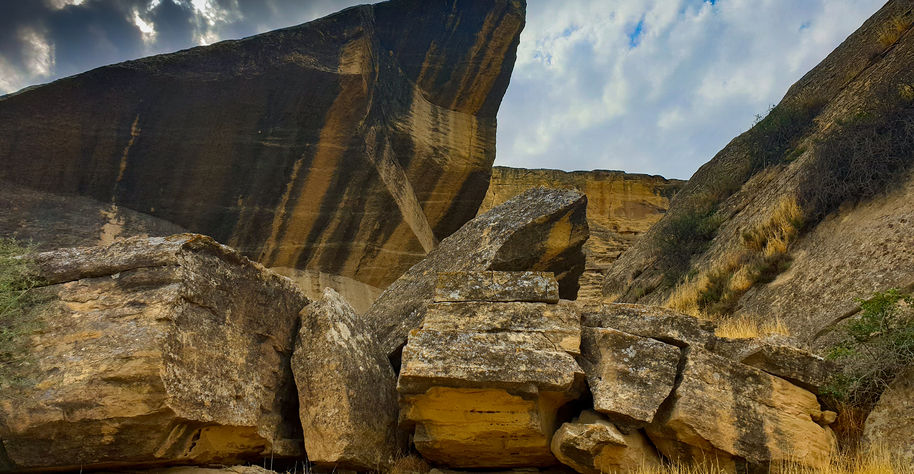

▲ Gobustan Rock Art Cultural Landscape is located approx. one hr drive from Baku, Azerbaijan. The park covers 537 hectares and features over 6,000 rock engravings, cave paintings and petroglyphs spanning 40,000 years of human history, immersing visitors in the rich heritage of this ancient land. The rocks and stone mounds of Gobustan preserve human traces from the Stone Age to the Middle Ages, vividly depicting the daily life of early inhabitants. Among the numerous carvings and paintings are scenes of rituals, hunting, warriors, boats and even astronomical patterns, revealing the diverse interests and imagination of ancient people.

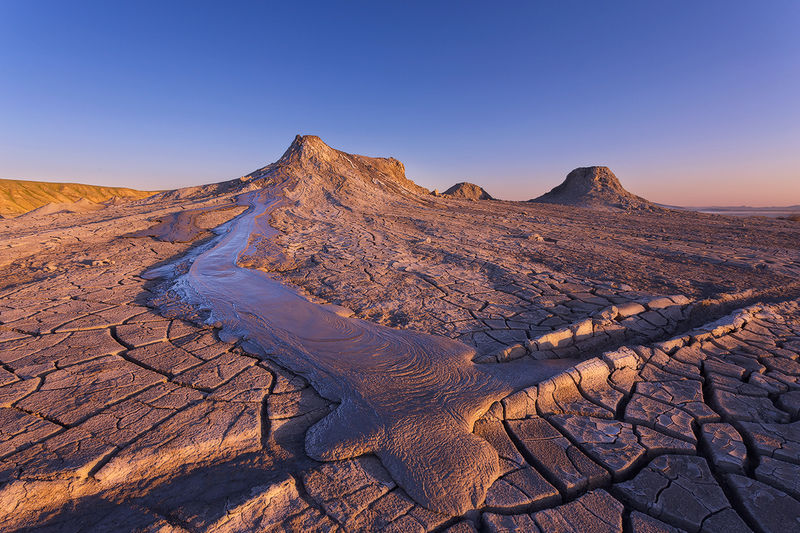
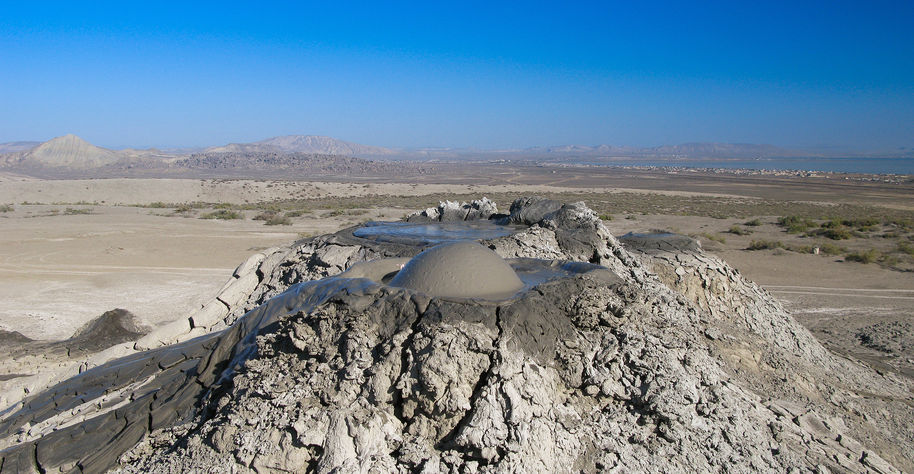
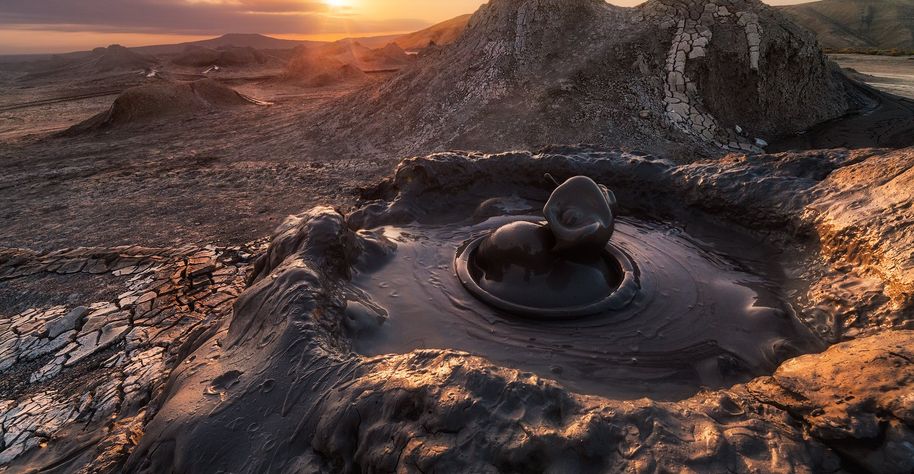
▲ Azerbaijan has the most active Mud Volcanoes in the world. When you encounter them in Gobustan, they may appear as charming little natural wonders, with some foreign travelers affectionately describing them making a "poof!" sound, suggesting they might only splash a bit of mud on you. However, the reality is quite different—Azerbaijan has experienced about 200 major Mud Volcano eruptions in the past two decades!

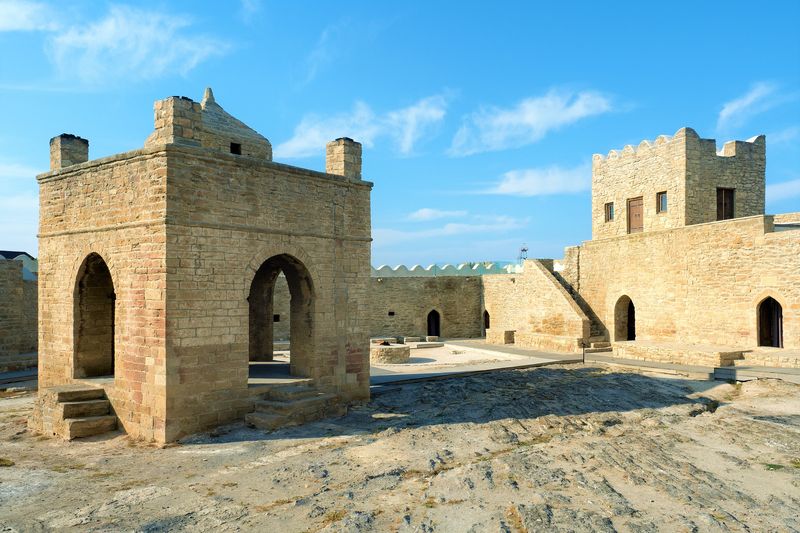
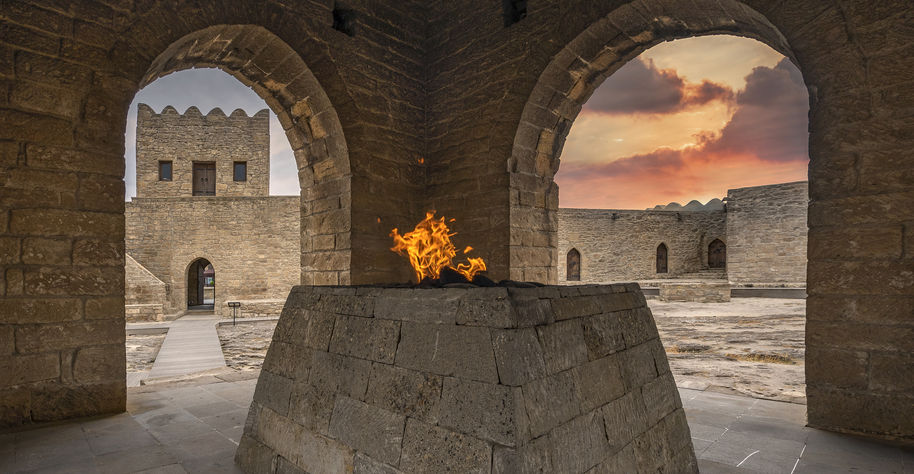
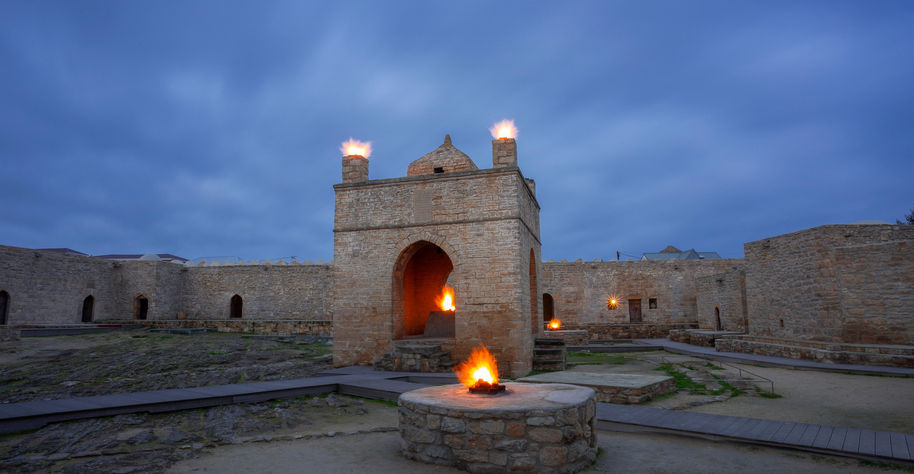
▲ The Atashgah Zoroastrian Fire Temple (Azerbaijani: Atəşgah) is a pentagonal ancient castle-style structure located in Surakhani town on the outskirts of Baku, Azerbaijan. Its main features include the eternal flame formed by natural gas and historical relics from the 17th to 18th centuries that blend Hinduism and Zoroastrianism.

▲ Baku's Yanar Dağ is a natural wonder located 25 km north of Baku, the capital of Azerbaijan, on the Absheron Peninsula. It has been continuously burning for centuries due to natural gas seeping from the ground.