





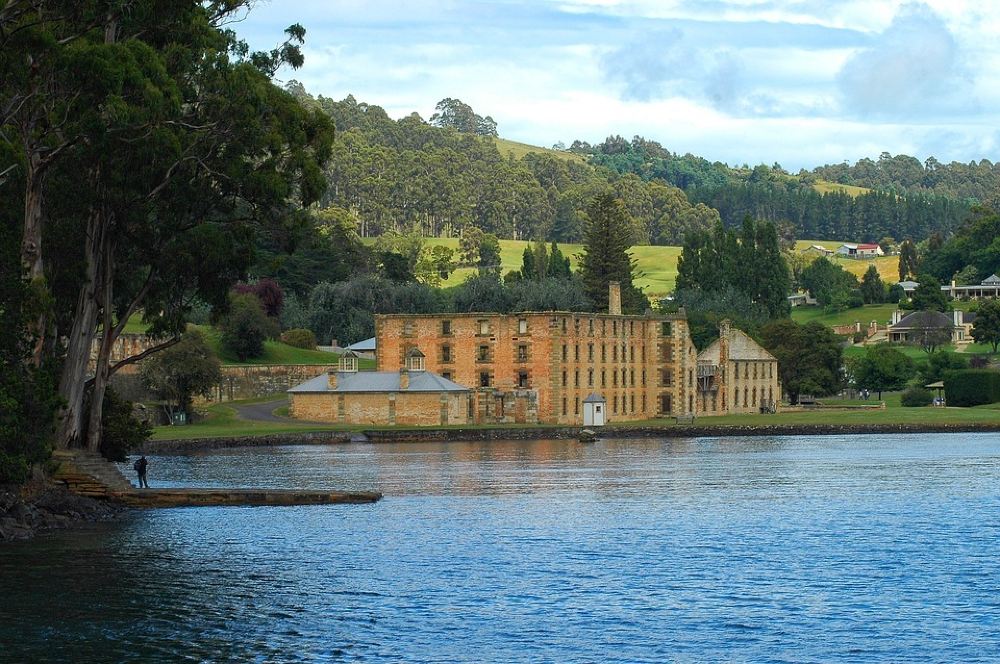
▲ Reference itinerary: Please check in before 7:45 AM for an 8:00 AM departure. 7:45 AM - Check in at the Pennicott Wilderness Journeys Center 08.00am - Bus departure 09:30am - Arrive at Port Arthur Historic Site 04:45pm - Bus departure 6:30 PM - Arrive at Pennicott Wilderness Journeys in Hobart Meeting point Dock Head Building, Franklin Wharf, Hobart TAS 7000 Inclusions: 1. Bus service from Hobart to Port Arthur Historic Site and back, with an English-speaking driver-guide on board. 2. Over six hours of free time to explore the Port Arthur Historic Site. 3. Admission ticket to Port Arthur Historic Site. (Self-guided audio guide; the guide will not accompany or provide commentary)
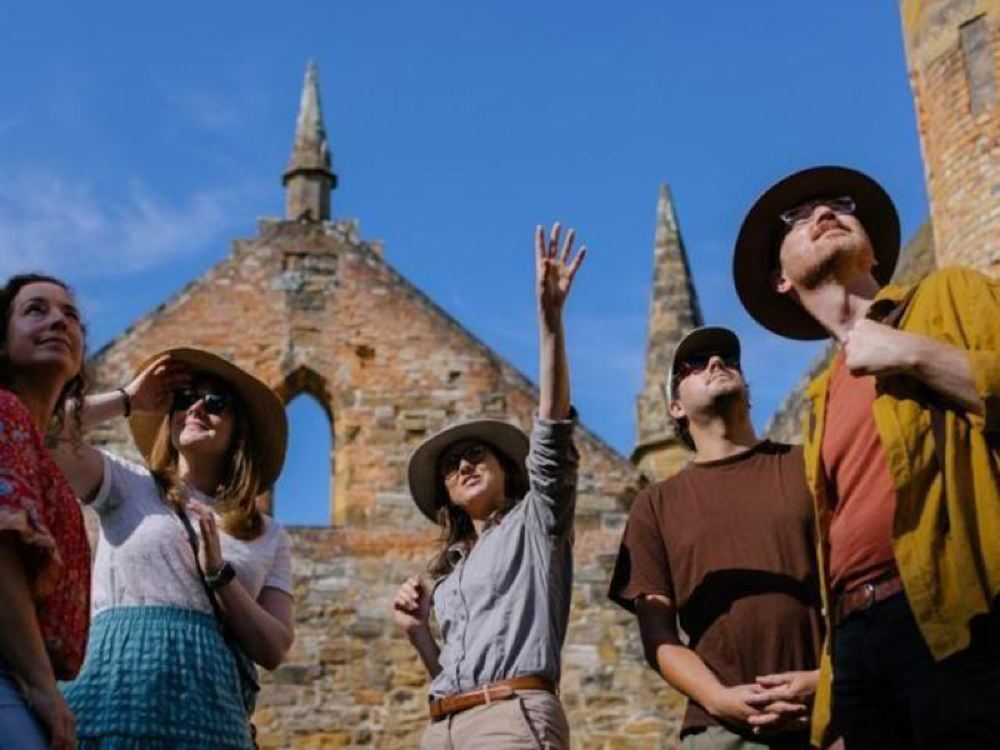
▲ How to use: After successful booking, we will send an e-confirmation to your email. Please check your inbox and verify the details on the attached confirmation. On the day of participation, please arrive at the designated location 15 minutes in advance to complete the check-in procedures. The activity requires a minimum number of participants to operate. If there are not enough participants on the day, we will contact you to reschedule/cancel.
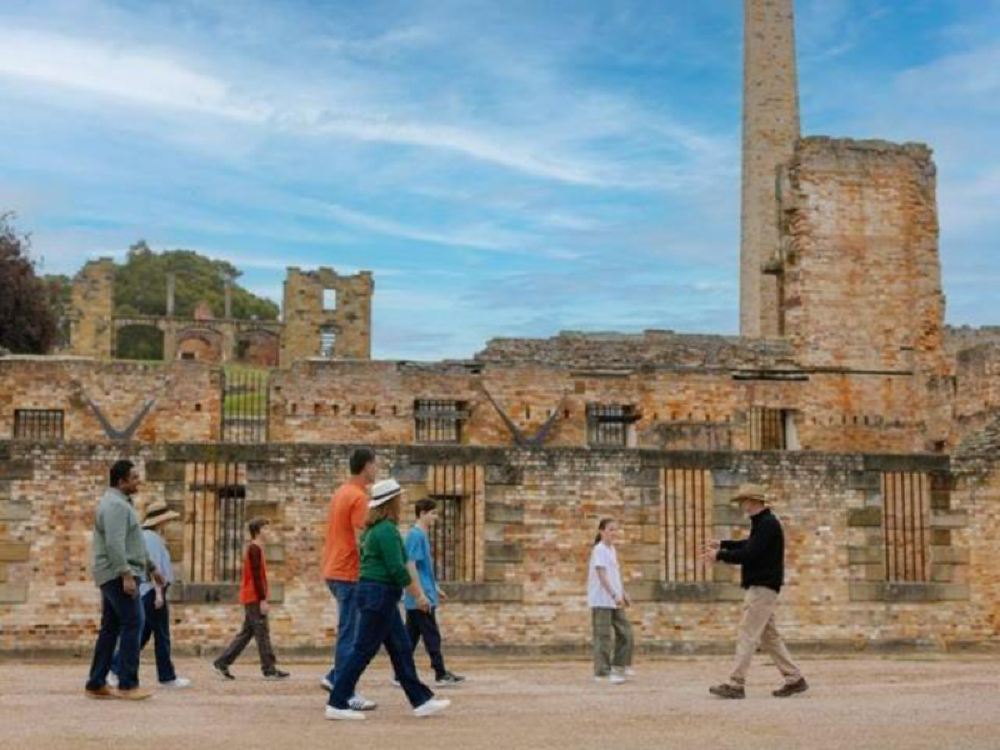
▲ [Vehicle (boat) safety precautions] 1. During the itinerary, we will use different transportation methods, including traveling by vehicle and by boat, and the types of vehicles and boats may vary. Regardless of what vehicle/boat you are on, please pay attention to safety while riding. Be sure to fasten your seatbelt when in a vehicle, and be sure to wear a life jacket when on a boat. 2. Do not take vehicles, boats, or other means of transportation without operating qualifications, to avoid accidents. 3. When taking a bus/boat, please keep your belongings safe to avoid leaving them behind or losing them. 4. When boarding a vehicle/boat, please board in an orderly manner. Do not crowd to avoid accidents. Do not carry prohibited items. Only get on or off the vehicle/boat after it has come to a complete stop. 5. Sit securely when riding. When riding, be sure not to sit at an angle or lie down sideways, to avoid falling and getting injured when the vehicle brakes suddenly. Try not to sleep while riding. Sleeping is very disadvantageous for coping with emergencies, and facts have proven that in traffic accidents, passengers who are awake at the time suffer less severe injuries and casualties than those who are asleep. When encountering particularly bad roads, especially accident-prone sections such as mountain roads, steep downhill slopes, sharp turns, and so on, please stay awake and constantly observe the situation ahead and outside the vehicle. 6. It is recommended not to eat foods such as candy, beans, or peanuts during the ride, as they can easily cause choking in the trachea when the vehicle shakes. 7. During the temporary stop of the vehicle/boat, please pay attention to the stop duration; before leaving the vehicle, please check your personal belongings and do not leave them behind in the vehicle. 8. When stopping to rest, pay attention to passing vehicles and cross the road where there are no blind spots; do not take road photos on the highway to avoid traffic accidents. 9. While the vehicle is moving, do not stand or walk around inside the cabin, and keep your seat belt fastened at all times. Please do not talk to the driver or urge the driver to speed up; do not put your head or hands out of the window, and do not throw anything out of the window, to prevent accidents. 10. What issues should be noted when getting off the vehicle (boat) after arriving at the destination: (1) When the car (boat) has not yet come to a complete stop, do not rush to jump off the moving car (boat) to avoid accidents; you must wait until the car (boat) has come to a complete stop before getting off the car (boat) in order. (2) When getting off the car, do not crowd; first check for oncoming vehicles in front and behind to avoid scraping; when getting off the boat, do not crowd; make sure you see the gap clearly before getting off the boat to avoid falling into the water. (3) When a motor vehicle breaks down or is involved in a traffic accident and must stop in the roadway, passengers must promptly exit the vehicle and the roadway, except for rescue purposes. 11. For off-road vehicles, four-wheel-drive vehicles, and similar, please hold on firmly when riding to avoid severe shaking. If open-top vehicles/boats are involved, please take precautions against wind, sun, and rain. 12. If you feel unwell, please inform our tour staff immediately.