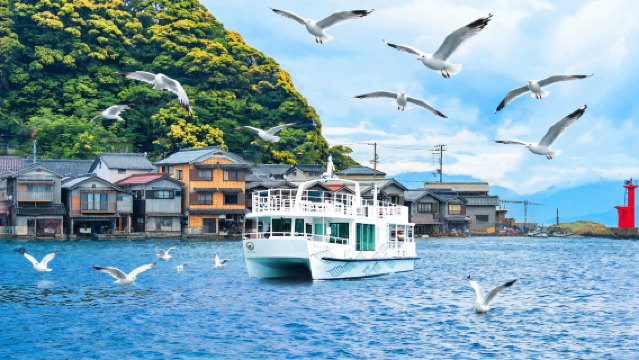
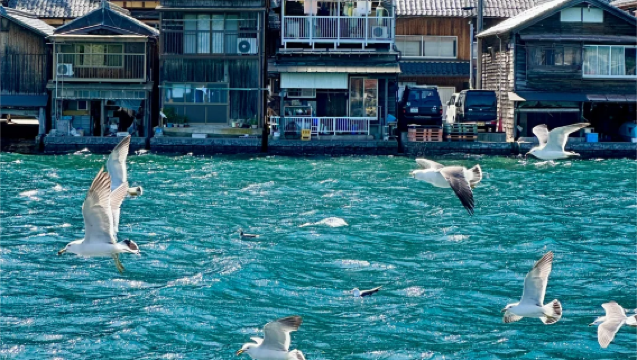
▲ Ine no Funaya is a traditional fishing village landscape preserved in Ine, Kyoto Prefecture. The funaya buildings lined along the coast are used for docking fishing boats on the first floor and as living spaces on the second floor, creating a unique scene where "boats and homes are connected." Travelers can take a boat to enjoy the view of the bay and experience the lifestyle of a Japanese seaside fishing village from different perspectives.

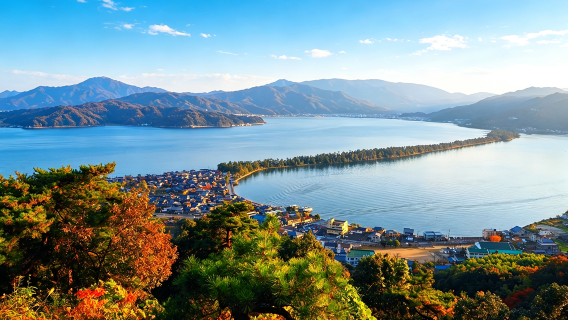
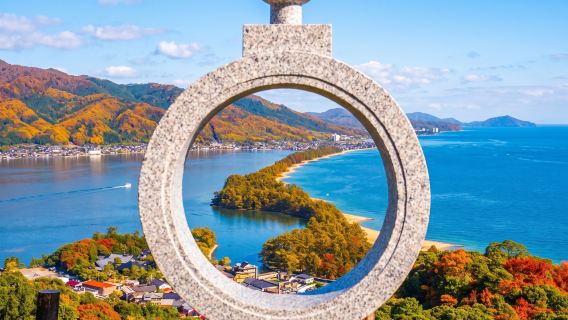
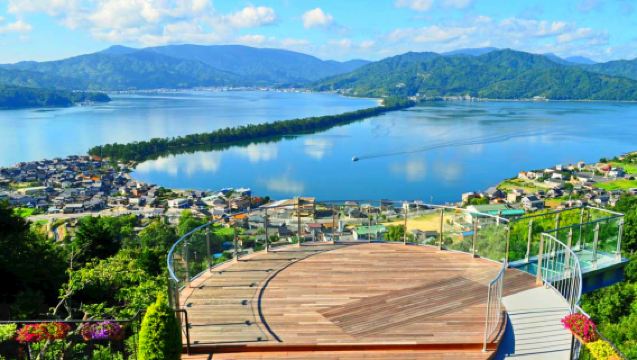
▲ Amanohashidate is a famous natural view along the Sea of Japan, consisting of a 3.6 km-long sandbar covered with numerous pine trees, creating a unique landscape that combines sea, sand, and forest. Travelers can ascend to the viewing platform for a panoramic view of the sandbar or stroll along the pine-lined paths to experience the tranquil and beautiful coastal scenery of northern Kyoto.

▲ Motoise kono shrine is located on the north side of Amanohashidate, a historic shrine believed to have deep connections with Ise Jingu. Nestled between mountains and sea, it maintains a solemn and tranquil atmosphere with traditional architectural styles. Visiting here allows you to experience the unique Shinto culture of northern Kyoto, and it serves as a cultural attraction conveniently accessible when exploring Amanohashidate.

▲ Chionji Temple, also known as "Kiretto Monju-dō," is one of Japan's three great Monju temples, renowned for enshrining the bodhisattva Manjushri. With a long history, the temple grounds preserve traditional structures such as the Monju-dō, Tahōtō pagoda, and the golden Kōgonkaku gate, showcasing the unique temple style of the Tango region. Travelers can appreciate the harmonious blend of historical architecture and the natural view of Amanohashidate in the serene and rustic surroundings.