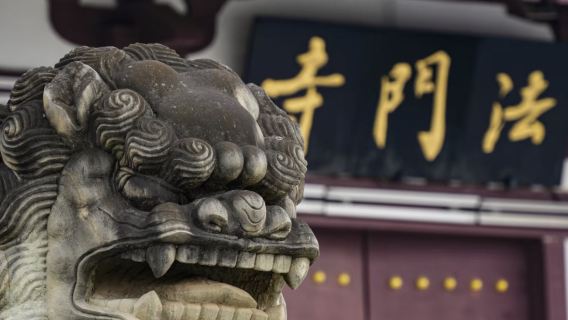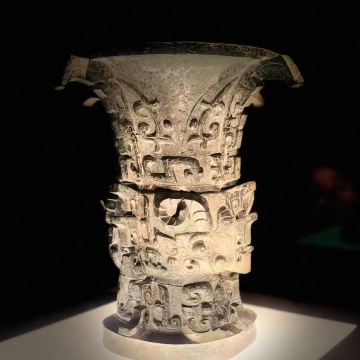

▲ Baoji bronze museum, China's first bronze-themed museum. Baoji, this land where the Western Zhou dynasty flourished and phoenixes descended; where the Qin people rose and divine roosters crowed. As the core of early Western Zhou activities, it became the fiefdom of many nobles, particularly the tombs of two non-Ji surname Western Zhou nobles - the Gongyu state and Shigu mountain - where numerous bronze wares were unearthed. In 2003, another cache of bronze wares was discovered in Yangjia village, hailed as China's first major archaeological discovery of the 21st century and awarded one of the top ten archaeological discoveries of 2003.
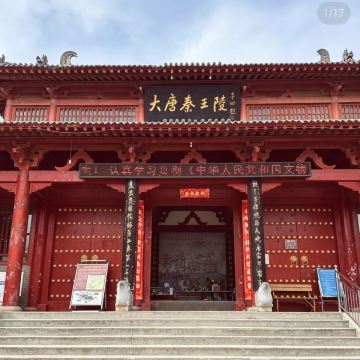

▲ The Mausoleum of the Prince of Qin of Tang is the burial site of Li Maozhen, a vassal prince of a different surname, and his wife Lady Liu. It is the only joint burial tomb in the world with "shared grounds but separate chambers," dating back 1,100 years. After entering through the sacred path, you can descend to the underground palace. On the right is the underground palace of the Qin king, and on the left is the underground palace of the Qin king's wife. After entering the mausoleum of the Qin emperor, there is a 120 m tomb passage (Figure 3-Figure 5). On both sides of the passage are side chambers containing different stone statues. The passage bears an epitaph with well-preserved inscriptions.
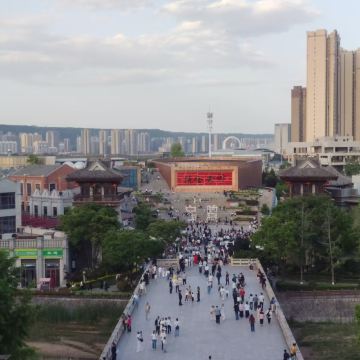

▲ Chencang old street is adjacent to the bronze ware museum, featuring the Baoji check-in wall; standing at the main entrance of the museum, you can overlook Chencang old street! Specializing in local delicacies and intangible cultural heritage crafts, it is said to offer a one-stop experience to taste all the famous snacks in Baoji.
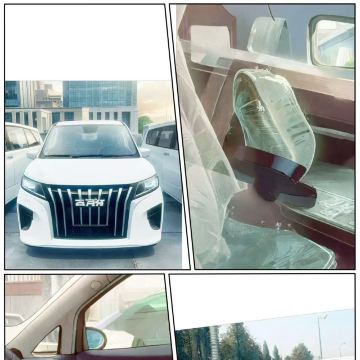

▲ Private charter, guaranteed one booking per group [5-seater/7-seater/9-seater] optional/no hidden fees, no additional charge/door-to-door pickup within the third ring road, all vehicle fees included