


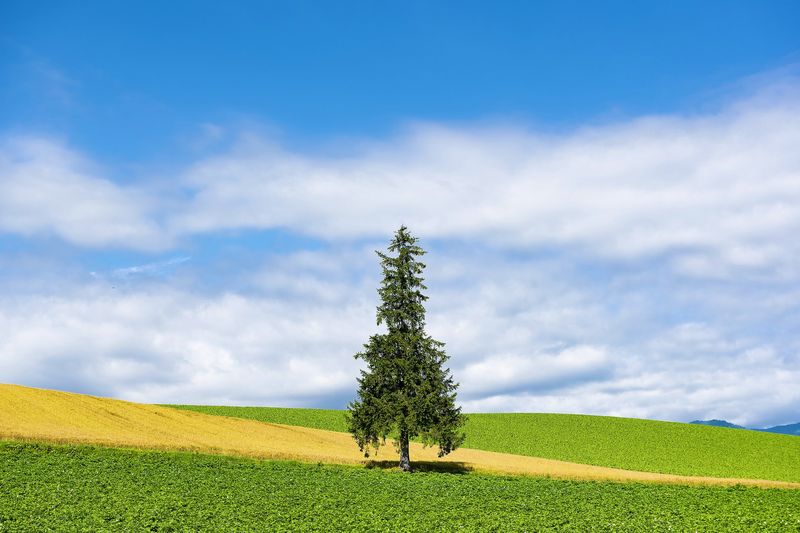

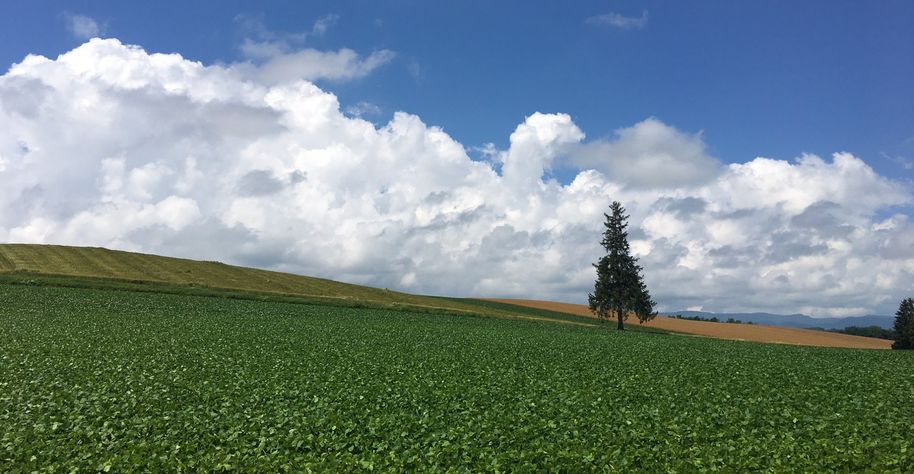

▲ Christmas tree: An approx. 8 m tall cypress standing alone on the snow-covered hills of Biei, named for its star-shaped treetop resembling a Christmas tree. This tree is a representative photographic landmark of winter in Biei, Hokkaido, where the pure white snowfields blend with the soft afternoon light to create a classic Hokkaido winter scene.

▲ Snow park, this snow experience offers a choice between Panoramic Flower Gardens Shikisai-no-oka/Chiyoda Ranch, no specific venue is designated! To avoid peak season queues in winter, the venue will be selected based on actual conditions of the day. Fees apply for snow activity experiences. [Snowmobile fee is self-paid: single riding 15,000 yen, double riding on one vehicle 20,000 yen, cash payment only. Drivers must be at least 16 years old.]

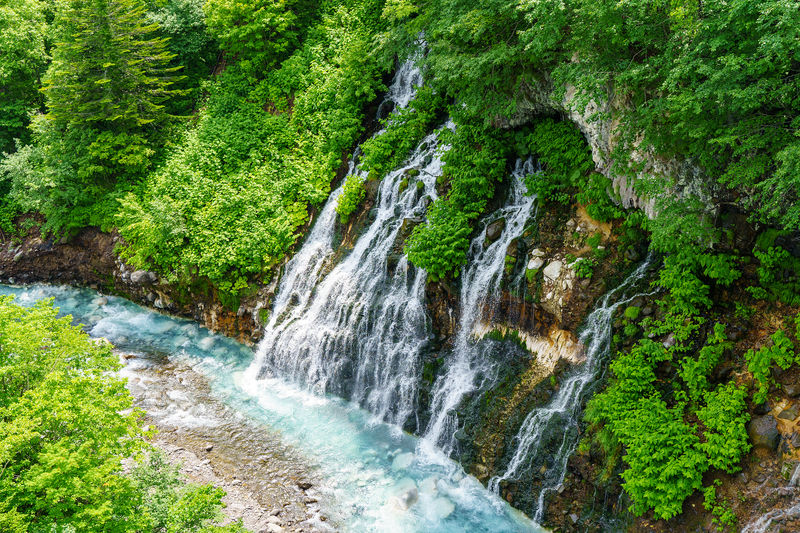
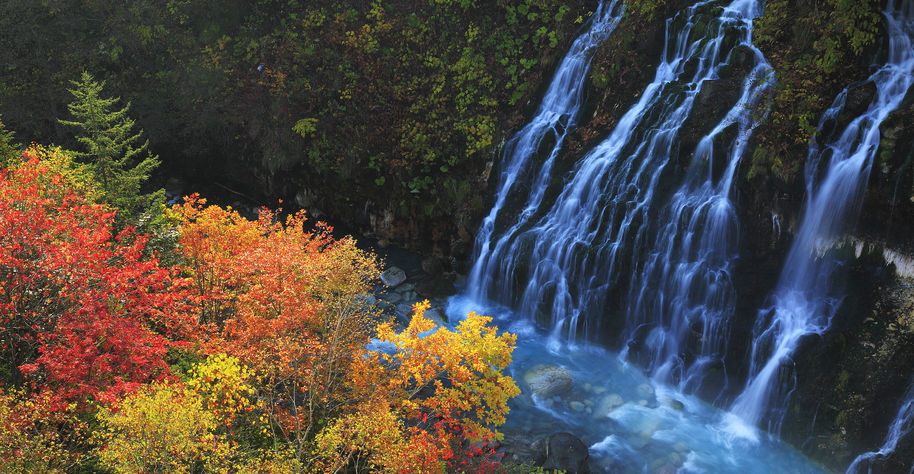
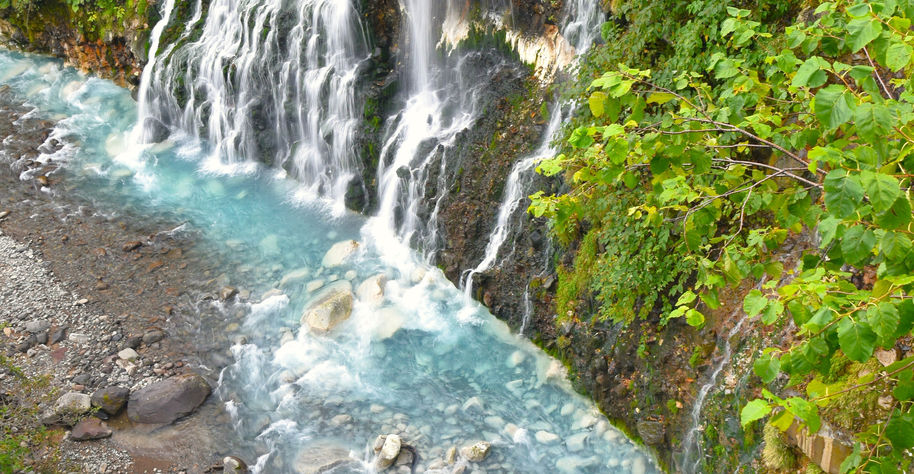
▲ Shirahige Waterfall: A waterfall located near Shirogane Onsen in Biei, with a drop of approx. 30 m. Named for its water seeping through rock crevices resembling white beards, it belongs to the rare "subsurface waterfall" type in Japan. The waterfall flows into the Biei River, creating a cobalt-blue stretch. In winter, it continues to flow under snow cover, forming a striking contrast between water and ice. An observation bridge offers a panoramic view of the waterfall and the blue river. Free admission and open year-round.

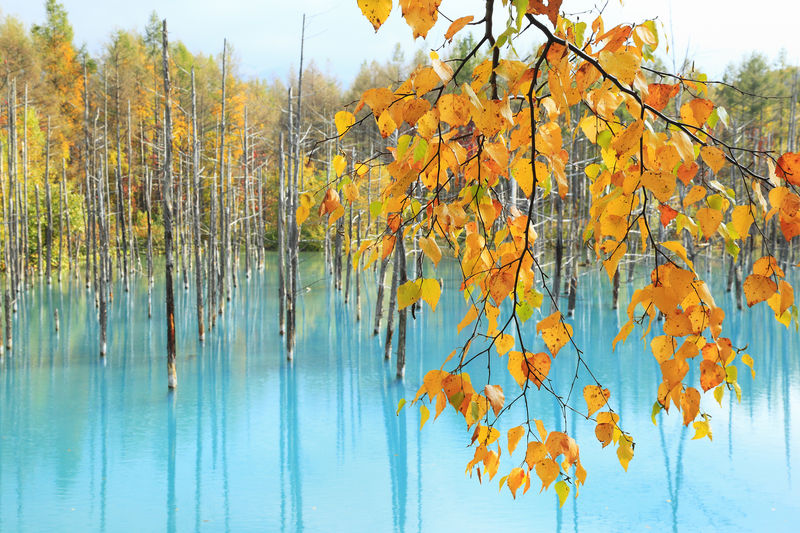
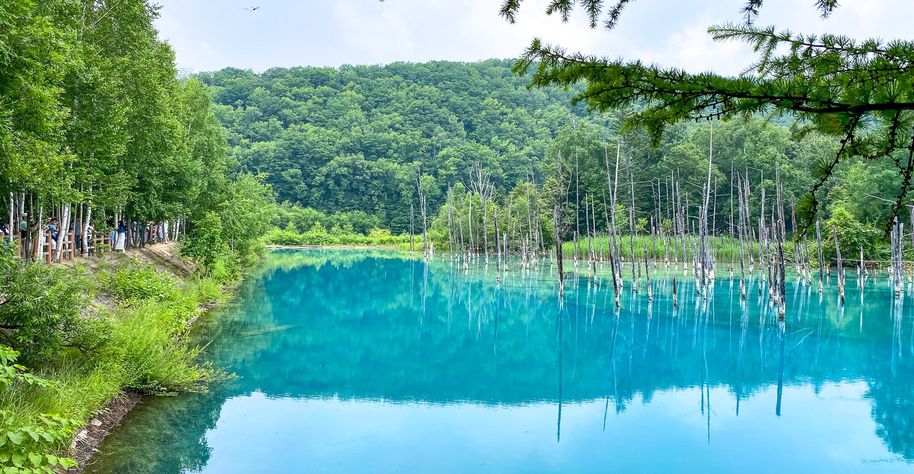
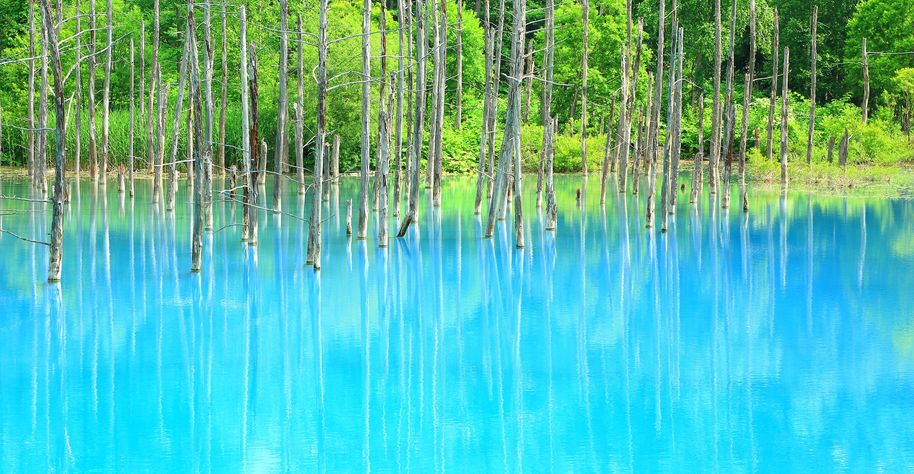
▲ Shirogane Blue Pond (Aoiike): An artificial lake located in the Shirogane area of Biei, named for its cobalt-blue water. In winter, the frozen and snow-covered lake surface, illuminated by lights, creates a blue light and shadow effect. The pond was accidentally formed as part of a debris flow prevention project following the eruption of Mount Tokachi. The water contains colloidal particles of minerals like aluminum, which scatter sunlight to produce its distinctive blue hue. It gained global fame in the 1990s when featured as an Apple Macintosh wallpaper. During winter illumination, the icy surface and withered trees under blue lights create a tranquil play of light and shadow.

▲ Ningle Terrace: A cluster of wooden buildings nestled in the pristine forests beside the New Furano Prince Hotel. "NINGURU" originates from the Ainu language of Hokkaido's indigenous people, meaning "forest elves." Fifteen log cabins with pointed roofs are scattered along the forest boardwalk, each serving as an independent handicraft workshop selling handmade souvenirs like wood carvings, glassware, and scented candles. In winter, the snow-covered cabins glow warmly under yellow lights, creating a fairy-tale atmosphere, with visiting hours from dusk to night.