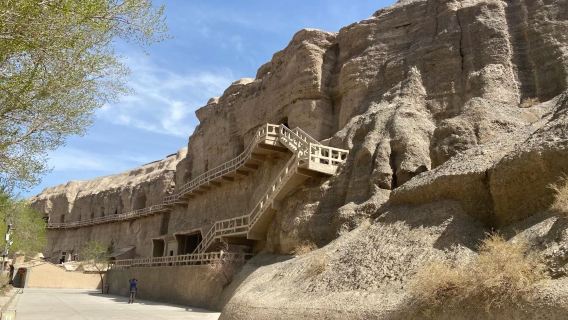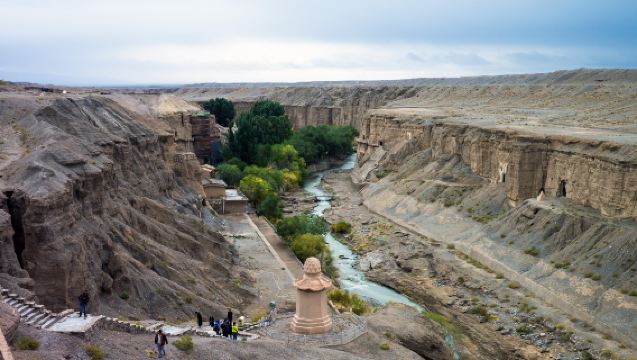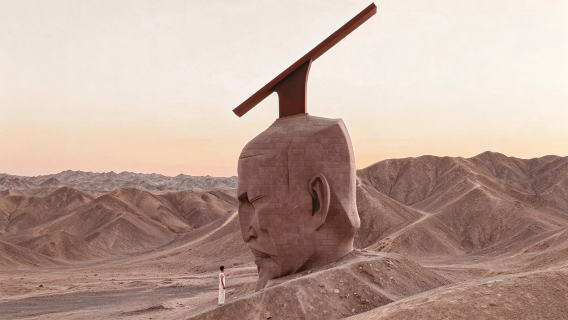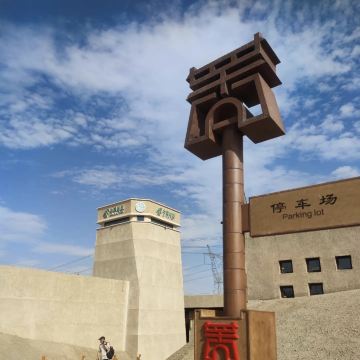

▲ [Xuanquanzhi ruins] A UNESCO World Heritage site, this is a preserved Han dynasty postal station on the Silk Road. Tens of thousands of precious Han dynasty bamboo slips recording Silk Road communications have been unearthed here. On the Gobi wilderness, explore the ruins of fortified courtyards and stables, touching the legacy of Silk Road postal civilization from two thousand years ago.
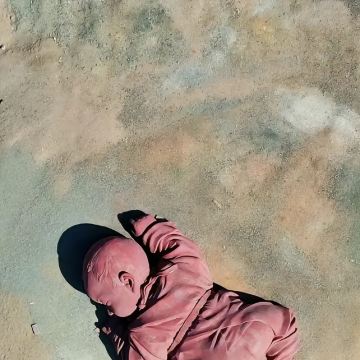

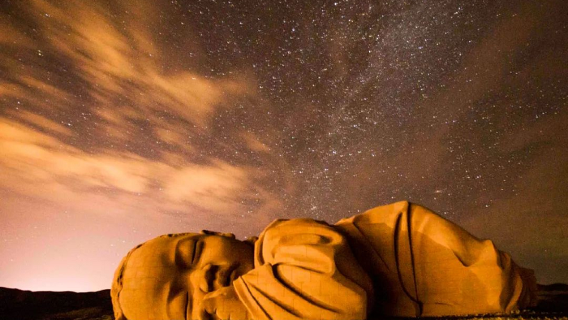
▲ [Son of the earth] The viral red sandstone sculpture in Guazhou Gobi depicts a 15 m giant infant lying prone in the desert, sleeping peacefully. The vast Gobi starkly contrasts with the child's image, symbolizing the harmony between humans and nature. It is a profoundly striking artistic landmark along the Silk Road.
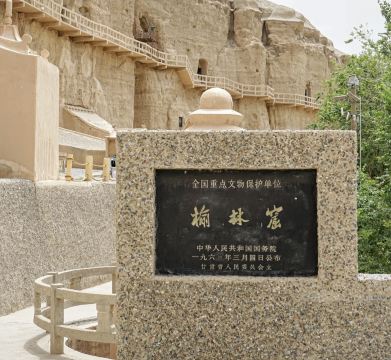
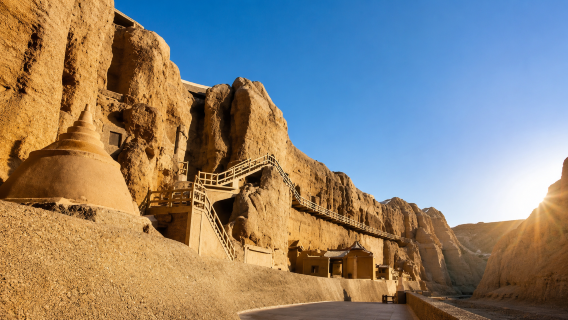
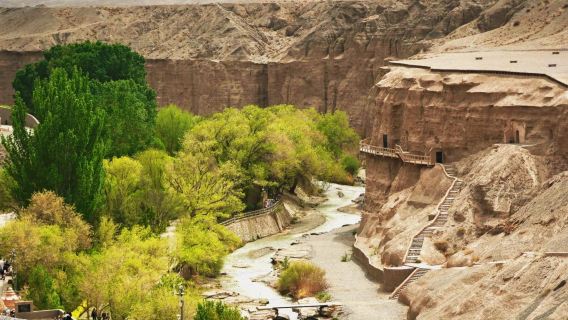
▲ [Yulin Grottoes] A sister grotto of the Mogao Caves, carved into the cliffs of the Yulin River valley and constructed over multiple dynasties. The site preserves 43 existing caves with exquisite Tang and Western Xia murals, including rare depictions of Xuanzang's pilgrimage. With fewer travelers, visitors can immerse themselves in the authentic grotto art.