


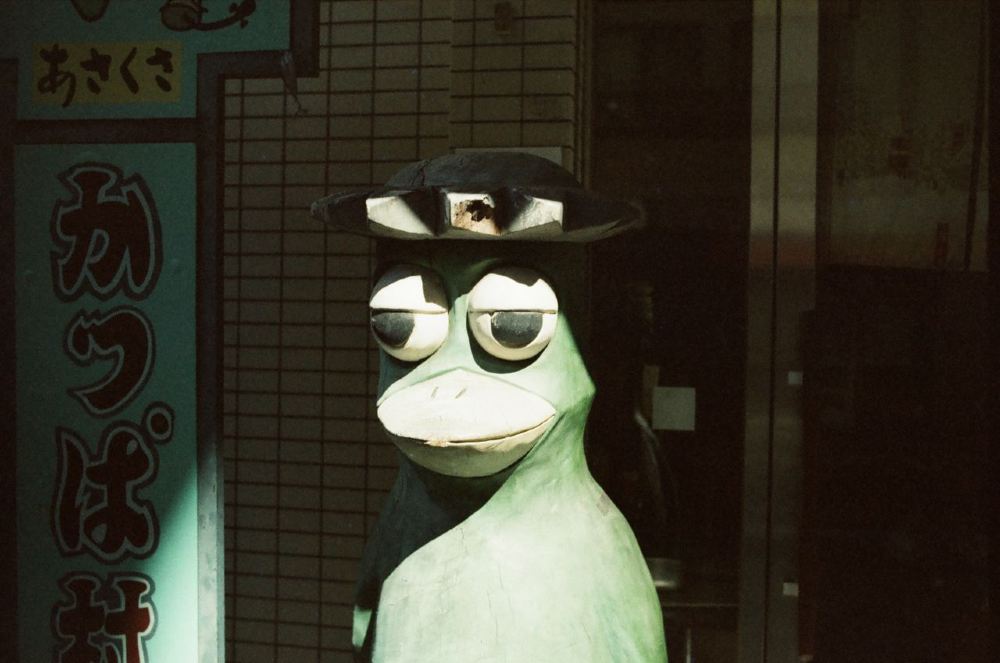
▲ When night falls over Kyoto, the city reveals another side of itself. As temples close and streets grow quiet, centuries-old stories begin to unfold—tales of yokai, spirits, onmyoji, guardian deities, and the legendary hyakki yagyo.
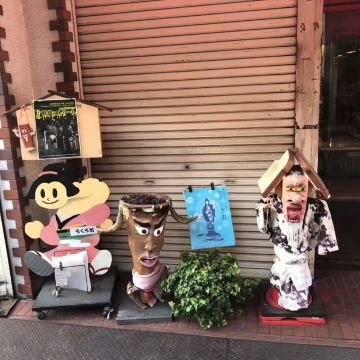
▲ This 2-hour walking tour follows a story rather than a checklist of landmarks. Starting from Kyoto's yokai street, its nighttime tradition will take you into the imaginative world of Japanese supernatural creatures. Explore "tsukumogami," everyday objects believed to become spirits after years of use and neglect, and discover why yokai have become part of Kyoto's nighttime folklore.

▲ At Daishōgun Hachi-jinja Shrine, you will enter the world of Onmyōdō, exploring ancient beliefs about astrology, directions, cosmic forces, and spiritual protection. Discover why dangerous directions were so significant in ancient Kyoto and how supernatural beliefs shaped the protection of the capital.

▲ Then head to Kamishichiken, one of Kyoto's historic geisha districts. Don't just sightsee, but explore the contrast between the visible world of teahouses, traditional streets, and daily life, and the invisible world of deities and folklore that coexists with it. Then the story turns to Sugawara no Michizane. After his death, people once feared he was a vengeful spirit, but eventually he was enshrined as the powerful deity Tenjin. His story reveals how Japanese tradition blurs the boundaries between ghosts, spirits, and gods.

▲ As you stroll through the traditional streets of Nishijin, imagine Kyoto before modern streetlights appeared, where narrow alleys, wooden houses, shadows, and unfamiliar sounds easily inspired supernatural tales. The journey continues to Seimei Shrine, associated with the legendary onmyōji Abe no Seimei. Here, stories of yōkai, spirits, and spiritual protection intertwine. Learn how the historical figure Seimei became a legendary master of the spirit world and why onmyōji remain powerful figures in modern Japanese culture.
▲ At the end of the walking tour, you will discover that "Hyakki Yagyo" is more than just a ghost story. It offers a glimpse into how generations of Japanese have understood fear, misfortune, nature, death, and the unseen world, as well as how these ancient beliefs still resonate in Kyoto today.