


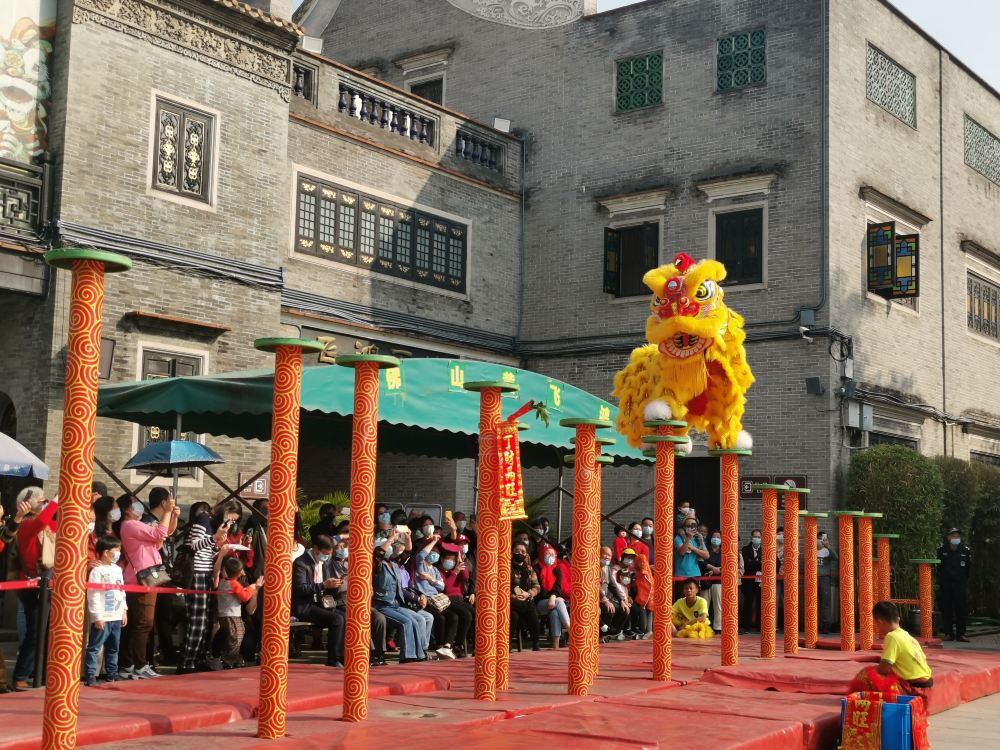
▲ Lion dance performances at the Wong Fei-hung Memorial Museum, a must-visit attraction in Foshan
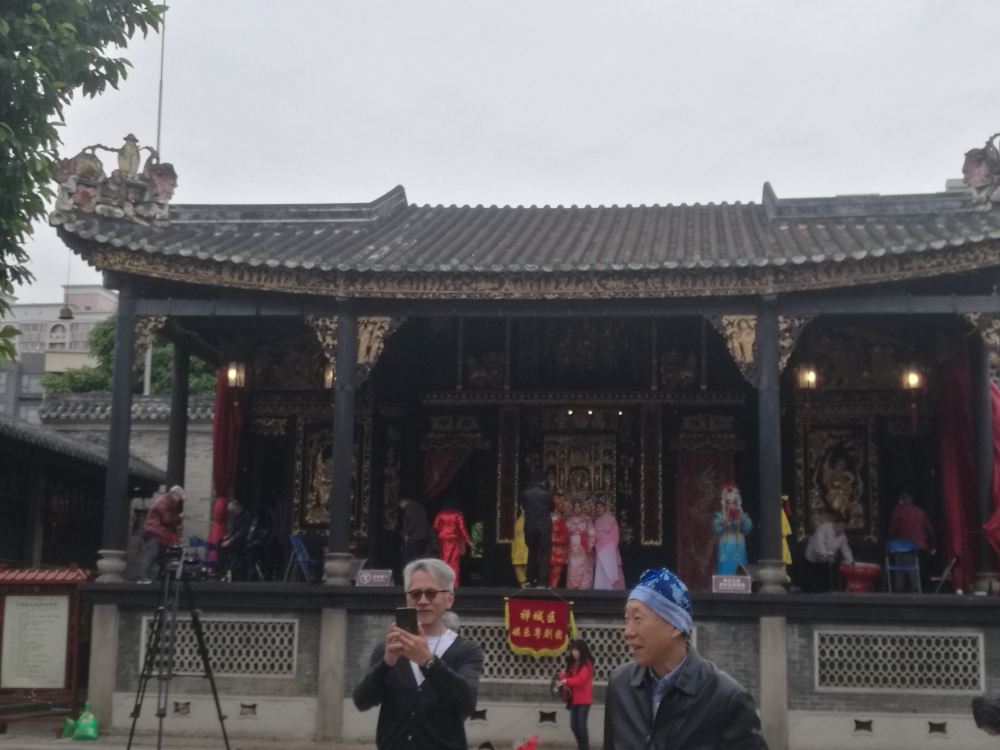
▲ Originally built during the Yuanfeng era of the Northern Song Dynasty (1078-1085), the structure was burned down in the late Yuan Dynasty and rebuilt in the fifth year of the Hongwu era (1372) of the early Ming Dynasty. After over 20 subsequent renovations and expansions, it eventually formed a grand ancient architectural complex with exquisite craftsmanship, unique national style, and strong local characteristics. It enshrines the Northern Xuantian Emperor worshipped in Taoism, hence originally named "Beidi Temple". Renamed Foshan Zumiao Museum in the Ming Dynasty, it has served as Foshan's communal meeting place for ancestral halls since the Song and Yuan Dynasties, becoming a bond connecting different clans. Locals thus customarily call it the "ancestral temple".
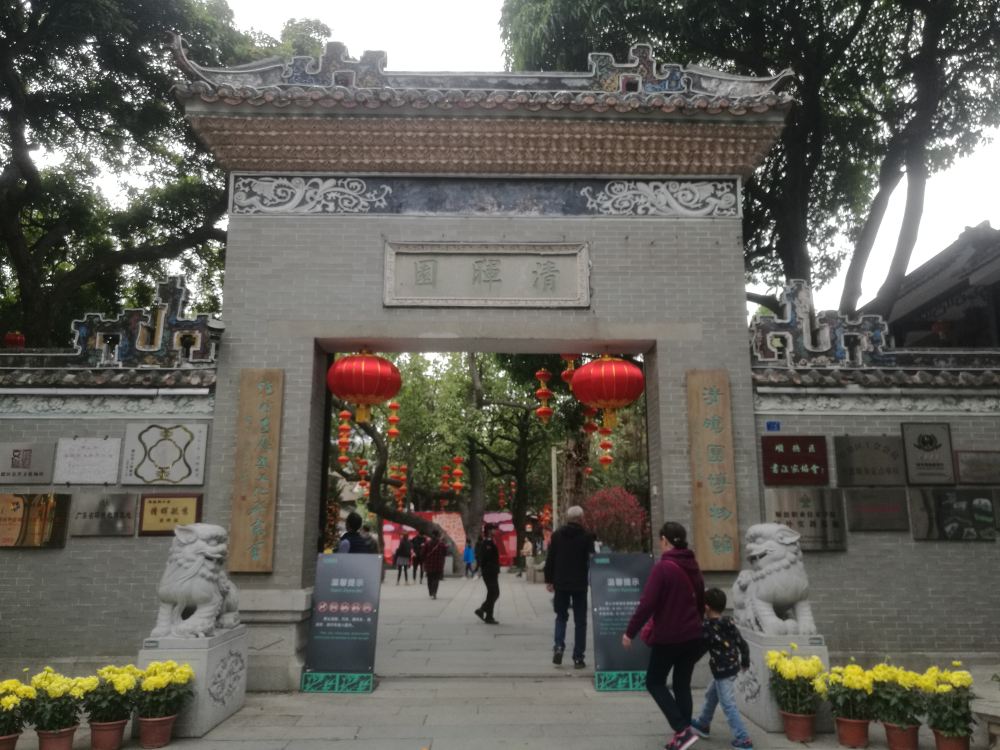
▲ Qinghui Garden Museum is one of the four great gardens of Lingnan located in Shunde, Guangdong. First built during the Ming Dynasty, it was originally the Huang family garden constructed by imperial examination top graduate Huang Shijun. During the Qianlong era of the Qing Dynasty, it was purchased by imperial scholar Long Yingshi and underwent expansions by the Long family over generations, forming the current Lingnan garden landscape.