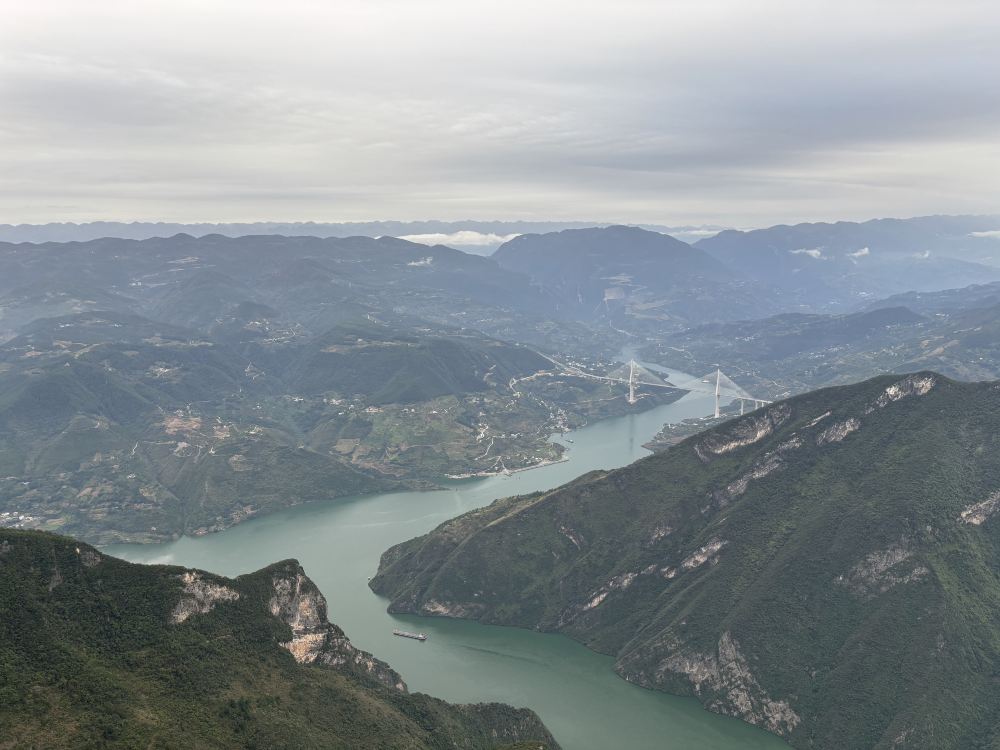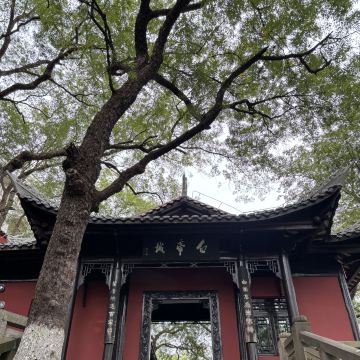
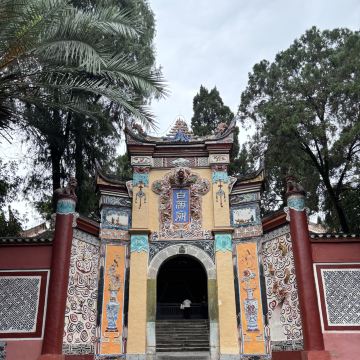
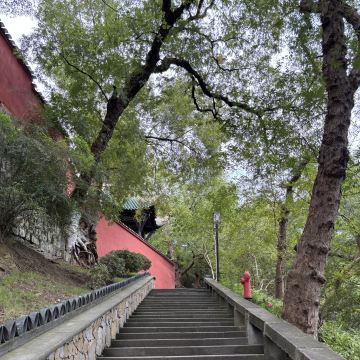
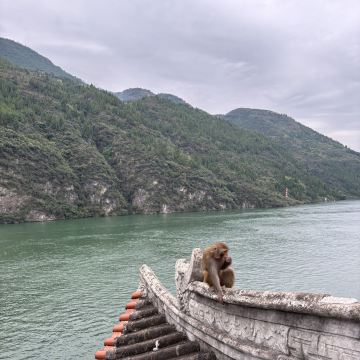
▲ On the north bank at the mouth of Qutang Gorge stands Baidi Mountain, the western gateway to the Three Gorges and part of the Baidi City·Qutang Gorge 5A attraction. After the reservoir was filled, it became a green island in the river, connected to the mainland by a covered bridge. In the Western Han dynasty, Gongsun Shu built a city here and declared himself emperor. The core Three Kingdoms highlights: Liu Bei's defeat at Yiling and the entrusting of his son at Baidi City. Inside Baidi Temple, the Mingliang Hall honors Liu Bei and Zhuge Liang. It is a landmark of Three Kingdoms culture and a nationally protected key cultural heritage site.
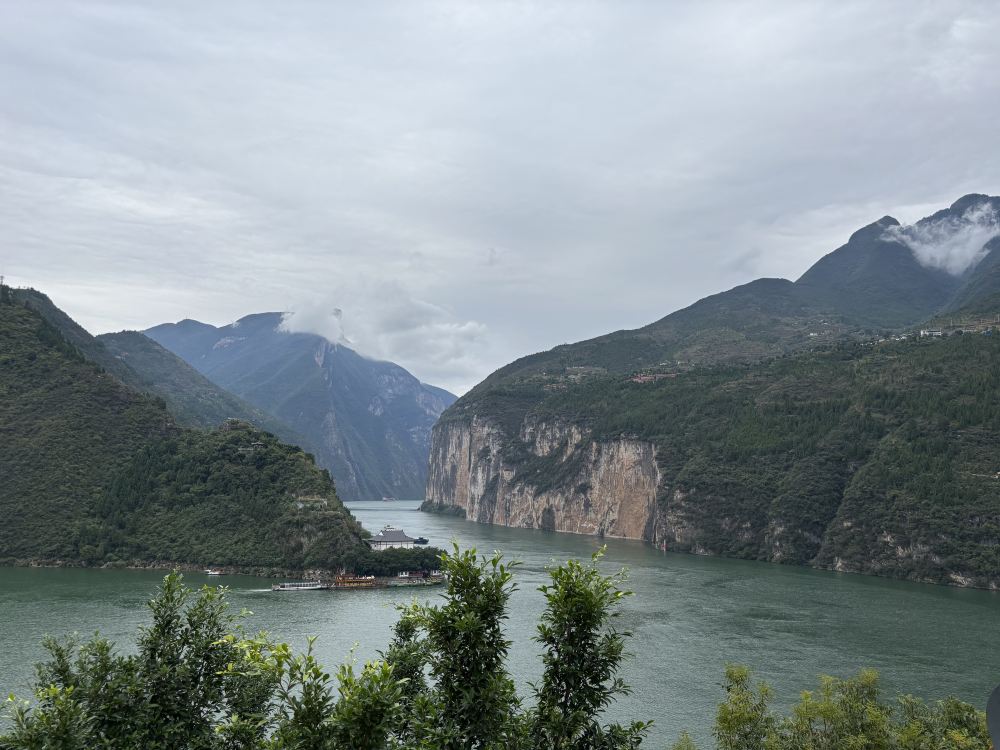
▲ Kuimen: Located at the western entrance of the gorge, where Chijia Mountain and Baiyan Mountain face each other, it is featured on the back of the fifth series of the CNY 10 banknote. Known since ancient times as "Kuimen, the most majestic under heaven," it served as the throat of Bashu and a strategic pass contested by military strategists throughout history. Every late fall, red leaves cover the mountains on both banks, making it the highlight section of the Three Gorges' red foliage;
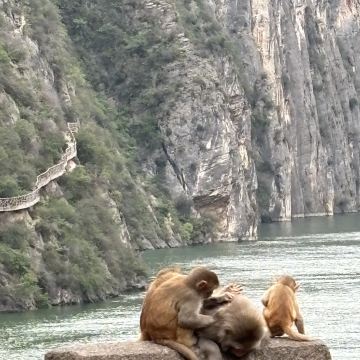
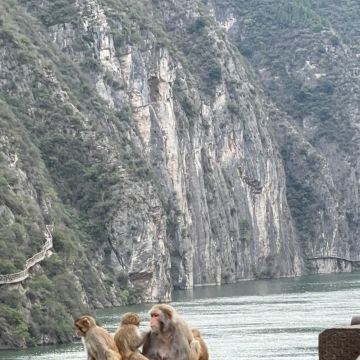

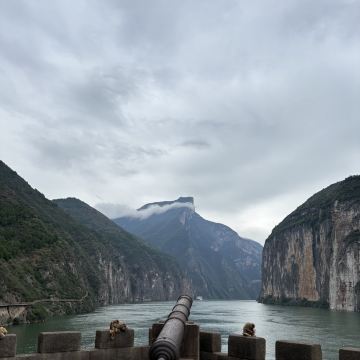
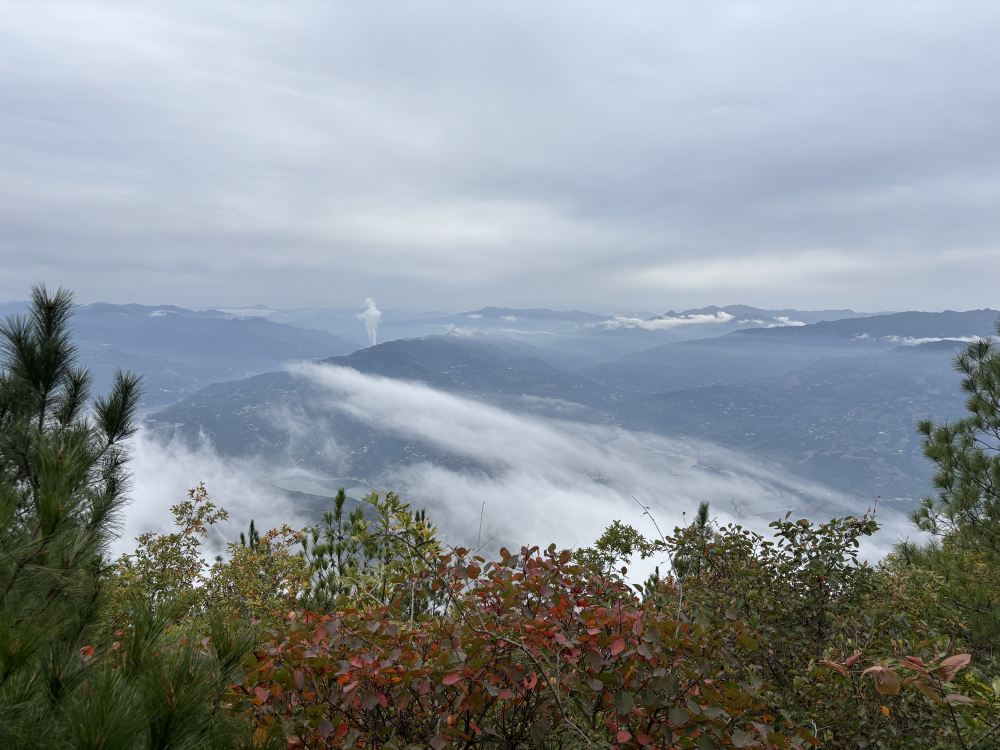
▲ Top of the Three Gorges: At the summit of Chijia Mountain, 1388 m above sea level, this is the highest geographical point of the Yangtze River's Three Gorges, located directly above Kuimen. It is a 4A attraction, and its name comes from Du Fu's line "Chijia and Baiyan both pierce the sky." It offers a god's-eye view overlooking Kuimen and Qutang Gorge, making it the spot to climb high and take in the full panorama.