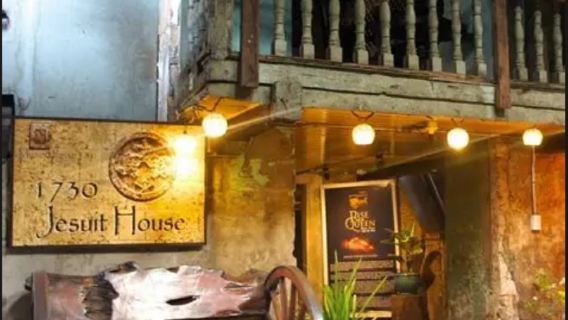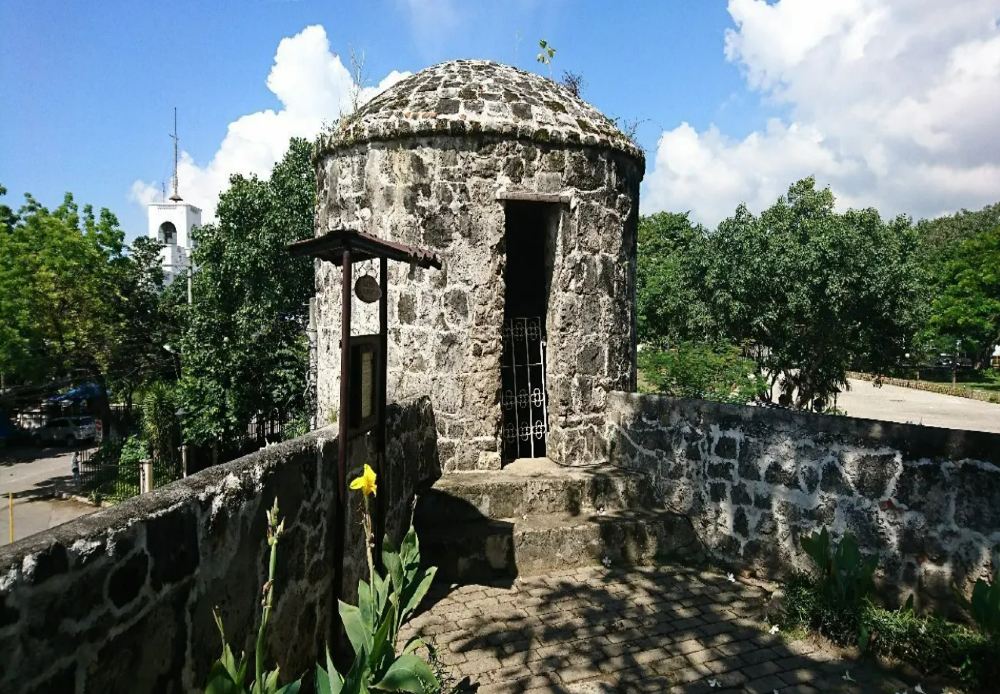
▲ Stop 1: Fort San Pedro The starting point for exploring Cebu's old town, a triangular stone fortress with the sea on two sides and land on one, broke ground in 1565 under the command of Miguel López de Legazpi, the first Spanish governor-general of the Philippines, and the existing stone main structure took its final form in the 18th century after multiple reconstructions. The coats of arms of Castile and León can still be made out on the stone carvings of the gate, and inside the fortress are preserved old cannons, a small exhibit of colonial-era artifacts, and three bastion courtyards filled with greenery—stepping inside feels much quieter than it looks from outside. The walls are made of coral stone bonded with lime, their surfaces mottled, with World War II bullet marks and repair traces left on them as well. The fortress is not large, and the main highlights can be seen in 20–40 minutes; exiting the fortress brings you directly to Plaza Independencia, and it's only about an 8-minute walk to Magellan's Cross, making for an extremely smooth route. Opening hours and admission tickets are subject to on-site notices.
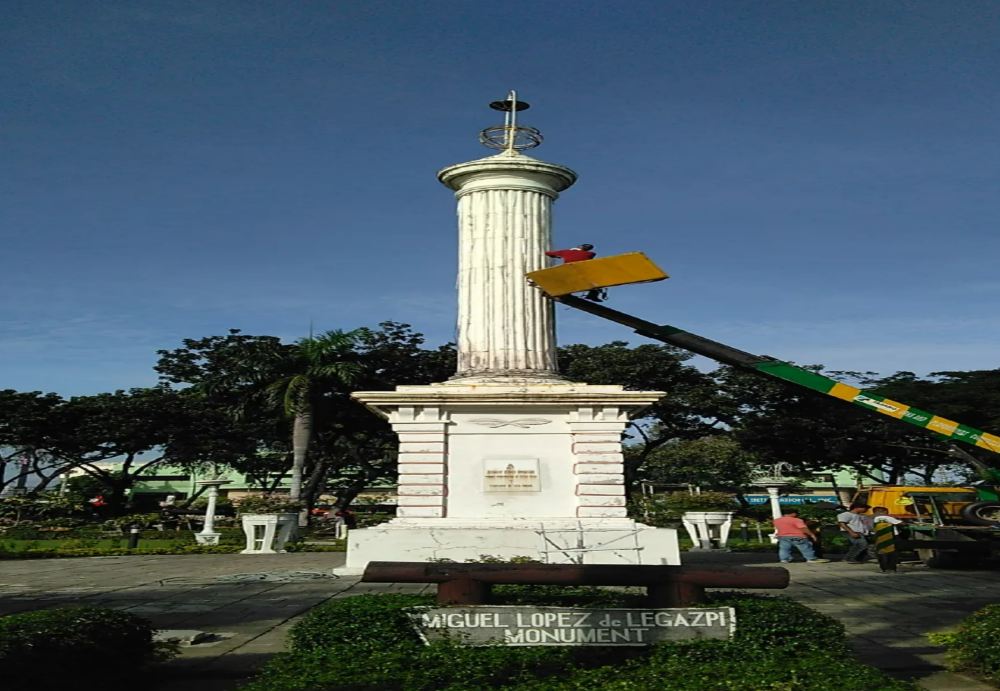
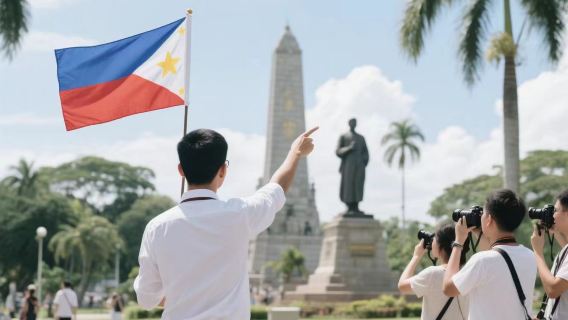
▲ Second stop: Plaza Independencia Plaza Independencia An open urban park surrounding Fort San Pedro, it serves as a natural buffer zone along the old town route. The lawns are neatly trimmed, several large banyan trees provide dense shade, pigeons pace along the ground year-round, and local families bring their children here in the afternoon to escape the sun. In the center of the plaza stands the Legazpi Monument, with its back facing the port, where you can see the everyday scene of cargo ships slowly entering and leaving Cebu Port; when the light softens in the evening, the fortress stone walls are dyed honey-colored, making it one of the best angles to photograph the fortress facade from the outside. It doesn't require a dedicated stop on its own, but it works perfectly as a midway point to "exit the fort—take a breather—walk to the cross," and 10 minutes is enough to walk a loop, while also giving you a gap to digest the historical information from the fort. It's free and accessible to all, with shaded seats distributed under the trees, making it a suitable resting spot for elders and children.
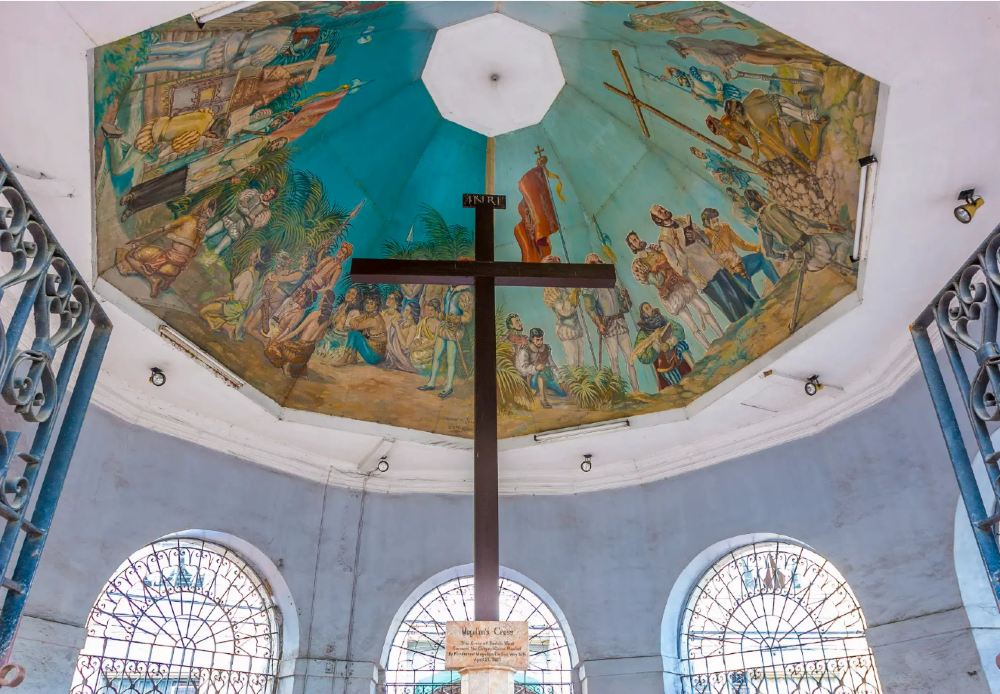
▲ Stop 3: Magellan's Cross Magellan's Cross A highly recognizable small attraction in Cebu's old town, located in the octagonal pavilion opposite City Hall. The pavilion roof is covered with red fish-scale tiles, and at its center stands a black wooden cross, its base clad in marble, with "INRI" carved at the top. What is truly worth looking up at is the dome inside the pavilion—the six arched walls are covered with colorful murals depicting Magellan's 1521 landing, baptism, and death in battle in the Philippines. The colors are vivid and the figures lifelike, making it a place where many visitors unexpectedly linger longer after entering. The cross itself is said to be the original brought by Magellan, preserved under a wooden casing. Local believers often pray here with palms pressed together; visitors need only keep quiet and avoid disturbing their prayers. The space is small and can be seen in 10 minutes, but it marks the starting point of Catholicism's introduction to the Philippines.
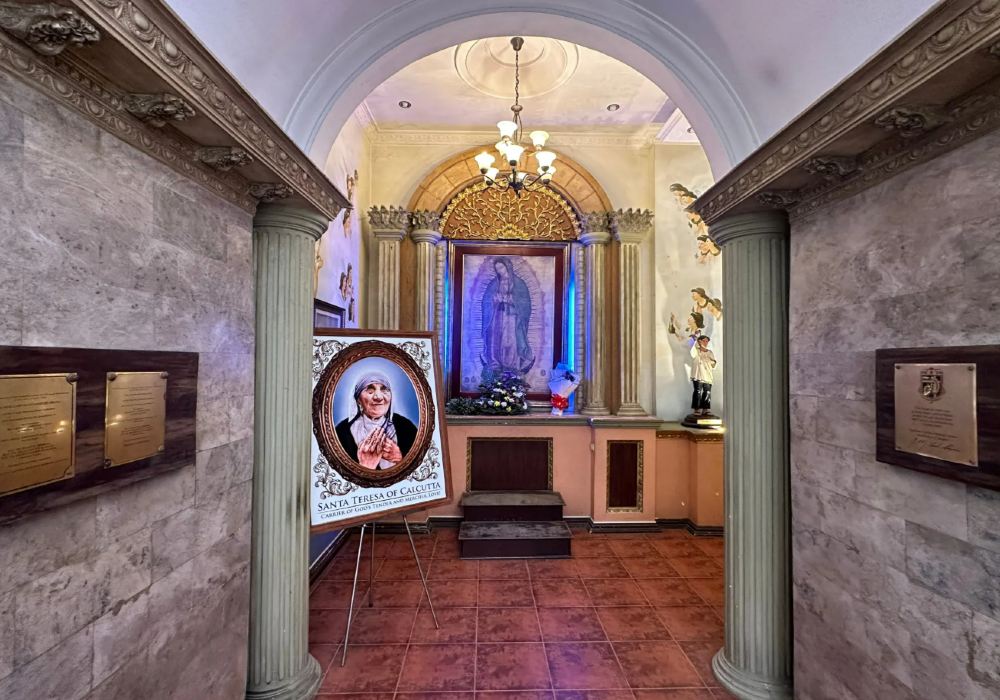
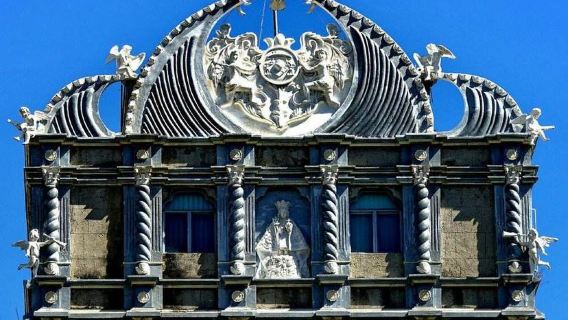
▲ Stop 4: Cebu Metropolitan Cathedral A Catholic church just a seven- or eight-minute walk from the Basilica del Santo Niño, its exterior is a gray-white stone Renaissance facade with two symmetrical bell towers, yet stepping inside reveals another kind of splendor—gilded coffered vaults, stained glass slicing light into patches that fall across the pews, and behind the main altar a full wall of carved wooden screens that is a rare piece of fine craftsmanship among Philippine churches. It is the cathedral of the Archdiocese of Cebu and is still in regular use; during Mass, believers kneel and pray, so visitors should soften their footsteps and turn off flash photography. The church has been damaged and rebuilt through several wars, and the current main structure reflects its mid-20th-century restoration, though the column bases and some walls still retain early stonework. Together with the nearby cross pavilion and the Basilica del Santo Niño, it forms a "three-point line of faith," with all three within less than 30 minutes' walking distance—a stretch of unusually high density along the old town's historical route.
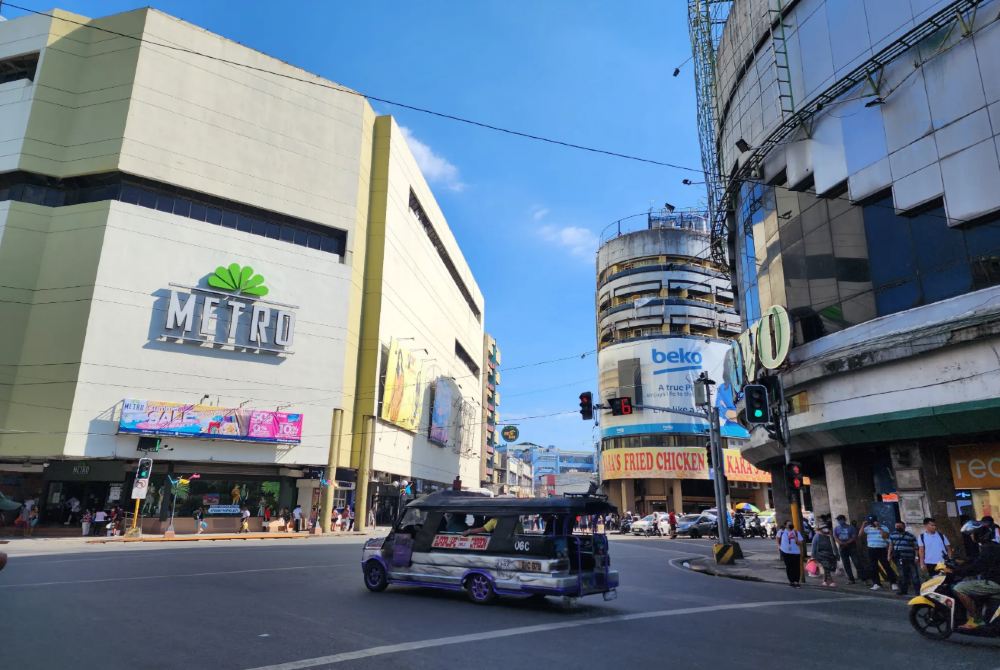
▲ Stop 5: Colon St Colon Street One of the earliest commercial streets to take shape in the Philippines, opened up by the Spanish in the 16th century, its name taken from Columbus. Today the road is not wide, with old and new arcade buildings mixed together, phone shops, fast-food chains, old-fashioned department stores, and cinema signs crammed into the same row, signs layered and power lines crisscrossing—it is the kind of bustling street that "looks messy but photographs beautifully." Daytime foot and vehicle traffic are both dense, and walking through it you can clearly feel the rhythm of local Cebu life—jeepneys honking as they weave through, roadside stalls selling dried mangoes and dried small fish, and next to an old-fashioned photo studio there might be a newly opened milk tea shop. It is not suited to leisurely browsing shop by shop, but rather serves as a "living street" experience along the way from the church area to the Carbon Market; 15–20 minutes to pass through is enough. It is crowded, so keep your phone and wallet close to your body, and try to travel with companions.
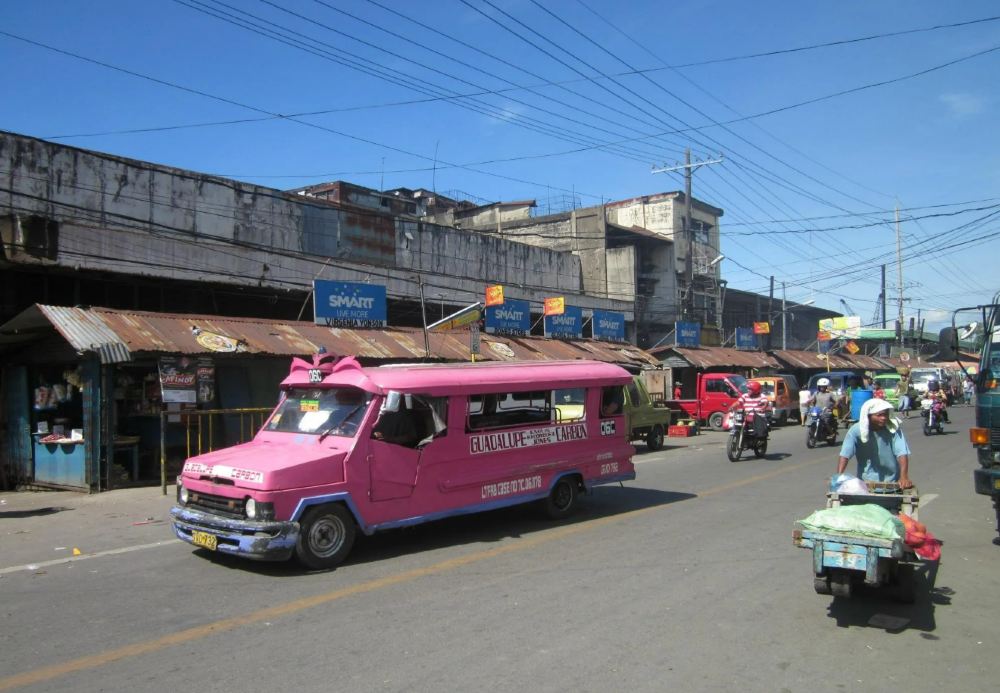
▲ Stop 6: Carbon Market Carbon Market The final stop on the old town route, and also a large farmers' market full of local Cebu life. From Colon St, continue walking southwest for approx. 10 minutes to reach it. Stalls stretch from fruits, vegetables, dried goods, and seafood all the way to daily sundries and handmade utensils. Mangoes, durians, rambutans, and mangosteens are piled in baskets on the ground, with prices far more affordable than shopping malls. The dried fish area has a strong smell; those who enjoy documentary street photography can shoot a whole roll of film here. The market is lively in both the early morning and at dusk, and relatively calmer at noon, making it perfect as the finale of a 1-day tour right when the evening crowd starts to build. The ground is not exactly clean but the main passage is walkable. The area is densely packed with locals, so keep your phone and wallet close, don't wander off alone, and just follow the tour leader along the main path. Stay 30–45 minutes; buying some dried mangoes as souvenirs is a great idea.