
Things to do in Hong Kong
Explore top experiences
Top 10 attractions in Hong Kong


Victoria Peak
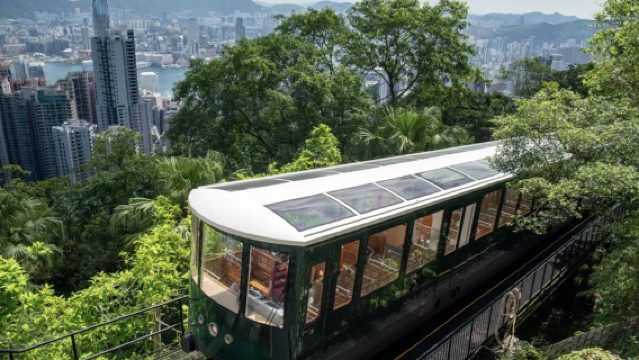
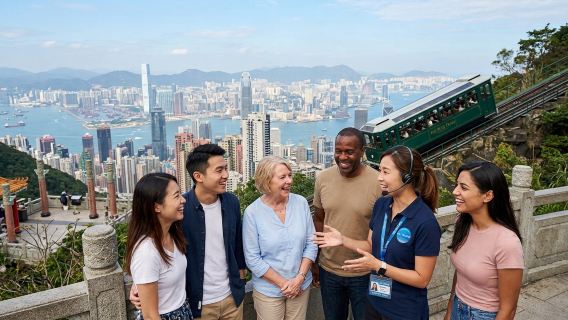
The peak cable car, together with HSBC insurance, proudly presents Hong Kong's highest 3D light and shadow spectacle — HSBC insurance "Lights up the peak" light show. The "Light up the peak" multimedia show takes the Peak Tower at Hong Kong's landmark Victoria Peak as its stage. Through a series of audiovisual feasts blending light and shadow art with urban cultural elements, it meticulously presents Hong Kong's diverse and unique urban charm, telling captivating stories of Hong Kong to both local residents and global tourists, showcasing its enduring prosperity and vitality. HSBC Insurance's "Peak of lights" light show will officially debut on June 13, bringing a new landmark nighttime attraction to Hong Kong. HSBC Insurance and the cable car hope to deliver a meaningful and inspiring experience to residents and visitors through this collaboration, while showcasing the brand's commitment. Everyone is invited to ascend Victoria Peak and personally experience this highest-altitude 3D light feast in Hong Kong. Time: 7:30 PM, 8:30 PM, 9:30 PM (three sessions nightly, approx. 10 min each) *Note: The performance time schedule may change due to weather conditions or seasonal adjustments. Please stay tuned. Follow the peak cable car official website and social media platforms for the latest updates. In addition to the HSBC insurance "Peak of lights" light show, HSBC insurance and the cable car have also meticulously set up photo spots at the Sky Terrace 428 viewing platform, allowing visitors to take photos with the characters as a memento. The nine distinctive display panels on the viewing platform each showcase different scenes from the light show, where visitors can join Stephen, Stitt, and Peak Jai to step into these city hotspots and feel the vibrancy of Hong Kong. Furthermore, Sky Terrace 428 also features a specially crafted 3D installation that brings together various Hong Kong elements such as iconic neon signs, traditional dim sum, and the classic cable car; visitors can take photos with Stephen, Stitt, and Peak Jai, who are dressed in limited-edition outfits featuring Hong Kong characteristics, to fully enjoy the photo experience—don't miss it. Victoria Peak on Hong Kong Island is the highest point on the island, offering a broad view that allows you to gaze at Lantau Island in the distance, overlook the panoramic scenery of Hong Kong, and admire the layered skyscrapers and the night view of Victoria Harbour. Combined with the Sky Terrace 428 at the Peak Tower and the Peak Tram, it has become a major tourist attraction in Hong Kong and one of its iconic landmarks. △ Taking the Peak Tram is a way to explore Hong Kong, with millions of travelers enjoying the urban and natural scenery from a spectacular angle every year. △ The Peak Tower Sky Terrace 428 is the highest observation deck in Hong Kong, offering you a breathtaking visual experience whether it's day, dusk, or night, allowing you to fully enjoy the urban scenery and unique charm. △ The fun time photo gallery is located on the 2nd floor of the Peak Tower, featuring 22 meticulously designed themed scenes with professional studio lighting and diverse elements, allowing you to experience a large-scale selfie gallery in a self-portrait format. △ Madame Tussauds Hong Kong features over 100 celebrity wax figures from around the world and offers multi-sensory displays, including the first-ever augmented reality holographic experience of Hong Kong's popular singer-songwriter Jackson Wang. △ Rich man dream world is located at Victoria Peak in Hong Kong, bringing the classic elements of the board game to life, allowing everyone to become a rich man. Welcome to the dream worldHong Kong · 5.5 km from downtown

Victoria Harbour
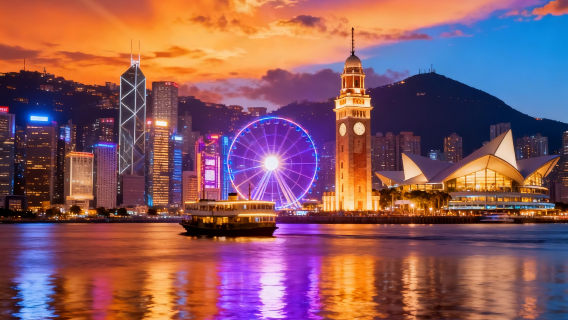
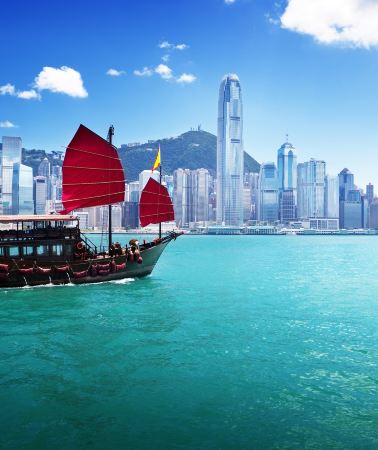
• Charming sea views and night views make it a must-see for tourists visiting Hong Kong • Take a cruise to enjoy the Victoria Harbor scenery from a unique perspective • You can also enjoy a large-scale light and music show amid the beautiful night view △ After nightfall, the lights of thousands of houses reflect each other, and the night view of Victoria Harbor is ranked as one of the "three major night views in the world" along with Hakodate and Naples. △ The large-scale light show "A Symphony of Lights" held at 8 o'clock every night in Victoria Harbor is worth looking forward to. More than 40 buildings are accompanied by rhythmic music, and the colorful and dancing lights are dazzling. △ Every New Year's Eve and the second night of the Lunar New Year, a grand fireworks display is held in Victoria Harbor.Hong Kong · 3.7 km from downtown

Hong Kong Macau Ferry Terminal
The Hong Kong Macau Ferry Terminal is a ferry terminal and heliport, centrally in Sheung Wan on Hong Kong Island. Taking a ferry is by far the most popular way to travel between Hong Kong and Macau, and one of the most convenient ways to travel between Hong Kong and certain parts of mainland China. The Hong Kong Macau Ferry Terminal is the main departure and arrival point for cross-border ferry service in Hong Kong. There are a number of shops and restaurants located within the terminal building, making this a convenient launching point for your tour around the Pearl River area.Hong Kong · 3.8 km from downtown

Tsim Sha Tsui
Tsim Sha Tsui is located at the southern tip of the Kowloon Peninsula. It abuts Victoria Harbour and lies just across the water from Hong Kong Island. Shopping is a major attraction in Tsim Sha Tsui with many luxury brands lining the streets. Attractions include Kowloon Park, the Hong Kong Culture Centre, the Hong Kong Space Museum, and the Hong Kong Museum of Art. The areas next to Victoria Harbour offer stunning views of Hong Kong Island and the central business district. Owing to its popularity and location, there is lots to see and do in Tsim Sha Tsui.Hong Kong · 2.7 km from downtown

Lantau Island
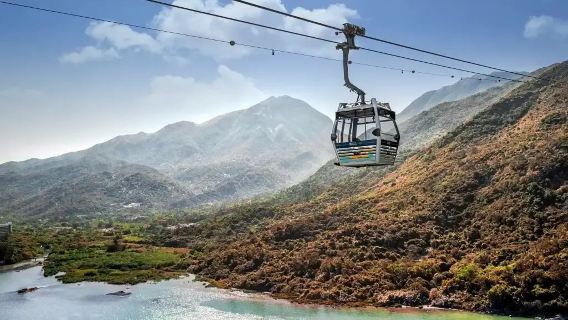
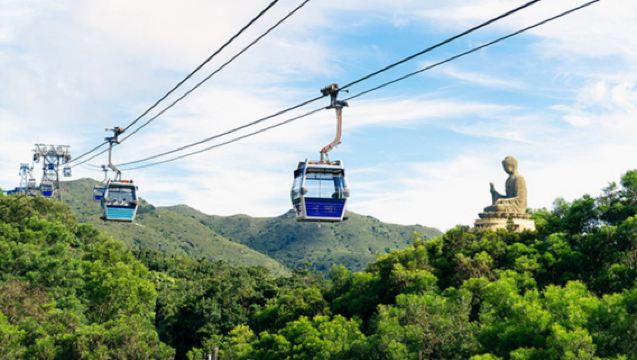
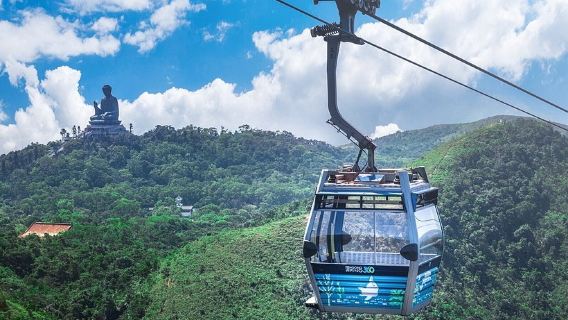
• Lantau Island, known as Hong Kong's “back garden”, is an oasis in Hong Kong with magnificent natural scenery and rich cultural heritage • The bottom of the crystal carriage of the Ngong Ping Cable Car is transparent, allowing you to enjoy the scenery 360 degrees • Lantau Island also has some ancient temples and temples, displaying Hong Kong's traditional culture and religious beliefs △ The area of Lantau Island is equivalent to two Hong Kong Islands. Whether it is shopping and leisure, hiking and watering, fishing village style, Zen temples and dream paradise, you can find it all here. The popularity of tourists here has been increasing in recent years. △ The bottom of the crystal carriage of the Ngong Ping Cable Car is transparent, allowing you to enjoy the scenery 360 degrees. From the cable car, you can overlook the Hong Kong cityscape behind you and the green mountain scenery of Lantau Island. △ The Tian Tan Buddha is 34 meters high. Its face is similar to the Lushena Buddha in Longmen Grottoes. It has a solemn appearance and is the second largest outdoor bronze seated Buddha statue in the world.Hong Kong · 23.7 km from downtown

Lan Kwai Fong
Want to experience Hong Kong's nightlife? Lan Kwai Fong is a must-visit destination! Packed with restaurants and bars, Lan Kwai Fong is loved by both locals and tourists for its delicious food, fine drinks, and lively atmosphere. To enjoy a wonderful evening at Lan Kwai Fong, start with happy hour at a street-side bar for a drink, then head to a restaurant to savor international cuisine. During late nights and weekends, Lan Kwai Fong becomes even more vibrant, with bustling street-side bars, underground clubs pumping out energetic music, and upscale bars hidden in high-rise buildings, all packed with enthusiastic patrons. Lan Kwai Fong also hosts a series of festive events, such as the annual "Lan Kwai Fong Summer Beats Music Festival" and Halloween street parties, ensuring non-stop revelry throughout the night.Hong Kong · 4.6 km from downtown

Causeway Bay
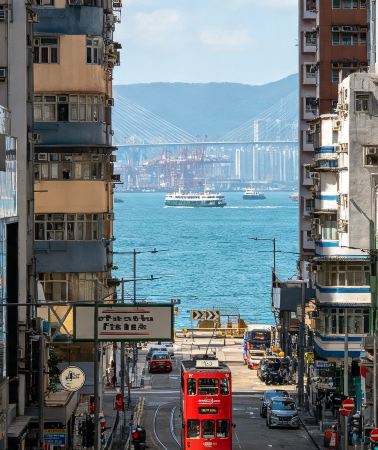
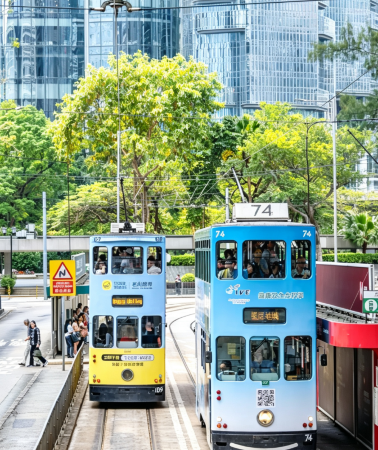
Causeway Bay is located in the heart of the city and is a bustling commercial district that combines shopping, dining, and entertainment. Large shopping malls like SOGO and Times Square are within walking distance of each other. The area around Russell Street and Paterson Street features a district of trendy boutiques, where you can find everything from international brands to local trendy labels. Double-decker Ding Ding trams travel back and forth on the street. Sitting in a window seat on the upper deck, you can view the streetscape of this bustling Hong Kong Island district from above. Beyond shopping, this place also has a quiet side amidst the hustle and bustle. Victoria Park, located next to the commercial district, is a rare large green space on Hong Kong Island, complete with lawns, sports courts, and walking paths, making it a great place to rest after shopping. Not far away, the Tin Hau Temple, Causeway Bay offers a different scene. The east bank of the bay was formerly known as Salt Pan Bay. In the 18th century, the Tai family built the "Salt Pan Bay Red Incense Burner Temple" here, which is today's Tin Hau Temple, Causeway Bay, and the ancient temple remains to this day. The area around Lockhart Road and Jaffe Road is dense with restaurants and bars, remaining lively after dark. There are plenty of options if you want a late-night snack or a drink.Hong Kong · 4.9 km from downtown

Avenue of Stars HK
The Avenue of Stars, modeled on the Hollywood Walk of Fame, is located along the Victoria Harbour waterfront in Tsim Sha Tsui. It honors celebrities of the Hong Kong film industry. The Avenue of Stars is the eastern node of several tourist attractions on the Tsim Sha Tsui waterfront. Along the 440 m promenade, the story of Hong Kong's one hundred years of cinematic history is told through inscriptions printed on nine red pillars. Set into the promenade are plaques honoring the celebrities. The Avenue of Stars commands a stunning panoramic view across Victoria Harbour. At night it is a popular viewing place for the Symphony of Lights display.Hong Kong · 3.4 km from downtown

Central
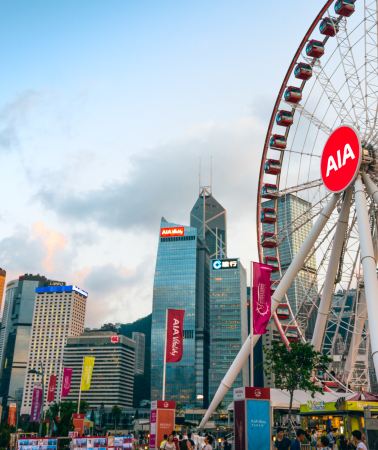
Central is located in the Central and Western District of Hong Kong. It is the political and commercial center of Hong Kong. Many banks, multinational financial institutions and foreign consulates are located here. The Hong Kong Government Headquarters, the Legislative Council Building, and the former Governor's Office (now called Government House) are also located here. The landscape of Central is a mixture of old buildings and modern high-tech buildings. Old buildings such as Legislative Council Building and modern buildings such as Bank of China Building and IFC International Financial Center have become iconic attractions in Hong Kong, forming a beautiful and spectacular urban landscape on Hong Kong Island. Central develops along the foot of the mountain to the top of the mountain. Many streets have to climb slopes or stairs, such as Stone Street, and Gas Lamp Street, which has appeared in TVB TV series countless times. The famous scenic spot here is the Peak of Taiping, and the well-known covered Escalator - Central to Mid-levels escalator. In addition, Lan Kwai Fong, a good place for Hong Kong nightlife, is also located in a short, narrow, L-shaped and cobblestone alley between Wyndham Street and D'Aguilar Street in Central. There are many large shopping malls in Central. The Landmark, Alexandra Building, Chater Building and Prince's Building form a well-known shopping circle. There are also many well-known restaurants. Kee Restaurant and Lianxiang Lou are all recommended delicacies, and they are also very popular, so be prepared to queue.Hong Kong · 4.7 km from downtown

West Kowloon Cultural District
West Kowloon Art Park presents Hong Kong's grand and diverse Christmas celebrations to join in the festive joy • Celebrate the festive season at the "West Kowloon Christmas Market" and shop for global festive delicacies and hand-picked Christmas gifts with your family, friends and furry kids • Admire the Hong Kong Tourism Board's enlarged Christmas town and giant Christmas tree • Participate in "HSBC Life The Big Bounce World Tour Hong Kong Station" the world's largest inflatable bounce party (November 22, 2024 - Hong Kong) The winter festival is approaching, and the West Kowloon Cultural District (West Kowloon) sincerely invites the public to visit the Families, relatives, friends and furry children come to participate in the grand and diversified Christmas celebrations in Hong Kong "West Kowloon Colorful Christmas". The "West Kowloon Christmas Market" will be launched on November 22, 2024 (Friday). During the first three weekends (Friday to Sunday), six specialty stalls will be opened on the Central Lawn of the Art Park Waterfront; starting from December 12 (Friday), the market will expand to more than 30 specialty stalls located on the Art Park Waterfront. The seafront platform opposite the East Lawn and M+. The "West Kowloon Christmas Market" offers a variety of global holiday delicacies and selected Christmas gifts. Surrounded by the charming Victoria Harbor views and green lawns of the West Kowloon Art Park, visitors can immerse themselves in the dazzling holiday lights and enjoy the melodious atmosphere. Enjoyable live music and performances. In addition to the Christmas market, visitors should not miss the "Hong Kong Colorful Winter Parade" organized by the Hong Kong Tourism Board (HKTB) from November 22, 2024 to January 1, 2025 at the West Lawn of the Waterfront. The giant bright Christmas tree that stands more than 20 meters high in the enlarged version of Christmas Town will be transformed into a giant canvas this year, and projections of different winter festival scenes will be added to add to the festive atmosphere. The over 10,000-square-foot Christmas Town will open on November 22. The HKTB will also stage a total of four "Winter Harbor Fireworks" on the opening day and from December 24 to 26, shining with dazzling colors on Victoria Harbor. port. The world's largest inflatable bounce party "HSBC Insurance The Big Bounce World Tour Hong Kong Station" will be held for the first time on December 21, 2024 on the lawn of West Kowloon Art Park, bringing a new outdoor bouncing experience to everyone of all ages. West Kowloon is the first stop in Asia for The Big Bounce World Tour Party. The venue will feature four uniquely designed super-giant inflatable play areas, including the "World's Largest Inflatable Castle" and the longest inflatable obstacle course in Hong Kong. There are multiple exclusive events throughout the day, including parent-child events during the day, and a night bounce party for people aged 16 and above in the evening. Each night brings an exciting lineup of special guests and themes, inviting the public to join in the "day fun." Dance the night away” to celebrate the festival. "West Kowloon Colorful Christmas" event highlights 1. West Kowloon Christmas Market: Visitors can purchase a variety of global holiday delicacies and selected Christmas gifts at the special stalls, bringing a pleasant holiday experience to the whole family and furry children. There will also be live music and performances on designated days and times Time: The first phase is from November 22 to 24, November 29 to December 1, and December 6 to 8 (9 days in total) 14:00–21:00 Phase 2 # December 12 to 23, and 27 to 29, 2024 (15 days in total) 14:00–21:00 December 24 to 26, 2024 (3 days in total) 14:00–23:00 #The actual opening hours will be announced later Location: The first phase of the art park, the middle lawn of the seafront, the second phase of the second phase of the art park, the east lawn of the seaside and the seaside platform opposite M+ 2. HKTB's “Hong Kong Colorful Winter Tour”: Visitors can immerse themselves in an enlarged version of the Christmas Town, with winter scenery presented with dazzlingly colored Christmas gifts and a giant Christmas tree. Time: November 22, 2024 to January 1, 2025 Location: West Lawn, Waterfront, Art Park 3. "HSBC Insurance The Big Bounce World Tour Hong Kong Station": Friends of all ages can participate in the world's largest inflatable bounce party, with bubble parties and DJs on site. It is a family-friendly event during the day, and a night bounce party for people aged 16 and above in the evening, with special guests and themes. Time: December 21, 2024 to January 5, 2025 10:00–23:10 (divided into time periods) Location: Art Park Lawn Cultural and artistic programs and activities During the Christmas period, a series of art and cultural activities will be held at different locations in West Kowloon. Visitors will not only appreciate culture and art, but also enjoy an exciting and unforgettable Christmas experience. Art lovers can visit the two museums in West Kowloon to view exhibitions. "When the Forbidden City Meets Versailles - Sino-French Cultural Exchanges in the Seventeenth and Eighteenth Centuries" at the Hong Kong Palace Museum will be open to the public on December 18, while visitors to M+ can visit "I.M. Pei: How Life Is Like" Architecture" and "Guo Pei: Artistic Imagination" are two special exhibitions. Visitors can also enjoy weekend street performances curated by the West Kowloon Performing Arts Office, as well as other cultural activities held in West Kowloon. By Zhanyi. Asia. The global touring exhibition "Rebirth from the Ashes - Notre Dame Cathedral Augmented Reality Immersive Experience Exhibition" organized by Hong Kong (Visionairs) will open at the West Kowloon Art Park on December 8, 2024. The exhibition is presented by digital heritage specialist Histovery in partnership with the Public Restoration Institute of Notre Dame, with support from the L'Oréal Group, and will be staged on the occasion of the reopening of Notre Dame de Paris. Through innovative technology, the exhibition allows viewers to experience the unique architectural treasure of Notre Dame in a high-definition historical landscape. When Notre Dame Cathedral suffered a fire and reopened after five years of restoration, visit this architectural gem, rich in historical and cultural significance. The "2024 UOB Ink Art Festival" will be held at the Art Pavilion and the High Lawn of the Art Park from December 13 to 29, 2024, presenting Hong Kong's premier ink art celebration to the audience. Title-sponsored by United Overseas Bank (Hong Kong), and hosted and fully instigated by UOB's Art Workshop, the Ink Art Festival will host a variety of exciting activities, including an exhibition of winning works from the 2024 UOB Annual Ink Art Awards , art workshops, ink painting thematic forums, music performances, interactive installations and the Hong Kong "Ink Painting Garden" carnival, showing the perfect integration of interactive games and art 1. "Rebirth from the Ashes - Notre Dame Cathedral Augmented Reality Immersive Experience Exhibition" Coinciding with the reopening of Notre Dame Cathedral this month, visitors can visit the exhibition. Asia. Notre Dame Cathedral Augmented Reality Immersive Experience Exhibition held by Visionairs in Hong Kong Time: December 8, 2024 to March 7, 2025 Location: GF01-03, Ground Floor, Art Park 2. 2024 UOB Ink Art Festival" Visitors can visit a series of exciting and rich activities, including the 2024 "UOB Annual Ink Art Awards" exhibition and the Hong Kong "Ink Painting Garden" carnival, which showcase the perfect integration of interactive games and art. Time: December 13-29, 2024 Location: Art Pavilion and Art Park High Lawn *For event details, please refer to the announcement by the organizer of the program or event. New concept store and limited-time “West Kowloon Spending Rewards” A number of new food and beverage concept stores have been launched in Art Park, providing visitors with more diverse dining options, including %Arabica's specialty coffee, Honbo's signature burgers and hot dogs, Tiger Hall's delicious bubble milk tea, and local convenience store brand 852 Eight Five Two's light snack. Designated catering and retail stores in the West Kowloon Cultural District will also provide surprise shopping experiences during the Christmas period. If you spend a designated amount via electronic payment on the same day (up to four receipts from different stores can be accumulated), you can redeem HKD 50 or HKD 100 yuan cash coupon. Please visit the West Kowloon Cultural District website for details. M+ 2024 Christmas Gift Series M+ Store presents a series of festive gifts for museum visitors, allowing everyone to share the joy with their loved ones. The selection includes exquisite Christmas gift baskets bringing high-quality food from Grand Hyatt Hong Kong and exquisite M+ merchandise, as well as Christmas stocking sets to add joy to the holiday. ### Editor's Note About the West Kowloon Cultural District The West Kowloon Cultural District is one of the largest cultural projects in the world. The vision is to create a colorful place for Hong Kong on 40 hectares of reclaimed land adjacent to Victoria Harbour. A colorful new cultural zone. The cultural district houses various theaters, performance spaces and museums that produce and hold exhibitions, performances and cultural and artistic activities; it will provide 23 hectares of public space, including a two-kilometer long waterfront promenade.Hong Kong · 2.6 km from downtown
Experiences you can't miss in Hong Kong
Featured Spa & wellness in Hong Kong
View all Spa & wellness
FromPKR 47,611.94

Instant confirmation
Book now for today
FromPKR 42,289.14
![[Korean Beauty Recommendations] TONYBLACK Korean Beauty and Massage Treatments by TONYMOLY | Facial Care | Body Massage | Private Steam Spa Experience | Tsim Sha Tsui. Causeway Bay](https://ak-d.tripcdn.com/images/0353912000tk2aqso63ED_C_568_320.jpg?_fr=wc)
FromPKR 20,737.65
3.0/5
· 1 reviewInstant confirmation
FromPKR 31,318.08

Featured Outdoor experiences in Hong Kong
View all Outdoor experiences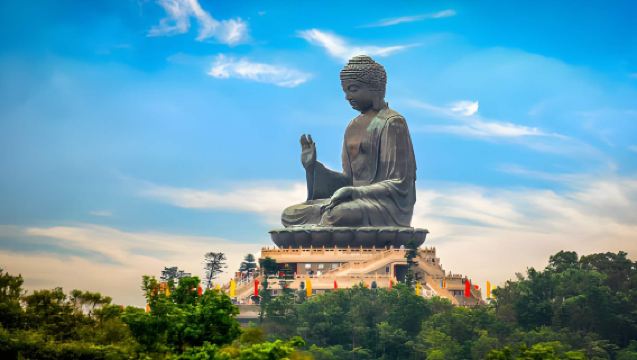
4.7/5
· 7 reviews· 59 bookedFree cancellation
Instant confirmation
Book now for today
FromPKR 30,330.57
4.6/5
· 15 reviews· 794 bookedBook now for today
37 bookings in 7 days
FromPKR 3,058.06
![Hong Kong Victoria Peak Combo Ticket [The Peak Tram & Sky Terrace 428]](https://ak-d.tripcdn.com/images/0352q12000hrxfgip76D7_C_568_320.jpg?_fr=wc)
4.0/5
· 9 reviews· 363 bookedFromPKR 5,999.18
FromPKR 7,654.12
![Shenzhen HUAFA QIANHAI SNOW WORLD [official certified snowboard/ski instructors] official certified instructors](https://ak-d.tripcdn.com/images/0356u12000rizbup307C6_C_568_320.jpg?_fr=wc)
4.9/5
· 26 reviews· 227 bookedFree cancellation
Instant confirmation
Book now for tomorrow
23 consecutive positive reviews
FromPKR 65,742.66

5.0/5
· 1 reviewFree cancellation
FromPKR 49,565.58
![[Hong Kong Sai Kung Yacht Charter] 60ft UK-imported yacht rental in Sai Kung (capacity 1~31 people) group sea outing [Karaoke + paddleboard + lunch] water party](https://ak-d.tripcdn.com/images//0585212000n34xix8DBF9_C_568_320.jpg?_fr=wc)
FromPKR 314,799.17
![[Hong Kong Yacht Charter] Wake Surfing at Repulse Bay "Surfer's Paradise" - Rentals Starting from 2 hrs](https://ak-d.tripcdn.com/images//0584q12000n34d32yDBC0_C_568_320.jpg?_fr=wc)
FromPKR 76,451.23
Featured Day tours in Hong Kong
View all Day tours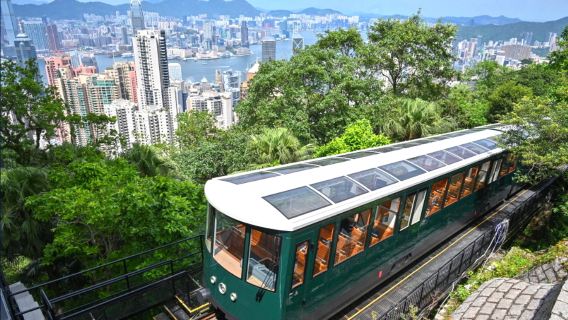
4.7/5
· 29 reviews· 648 bookedFree cancellation
Instant confirmation
Book now for today
123 travelers saved
FromPKR 21,160.87
4.3/5
· 4 reviews· 133 bookedFree cancellation
Instant confirmation
Book now for tomorrow
FromPKR 12,049.94

4.0/5
· 23 reviews· 521 bookedFree cancellation
Instant confirmation
Book now for tomorrow
148 travelers saved
FromPKR 19,103.56
3.0/5
· 4 reviews· 51 bookedFree cancellation
Instant confirmation
Book now for today
FromPKR 19,985.26
5.0/5
· 4 reviews· 137 bookedFree cancellation
Instant confirmation
Book now for today
FromPKR 18,221.86
72 booked
Book now for tomorrow
FromPKR 20,604.06
4.0/5
· 4 reviews· 306 bookedFree cancellation
Instant confirmation
Book now for tomorrow
FromPKR 14,890.98
Featured Travel photography in Hong Kong
View all Travel photography
FromPKR 3,640.88
![Hong Kong travel photography[Global Hong Kong travel photography: Central and Shek O Village photographer for couple wedding photoshoots, Hong Kong style portraits, and photo sessions]](https://ak-d.tripcdn.com/images/0354612000p006s7qB8D1_C_568_320.jpg?_fr=wc)
FromPKR 26,892.85
![Hong Kong travel photography[Disney Photo Shoot | Includes Photographer's Ticket + All Digital Photos + Full Color Grading + 2-Day Photo Delivery | Snapro]](https://ak-d.tripcdn.com/images/0356z12000nll45xuCC02_C_568_320.jpg?_fr=wc)
FromPKR 46,385.23
![Hong Kong Trip Moments[Marriage Certificate Photo Shoot/Registration + Chinese Communication + Approximately 100 Photos + Full Color Grading | Snapro Photography]](https://ak-d.tripcdn.com/images/0350t12000ridgll4D5F4_C_568_320.jpg?_fr=wc)
![Hong Kong Trip Moments[Photography location shooting, translation, promotional videos, micro films, documentaries, video production, editing, follow-up shooting, aerial photography]](https://ak-d.tripcdn.com/images/0352212000dkt3xkj5D25_C_568_320.jpg?_fr=wc)
FromPKR 35,977.06
Free things to do in Hong Kong
Victoria Peak
Hong Kong · 5.5 km from downtownVictoria Harbour
Hong Kong · 3.7 km from downtownHong Kong Macau Ferry Terminal
Hong Kong · 3.8 km from downtownTsim Sha Tsui
Hong Kong · 2.7 km from downtownLantau Island
Hong Kong · 23.7 km from downtownLan Kwai Fong
Hong Kong · 4.6 km from downtownCauseway Bay
Hong Kong · 4.9 km from downtownAvenue of Stars HK
Hong Kong · 3.4 km from downtownCentral
Hong Kong · 4.7 km from downtownWest Kowloon Cultural District
Hong Kong · 2.6 km from downtown
More ways to travel from Hong Kong
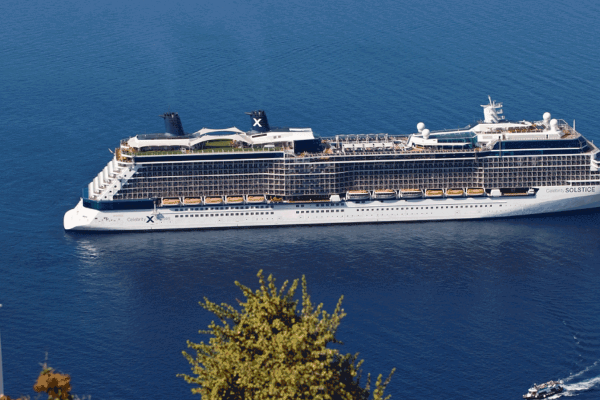
Hong Kong cruises
See all cruises





Private Tours in Hong Kong
View More Private Tours in Hong Kong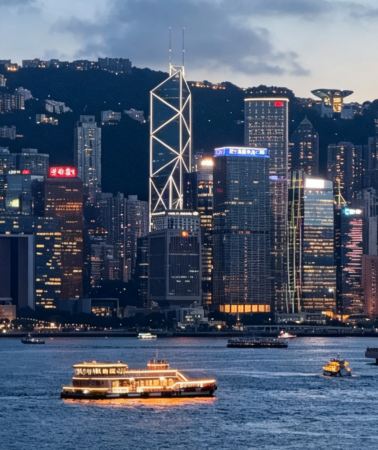




Group Tours in Hong Kong
View More Group Tours in Hong Kong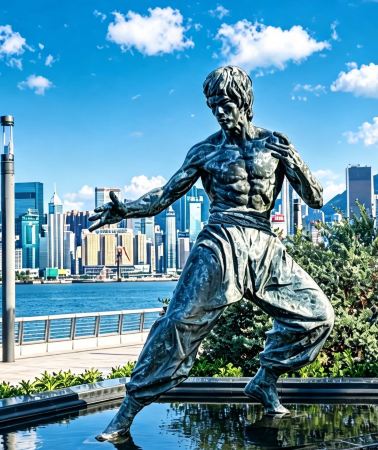
What travelers say about Hong Kong

Jolin丽丽猪October 4, 2026
4.0
The observation deck should have a limit on the number of people allowed in. This way, the money spent will be worthwhile and the effect will be good. Too many people make it unbearable to be crowded, and there are also safety issues. The Red Diamond Pass basically doesn't require waiting time during peak hours, which is great. The night view from Victoria Peak is indeed amazing!
Victoria Peak

Anonymous userOctober 6, 2026
4.0
Take the ferry from Central Pier 9, which circles Victoria Harbour before disembarking at Tsim Sha Tsui Pier. The 5:30 PM ferry offers sunset views, and upon arrival, the harbor lights up, providing a beautiful night view of Victoria Harbour. The journey takes 45 minutes and includes a complimentary drink—wine, champagne, juice, or cola. It costs 240 RMB per person, which is a bit pricey.
Victoria Harbour

vv-ooSeptember 28, 2026
5.0
🚢Hong Kong-Macau Ferry Terminal | Sea Route Between Sheung Wan and Macau
The Hong Kong-Macau Ferry Terminal in Sheung Wan offers a convenient way to travel to Macau by TurboJet. While the terminal facilities are somewhat old, the signs and gate markings are clear, making it easy to navigate.
Tickets can be purchased online in advance. Use the QR code to enter the gate and obtain your paper ticket through manual seating. It's recommended to arrive at the terminal 30 minutes early to allow time for security checks and immigration. Arrive even earlier during peak seasons.
The waiting hall has ample seating, a pharmacy, and a convenience store for quick refreshments. The large red TurboJet ships are easily recognizable, and the journey takes approximately one hour. Be aware that the ship can rock significantly in rough seas, so those prone to seasickness should bring medication.
Two destinations are available: Taipa, Macau, and the Outer Harbour. With numerous departures, it's a classic mode of transport for short trips between Hong Kong and Macau. The journey is generally smooth and relatively unobstructed, making it the most convenient way to travel between Hong Kong and Macau.
Hong Kong Macau Ferry Terminal

天有情月常圆December 7, 2025
5.0
Tsim Sha Tsui, a bustling area at the southern tip of the Kowloon Peninsula, is renowned for its abundant shopping options, diverse cultural attractions, and stunning views of Victoria Harbour, making it a popular destination for tourists exploring Hong Kong.
Geography and Historical Background: Located at the southern tip of the Kowloon Peninsula, Tsim Sha Tsui is bordered to the north by Austin Road and Hong Kong Island, facing Central and Wan Chai across Victoria Harbour. Its name originates from the Ming Dynasty, derived from the transshipment of spices from Dongguan via this area, hence the name "Xiangbu Tou" (香婗头). After being ceded to Britain in 1860 under the Treaty of Beijing, it gradually developed into a commercial center. Today, Tsim Sha Tsui has expanded its land area through reclamation, but it still retains a blend of history and modernity, such as the 1881 Heritage historical building complex and the multicultural coexistence of Chungking Mansions.
Main Attractions and Cultural Activities:
Avenue of Stars: Built along the Victoria Harbour waterfront promenade, it features handprints and plaques of film stars such as Bruce Lee and Jackie Chan. The "A Symphony of Lights" light and music show can be enjoyed every night at 8 pm. Cultural Venues: Home to facilities such as the Hong Kong Cultural Centre, Hong Kong Space Museum, Hong Kong Museum of Art, and Hong Kong Museum of History, it's ideal for family trips and art enthusiasts.
Kowloon Park: An oasis in the bustling city, featuring a swimming pool, sculpture gallery, and bird lake, it's a popular leisure spot for locals.
Festivals: During Christmas, New Year's Eve, and the National Day fireworks display, the Tsim Sha Tsui waterfront plaza attracts large crowds, becoming the heart of the celebrations.
Shopping and Dining Experiences
Shopping Paradise: Tsim Sha Tsui boasts large shopping malls such as Harbour City (one of Hong Kong's largest shopping centers), DFS Duty Free, and SOGO Department Store, covering luxury goods, trendy clothing, and duty-free products. Granville Road is characterized by its affordable trendy shops and Lung Shing Pharmacy (a cosmetics discount store).
Diverse Dining: From Hong Kong-style tea restaurants (such as Lan Fong Yuen's milk tea) to international cuisine (Knutsford Terrace's various restaurants), Tsim Sha Tsui caters to diverse tastes. The Korean restaurants on Kimberley Street and the upscale eateries on Hillwood Road are also highly regarded.
Tsim Sha Tsui

_TI***jrAugust 6, 2026
5.0
Traveling alone, I wanted to enjoy the scenery in peace and quiet, and what I hated most was being bombarded with conversation. This hotel's service was perfectly suited to my comfort zone. True quality is revealed in the details; their meticulous service embodies the highest level of hospitality. During check-in, the staff simply provided essential information, without pressing me about my itinerary or pushing any paid activities. When I returned, the room had been quietly tidied up. The wildflowers I'd casually placed by the window had been gently arranged in a clean little glass vase on the corner of the table, without disturbing any of my other personal belongings. Looking for less-visited viewpoints, the front desk handed me a hand-drawn map, marking only less crowded spots, without any unnecessary explanations or pressure to arrange transportation. This perfect sense of propriety is the highest form of gentleness and respect; without being forced into social interaction, even the freedom of solo travel was completely preserved.
Lantau Island

_TI***bsOctober 1, 2026
5.0
We chose this hotel for a short family trip because of its tranquility, and after our stay, everyone raved about how great our choice was. It doesn't follow trends or try to be trendy; it exudes a quiet elegance without being ostentatious. From the moment we entered, even the elderly in our family couldn't help but say, "This place makes us feel so at ease."
The entire hotel space is exceptionally bright and airy. There are no cramped corridors or overly complicated decorations. Several thriving green plants line the hallways, and even the air is free of pungent aromatherapy, only a subtle, natural fragrance. The staff were exceptionally patient with the elderly and children, proactively bringing small snacks for our kids and thoughtfully providing warm milk. The rooms were spacious enough that the elderly didn't feel cramped at all. Two wicker chairs were placed on the small balcony by the window, where the whole family could sit, drink tea, and enjoy the courtyard view—it was incredibly pleasant.
In the morning, the courtyard is filled with the scent of plants, and the wind, filtering through the eaves, carries the distant chirping of birds. In these moments of peace and tranquility, the tension of our daily lives completely melts away. The most precious thing about traveling isn't how many sights you see, but that the whole family can have a peaceful rest. This hotel perfectly meets that need, and we'll definitely choose it again for future family trips.
Lan Kwai Fong

吹你一脸灰May 22, 2025
5.0
Causeway Bay is located in Wan Chai District, Hong Kong Special Administrative Region, and is the main commercial and entertainment venues in Hong Kong, China. There are many large department stores and large shopping malls in the district, including: Sogo Department Store, Times Square, Lee Theatre Plaza and World Trade Center. The Causeway Bay shopping district is also the most expensive area in the world for rent.
Causeway Bay (English name: Causeway Bay, formerly known as East Point) is located west of the central north shore of Hong Kong Island and is the main commercial and entertainment venues in Hong Kong. There are many duplicate place names for Causeway Bay in Hong Kong, but most of them refer to Causeway Bay on Hong Kong Island; another Causeway Bay (English: Tung Lo Wan) is located in Shatin, New Territories.
Causeway Bay on Hong Kong Island is located east of Wan Chai and west of North Point, spanning Wan Chai District and Eastern District: east to Tsing Fung Street Overpass, west to Canal Road Overpass (Goose Neck Bridge). Among them, the Hong Kong Cross-Harbour Tunnel, Victoria Park, MTR Tin Hau Station, Jardine Noontime Gun, Queen's College and Hong Kong Central Library are located in the Eastern District of Causeway Bay (Tin Hau or the end of Causeway Bay).
Causeway Bay originally refers to the bay and its east coast, which is now Victoria Park. It got its name because the coastline there resembles a causeway. The coastline in the past was on Causeway Bay Road. Causeway Bay was formerly known as Salt Ship Bay. In the 18th century, the Dai family built a "Salt Ship Bay Red Incense Burner Temple" on the east coast of the bay, which is the Causeway Bay Tin Hau Temple.
The location that is generally called Causeway Bay today was originally called East Point, which means a cape to the east of Victoria City. The location of East Point is roughly the area between the current Victoria Park and Percival Street, which is near East Point Road.
In the mid-19th century, Causeway Bay was the headquarters of the British company Jardine Matheson. At that time, Jardine Matheson set up a warehouse in East Point and a sugar factory near today's Sugar Street, which is the site of the former Hong Kong Mint. At the end of the 19th century, it was very inconvenient to travel between the east and west of Hong Kong Island by detour or by boat through Causeway Bay, so a seawall connecting the bay was built, which is today's Causeway Road. This is also the etymology of Causeway Bay's English name "Causeway Bay". In the 1950s, Causeway Bay carried out a large-scale reclamation project to fill the bay. Part of the land obtained was used to build a traffic artery, and part of it became today's Victoria Park. Kellett Island was also connected to the mainland from then on.
In 1960, the Japanese department store Daimaru opened on Great George Street in Causeway Bay. With the construction of the first cross-harbour tunnel, its Hong Kong Island exit was in Causeway Bay. As a result, many Japanese department stores opened in Causeway Bay, making Causeway Bay a major shopping center on Hong Kong Island. Causeway Bay also became the main window to East Kowloon and New Territories East due to the opening of the Eastern Cross-Harbour Tunnel. In its heyday in the mid-1980s, there were 4 Japanese department stores in Causeway Bay, namely Daimaru, Matsuzakaya, Mitsukoshi and Sogo. Entering the 1990s, Japanese department stores were either closed or changed hands, and they were replaced by shopping malls one by one. The original Hong Kong Tramway depot in Causeway Bay was rebuilt into Times Square; the Lee Theatre on Percival Street was demolished in 1992 as the Causeway Bay Magistracy, an ancient building with a strong colonial flavor.
Causeway Bay

随我一起去旅行December 4, 2025
5.0
The scenery along the Avenue of Stars is picturesque, especially the night view, which is even more beautiful and dreamlike under the neon lights. You can press your palm on the handprint of your favorite star and experience a taste of being a star!
Avenue of Stars HK

135***16November 4, 2025
4.0
Central, located in the Central and Western District of the Hong Kong Special Administrative Region, is the political and commercial center of Hong Kong. It is home to banks, multinational corporations, and foreign consulates, including the Hong Kong government headquarters, the Legislative Council building, and Government House. The area blends colonial-era architecture with modern skyscrapers, including landmarks such as Jardine House (once the tallest building in Asia) and the Bank of China Tower, creating a unique urban landscape that blends Eastern and Western cultures, making it a renowned shopping and tourist destination.
Central

_TI***mrSeptember 23, 2026
4.0
Overall it was pretty good and the exhibition was really useful for learning about history. I found it interesting and am looking forward to exploring more about Egyptian culture and the pyramid were built.
West Kowloon Cultural District
Popular cities near Hong Kong


Frequently asked questions
What are the must-do things in Hong Kong?
Don't miss these attractions in Hong Kong: Victoria Peak, Victoria Harbour, and Hong Kong Macau Ferry Terminal. If you like Spa & wellness, try Kimpton Tsim Sha Tsui Hong Kong, Angsana Spa - Massage Experience | Tsim Sha Tsui. If you enjoy Outdoor experiences, try Hong Kong Lantau Island Tour: 360 Cable Car, Big Buddha & Tai O Village and dolphin watch.
What are the recommended tours and excursions in Hong Kong?
When choosing a tour, start with how much time you have and the kind of experience you're looking for. Trending options right now include Hong Kong Lantau Island Tour: 360 Cable Car, Big Buddha & Tai O Village and dolphin watch, Top-Rated Hong Kong Tour: Priority Peak Tram, Dim Sum Tasting, Harbour Cruise & Cultural Sights (PM departure), and Lantau Island Ngong Ping 360 round-trip cable car admission ticket with priority boarding + one-way urban area transfer. Check the real-time availability and itinerary before you book.
What's the typical cost of day tours and activities in Hong Kong?
As of October 18, 2026, the reference price for day tours and activities in Hong Kong is around PKR 12,049.94 – PKR 30,330.57. Rates vary by duration, group size, transportation, tickets, meals, and any special admission requirements. Before you book, please confirm the billing currency and whether the price is quoted per person or per group.
How can I contact Trip.com customer support?
Get help anytime, anywhere within 30 secondsContact customer support
Can I change or cancel my booking?
Change and cancellation policies vary by attractions and tours. Please check the product details page for more information.
How can I get discounted prices?
Ticket prices may vary between weekdays and weekends, as well as during peak and off-peak seasons. When booking with Trip.com, you can also use Trip Coins to get extra savings. For more tips on booking discounted tickets, please visit Trip.com for the latest information.
Trip.com picks
Popular cities in China
Top Tours in Hong Kong
Best Experiences in Hong Kong
Recommended Car Rentals in China
Popular Airport Transfers
Things to do in ChengduThings to do in SanyaThings to do in YangshuoThings to do in MacauThings to do in QingdaoThings to do in ShanghaiThings to do in HangzhouThings to do in JiuzhaigouThings to do in GuangzhouThings to do in ChinaThings to do in HarbinThings to do in ZhuhaiThings to do in ShenzhenThings to do in ZhangjiajieThings to do in Chongqing
Excursión de un día a Ngong Ping 360 + Isla Lantau + Gran Buda + Cumbre VictoriaHong Kong: Canyoning Experience at Ma DaiHong Kong: Playa de Shek O + Stanley + Puerto Victoria Hong Kong: Private City Tour with Coffee Tasting and YogaSUP Snorkeling in GeoparkCitywalk por Hong Kong: Noria + Star Ferry + Tranvía - Itinerario personalizableHong Kong: Sai Kung Coral Area Snorkeling TourHong Kong: Aberdeen Boat Tour + Floating Museum VisitTour privado: Universidad de Hong Kong + Cumbre Victoria + Museo del Palacio Cultural de Hong Kong en excursión de un díaLujoso crucero nocturno en Hong Kong: Cena de degustación en el restaurante chino del acuario, crucero al atardecer por Victoria Harbour y vistas nocturnas desde The PeakTour cultural y patrimonial de 360 Lantau + teleféricoExcursión de un día en Hong Kong: Paseo por Central, Star Ferry, noria, templo Man Mo y autobús descapotable - Pequeño grupo con experiencias únicasHong Kong: 100-Mins Victoria Harbour Yacht Tour & DrinksHong Kong Photography Tour with a Private Travel PhotographerHong Kong: Stanley Main Street + Murray House + Centro de Convenciones y Exposiciones Hong Kong Connectivity SolutionsHong Kong Bus TicketsHong Kong ActivitiesHong Kong ClassesHong Kong Travel ServicesHong Kong SIM CardHong Kong Travel EssentialsHong Kong Cultural ExperienceHong Kong Spa & MassageWellness & Spa in Hong KongWater Activities in Hong KongHong Kong Yacht CharterHong Kong Visa Application ServicesCar rentals in MacauCar rentals in BeijingCar rentals in Hong KongCar rentals in TaichungCar rentals in ShenzhenCar rentals in ShanghaiCar rentals in TaipeiCar rentals in KaohsiungHong Kong airport transfersHong Kong International Airport transfersShanghai Pudong International Airport transfersGuangzhou Baiyun International Airport transfersTaiwan Taoyuan International Airport transfersBeijing Capital International Airport transfersBeijing Daxing International Airport transfersShanghai Hongqiao International Airport transfersChongqing Jiangbei International Airport transfersSanya Phoenix International Airport transfersChengdu Tianfu International Airport transfers