




Product Features
[This itinerary does not include Maoling Mausoleum. Please discuss with your tour guide if needed. Double attractions, no shopping.] The Famen Temple + Qianling Mausoleum itinerary is relatively full and reasonable, without rushing or compressing time. Return time is earlier than other tourist destinations. The round trip takes approximately 4 hours + sightseeing approximately 4-6 hours + lunch approximately 1 hour = approximately 7 PM back in the city.
[First stop: Famen Temple] Avoid the crowds and experience the tranquility of Buddhism. You can visit Famen Temple, the He Shi Relic Pagoda, the Treasure Museum, and other attractions. If you are lucky, you may have the opportunity to see the "Finger Bone Relic of Buddha Shakyamuni".
[Upgraded Vegetarian Lunch at the Old Temple] A special arrangement has been made to enjoy a vegetarian meal at the old temple of Famen Temple (separate serving system), ensuring cleanliness and hygiene. The monks of the temple will explain the relevant dining etiquette and precautions, allowing you to fully experience Buddhist culture.
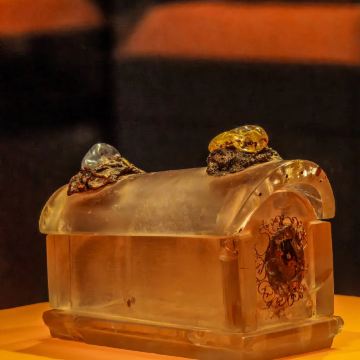

This is the Finger Bone Relic of Famen Temple in Shaanxi, a sacred Buddhist relic believed to be a phalange of Sakyamuni Buddha. It was unearthed in the temple's underground palace in 1987, having been buried and preserved for more than 1,100 years, along with countless precious Tang-Dynasty cultural relics. The underground palace here is China's largest and most intact Buddhist underground palace, a great archaeological discovery of China in the 20th century. As a core symbol of Chinese Buddhism, this relic connects Buddhist believers all over the world, and it's the soul of Famen Temple's Buddhist culture.
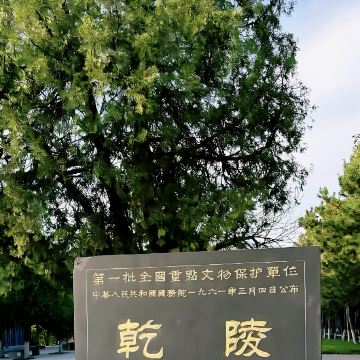

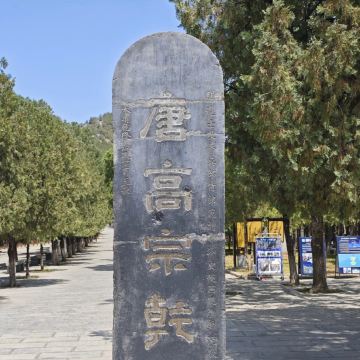


Qianling Mausoleum is the joint tomb of Emperor Gaozong of Tang (Li Zhi), the third emperor of the Tang Dynasty, and Wu Zetian, the only legitimate female emperor in Chinese history. It is located on Liangshan Hill, 6 kilometers north of Qiancheng Town in Shaanxi Province, 76 kilometers away from the ancient capital Xi'an. As the most magnificent, best-preserved, and artistically outstanding mausoleum among the 18 Tang imperial tombs in Shaanxi, it was designated as one of the first batch of Major Historical and Cultural Sites Protected at the National Level by the State Council in 1961, and officially included in the third batch of National Archaeological Site Park projects by the State Administration of Cultural Heritage in 2017.
Wu Zetian's life was legendary and controversial. Breaking the shackles of traditional feudal ethics as a woman, she ascended the throne, changed the Tang Dynasty to the Zhou Dynasty, and ruled for decades. During her reign, she implemented policies such as “encouraging agriculture and sericulture, reducing corvée and taxes”, attached great importance to talent selection, established the palace examination and military examination systems, and promoted the appointment of scholars from humble backgrounds, laying a solid foundation for the subsequent Kaiyuan Golden Age. At the same time, she was also criticized by later generations for employing cruel officials and resorting to political intrigue. This joint mausoleum is not only a witness to her deep affection with Emperor Gaozong but also a carrier of her great talent, bold vision, and political ambition as an emperor.
Constructed during the prosperous Tang Dynasty, Qianling Mausoleum was built on a grand scale, with its ground architecture modeled after Chang'an, the capital of the Tang Dynasty. It is divided into three parts: the inner city, outer city, and satellite tomb area. The inner city covers 2.3 million square meters, while the outer city stretches “80 li in circumference”. The mausoleum originally housed 378 buildings, including the Xian Hall, side chambers, corridors, and watchtowers. After more than 1,300 years of wind and rain, most of the ground structures have vanished, but over 100 large and exquisite stone sculptures symmetrically lined along the Sacred Way outside the Zhuque Gate of the inner city remain intact, earning Qianling the reputation of an “Open-Air Museum of Tang Dynasty Stone Sculpture”. Additionally, 17 satellite tombs fan out to the southeast of Qianling; five of them have been excavated, yielding a wealth of precious cultural relics, among which tri-colored glazed pottery of the Tang Dynasty, line carvings on stone outer coffins, and murals in Tang tombs are known as the “Three Treasures of Tang Tomb Relics”.
The Wordless Stele
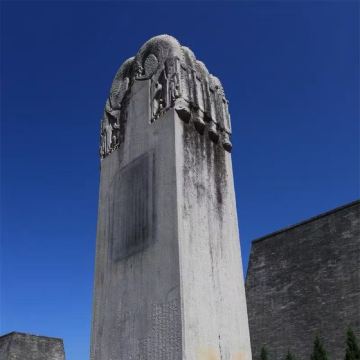
The Wordless Stele stands on the east side of the Sima Road outside the Zhuque Gate of the inner city of Qianling Mausoleum, south of the watchtower ruins. Carved from a single massive boulder, it stands 8.03 meters tall and weighs approximately 98.84 tons. The top of the stele is adorned with eight intertwined chi dragons (mythical hornless dragons); each side of the stele body is engraved with a “Rising Dragon Painting”, and the front center of the stele base features a “Lion and Horse Painting”, showcasing exquisite craftsmanship and the grandeur of the prosperous Tang Dynasty.
The stele was erected without a single character inscribed. Some say Wu Zetian intended to “leave her merits and demerits to be judged by later generations”, while others believe she regarded her achievements as too extraordinary to be described in words. Starting from the Northern Song Dynasty, literati and poets began inscribing poems and texts on it. In the center of the stele's front face is carved the “Inscription of the Military Governor Langjun, Younger Brother of the Great Jin Emperor”, written in the Khitan small script with a Chinese translation beside it, recording that in the 12th year of the Tianhui reign of the Jin Dynasty, the Military Governor Langjun, during a hunting trip, saw the severe damage to Qianling's ground buildings and ordered officials to carry out repairs.
Over the Song, Jin, Yuan, Ming, and Qing dynasties, numerous inscriptions in regular, cursive, clerical, seal, and running scripts were added to the stele. What was once a blank stone tablet eventually became a cross-dynastic stone book, and an invaluable resource for the study of the Jurchen script and the history and culture of ethnic minorities in China.
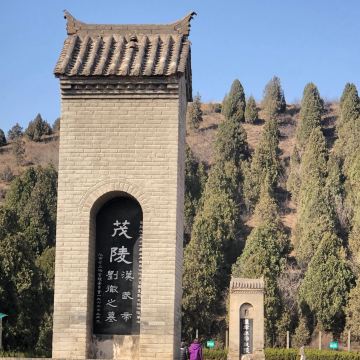

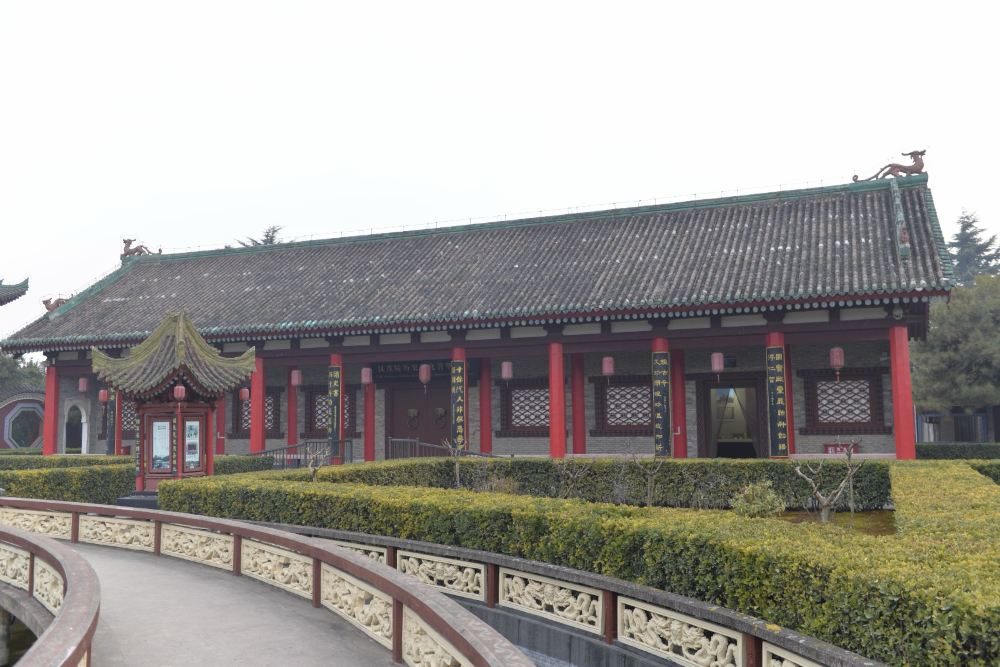
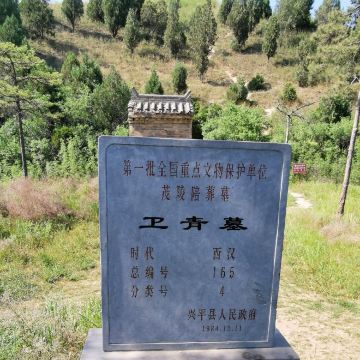

1. Step into Maoling Mausoleum, and feel the beating pulse of the mighty Han Dynasty — where millennia of history's glory and grandeur come alive.
2. Maoling Mausoleum: A timeless monument etched in stone. Marvel at towering imperial mounds, intricate stone carvings, and priceless relics that whisper tales of the Western Han's golden age.
3. Journey through time at Maoling. Walk in the footsteps of Emperor Wu, trace the origins of the Silk Road, and embark on a captivating cultural odyssey steeped in ancient Chinese splendor.
4. Maoling Mausoleum: A treasure trove of history and culture. Every corner holds a story, every artifact glows with legacy — waiting for curious travelers to uncover its secrets.
5. Explore Maoling, where history meets wonder. Gaze at majestic mausoleums, admire the artistry of age-old stone carvings, and immerse yourself in the profound heritage of the Han civilization.