



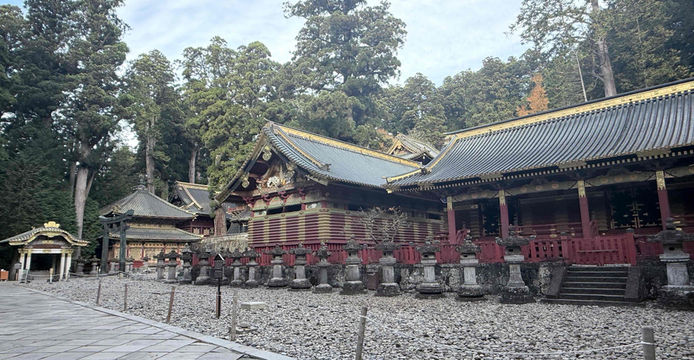




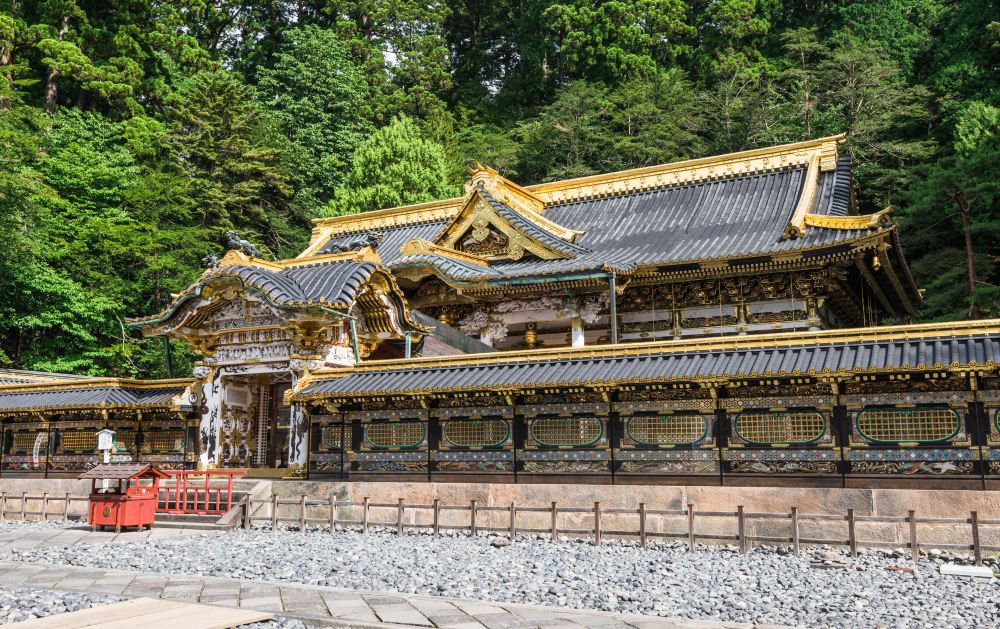
Nikko Toshogu shrine is a shrine dedicated to Tokugawa Ieyasu, the first shogun of the Edo shogunate, and one of Japan's representative historical and cultural heritage sites. Together with Futarasan shrine and Rinnō-ji temple, it forms the UNESCO World Heritage site "shrines and temples of Nikko".
Toshogu shrine was built in 1617 under the order of Tokugawa Hidetada, the second shogun and son of Tokugawa Ieyasu. It was later expanded in 1636 by the third shogun Tokugawa Iemitsu, achieving the grand scale seen today. The shrine features the "gongen-zukuri" architectural style, blending Shinto and Buddhist elements, symbolizing Tokugawa Ieyasu's divine status as "Tosho Daigongen."
The shrine complex contains approx. 55 buildings, including 8 national treasures and 34 important cultural properties. Here are some key highlights:
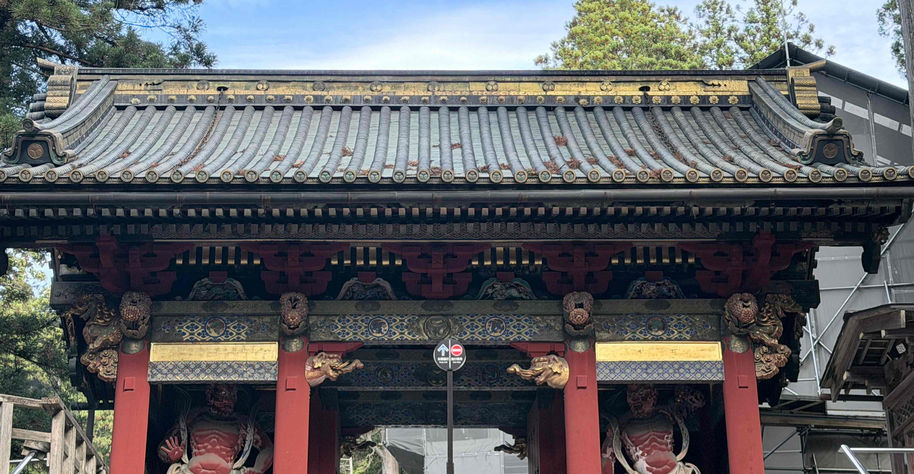
Yomeimon gate: Known as the "sunset gate," its exquisite decorations and carvings remain captivating from dawn till dusk. Adorned with over 500 carvings, it showcases the craftsmanship of the Edo period.
Must-see three carvings at Nikko Toshogu shrine:
Three wise monkeys: The carvings of "see no evil, hear no evil, speak no evil" located on the Sacred Stable symbolize teachings for children's growth and have become one of the cultural icons of Japan.
Sleeping cat carving: Legend has it that this was created by the famous Edo-period sculptor Hidari Jingoro, symbolizing peace and tranquility.
Imaginary elephant carvings: "Imaginary elephants" are relief carvings of two elephants located under the eaves on the side of the upper shrine warehouse. Since real elephants were not seen in Japan during the Edo period, these two elephants were entirely created from the sculptor's imagination. Although details like the ears, limbs, and tails differ slightly from real elephants, the overall resemblance is remarkably close, fully demonstrating the artist's rich imagination and skillful craftsmanship.
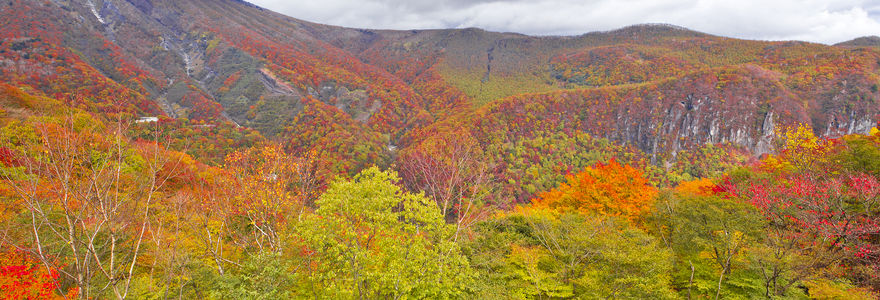
The Irohazaka winding road is one of "Japan's 100 best roads." Stretching 15.8 km from Nikko city to Lake Chūzenji and Oku-Nikko, this mountain route features a total of 48 curves between its ascending and descending paths. Known for its scenic beauty, it's a famous driving route in the Nikko area.
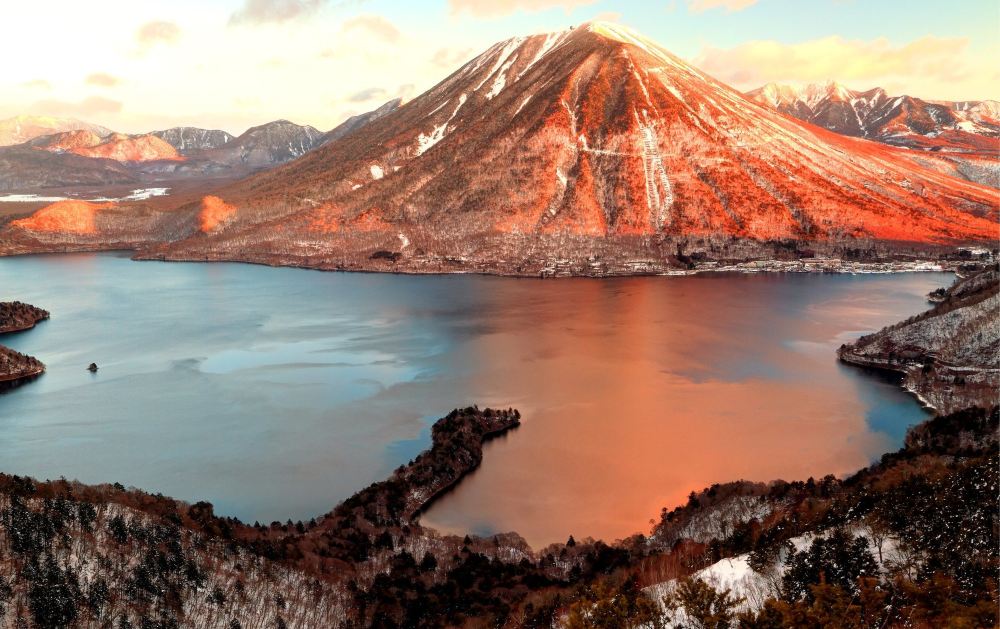
Lake Chūzenji, Japan's highest-altitude natural lake, offers breathtaking scenery throughout the seasons - azaleas in spring, lush greenery in summer, fall foliage in autumn, and snowscapes in winter. Particularly famous are the spring azaleas and fall colors, attracting countless photography enthusiasts who come with cameras to capture these picturesque moments during peak seasons.
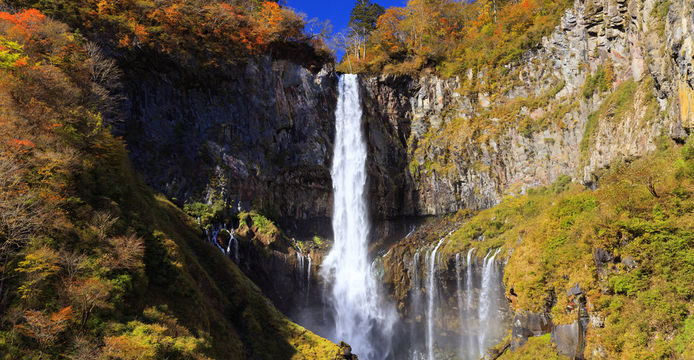
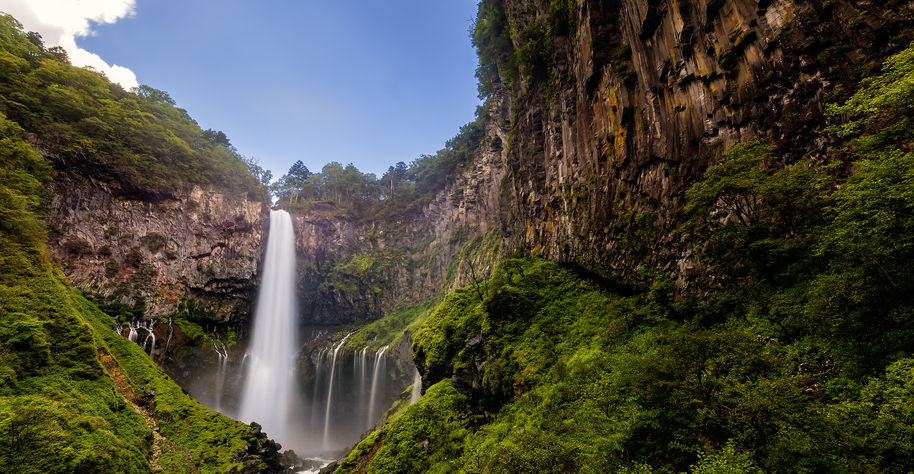
Kegon waterfalls - one of Japan's three great waterfalls and a famous tourist destination. Formed by waters from Lake Chūzenji that create the Ōjiri River at the eastern end, it cuts across Mount Nantai and plunges 99 m from a 700 m elevation to form the main cascade. The upper rocks protrude forward, with 12 smaller falls emerging from crevices. During fall, the surrounding foliage creates serene and beautiful scenery, making it the centerpiece of Nikko National Park. This location is perfect for photography, embodying the poetic essence of mountain streams.