


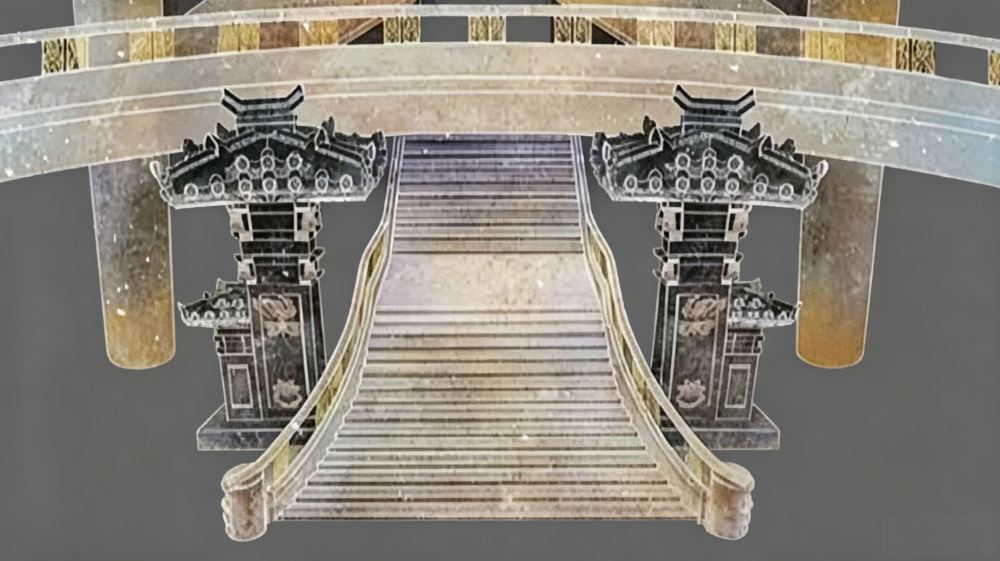
▲ The Wuyang Han dynasty stone que is a core collection treasure of the Three Gorges Museum, representing one of China's best-preserved and archaeologically restored Han dynasty mother-child stone structures among existing stone ques. With its standardized form replicating Han dynasty architectural techniques, it has been honored as a "stone-carved history book." The que's body features archaic yet vivid relief patterns that embody ancient regional cultural landscapes and ritual traditions, serving as a precious physical relic for studying Han dynasty architectural norms, stone carving art, and the cultural heritage of the Ba-Yu region, holding significant historical research and aesthetic value.
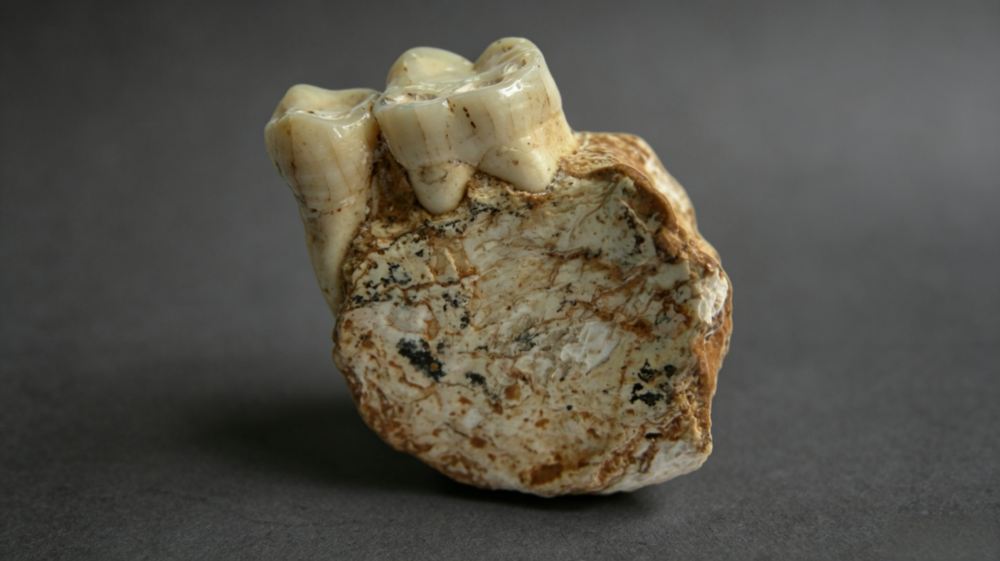
▲ The Wushan mandible fossil was unearthed at the Longgupo site in Chongqing, dating back to the Early Pleistocene period. The fossil preserves ancient human mandible and dental remains, carrying significant physical evidence of early human evolution. It provides crucial material proof for exploring the reproduction and migration of ancient humans in East Asia and the physical characteristics of early humans. Additionally, it serves as rare archaeological material for studying the origin and development of ancient civilizations in the Yangtze River basin, holding profound academic research and cultural reference value.
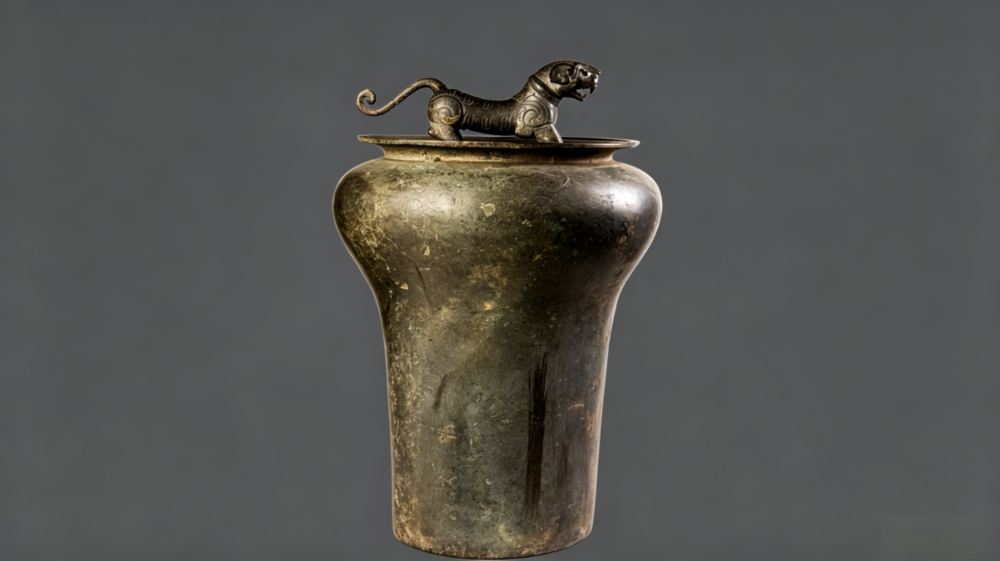
▲ The bronze tiger-button chunyu is a representative bronze musical instrument of the Ba culture, unearthed from the Warring States period ruins in eastern Chongqing. The artifact features a dignified and well-proportioned overall design, with a vividly crafted tiger standing atop it and elegantly arranged ancient patterns adorning its body. Historically used for military commands, sacrificial rituals, and tribal gatherings, it epitomizes the ceremonial music culture and bronze casting techniques of the Ba people. This artifact preserves the lifestyle, totemic beliefs, and artistic aesthetics of the ancient Ba people, offering invaluable physical evidence for studying the pre-Qin regional culture of Ba-Shu, bronze smelting techniques, and ancient customs and rituals.