




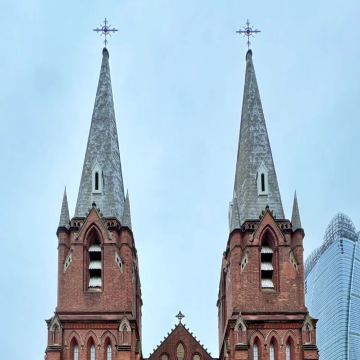

▲ Built in 1910, this Gothic structure features towering twin spires that pierce the sky, with a main hall accommodating 3,000 people. Inside, stained glass casts colorful light and shadow, while clustered columns soar overhead, creating such stillness you can hear your own breath. - Highlights: The birthplace of Catholicism in Shanghai and one of the classic architectural landmarks of old Shanghai. For foreign guests, this is the "European vibe" they instantly recognize; for domestic visitors, it offers solemn grandeur that can be captured right in the city center.
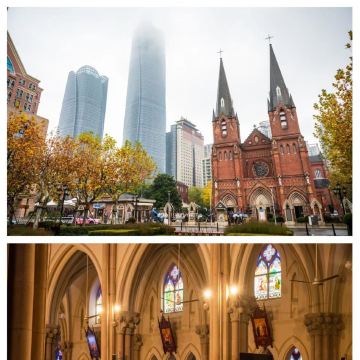

▲ Mon–Sat: 9:00 AM–11:00 AM, 1:00 PM–4:00 PM; Sun: 2:00 PM–4:00 PM only (morning mass, no reception).
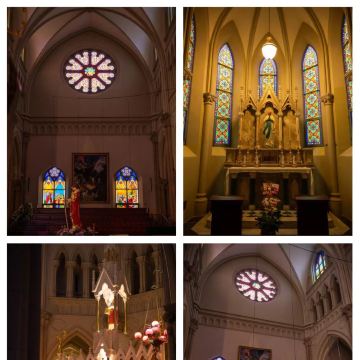

▲ Keep quiet when entering. Do not wear slippers or tank tops. No visits during mass time.
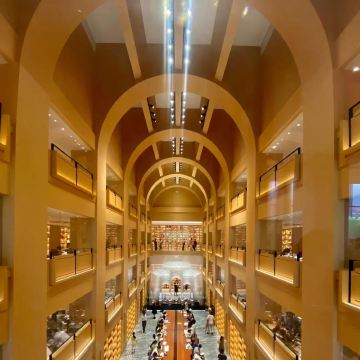

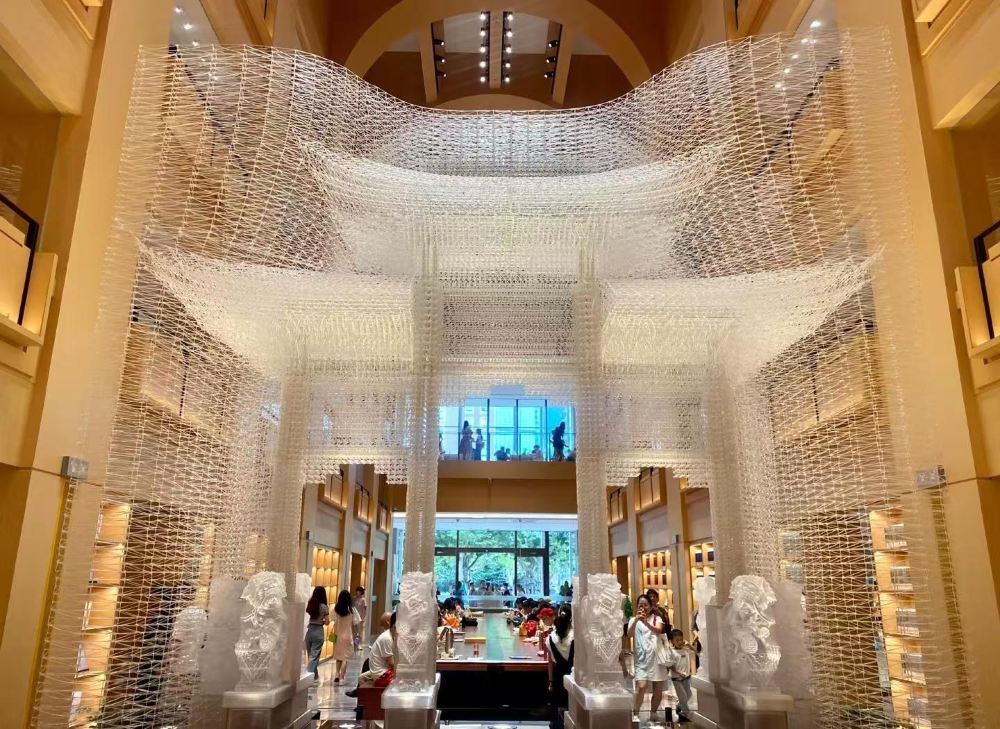
▲ The atrium with floor-to-ceiling glass walls, towering bookshelf walls, and the 3D-printed "Gate of Enlightenment" glows when sunlight pours in. It houses 200,000 books, with a café and cultural creative space around the corner. - Features: Not just an ordinary bookstore, but a cultural space integrating reading, exhibitions, and photo spots. With fewer crowds and great lighting, every shot becomes an atmospheric masterpiece, especially favored by young people and foreign visitors.
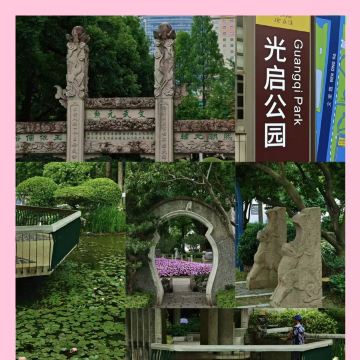

▲ A tranquil small park amidst the bustle, featuring the tomb of Xu Guangqi, a stone memorial archway, and a memorial hall converted from the Ming Dynasty old residence "Guangqi Park," housing his manuscripts, mathematical works, and translations. The newly built garden walkways, ginkgo trees, and bamboo groves make for a pleasant stroll. - Feature: Xu Guangqi was the first person in the late Ming Dynasty to "look at the world with an open mind," translating Euclid's Elements and introducing Western science and technology. Understanding him is key to understanding why Shanghai is what it is today.
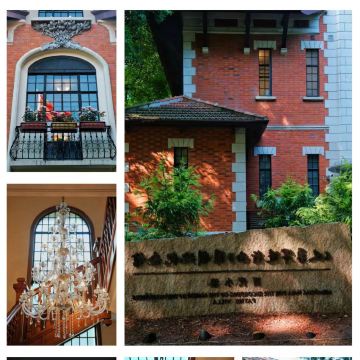

▲ A small red-brick building hidden in Xujiahui Park recreates the recording scene from back in the day, displaying vintage phonographs, records, and historical materials of Nie Er and Tian Han. Standing inside, the melody of the national anthem seems to echo in your ears. - Feature: Birthplace of the national anthem, where red memories coexist with musical sentiment. It holds narrative tension for both Chinese and foreign guests—a live demonstration of how a song became a national symbol.
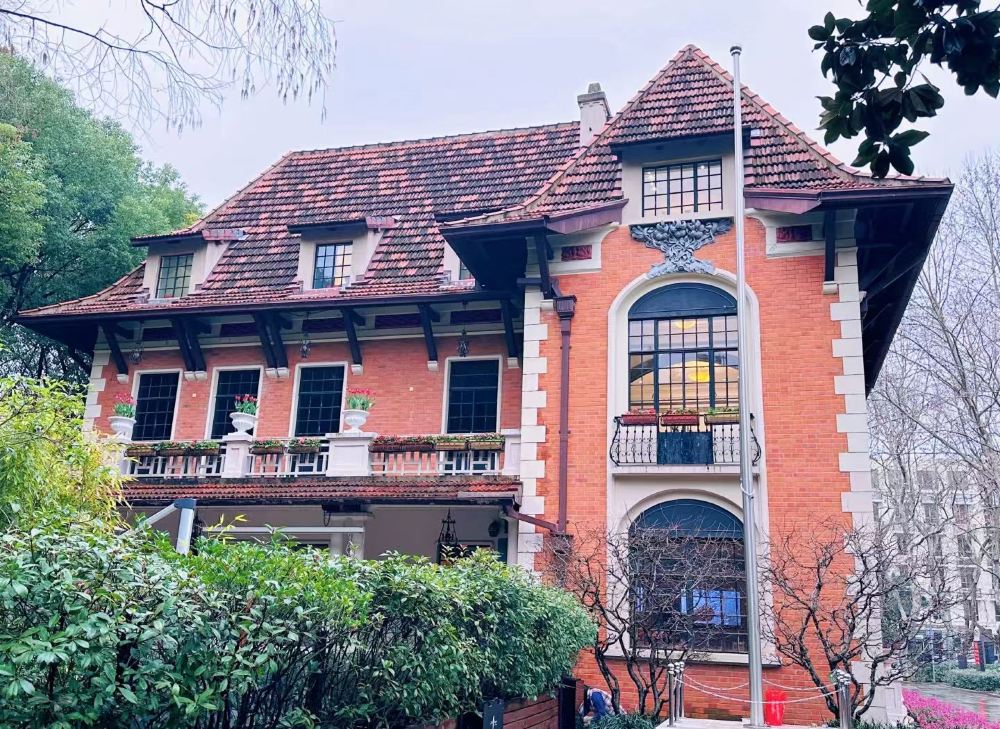
▲ Scheduled for the afternoon when the lighting is excellent.
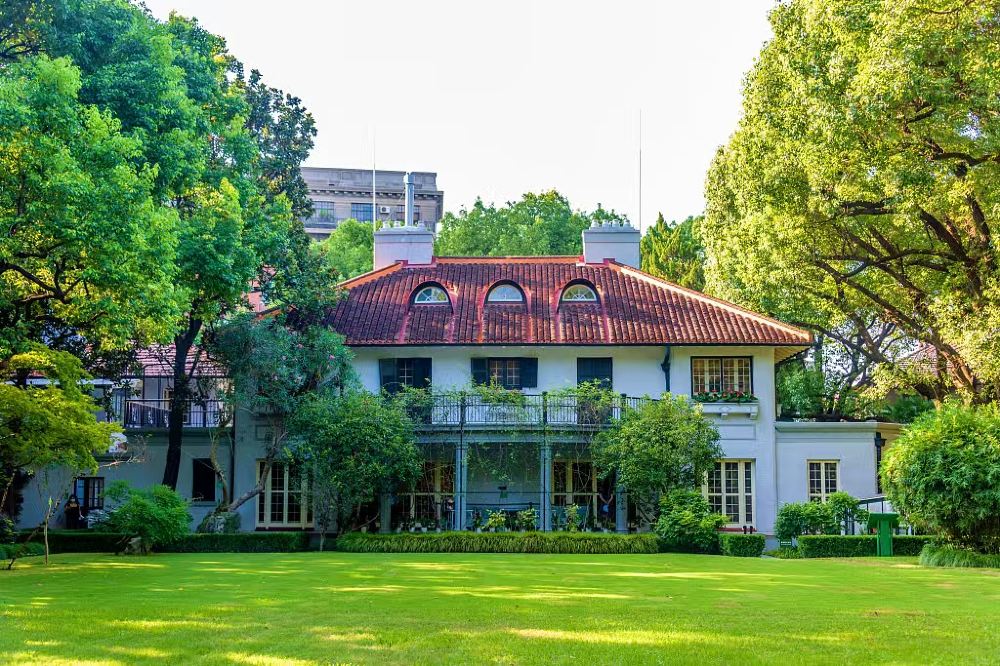
▲ The European-style garden villa at 1843 Huaihai Middle Road features a camphor tree planted by Soong Ching-ling herself in the garden. The main building preserves her living arrangements from her lifetime—study, bedroom, piano—each item an original artifact. - Features: Not a cold memorial hall, but a living scene of "she just stepped out." Learn about Soong Ching-ling's patriotism and great love, and also see the lifestyle taste of famous figures in the Republic of China era. Admission ticket: CNY 20, please reserve and purchase tickets on the official account.
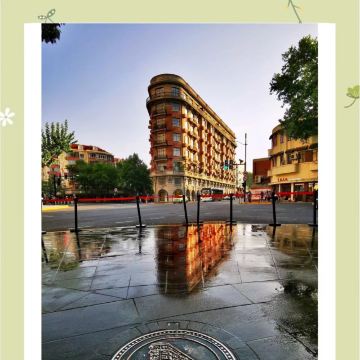

▲ - Highlights: The "docked giant ship" at the intersection of Huaihai Road Middle and Wukang Road — the Wukang Building (formerly the Normandie Apartments), with its triangular facade and rounded corners, has been a filming location for countless movies and pictorials. Walking further along Wukang Road, you'll find Republic-era garden houses, old plane trees, and quiet side streets on both sides.
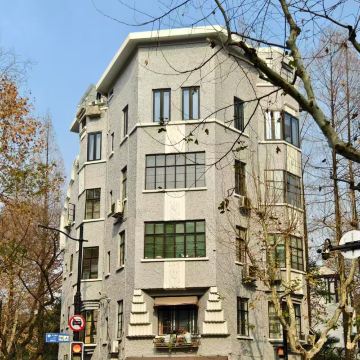

▲ No need to buy tickets or rush, stroll and snap photos while experiencing the "most Shanghai" plane tree ambiance, perfect for concluding a day's itinerary.
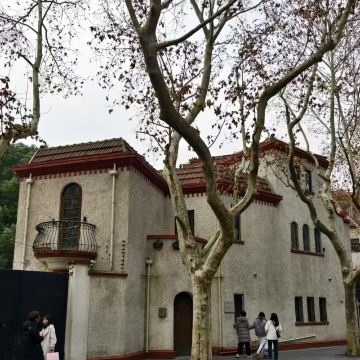

▲ The block is open for free full-day; it gets crowded on weekends, so watch out for pedestrian safety and avoid blocking the sidewalk for photos. - There are many small eateries nearby, where you can grab afternoon tea on the way or return from Jiaotong University station (line 10, line 11) by subway.