

View all 19 photos
Shanghai Sihang warehouse - Suzhou river cruise - The bund source bilingual guide optional at least 2-hour guide
5.0/5
Excellent(1 review)
2 bookedPrivate tour/Join-in tour
Meet at meeting point
Free cancellation by 3:00 PM, 1 day before the date of use
From
PHP 8,535.50
per person
Select package
Highlights
Bilingual option available with professional guide lasting at least 2 hours. Wireless headsets provided throughout for noise-free listening, enhancing audio clarity and interactive depth.
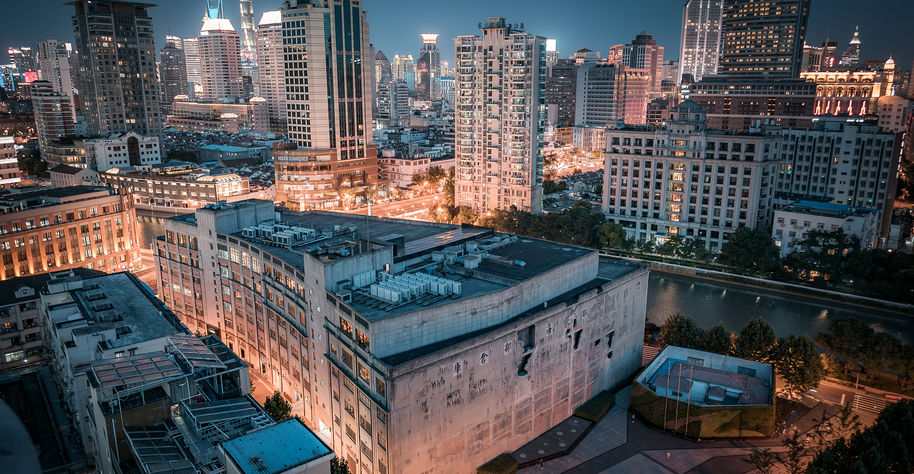
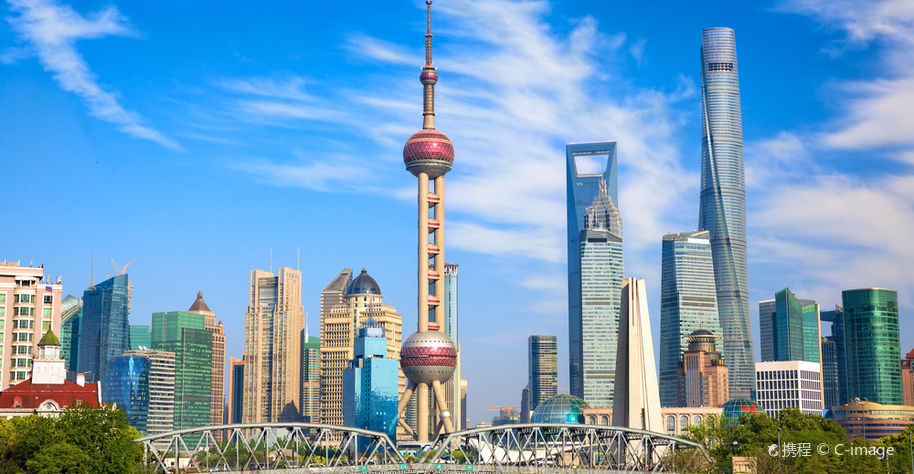
The in-depth cultural journey from Sihang Warehouse, Suzhou Creek to the Bund Source and North Bund is a highly concentrated humanistic route that blends historical memories, urban transformation, and waterfront aesthetics.
The itinerary pace and focus can be flexibly adjusted based on participants' interests, suitable for history enthusiasts, urban explorers, and family travelers from both domestic and international backgrounds.

Package and price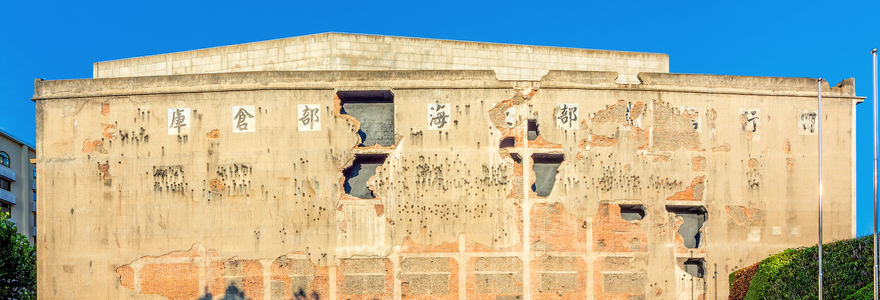
Date of use
2026-10-21
2026-10-22
2026-10-23
All
Local timeCurrency: USDPrices shown are the lowest prices for the current date
Package
English private session afternoon session
From$8,535.50
Private English tour - morning session
From$8,535.50
Booking information
From$8,535.50
per person
Book now
Overview
Departs from Shanghai
Starts at 1:50 PM and ends at 5:00 PM
Tour guide (English)
Transportation options: Walking, Boat/Different types of boats
Details
Meet at meeting point
1:50 PM meet at Jinyuanjinian Square, Shanghai Details
Jinyuanjinian Square Details
Enter attraction
Enter attraction
Entry tickets included
15 minutes
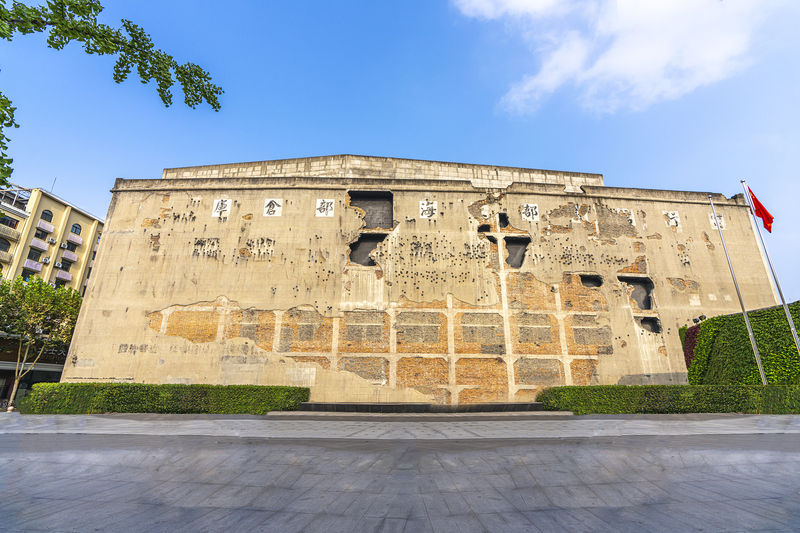
Shanghai Sihang Warehouse Battle Memorial Details
Enter attraction
Enter attraction
Free attraction
Entry tickets included
1 hour20 minutes
Transportation via Walking
Walk to the Suzhou river cruise pier.
Walking time: Approx. 5 minutes
Transportation via Boat/Different types of boats
Take a boat from the Sihang Warehouse pier to the Bund Source pier.
Travel time: Approx. 15 minutes
Rockbund Details
View from outside
View from outside
Entry tickets included
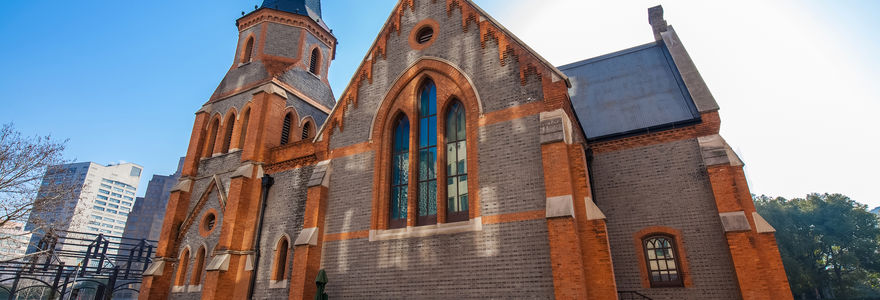
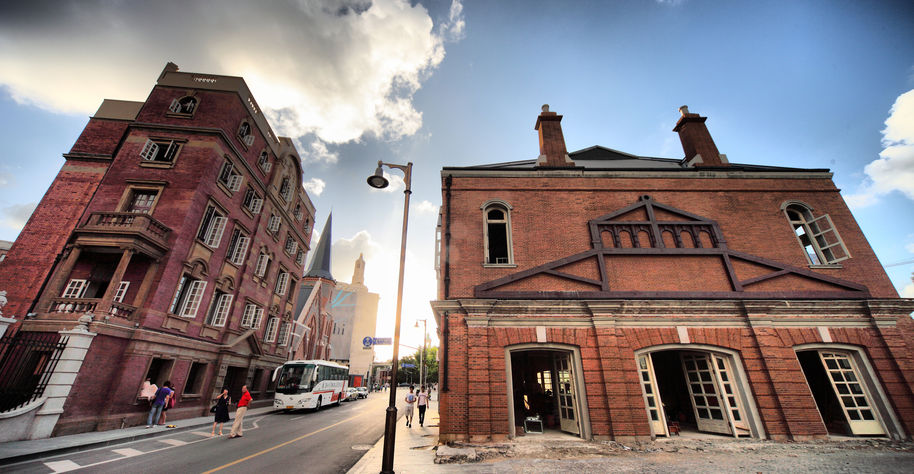
In recent years, Rockbund has consistently hosted high-profile cultural activities such as "Bund architecture festival" and "Labelhood avant-garde fashion art festival".
10 minutes
Yuanxin Tian'an Hall Details
View from outside
View from outside
Free attraction
Entry tickets included
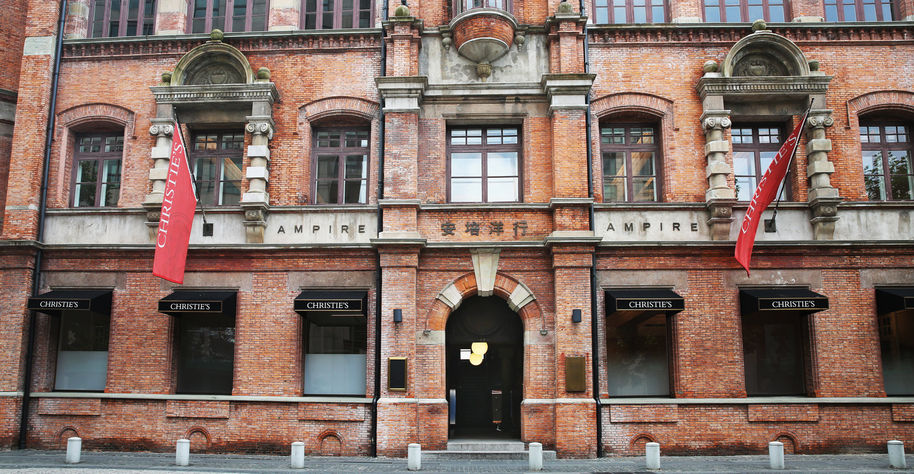
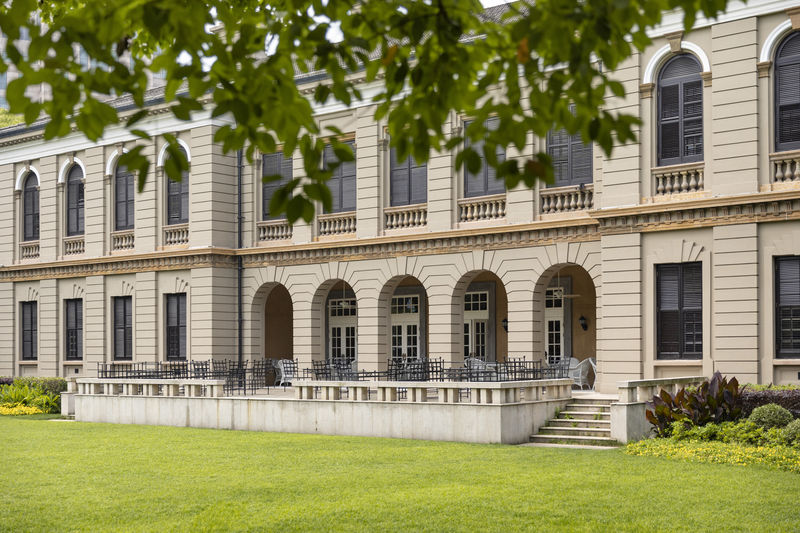
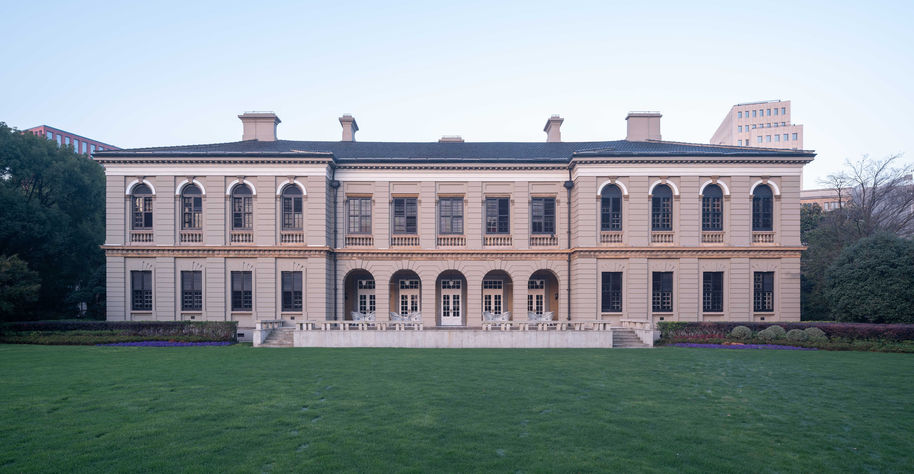
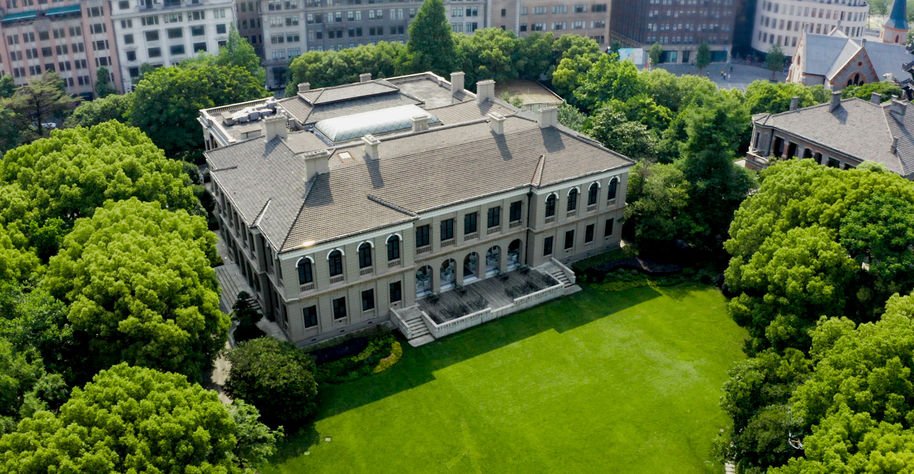
The architectural exterior features a unique collection of Western-style buildings and English lawn gardens, making it a popular spot for city walks and photography with great "instagrammable" potential.
3 minutes
Yuanmingyuan Road Details
View from outside
View from outside
Free attraction
Entry tickets included
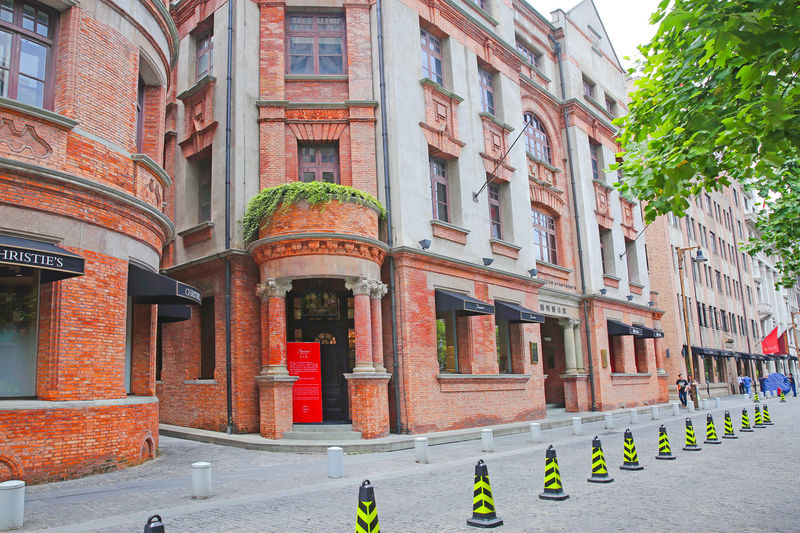
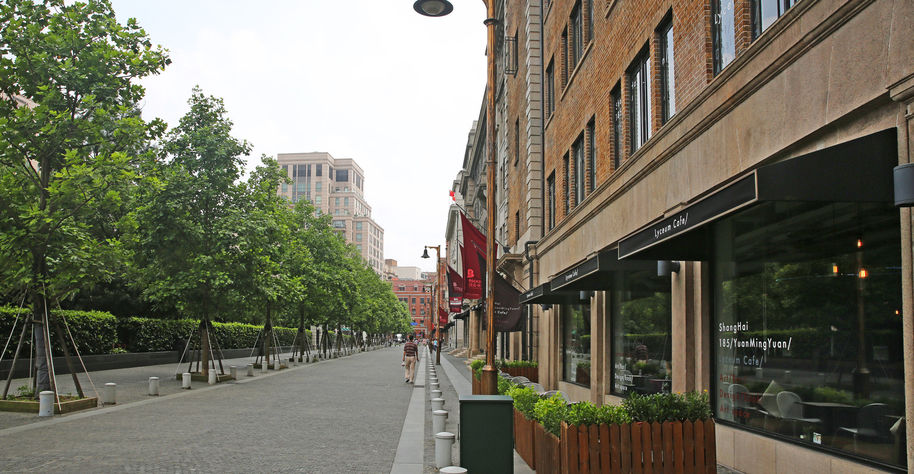
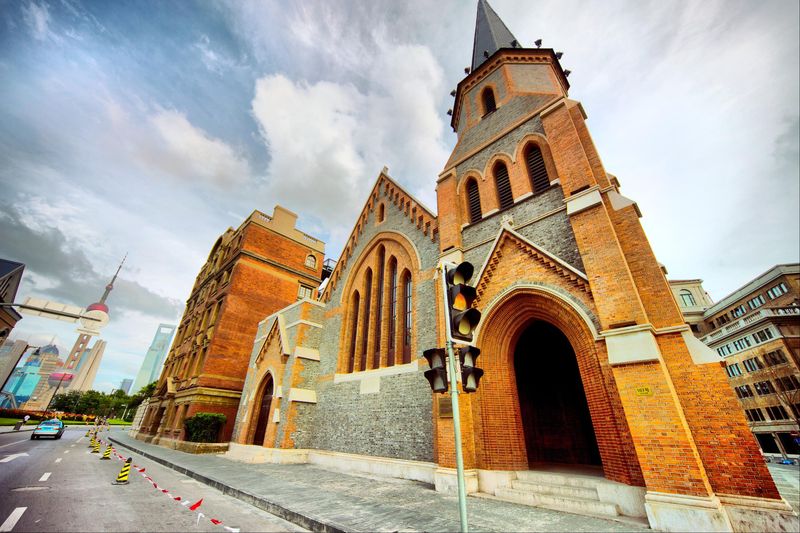
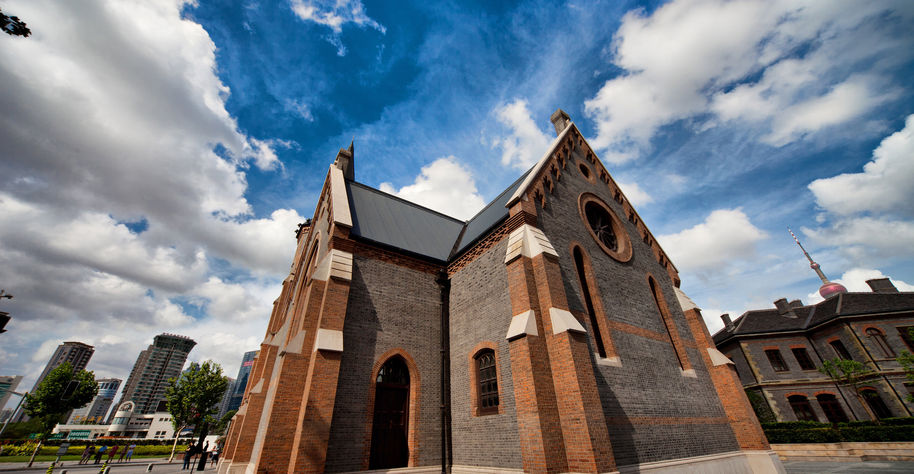
Architectural aesthetic exemplar: The stepped silhouette of True Light Building and Baroque reliefs of Lyceum Building showcase the refinement and diversity of Shanghai-style architecture.
5 minutes
Bund Origin No.1 Details
View from outside
View from outside
Paid attraction
Entry tickets included
Built in 1849, it was originally the British consulate general in Shanghai and has now become a historical landmark integrating cultural exhibitions, art activities and high-end social events.
3 minutes
Waitanyuan33 Details
View from outside
View from outside
Free attraction
Entry tickets included
Including the former British consulate main building (now "Bund origin No.1") and the consular residence, it is the origin of the "exhibition of world architecture".
3 minutes
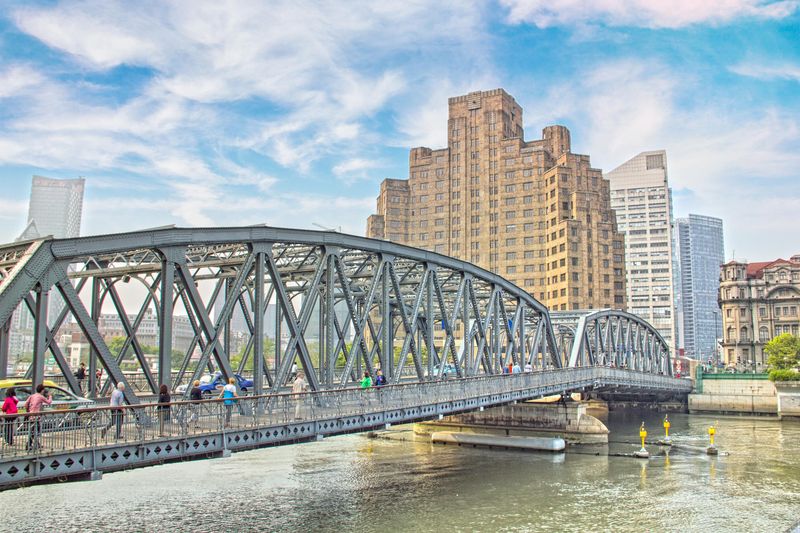
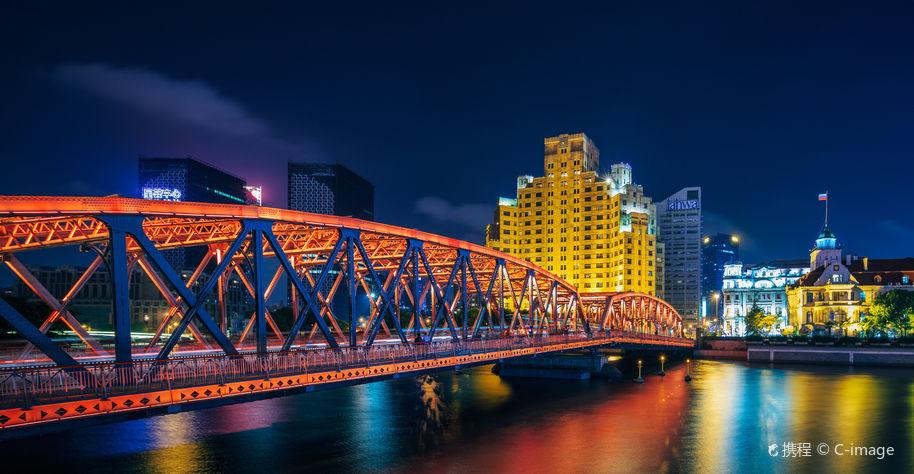
Garden Bridge Details
Enter attraction
Enter attraction
Free attraction
Entry tickets included
5 minutes
Broadwaymansions Hotel Shanghai
View from outside
View from outside
Entry tickets included
3 minutes
Lichafandian Site Details
View from outside
View from outside
Entry tickets included
It is now the China securities museum.
5 minutes
THE GRAND HALLS Details
View from outside
View from outside
Paid attraction
Entry tickets included
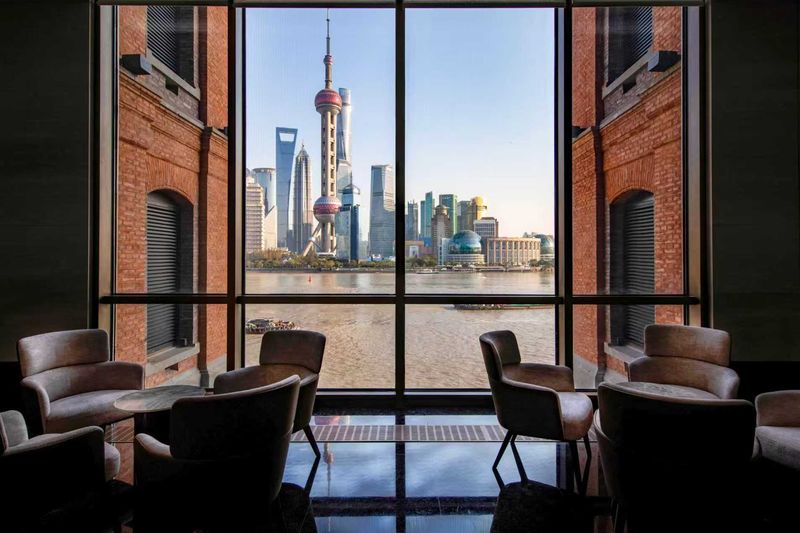
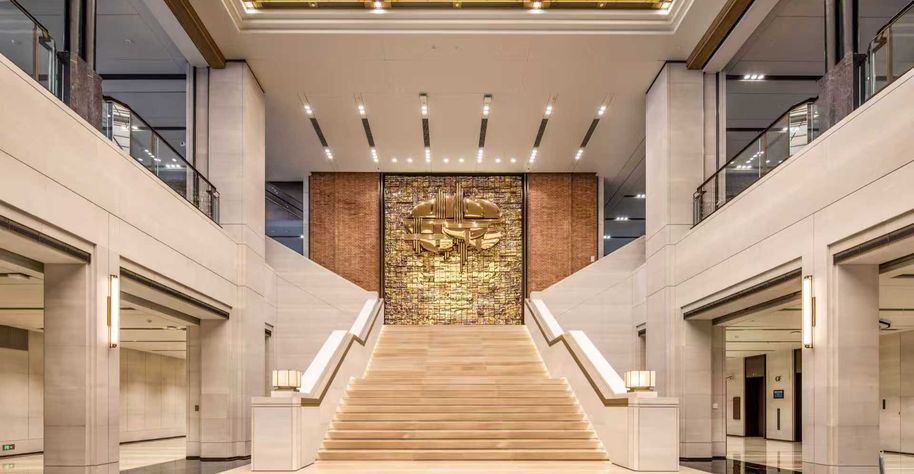
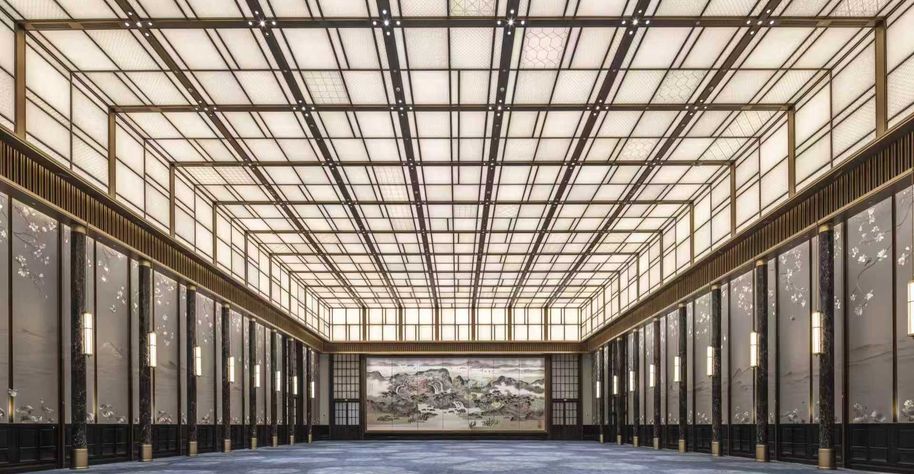
The specific location is at North Bund, next to the Russian consulate.
5 minutes
Return to designated point
5:00 PM return to Garden Bridge,
Garden bridge.
All times are in local time and may change due to weather, road conditions, or other factors. Thank you for your understanding.
What's included
Trip.com picks
Top Tours in Shanghai
Best Experiences in Shanghai
Popular Destinations
Trace roots at Guangfulin, capture moments in Thames Town, and admire the beauty of Zuibaichi Park - one day in Songjiang, a millennium of ShanghaiShanghai Sihang Warehouse Battle Memorial 1.5-hour Chinese/English guide optionalExcursión de un día en Shanghái con visita guiada con explicaciones en idioma extranjero y tour privado | Jardín Yuyuan + Templo del Dios de la Ciudad + Zhujiajiao + Bund, incluye entradas y transporteSalida desde Shanghái: excursión de un día con servicio de coche privado con conductor al lago Perla de Xisha y el bosque forestal Dongping en Chongming Shanghái: Grupo Privado por los Puntos Destacados de la Ciudad con Recogida en el HotelShanghái: excursión de un día al pueblo antiguo de Fengjing en servicio de coche privado con conductor | Recepción profesional de invitados extranjeros en múltiples idiomas | Servicio personalizableShanghai English Group Tour : Zhujiajiao Ancient Town, Yu Garden, The Bund, God TempleShanghai Wild Animal Park – One Day TripMuseo de Historia Natural de Shanghái - Amplia colección de especímenes únicos, opción de visita guiada profesional en chino e inglés8 fast track items + butler 8 hr service Memorial del Primer Congreso Nacional del Partido Comunista de China en Shanghái, Memorial del Segundo Congreso Nacional o Memorial del Cuarto Congreso Nacional · Visita guiada con explicaciones en grupo privado con expertoTour de un día en Shanghái: Torre de la Perla de Oriente+Espectáculo acrobático ERA+Bund+Calle NanjingBanquete Ritual Tang de Shanghái | Experiencia Hanfu del Festín Yanle Bajo el CieloShanghai private 1-day tour | Oriental Pearl Radio & Television Tower · Yu Garden · The Bund · Nanjing Road Pedestrian Street | Private car transfer with admission ticketShanghai One-Day English Small-Group Tour: Zhujiajiao Ancient Town and Shanghai Film Park
Shanghai Costume ExperienceShanghai Travel EssentialsShanghai Day ToursShanghai ActivitiesShanghai TransportationShanghai Sports & AdventureShanghai Spa & MassageShanghai SIM CardShanghai Driving ExperienceShanghai Cultural ExperienceWellness & Spa in ShanghaiEurope SIM CardThings to do in ShanghaiThings to do in BeijingThings to do in Hong KongThings to do in OsakaThings to do in ZhangjiajieThings to do in SingaporeThings to do in ChongqingThings to do in TokyoThings to do in GuangzhouThings to do in Xi'anThings to do in ChinaThings to do in JapanThings to do in ThailandThings to do in VietnamThings to do in South Korea