Japan's Most Famous Shrines and Temples to Visit


Shrines are an essential part of Japanese culture and travel. They're more than just photo opportunities; they're active places of worship where visitors can observe local traditions, offer prayers, and buy charms for good luck. Japan is home to thousands of shrines, ranging from small roadside sanctuaries to sprawling complexes like Kyoto's Fushimi Inari Shrine, famous for its thousands of red torii gates. This guide covers the most famous shrines in Japan, explains the differences between shrines and temples, and walks you through the etiquette to know before your visit.
Shrine vs Temple: What Is the Difference
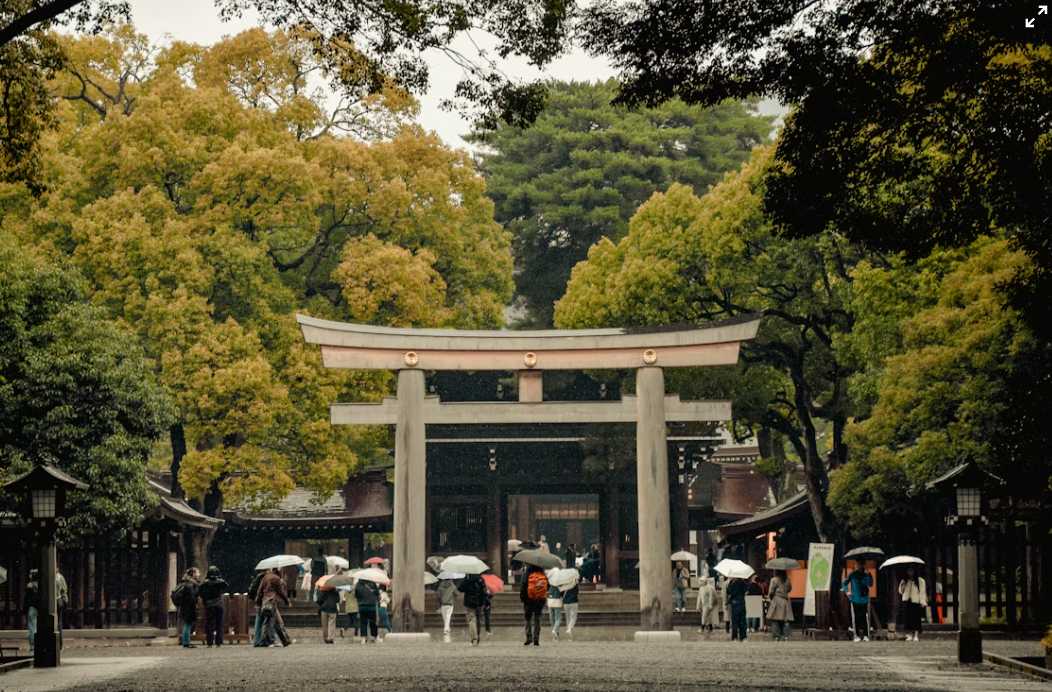
Japan has two main types of religious sites, and it's easy to confuse them when you're visiting for the first time.
- Shrines (jinja) are associated with Shinto, Japan's traditional religion. They're often marked by a torii gate at the entrance, which may be red, stone, or left in its natural wood finish. Shinto shrines are dedicated to kami, spiritual beings associated with nature, ancestors, and places.
- Temples (tera) are Buddhist places of worship. They're often recognizable by features such as large entrance gates, pagodas, and statues of Buddha. Unlike shrines, they don't have torii gates as their traditional entrance markers.
The easiest way to tell them apart: Look for a torii gate at a shrine or a pagoda at a temple. The customs and etiquette also differ slightly, so knowing which type of site you're visiting can help you show respect.
The Most Famous Japanese Shrines and Temples to Visit
Shrine | Location | Why It Is Famous |
|---|---|---|
Hundreds of white maneki-neko (lucky cat) statues, which are believed to bring good luck and prosperity. | ||
Thousands of red torii gates winding up a mountain. Open 24 hours, free | ||
Meiji Jingu | A peaceful forest shrine in the middle of the city, near Harajuku | |
Miyajima, near Hiroshima | The "floating" torii gate that sits in the sea | |
The most sacred shrine in Shinto | ||
The shrine for love and marriage prayers | ||
Kasuga Taisha | World Heritage site famous for thousands of stone lanterns | |
One of Japan's most important shrines | ||
The shrine for students praying for exam success | ||
A World Heritage shrine with elaborate carved architecture |
Gotokuji Temple, Tokyo
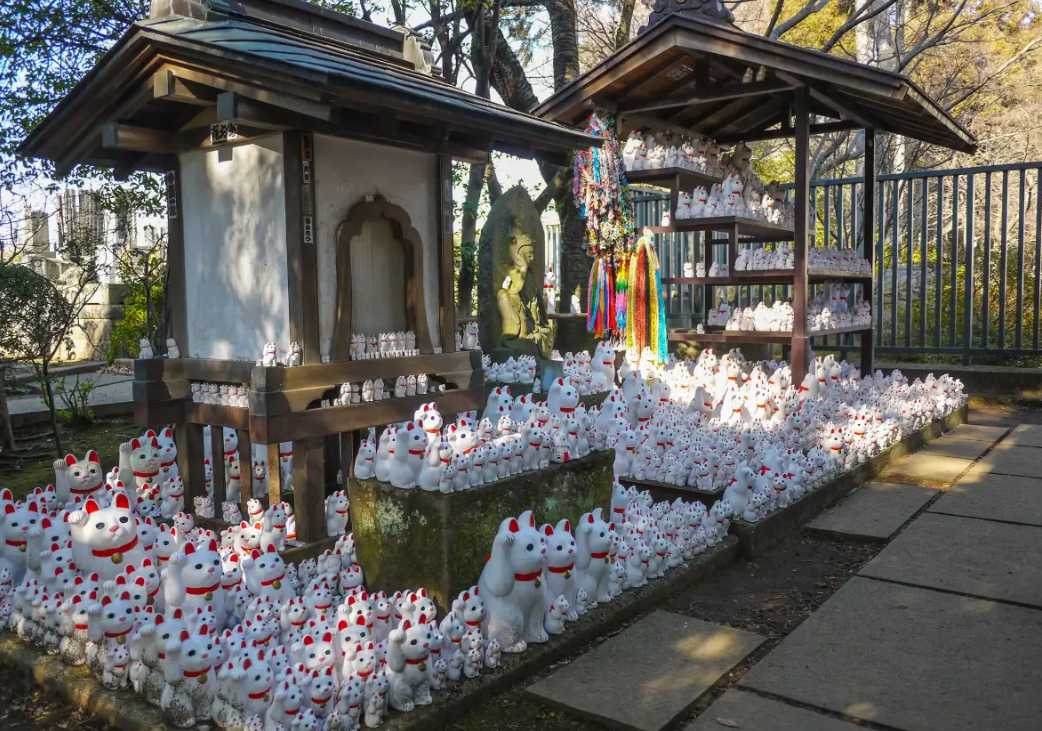
Often called the birthplace of Japan's famous lucky cat, Gotokuji Temple is one of Tokyo's most charming cultural attractions. Located in the quiet Setagaya neighborhood, this Buddhist temple is best known for its hundreds of white maneki-neko (beckoning cat) statues.
What to see: The temple's dedicated lucky cat display is its biggest attraction. According to local legend, a cat once beckoned feudal lord Naotaka Ii into the temple just before a thunderstorm. Grateful for the encounter, he later supported the temple's reconstruction. Today, visitors come to admire the rows of lucky cats, explore the traditional temple grounds, and browse cat-themed charms and souvenirs.
How to get there: Gotokuji Temple is located at 2-24-7 Gotokuji, Setagaya City, Tokyo. Take the Tokyu Setagaya Line to Miyanosaka Station, then walk about five minutes to the temple. Alternatively, it's around a 15-minute walk from Gotokuji Station on the Odakyu Line.
Recommended visit time: Allow around one hour to explore the temple grounds, see the lucky cat statues, and take photos.
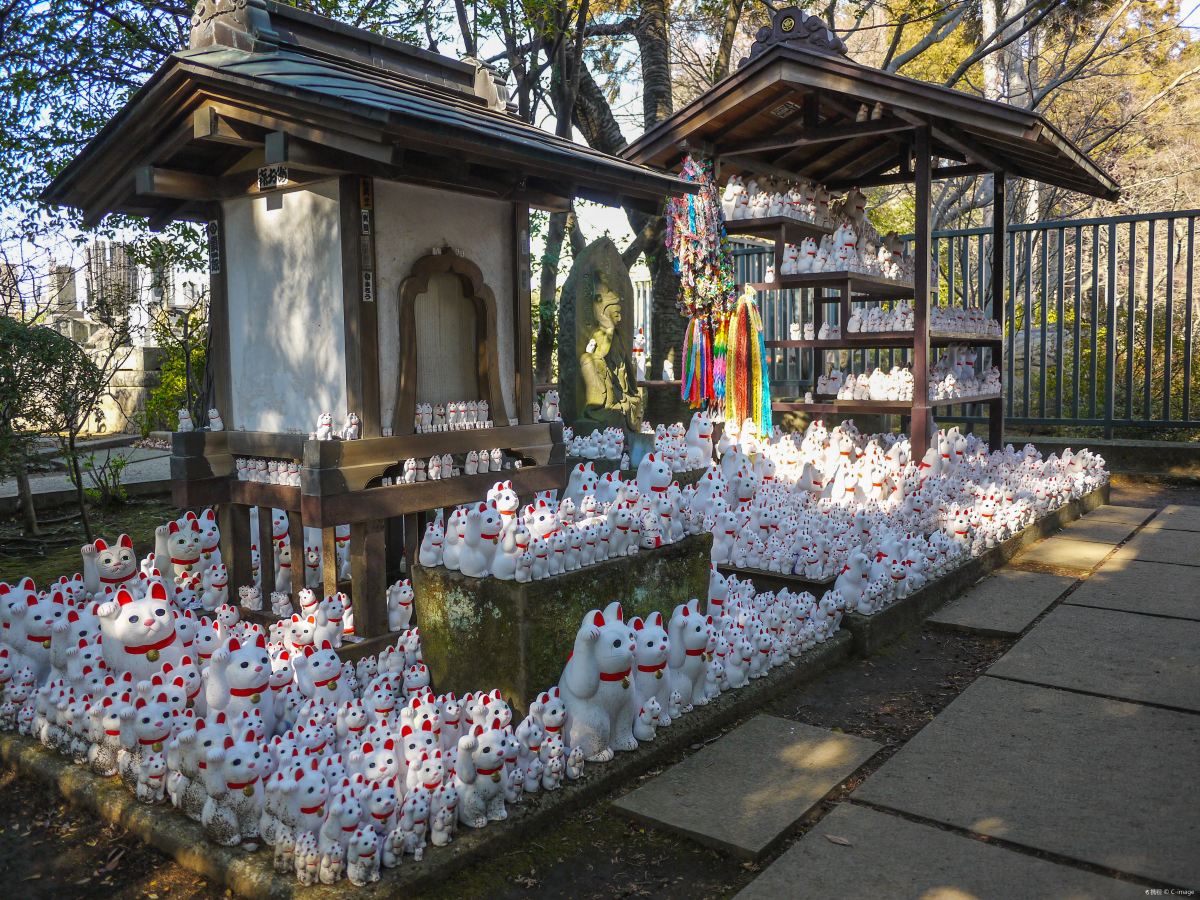
 A wonderful park with a very pleasant atmosphere.
We got there by metro and then by a two-car train. It was very interesting to see how people live in the suburbs.
You can buy a cat at the temple and place it near everyone to make their wishes come true.
Fushimi Inari Taisha, Kyoto
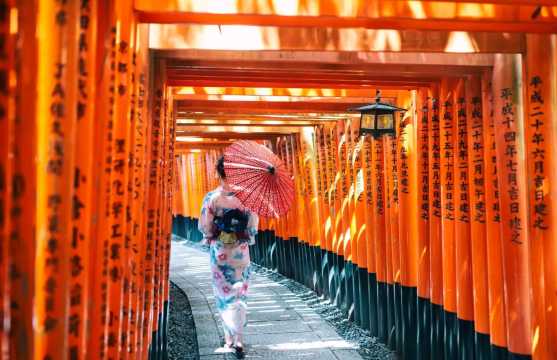
Japan's most photographed shrine, Fushimi Inari Taisha is famous for its thousands of bright vermilion torii gates, which form striking tunnels along a trail winding up Mount Inari in Kyoto.
What to know: The torii gates are donated by individuals and businesses hoping for good fortune. Each gate bears the donor's name and the date of its donation. The shrine is dedicated to Inari, a kami associated with rice, agriculture, and prosperity. Foxes are believed to be Inari's messengers, which is why you'll find fox statues throughout the grounds.
Practical information: Admission is free, and the shrine grounds are open 24 hours a day. The full hike to the summit takes around two to three hours, but you don't have to complete the entire route to enjoy the experience. The lower torii gate tunnels tend to be the busiest, while the crowds thin out as you climb higher. Visit early in the morning or later in the afternoon to avoid the largest tour groups.
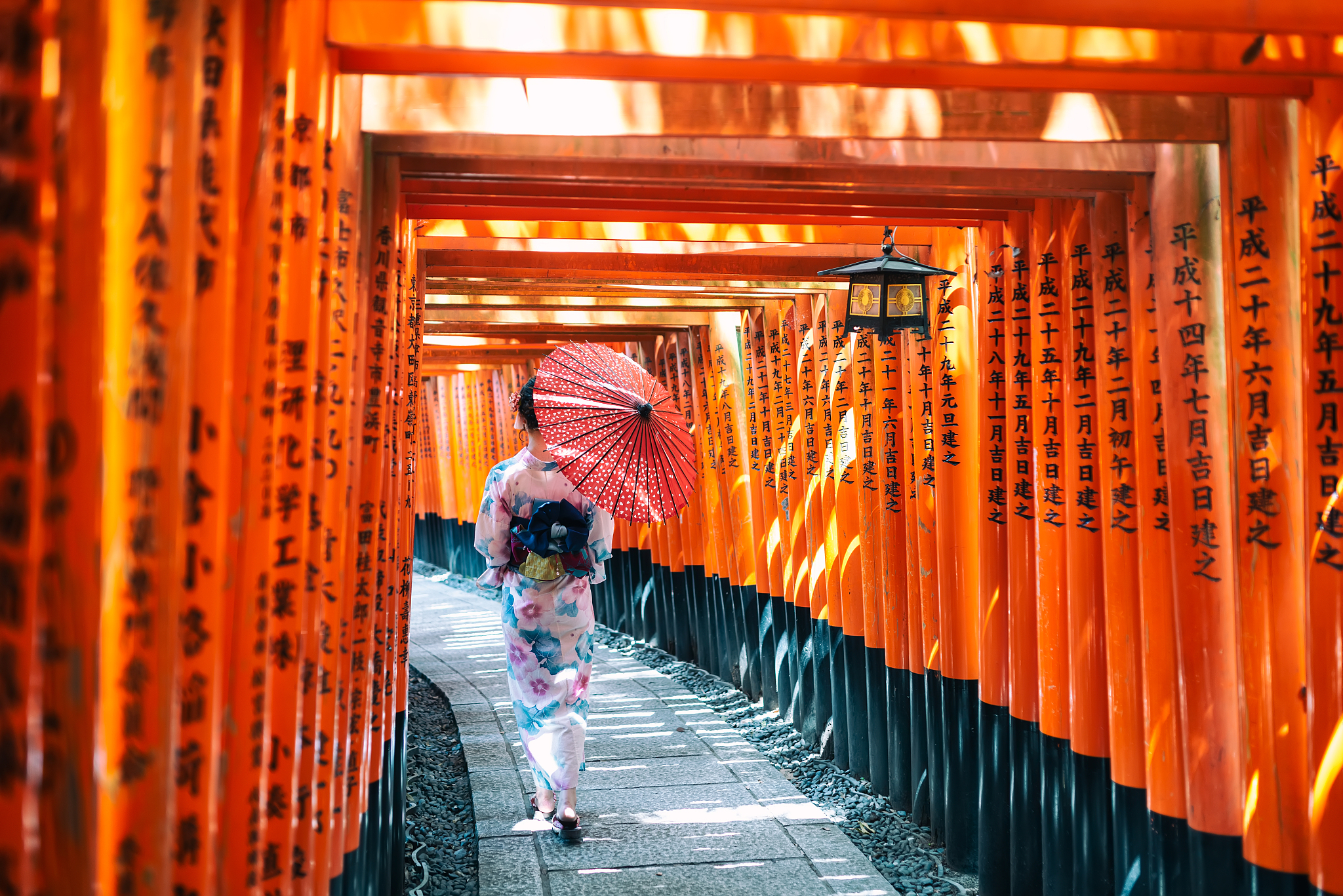
 The Thousand Torii Gates of Fushimi Inari Shrine are truly breathtaking. Strolling through the endless vermilion tunnel, accompanied by solemn fox statues along the way, creates a sacred and ancient atmosphere. It's recommended to visit in the early morning to avoid the crowds and quietly experience the unique charm of Shintoism. It's a classic Kyoto attraction not to be missed.
Meiji Jingu, Tokyo
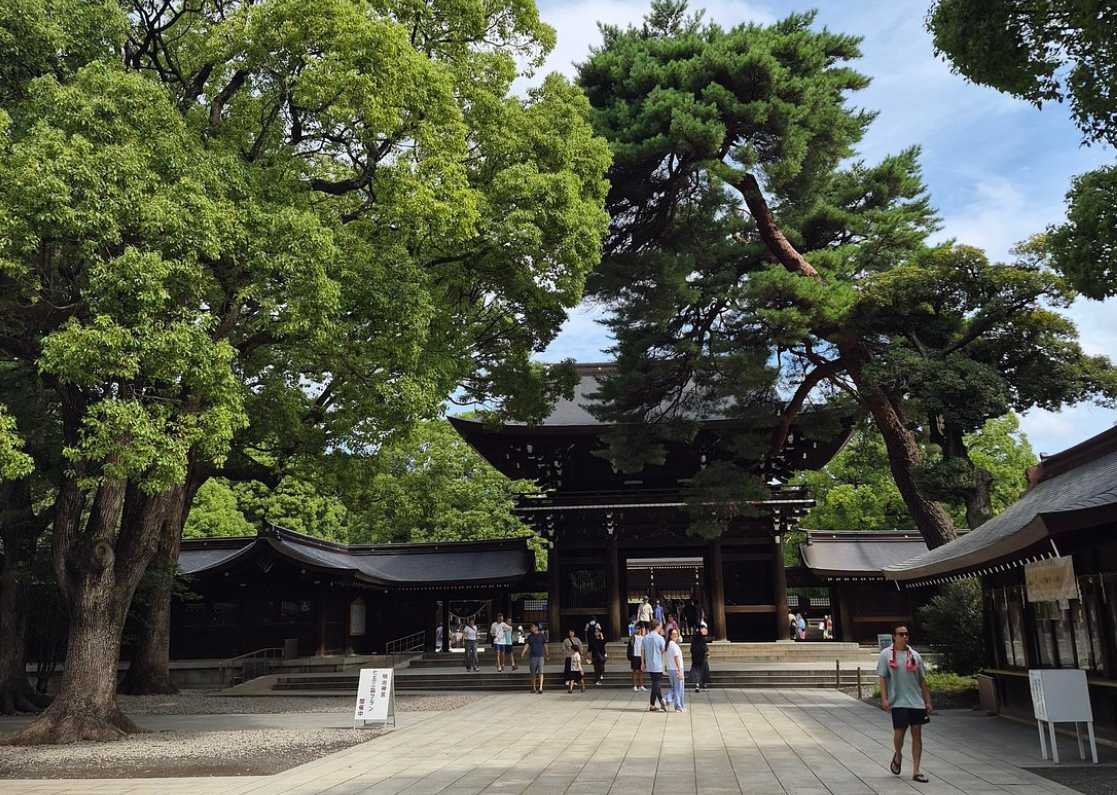
A peaceful forest sanctuary in the heart of Tokyo, Meiji Jingu is just a short distance from the bustling neighborhoods of Harajuku and Shibuya. Dedicated to Emperor Meiji and Empress Shoken, the shrine offers a striking contrast to the city around it. Step away from the busy shopping streets and you'll find yourself surrounded by towering trees, quiet gravel paths, and a sense of calm.
What to see: Look out for the massive torii gate at the entrance, the rows of traditional sake barrels displayed along the approach, and the main shrine hall, where visitors come to pray for success in life and career. Meiji Jingu is also a popular venue for traditional Shinto weddings, so you may even spot a wedding procession during your visit.
Itsukushima Shrine, Miyajima
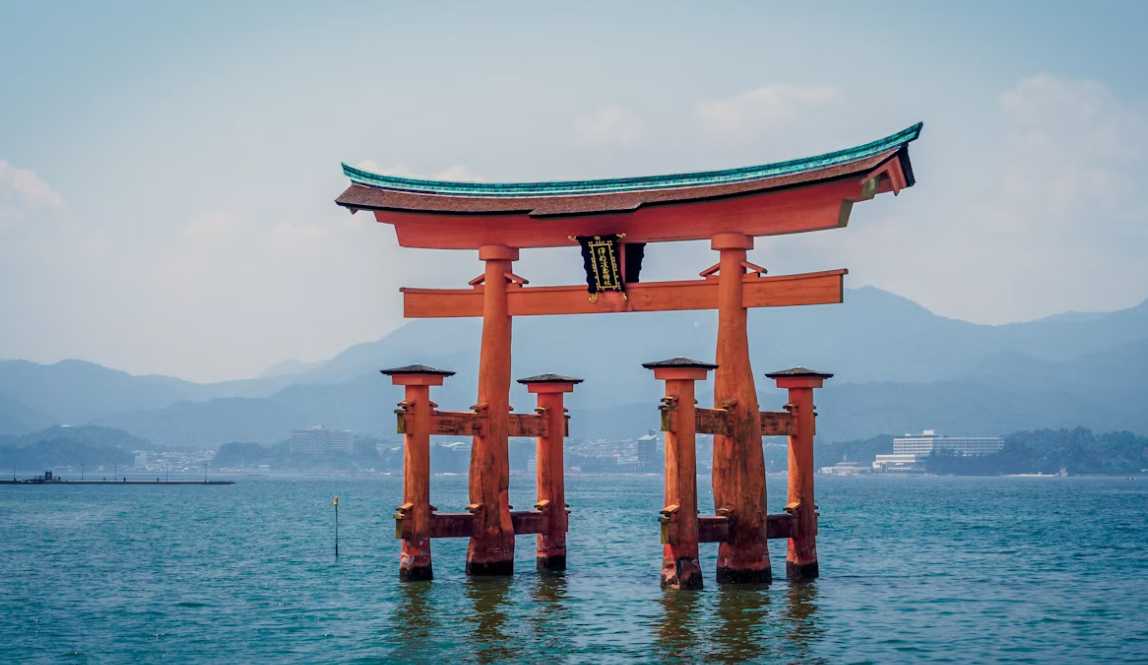
One of Japan's most iconic sights, Itsukushima Shrine is famous for its "floating" torii gate, which stands in the sea off Miyajima Island near Hiroshima. At high tide, the gate appears to float on the water, while at low tide, visitors can walk across the exposed seabed to get a closer look.
What to know: Miyajima is worth spending a full day exploring, or even staying overnight. Free-roaming deer wander around the island, while its streets are lined with small shops, local restaurants, and food stalls. An overnight stay also gives you the chance to see the illuminated torii gate after the day-trippers have left, offering a quieter and more memorable experience.
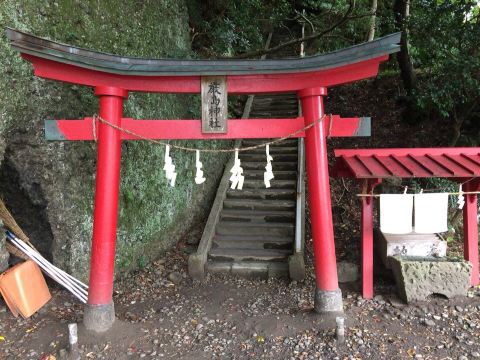
Other Shrines Worth the Trip
- Ise Grand Shrine — The most sacred shrine in Shinto, rebuilt every 20 years as part of an ancient tradition. More spiritual than touristy.

 I finally got to visit Ise Grand Shrine, which I've always wanted to visit.
The grounds are very large, and just walking around makes me feel calm.
The air is clear, there's lots of nature, and I felt like my soul was cleansed.
Rather than just sightseeing, I think this is a place you'll want to take your time to pray.
- Izumo Taisha — The shrine where the gods are said to gather, and the top spot for love and marriage prayers.

 Izumo Taisha Shrine is famous as the god of matchmaking.
You can feel a lot of power here.
The large shimenawa in front of the Kagura Hall is a masterpiece. ✨
There are also many stone rabbit statues associated with the Inaba White Rabbit. 🐇
I usually prefer udon to soba, but
the flat noodles and firm texture are very delicious.
I would like to eat Izumo soba again.
It's a place you should visit at least once in your life.
- Kasuga Taisha — Nara's famous shrine, known for its thousands of stone and bronze lanterns that are lit twice a year.
- Dazaifu Tenmangu — Where Japanese students go to pray before exams. The plum trees and the approach lined with shops make it a good day trip from Fukuoka.
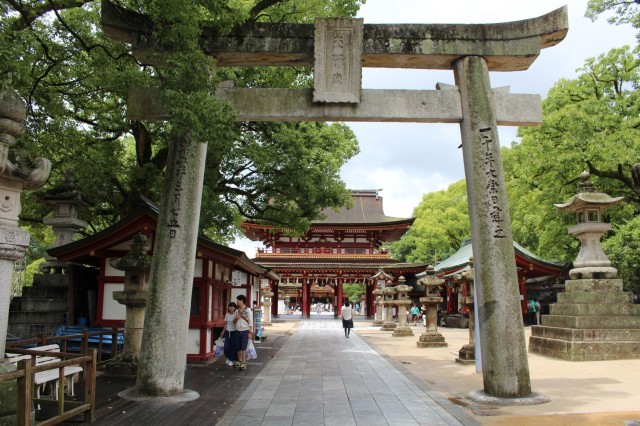
 The signature red bridge is very beautiful. It is said to be a place to worship the god of learning, so it seems that many locals visit to pay their respects to the god for their children's studies. There is not much to do in Fukuoka itself, so I recommend visiting.
Business/Operating Hours: 6:30 AM ~ 7:00 PM
Japanese Shrine Etiquette: How to Visit the Right Way
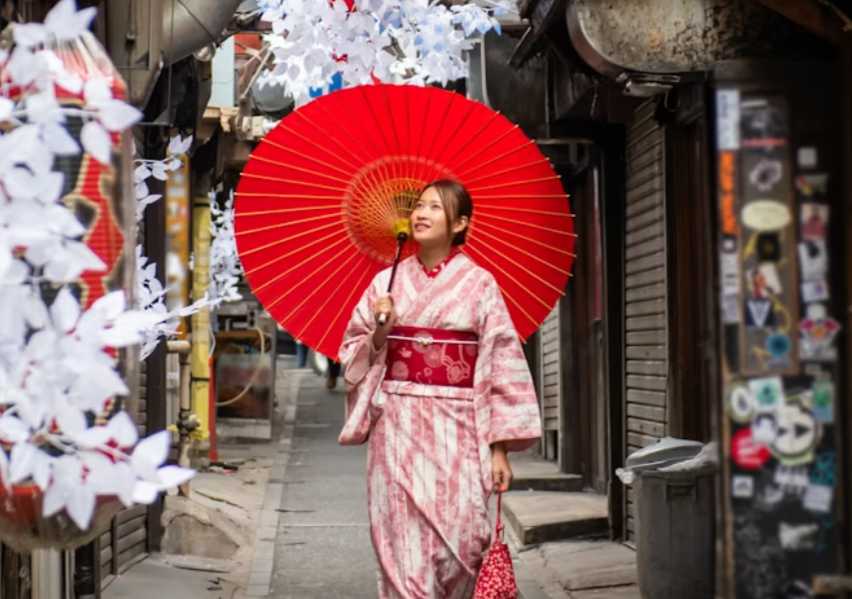
You don't need to practice Shinto to visit a shrine in Japan, but following a few basic etiquette rules shows respect for local traditions and can make your visit more meaningful.
- Bow before passing through the torii gate. Bow once before walking through the gate, which marks the entrance to sacred space. When leaving, turn toward the shrine and bow again.
- Walk along the side of the path. The center of the approach is traditionally reserved for the kami, so visitors should walk along the left or right side instead.
- Purify your hands at the temizuya. Near the entrance, you'll usually find a water basin with ladles. Use the ladle to rinse your left hand, then your right. Next, pour a little water into your cupped left hand, rinse your mouth, and spit the water out beside the basin, never back into it. Rinse your left hand once more, then hold the ladle upright so the remaining water runs down its handle. Return it to its place when you're finished.
- Pray at the main hall. Place a coin in the offering box. A 5-yen coin is a popular choice because go-en sounds like the Japanese word for good fortune and meaningful connections. If there's a bell, ring it once. Then bow twice, clap twice, offer your prayer, and bow once more. This is known as the "two bows, two claps, one bow" ritual.
- Don't clap at Buddhist temples. Clapping is part of the traditional Shinto shrine prayer ritual. At Buddhist temples, visitors typically bow and pray quietly without clapping.
Following these simple customs will help you show respect while experiencing one of Japan's most important cultural traditions.
Omamori and Ema: Charms and Prayer Plaques
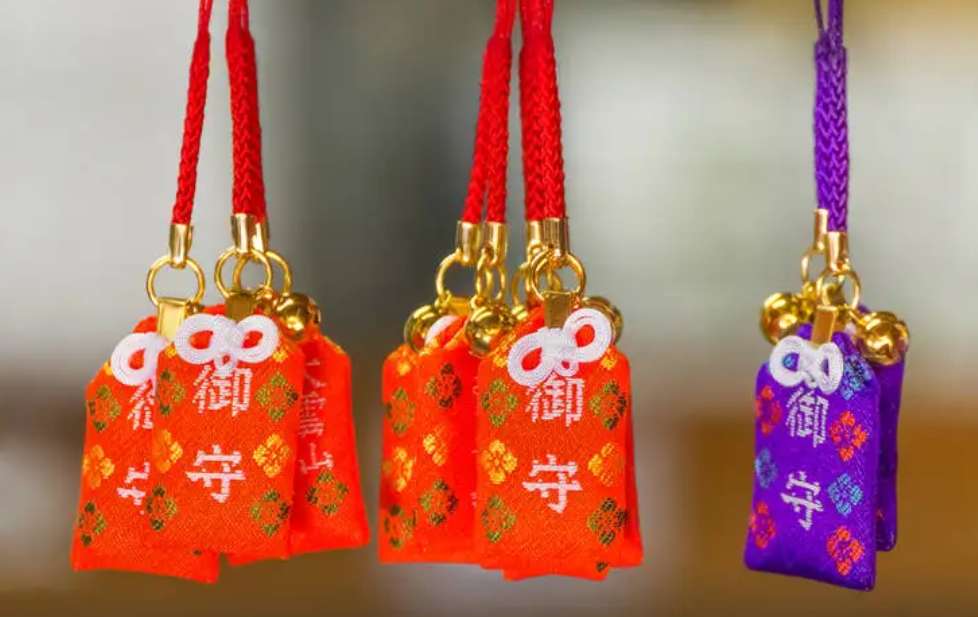
Source: Live Japan
Japanese shrines sell two popular items that make meaningful souvenirs: omamori and ema. Both are connected to traditional wishes for good fortune and protection.
Omamori (protective charms) are small charms designed to bring good luck or protection in a particular area of life. Different types are available for safe travels, good health, academic success, love, and business prosperity. Most come in small fabric pouches that are easy to carry in a bag or wallet. Traditionally, you shouldn't open an omamori, as its protective blessing is meant to remain inside. Many people replace their charms after a year or once their wish has come true.
Ema (wooden wishing plaques) are small wooden plaques on which visitors write their wishes or prayers before hanging them on designated racks at the shrine. Common wishes include success in exams, good health, finding love, and business prosperity. Some shrines sell ema in distinctive shapes that reflect their local symbols or traditions, such as the fox-shaped plaques at Fushimi Inari Shrine.
Tips for Visiting Japanese Shrines and Temples
- Visit early in the morning or later in the day. Popular shrines tend to get crowded from midmorning through midafternoon. Fushimi Inari and Meiji Jingu offer a very different experience at 7 AM than they do around noon, when tour groups and other visitors start to arrive.
- Bring a few 5-yen coins. You'll need a coin for the offering box if you plan to pray. A 5-yen coin is a traditional choice, so keeping a few handy makes it easier to take part in the ritual.
- Check the event calendar before you go. Shrines host festivals, ceremonies, and seasonal celebrations throughout the year. You might arrive during a traditional Shinto wedding, a matsuri (festival), or another special event, adding an extra dimension to your visit.
- Keep your voice down and be respectful. Shrines are active places of worship, and visitors may be there to pray. Speak quietly near the main hall and avoid taking photos directly in front of someone who is praying.
- Choose omamori with a specific person or purpose in mind. These protective charms make thoughtful gifts because each one is associated with a particular blessing, whether it's safe travel, good health, academic success, or love. They're more meaningful than a generic souvenir.
Japanese Shrine FAQ
-
What is the difference between a shrine and a temple in Japan?
-
What is the most famous Japanese shrine?
-
Do I need to pay to enter Japanese shrines?
-
How do I pray at a Japanese shrine?
-
Can I buy omamori if I am not Shinto?
-
What is a torii gate?

Trending Searches
-
Popular attractions
-
Getting around
-
Connectivity
- Temple Stays in China
- Panda Hotels in China
- Wulingyuan
- Fall Out Boy Tour 2027
- Celine Dion Concert 2027
- cheap honeymoon destinations
- People's Square Shanghai
- Louis Vuitton Ship in Shanghai
- Where to Stay in Chongqing
- Courtyard Hotels Beijing
- Chengdu Shopping
- Zhangjiajie Map
- Huaihai Road
- Japanese Shrine
- Shanghai Day Tours