
Temple Stays in China: Can Foreign Visitors Stay Overnight?

By Nancy
November 5, 2026

Can foreigners sleep in Buddhist temples in China? Understand the registration rules, where to inquire about monastery rooms, and how to book nearby accommodation.
Flights to Chengdu
Flights to Taiyuan
See all flights


Understanding Temple Accommodation in China
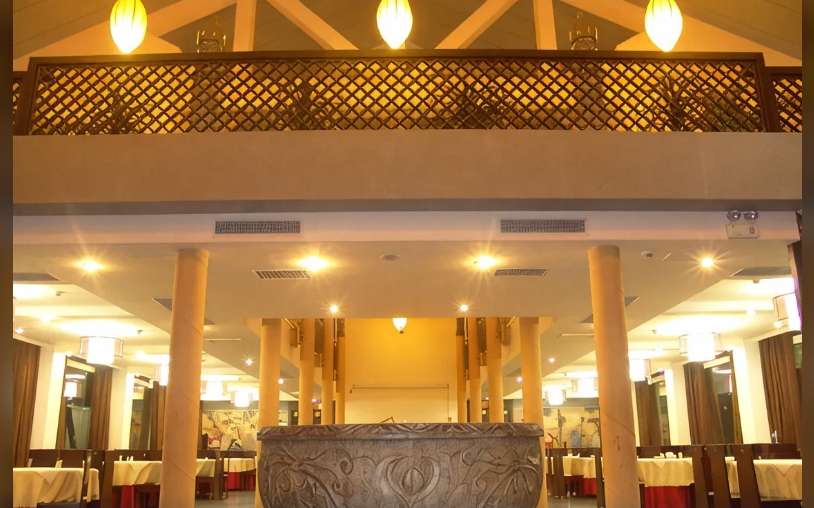
What Is a Temple Stay?
A temple stay in China involves spending the night in accommodation provided by a Buddhist temple or monastery, rather than in a conventional hotel. Depending on the temple, visitors may sleep in simple private rooms, shared dormitories, or basic guest quarters traditionally used by pilgrims. Facilities are generally more modest than those of commercial hotels, and some temples may offer vegetarian meals or allow guests to observe parts of the daily religious routine.
It's important to distinguish between staying in a monastery's accommodation and booking an alternative hotel or guesthouse. Properties close to famous Buddhist sites can make temple visits easier, but they don't offer the same experience as spending the night in a working religious community.
Can Foreigners Stay Overnight in Chinese Temples?
It may be possible, but no reliable, current public list of Chinese Buddhist temples guarantees overnight accommodation for foreign passport holders. Each temple decides whether it offers guest rooms and can accommodate international visitors. A temple's willingness to host Chinese pilgrims doesn't automatically mean it will accept foreign guests.
An important factor every foreign visitor must keep in mind is China's accommodation registration requirement. Foreigners staying outside conventional hotel accommodation must comply with the registration rules set out in Article 39 of China's Exit and Entry Administration Law.
Foreign Guest Registration Requirements
Under Article 39 of China's Exit and Entry Administration Law, foreign visitors staying in non-hotel accommodation must register their stay with the local public security authorities within 24 hours of arrival. Either the visitor or the person providing the accommodation is responsible for completing the registration.
Since September 21, 2026, the National Immigration Administration has offered nationwide online accommodation registration for foreign visitors staying in non-hotel accommodation. Visitors or their hosts can complete the process through the NIA's official online platforms, and digital registration has the same legal effect as in-person registration.
This requirement matters because a temple may provide accommodation for Chinese pilgrims without having arrangements in place to host foreign visitors. Chinese law does not automatically prohibit temples from accommodating international guests, but a temple that cannot meet the registration requirements may refuse an overnight booking.
Which Temples in China Accept Overnight Guests?
The destinations below are worth researching because of their Buddhist heritage and established visitor infrastructure. However, their inclusion doesn’t mean that a specific monastery has confirmed it accepts foreign overnight guests. Treat them as places to inquire about, not confirmed temple-stay bookings.
Temple or destination | Location and Buddhist connection | Room availability for foreign visitors | Indicative temple price | How to inquire |
Baoguo Temple and monasteries on Mount Emei | Sichuan; one of China's major Buddhist mountains | Not independently confirmed | No current foreign-guest rate verified | Contact the individual temple reception, known as kètáng (客堂) |
Temples around Taihuai, Mount Wutai | Shanxi; one of China's Four Sacred Buddhist Mountains | Not independently confirmed | No current foreign-guest rate verified | Contact the individual temple before traveling |
Shaolin Temple | Henan; associated with Chan Buddhism and Shaolin martial arts | Ordinary overnight accommodation for foreign tourists not confirmed | No verified temple-room price | Inquire directly with the temple; distinguish monastery lodging from martial arts programs |
Emei Shan: Exploring Buddhist Temples and Nearby Accommodation
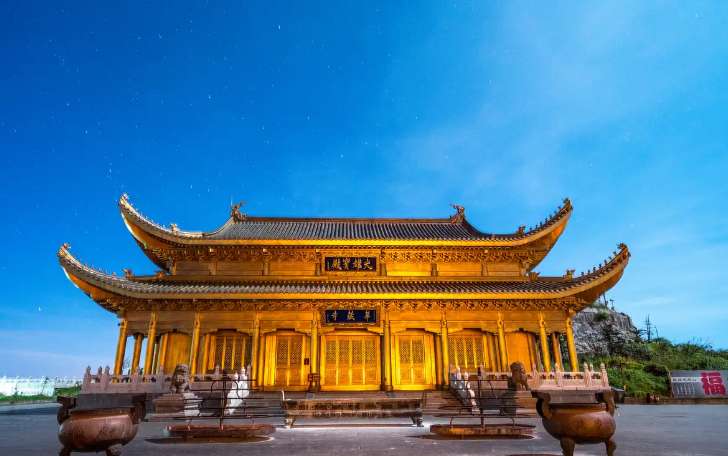
Mount Emei, in Sichuan Province, is one of China's Four Sacred Buddhist Mountains. Its temples and monasteries are spread across a large mountainous area, making it an appealing destination for travelers interested in Buddhist culture, pilgrimage routes, and mountain scenery.
Baoguo Temple, near the mountain's lower entrance, is a good option for a first-time visit. Temples higher up the mountain, such as Hongchunping, Xianfeng Temple, and Wannian Temple, are tied to the mountain's walking routes and religious heritage.
Who is it for? If you want to explore Mount Emei without relying on an unconfirmed temple booking, consider staying in the Baoguo Temple area and visiting the monasteries during the day.
Getting there: Plenty of trains run from Chengdu to Emeishan. The journey takes around an hour to an hour and 20 minutes on some services, depending on the departure station and train. You can review the timetables before booking. From Emeishan Railway Station, arrange onward transport to Baoguo Temple or your chosen starting point.
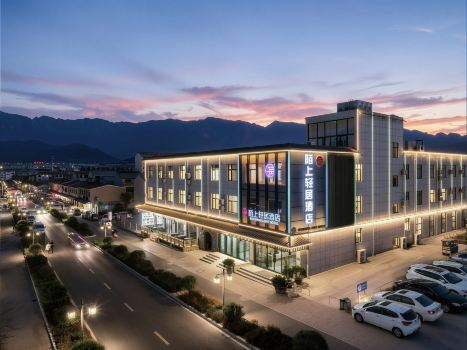
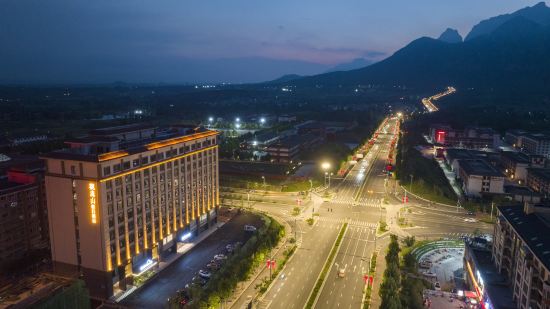
If a monastery can’t accommodate you, here are listings for excellent mainstream hotels close to Baoguo Temple:
Left Side of Baoguo Temple, Baoguo Village, Huangwan Township
From
€58
No. 322, Section 2, Baoguosi Scenic Area Road
From
€35
💡Note: These are hotel alternatives, not temple guesthouses.
See all attractions
 1002722 booked




Wutai Shan Temple Guesthouses
Mount Wutai, in Shanxi Province, is another important Buddhist destination. It is one of China's Four Sacred Buddhist Mountains and is particularly associated with Manjushri. The central visitor area is Taihuai, where many of the mountain's temples and visitor facilities are located.
Who’s it for? If you want to stay in a monastery, contact individual temples around Taihuai since not every temple complex provides overnight rooms. Ask whether accommodation is available to foreign visitors and what facilities are provided. You must also ask who will complete the required registration. A temple may have simple pilgrim accommodation without operating a conventional guesthouse.
The mountain's elevation also affects the experience, so expect colder conditions, especially in winter. Check weather conditions and transport access before planning an overnight stay away from Taihuai.
Getting there: You can easily take the Taiyuan to Wutaishanbei train route. Wutaishanbei is a railway station, not the central temple area, so you will need onward road transport to reach Taihuai. Check the arrival time and arrange your transfer before booking, especially if your train arrives late.
These are conventional accommodation options available near Wutai Shan:
150 meters southwest of Pushou Temple, Dongzhuang Village, Taihuai Town
From
€25
40 meters east of Zhenrong Temple, Taihuai Town
From
€25
No. 58, Lane 1, North Street, Dongzhuang Village, Wutai, Shanxi
From
€21
💡Tip: Check each property's exact location because accommodation around the wider scenic area may not be within walking distance of the temples you plan to visit.
Shaolin and the Martial-Arts Retreat Route
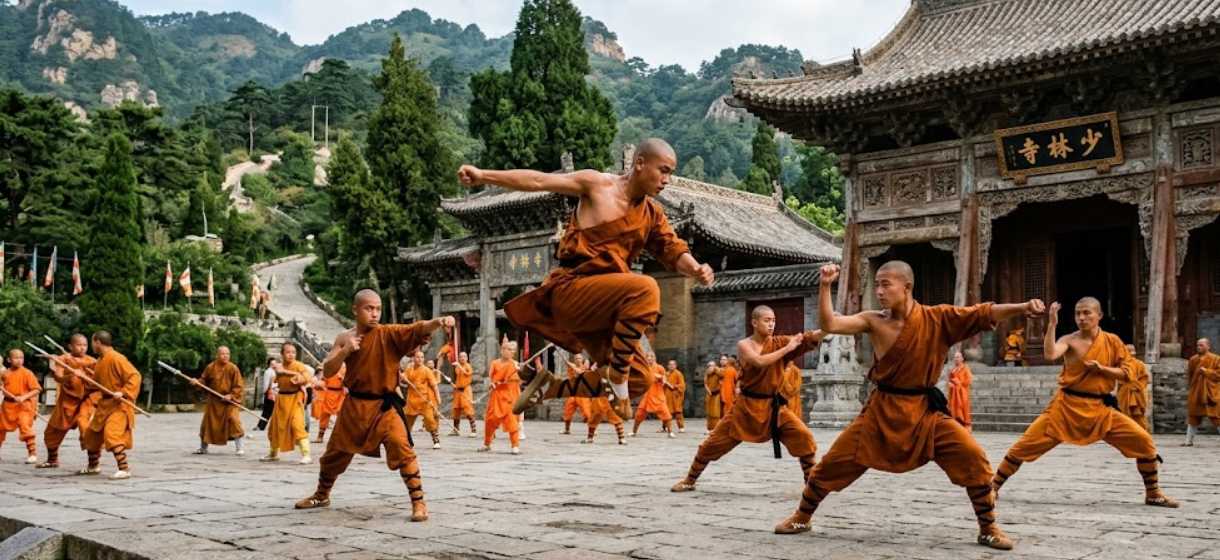
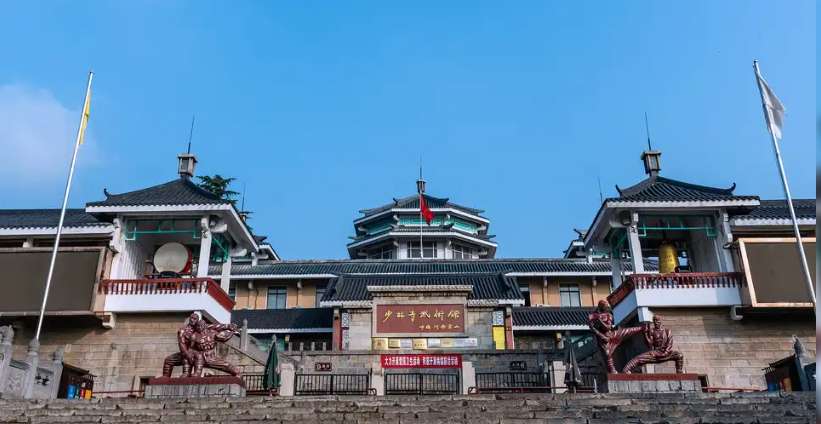
Shaolin Temple, on Mount Song in Henan Province, is famous for its connection with Chan Buddhism and Chinese martial arts. However, visitors should distinguish between staying in a Buddhist monastery and enrolling in a kung fu training program.
Who’s it for? The Shaolin Wushu International Training Center provides accommodation and meals for foreign students enrolled in its martial arts programs. It's an option for travelers who want to combine their visit to the Shaolin area with structured Kung Fu training. However, the accommodation is provided by the training center, not by Shaolin Temple itself, so this should not be confused with an overnight stay inside the monastery.
If you're interested in a training stay, contact the provider directly to confirm program dates, fees, accommodation location, room arrangements, meals, and foreign guest registration. Verify everything, as a training booking may not include an overnight stay inside the monastery.
Getting there: Zhengzhou is an affordable route for the Shaolin area with easy rail travel to Zhengzhou. Once in Zhengzhou, you can arrange onward road transport to Dengfeng and the Shaolin Scenic Area. A train ticket doesn't take you directly to the temple entrance, so confirm the final transfer before traveling.
These are some mainstream hotels near Shaolin Temple:
No. 15, Yangjiamen, Xuantianmiao Village, Shaolin Subdistrict
From
€14
💡Note: These are separate accommodation properties, not monastery rooms.
Whether you're enquiring about a temple guesthouse on Mount Emei, accommodation around Wutai Shan, or a martial arts program near Shaolin, it's important to understand what the quoted price includes before making arrangements. Temple accommodation can vary widely from place to place, so confirm costs and facilities directly with the provider.
How Much Do Temple Stays in China Cost?
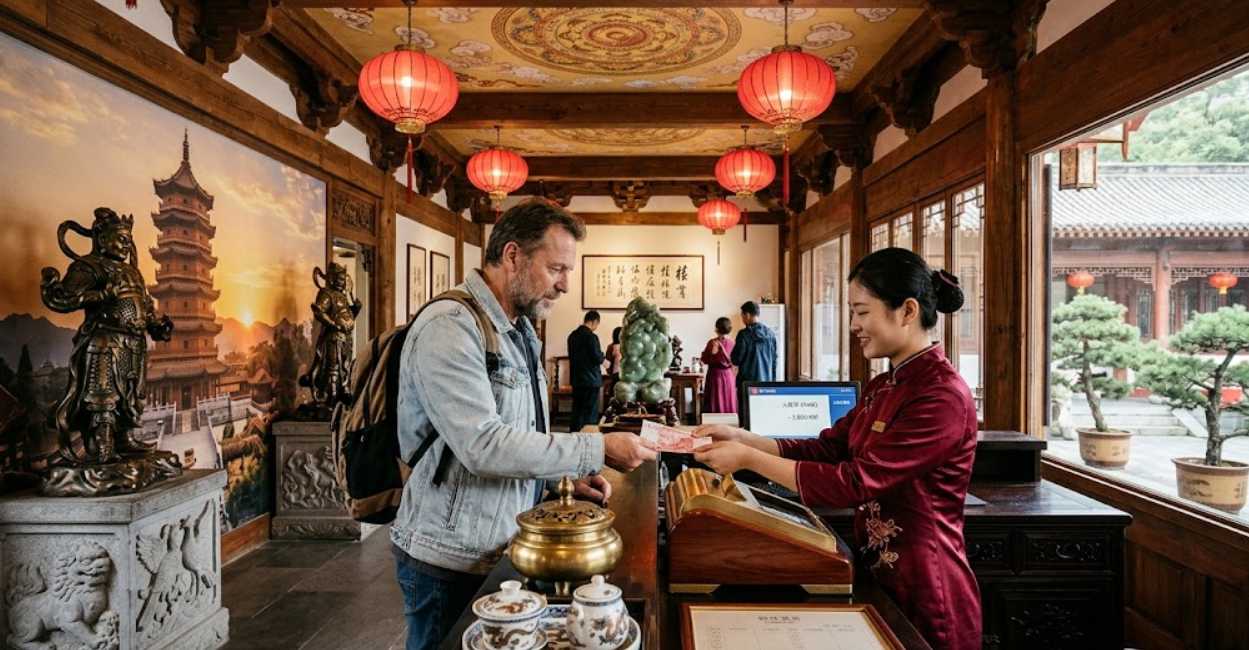
The cost of staying overnight at a Buddhist temple in China varies by monastery, accommodation type, and facilities provided. Some temples may offer simple pilgrim lodging, while others don’t provide overnight accommodation at all. Where rooms are available, charges may cover accommodation only, with vegetarian meals or other services priced separately.
Foreign visitors should confirm the total cost directly with the temple before traveling. You can also check whether they provide meals or require additional fees or donations. As accommodation arrangements and charges can change, avoid relying on prices published in older travel accounts.
💡Tip: Be cautious with prices quoted in older travel blogs. A rate published several years ago doesn’t establish what a temple charges today or whether it accepts foreign visitors now. For every quoted temple price, confirm the current amount directly with the temple reception “kètáng” (客堂) before traveling.
Car Rentals
Car Rental Promo Code - 8% Off
New User Enjoy up to 8% Off
TRIPCAR8
How to Book a Temple Stay in China Without Speaking Chinese

Arranging a temple stay in China usually requires more direct communication than booking a standard hotel. Many monasteries don't advertise rooms on international booking platforms.
Before making plans, contact the temple's guest reception office, known as the kètáng (客堂), and confirm the following:
- Ask whether foreign visitors can stay overnight. Check that the temple accepts guests traveling on foreign passports, as not every one is open to all visitors.
- Confirm accommodation registration. Ask whether the temple can complete the required foreign guest accommodation registration, either online or through the local public security authorities. A temple may be willing to host international visitors but unable to arrange the necessary registration.
- Verify the room arrangements. Find out whether you would sleep inside the monastery or in a separate guesthouse, and whether private rooms are available. Ask about shared bathrooms and whether sleeping areas are separated by gender, if this matters to you.
- Check the full cost and what's included. Confirm the accommodation price, whether vegetarian meals are included, and whether any donation or additional fee is expected.
- Get the arrangements in writing. Confirm your dates, room type, total price, check-in time, payment method, and cancellation terms before traveling.
If you don't speak Chinese, ask a Chinese-speaking friend, local guide, or travel agent to help contact the temple. You can also send a short message using the following wording:
您好,请问寺院目前可以接待持美国护照的外国游客住宿吗?可以办理外国人住宿登记吗?
Hello, does the temple currently accept foreign visitors holding US passports for overnight stays? Can you arrange the required foreign guest accommodation registration?
You can then ask:
- 有单人房吗? Do you have a private single room?
- 卫生间是独立的还是共用的? Is the bathroom private or shared?
- 住宿费用是多少? How much does the accommodation cost?
- 是否包含斋饭? Are vegetarian meals included?
💡Tip: If you're traveling on a passport other than a US passport, replace 美国护照 (US passport) with the relevant nationality. First wait for confirmation that the temple can accommodate your stay before paying a deposit.
See all attractions


What a Night in a Temple Is Actually Like
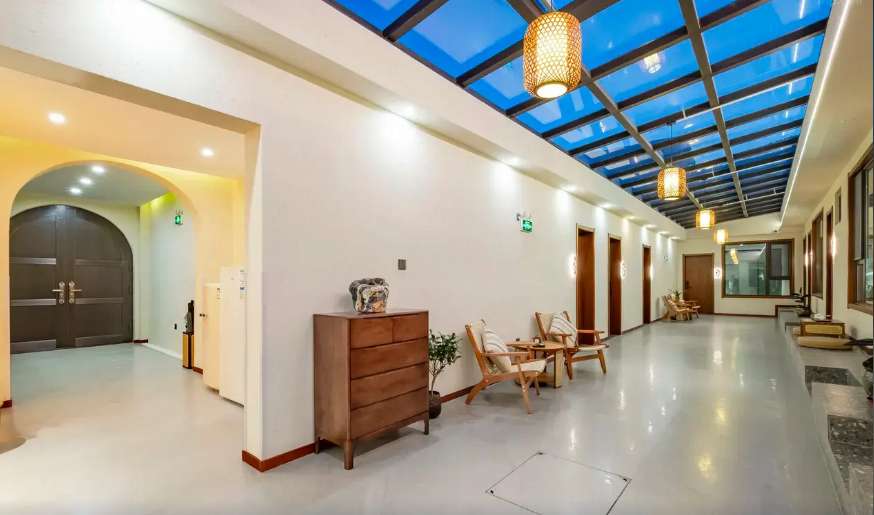
A monastery stay is more simpler than a hotel experience. You shouldn't expect private bathrooms, air conditioning, flexible meal times, or round-the-clock reception unless the temple confirms these facilities.
Daily routines may begin early, and visitors may hear bells, chanting, or other monastery activities. Some temples serve vegetarian meals, but participation in religious activities isn't necessarily included as part of an overnight stay.
If you want a quiet cultural experience and are comfortable adapting to the temple's schedule, this type of stay may appeal to you.
Is a Temple Stay in China Safe for Solo Female Travelers?
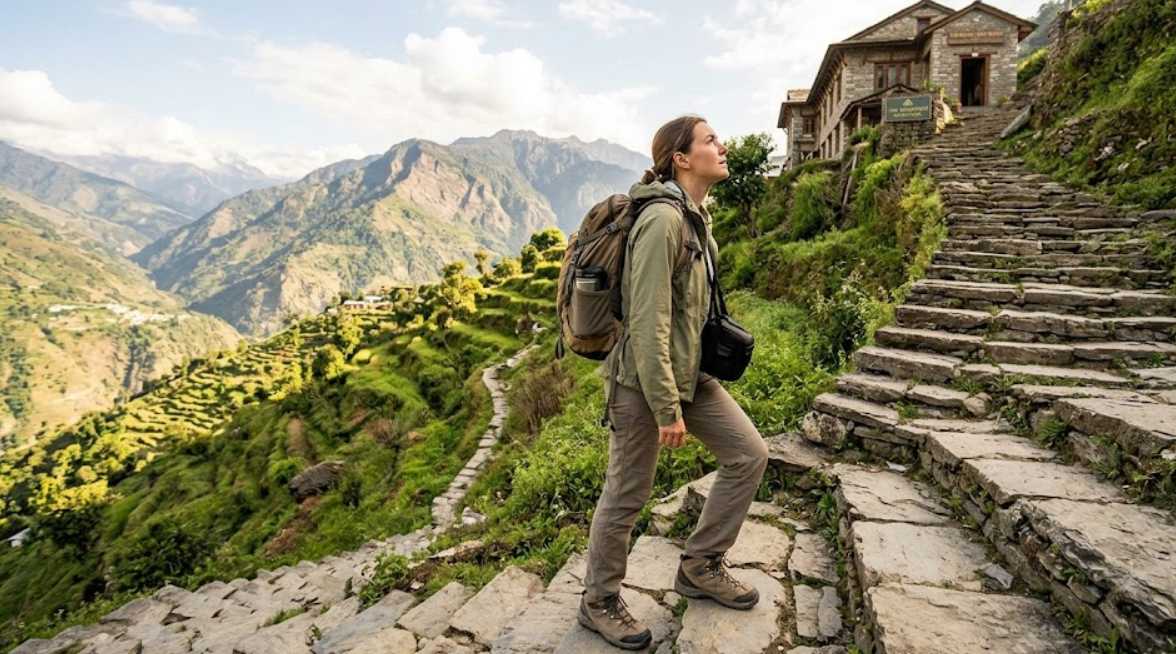
A temple stay may suit a solo female traveler, but comfort and privacy depend on the individual monastery. Some religious guesthouses may offer shared dormitories and communal bathrooms. Some offer private rooms, too.
Before booking, ask the following questions:
- Are there private rooms for women?
- Are the sleeping areas separate?
- Are the bathrooms separated by gender?
- Are the staff available at night, too?
If the temple can’t clearly answer these questions, or you feel uncomfortable with shared facilities, choose an alternative hotel instead.

Hong Kong Disneyland
4.7/5
16041 reviewsCarry an empty bottle to refill drinking water inside the park (bottle water which sold at the park is quite costly), refill station locate at every restroom area, water is nice with no weird taste btw. Highly recommend downloading the HK Disneyland app, map and shows schedule available (this actually help save time and find nice places to watch the parade/shows). The staff are very nice, attentive and cheerful. Restroom and dining area are very clean.
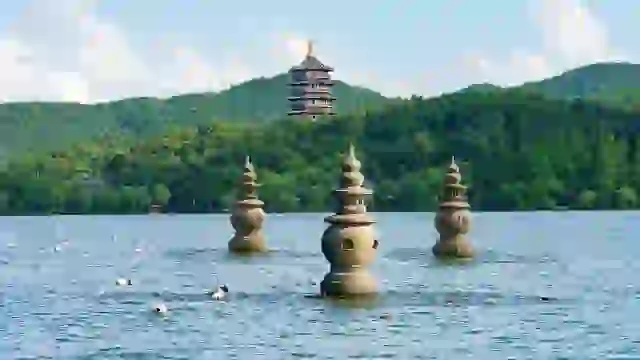
West Lake
4.7/5
3028 reviewsA beautiful boutique hotel. Stayed on 12 floor with a view of the lake. The staff are friendly and helpful

Badaling Great Wall
4.7/5
11977 reviewsOn the day of the visit, the cable car wasn't running (there was no advance announcement, or even a public address system), so the funicular was very crowded. The very long lines and long wait at the wall made it less of a thrill. It was very crowded on a Friday morning.
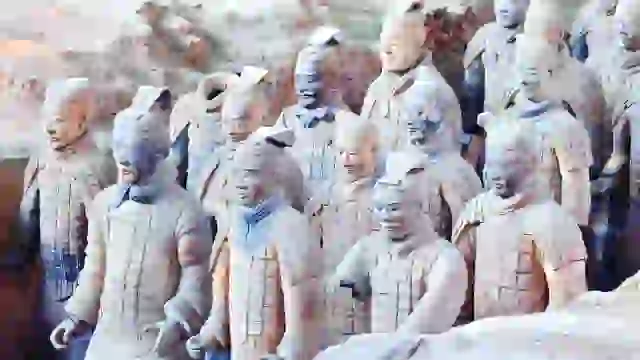
Emperor Qinshihuang's Mausoleum Site Museum
4.7/5
30394 reviewsIt is truly magnificent. Visiting a place I had only seen in books, I can only say that it is absolutely amazing. It seems like a must-visit tourist attraction. Although the weather was hot, the interior was cool. There are a lot of people. It is recommended to listen to the commentary receiver.
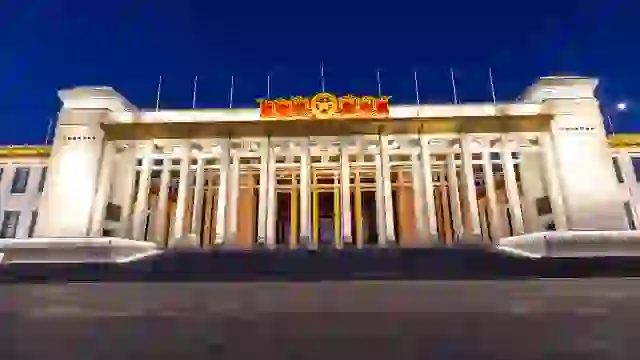
National Museum of China
4.8/5
550 reviewsOur guide, Gao Zhenyu, led us to this treasure trove. For each carefully selected artifact, Gao provided detailed descriptions of its provenance, offering stories of great depth and breadth. We learned a great deal. After exploring the B1 level (which was incredibly crowded!), we managed to visit two more exhibition halls within the limited time. This museum is truly vast and worth visiting multiple times.
Temple Etiquette Foreigners Get Wrong
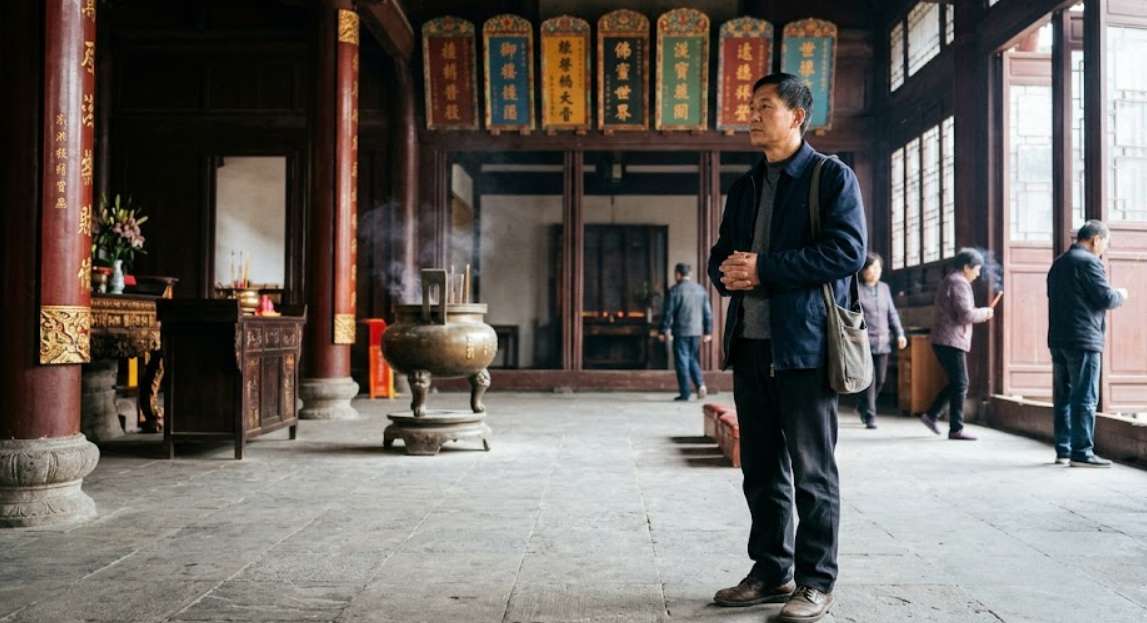
Temples are active religious spaces, not simply tourist attractions. Follow posted rules and instructions from monks or staff.
- Dress modestly: Choose clothing that covers your shoulders and knees when visiting worship areas.
- Ask before taking photographs: Don’t photograph monks, ceremonies, or restricted interiors without permission.
- Keep your voice low: Avoid loud conversations, music, and phone calls in prayer halls or shared accommodation.
- Respect religious activities: Do not interrupt chanting, meditation, or prayer sessions for photographs or questions.
- Follow local customs: Observe instructions about footwear, seating, and areas visitors can’t enter.
- Handle donations appropriately: If you wish to make an offering, use the temple's designated arrangements.
Where to Stay If You Can’t Get a Temple Room
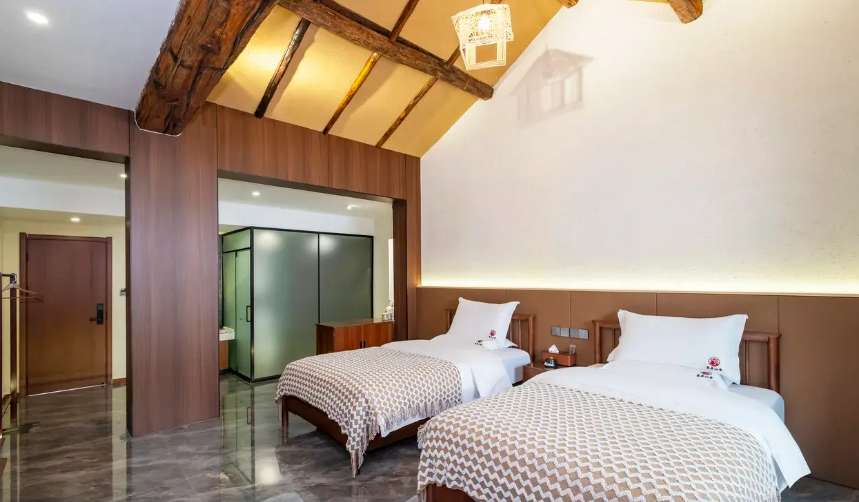
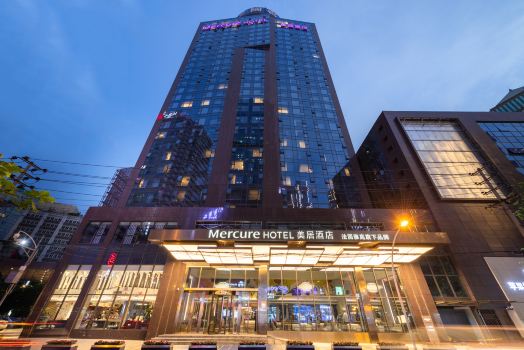
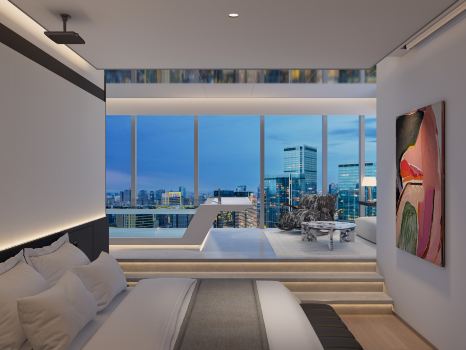
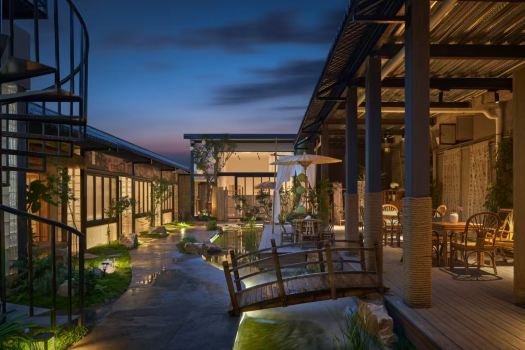
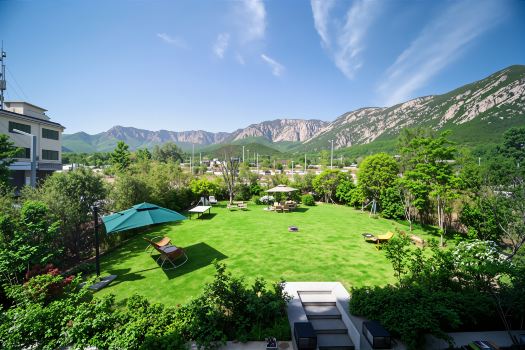
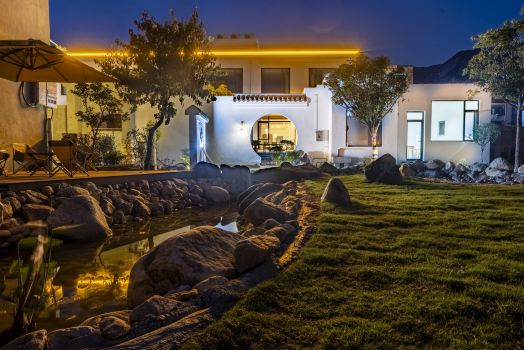
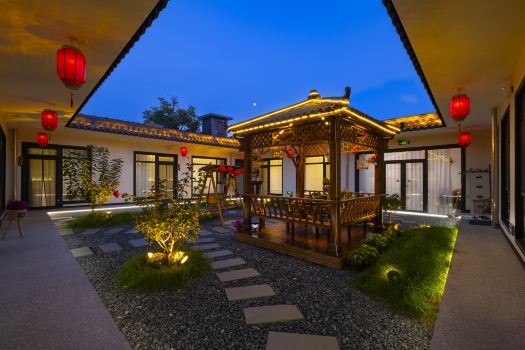
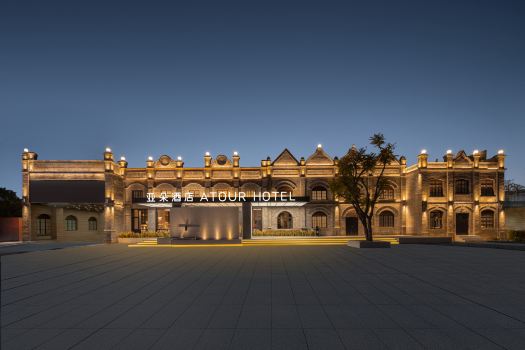
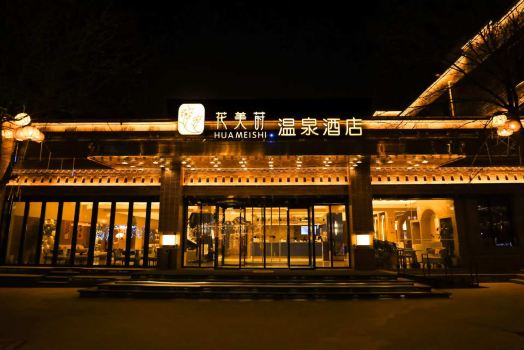
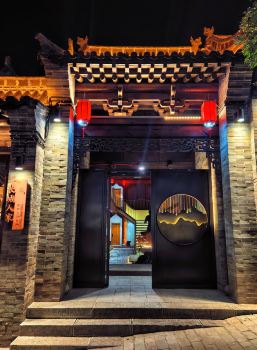
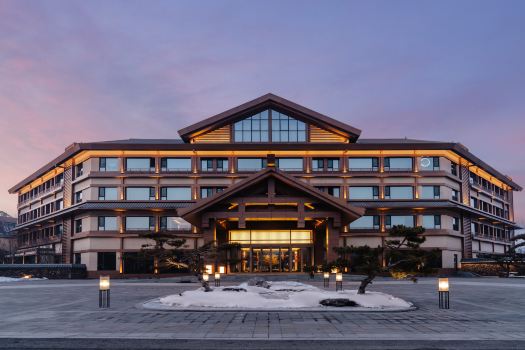
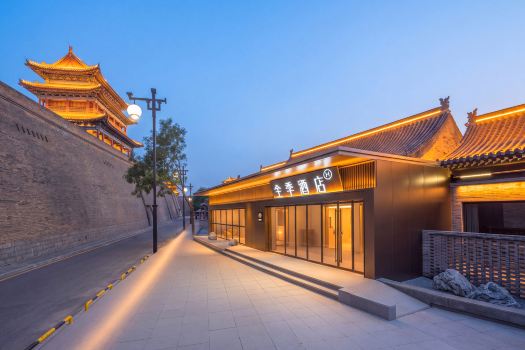
If no monastery can confirm your booking, staying nearby is the simplest alternative. You can visit the temple during its public opening hours while having a conventional room, predictable check-in, and access to hotel facilities.
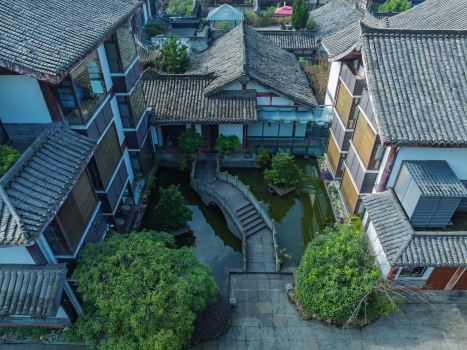
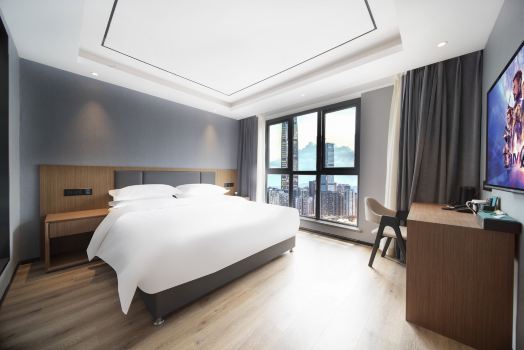
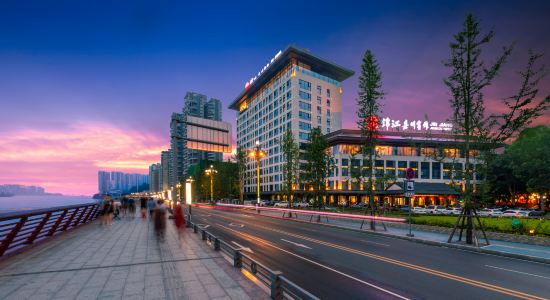
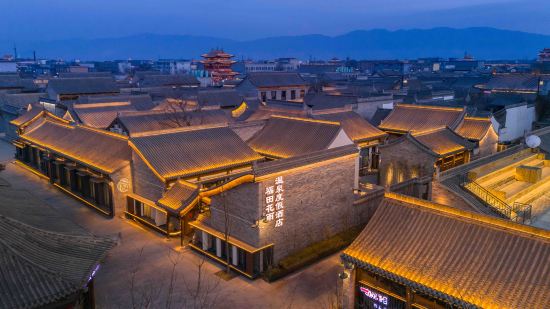
Use the Trip.com accommodation pages in the Emei Shan, Wutai Shan, and Shaolin sections to compare properties near the sites. Check the distance to your intended temple rather than relying only on the destination name in a hotel's listing. Some properties are in the wider scenic area and may require a taxi or local transfer.
When booking, enter your dates and check the property's conditions for foreign passport holders. If you are traveling independently, save the hotel's address in Chinese so you can show it to your driver.
Hotels in Chengdu
Hotels in Dengfeng
Hotels in Leshan
Hotels in Xinzhou
See All Hotels












FAQs About Temple Stays in China
-
Can foreigners stay overnight in Buddhist temples in China?
-
Do I have to be Buddhist to stay at a temple?
-
Do the temples provide private rooms for travelers?
-
Do foreigners need to register when staying at a temple?
-
Can I book a temple stay through Trip.com?
Disclaimer: This article has been provided by an individual contributor or third party platform. If there is any discrepancy regarding the copyright, please contact us directly and we will delete the content immediately.
Popular Searches
-
Air travel guide
-
Latest flight deals
-
Getting around
-
eSIM/SIM card