
Best 10 Recommended Hotels in United States
Enter your dates for the latest hotel rates and availability.
Find United States Hotels in Popular Cities

New York
792 hotels

Las Vegas
552 hotels

Los Angeles
1,580 hotels

San Francisco
272 hotels

Honolulu
386 hotels

Tamuning
22 hotels

Orlando
375 hotels

Chicago
400 hotels

Boston
206 hotels

Anaheim
155 hotels
United States Hotels in Popular Provinces

California
12,697 hotels

New York State
4,947 hotels

Nevada
1,115 hotels

Florida
22,976 hotels

Texas
13,239 hotels

Illinois
2,274 hotels

Hawaii
2,204 hotels

Massachusetts
1,985 hotels

Arizona
5,322 hotels
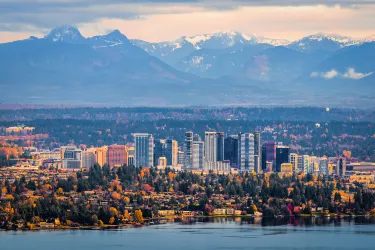
Washington
3,261 hotels
United States Hotels in Top Destinations

Central Park
567 hotels

Beverly Hills
62 hotels

Disneyland Park California
125 hotels

Santa Monica State Beach
60 hotels

Amazon Corporate Headquarters
126 hotels
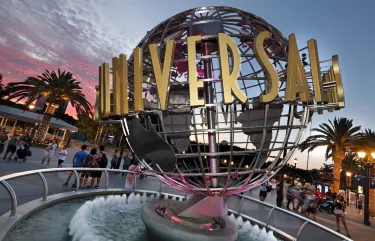
Universal Studios Hollywood
107 hotels

Union Square
237 hotels

Universal Orlando Resort
200 hotels

Waikīkī Beach
111 hotels

Walt Disney World Resort
207 hotels
Top Country Recommendations

China
290,472 hotels

Japan
30,665 hotels

Thailand
21,464 hotels

South Korea
21,555 hotels

Malaysia
10,738 hotels

Indonesia
25,641 hotels

Vietnam
14,270 hotels
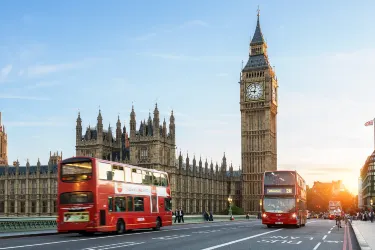
United Kingdom
25,528 hotels

Philippines
7,017 hotels
Better to Know Before Booking Hotels in United States
Traveling in the United States: Hotels and Planning Basics
The United States is large and varied enough that "visiting America" means very different things depending on where you go. Hotels span from budget chains to luxury resorts, and pricing varies dramatically by region and season. Understanding the scale and what different areas actually offer will save you time and money.
Hotel Costs Vary by Region and Season
Hotels in the United States range from $60–200+ per night for mid-range options, depending entirely on location. Major cities like New York and San Francisco run higher; smaller cities and rural areas are cheaper. Prices fluctuate significantly by season—summer is peak everywhere and expensive, while fall and winter offer discounts in most places. If you're flexible on timing, traveling in shoulder seasons (April–May or September–October) often means better rates and fewer crowds.
Major Cities and Regions
- New York is where many first-time visitors go. It's expensive, intense, and genuinely interesting—museums, theater, food from everywhere, neighborhoods with distinct characters. Budget $120–250+ for mid-range hotels. Most people spend 3–5 days here. The city is walkable and has solid transit; you don't need a car.
- Los Angeles is spread out and requires different planning. You'll need a car or rely on rideshare, which gets expensive. Beaches are a draw, but so is entertainment and dining. Hotels run $80–180 for decent mid-range options. It's less dense than New York but more varied geographically.
- San Francisco is compact, walkable, and one of the priciest cities in America. Expect $120–200+ for mid-range hotels. Good if you want urban exploration, food culture, and nearby natural areas like Marin County.
- Miami offers beaches, nightlife, and Cuban culture. It's warmer year-round but hot and humid in summer. Hotels range $80–180 depending on neighborhood and season. It's a gateway to the Caribbean if you want to combine destinations.
- Chicago is a more affordable major city with excellent museums, architecture, food, and transit. Hotels run $70–150. Less touristy than NYC or LA but still significant.
- New Orleans has distinctive culture—music, food, neighborhoods with real character. Hotels range $70–150 depending on location and time of year. Spring (before summer heat) is ideal but busier.
- Miami Beach and Florida offers warm weather year-round but is busiest and most expensive November–March. Shoulder seasons (April–May, September–October) are better for budget and fewer crowds, though September–October carries hurricane risk.
What to Actually Consider When Booking
You almost certainly need a car outside major cities. Public transit exists in New York, San Francisco, Chicago, and a few other places, but the rest of America is designed around driving. Factor this into your budget and planning.
Distances are deceptive. The US is enormous. A drive that looks short on the map might take 6+ hours. Plan accordingly if you're moving between regions.
Booking strategy depends on location. Major cities have abundant options; national parks and rural areas fill up quickly in peak season. Book ahead for park areas in summer.
Seasonal pricing is dramatic. Summer (June–August) is peak everywhere but expensive and crowded. Winter discounts many cities but brings cold and occasional snow. Spring and fall often offer the best balance of weather, prices, and crowds.
Read reviews carefully. Chain hotels are consistent, but independent properties vary significantly. Same goes for neighborhoods—where you stay in a city matters.
Why Book on Trip.com
You get price comparisons across regions and seasons. The platform covers everything from budget chains to independent properties. Guest reviews help you understand what you're paying for in each neighborhood or area. Search filters let you narrow by amenities, location, and price.
The United States is expensive compared to Asia but offers diverse experiences. Plan around what interests you—cities, beaches, nature, or a combination—and understand that you'll need a car and time for distances. Traveling in shoulder seasons or winter saves money if you're flexible.
Frequently Asked Questions
Which hotels in United States are the most popular?
How much is the average rate for hotels in United States?
Which are the recommended luxury hotels in United States?
Which hotels in United States are suitable for couples to stay in?
Which hotels in United States are recommended for travelers with children?
Which hotels in United States provide free Wi-Fi?
Which hotels in United States have spas that are worth experiencing?
What hotel promotions are there in United States?
Which hotels in United States provide high-quality breakfasts?
Which hotels in United States provide fitness facilities?
Which hotels in United States allow pets?
Which hotels in United States have swimming pools?
Property Information for Tourists
| Highest price | 4,829 BYN |
|---|---|
| Lowest price | 159 BYN |
| Number of reviews | 5,610,779 |
| Total properties | 174,917 |
| Weekday Avg. Price | 752 BYN |
| Weekend Avg. Price | 819 BYN |