
Chengdu Itinerary: 3, 5 & 7-Day Travel Guide


Chengdu is chilling in Sichuan Province with giant pandas, unreal food, centuries-old temples, and a laid-back vibe that'll have you extending your trip without even meaning to. There is genuinely never a bad reason to hang out with pandas, and there's something here for everyone.
Picture spending your morning watching locals do tai chi, then wandering historic streets in the afternoon. Still not sold? Food is the ultimate love language, and you can't skip a night of hotpot so spicy you'll be wheezing and chugging water between bites. Chengdu is seriously underrated, and honestly, just slowing down and soaking in the atmosphere hits as hard as checking another attraction off your list. This Chengdu itinerary breaks down what to do each day, where to stay, what to eat, and everything American travelers need to sort out before they go.
Flights to Chengdu
New York - Chengdu
Los Angeles - Chengdu
San Francisco - Chengdu
See all flights


What to Know Before You Go: Chengdu Travel Essentials
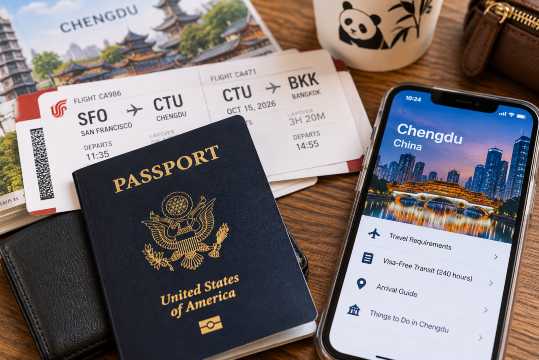
Before booking anything, make sure your passport, visa, and payment arrangements are sorted out. Traveling in China takes a little more preparation than visiting some other popular Asian destinations, especially when it comes to mobile apps and internet access. Getting these details organized before departure will make your arrival way easier.
Visa Requirements for Americans
Most U.S. passport holders need a Chinese visa for an ordinary vacation. Apply before departure rather than expecting to get one when you arrive. Check the official requirements and review national travel announcements before booking nonrefundable arrangements.
China also offers a 240-hour visa-free transit policy for eligible Americans traveling onward to a third country or region. This can allow a stay of up to 10 days under specific conditions, including eligible entry and exit ports, qualifying travel documents, and confirmed onward transportation.
For example, a qualifying journey from the United States through Chengdu to Thailand may be eligible, while a straightforward U.S.–China–U.S. round trip generally doesn't meet the third-destination requirement. The exact routing really does matter, so check official guidance before relying on the exemption.
Your passport should meet China's entry requirements, including the applicable validity and blank-page rules.
Currency and Payments
China uses the Chinese yuan, also called renminbi (RMB or CNY). Alipay and WeChat Pay are widely used for everyday purchases, including restaurants, shops, and transportation. International visitors can usually link eligible foreign bank cards, although acceptance and verification requirements vary.
Set up at least one payment app before leaving home. Bring a physical bank card and some cash as backups too, you shouldn't assume every small business like food stalls will accept credit cards directly. Having more than one payment option can save you a lot of trouble when you're trying to buy something simple.
Language and Cultural Norms
Mandarin Chinese is the official language, and you'll also hear Sichuan dialects around Chengdu. English isn't universally spoken, particularly at smaller restaurants and neighborhood shops, so download an offline translation tool and save your hotel's name and address in Chinese characters. People will appreciate your cultural respect of trying to say or learn a few basic words when communicating.
A few basic Mandarin phrases can make everyday interactions easier, even if you're relying on your phone for longer conversations. You don't need to speak the language fluently to enjoy Chengdu, but a little preparation helps. A "good morning," "how are you," or "thank you" from a tourist in someone's native language can go a long way. At temples, be sure to speak quietly and follow photography restrictions.
Internet Access and Essential Apps
Many international websites and apps, including some Google services, are restricted on mainland Chinese networks. Arrange your mobile connectivity before departure and check whether your international roaming plan or China-compatible travel eSIM supports the services you need. Don't assume every eSIM works the same way.
A useful app checklist includes Alipay, WeChat, DiDi for ride-hailing, Amap for navigation, a translation app, and Trip.com for reservations. Download what you need before flying, complete any required account verification, and save essential booking information for offline access.
Safety and Travel Documents
Chengdu is generally manageable for tourists, but normal travel precautions still apply. Keep an eye on your belongings in crowded areas, use legitimate transportation services, and avoid unofficial ticket sellers. It's also worth checking current travel advisories before your departure.
Carry your passport when required for identification, especially when traveling by train or entering ticketed attractions. Keep a digital backup of your passport information page, visa or applicable transit documents, hotel reservation, and onward flight details in case you need to retrieve them quickly.
Stay Connected With Trip.com!
See all attractions
 2228395 booked



Best Time to Visit Chengdu

Chengdu has four distinct seasons, although its cloudy skies and humid climate can make the weather feel different from what Americans might expect. The best time to visit depends on whether you're planning mostly outdoor sightseeing, cultural activities, or longer excursions into the surrounding region.
Season | Typical conditions | Best for |
|---|---|---|
Spring (March–May) | Mild temperatures, occasional rain, and blooming greenery | Parks, walking tours, and outdoor sightseeing |
Summer (June–August) | Hot, humid, and often rainy | Indoor attractions, evening food outings, and travelers comfortable with heat |
Autumn (September–November) | Generally comfortable temperatures, with cooler weather later in the season | City sightseeing and longer day trips |
Winter (December–February) | Chilly, damp, and frequently overcast | Teahouses, hotpot, and fewer crowds outside major holidays |
It might be best to visit Chengdu in April, May, late October, or early November. However, keep in mind that Chengdu can be cloudy and rainy even during these months. Spring and fall are great times to visit if you plan on spending a lot of time outdoors, like exploring temples, parks, and old parts of the city.
Also, be aware of Chinese public holidays. The Labor Day holiday and National Day holiday in early October cause a lot of people to travel within China. If you're traveling around these times, you'll need to book hotels, train tickets, and tickets to popular sights well in advance. If you can be flexible with your dates, avoiding these busy periods will likely make your trip more enjoyable.
℃|℉
Tomorrow
9 Nov, 2026
10
°

Overcast
10 ~ 18℃
9 Nov, 2026
Overcast
10℃ / 18℃
10 Nov, 2026

Cloudy
9℃ / 20℃
11 Nov, 2026
Cloudy
10℃ / 19℃
12 Nov, 2026
Overcast
11℃ / 18℃
13 Nov, 2026
Cloudy
11℃ / 17℃
14 Nov, 2026
Cloudy
11℃ / 19℃
Chengdu weather - best times to visit Chengdu
8 Nov, 2026 ChengduWeather:Overcast.Northeasterly wind:0–10 km/hour.Humidity:60%.Sunrise/sunset:07:24/18:11
ChengduTravel:Suitable.Umbrella:Not required.UV strength:Very low
Chengdu has a subtropical monsoon climate which means four distinct seasons with hot and humid summers, and cold and damp winters. The best times to travel to Chengdu are Spring (March to June) and Fall (September to November). In Spring, the city comes alive with refreshing spring colors. September to November has the most comfortable temperatures and no rain showers. While Summer (July and August) is the peak tourist season but expect regular rainfall and an average high temperature of 30 °C (85 °F). Winter in Chengdu is between December and February, the average low temperature is 2 °C (36 °F) with the coldest month being January. This is a low season for the city as the weather tends to be cold and damp, with some rainfall.Chengdu has a subtropical monsoon climate which means four distinct seasons with hot and humid summers, and cold and damp winters. The best times to travel to Chengdu are Spring (March to June) and Fall (September to November). In Spring, the city comes alive with refreshing spring colors. September to November has the most comfortable temperatures and no rain showers. While Summer (July and August) is the peak tourist season but expect regular rainfall and an average high temperature of 30 °C (85 °F). Winter in Chengdu is between December and February, the average low temperature is 2 °C (36 °F) with the coldest month being January. This is a low season for the city as the weather tends to be cold and damp, with some rainfall.
Show more
Getting to Chengdu: Flights and Arrival Tips

Chengdu has two major airports, and they're far enough apart that you'll want to double-check the airport code on your ticket. Flying from the US, you'll often connect through another Asian or Chinese hub, depending on the route and current airline schedules.
Chengdu Tianfu International Airport (TFU)
Tianfu handles a lot of international flights and is roughly 50 kilometers or more from central Chengdu, depending on where you're headed. Metro Line 18 links the airport to Chengdu South Railway Station, where you can hop on other metro lines.
Airport buses, taxis, and private transfers are also an option. What works best depends on your arrival time, how much luggage you have, and where your hotel is, so check the current transport schedule before you decide how to get into the city.
Chengdu Shuangliu International Airport (CTU)
Shuangliu is closer to the city center and handles a ton of domestic and regional flights. Metro Line 10 runs to the airport, with transfers to other parts of Chengdu. Line 19 also connects toward Tianfu Airport.
Pay extra attention if your trip involves switching between TFU and CTU. They're separate airports, and getting between them takes extra time. Check your terminals, train connections, and luggage setup before booking, especially if your flights are on separate tickets.
For late-night arrivals, booking a ride before you leave home is so much easier than figuring it out after a long flight. If you're traveling with kids or a bunch of suitcases, a prebooked transfer is probably worth it.
Getting Around Chengdu: Transportation Guide
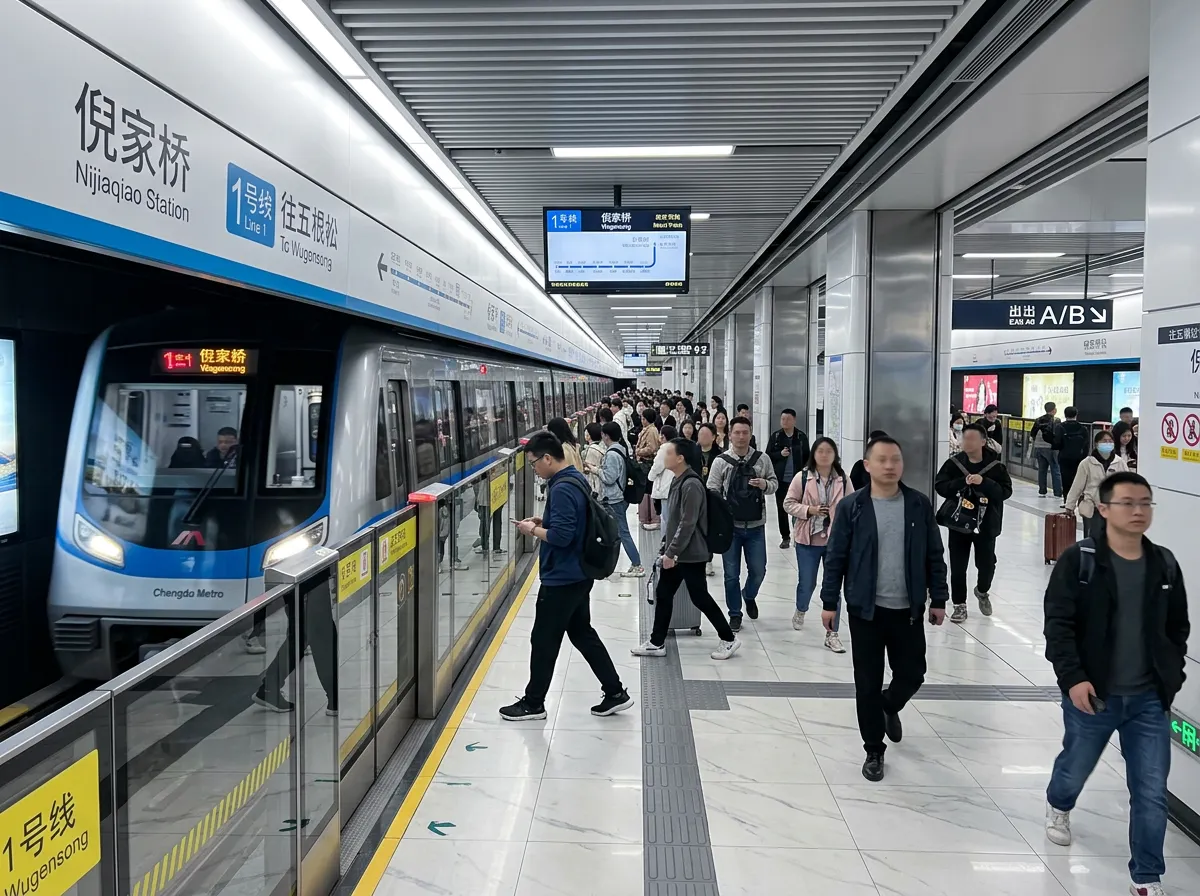
Chengdu's metro network is huge, and it's usually the easiest, cheapest way to get around. Stations have route maps and numbered lines, so it's pretty beginner-friendly even if you don't speak Mandarin. For most of this itinerary, you'll mix the metro with short walks and the occasional taxi.
Taxis and Ride-Hailing
DiDi is a lifesaver when you're tired, traveling with kids, or headed somewhere that's a pain to reach by metro. Taxis work too, but stick to official taxi ranks or reputable booking services instead of accepting random rides from people who approach you. Save your destination in Chinese characters so the trip goes smoother.
Bicycle Rentals
Shared bikes are everywhere in Chengdu, though the rental apps may need you to register and use a compatible payment method. They're best for short rides in bike-friendly areas.
Trains for Longer Journeys
If you're heading to Leshan, Dujiangyan, or Chongqing, high-speed trains are your best bet. Book your tickets ahead of time and enter your passport details exactly as they appear on your travel document. Double-check which station you're departing from, because Chengdu has several major railway stations.
Chengdu Itinerary Options: How Many Days Do You Need?

You could spend a week in Chengdu and still find plenty to do. But not everyone has that kind of time, especially if you're visiting several cities in China. The itinerary below gives you a starting point whether you're making a quick stop or planning a longer stay. For first-time visitors, three full days is the sweet spot.
Trip length | Recommended itinerary |
|---|---|
1 day | Giant Panda Base, People's Park, and a Sichuan dinner |
2 days | Add Wuhou Shrine, Jinli Old Stage, and Sichuan opera |
3 days | Follow the complete itinerary below, including modern Chengdu |
4 days | Add a relaxed food-focused day or a Dujiangyan excursion |
5 days | Spend three days in Chengdu, followed by Leshan and Dujiangyan |
7 days | Follow the five-day plan, then spend two days at Mount Emei or in Chongqing |

Chengdu Research Base of Giant Panda Breeding
4.6/5
25230 Reviews
 The best place in the world!!!!
$8
The Perfect 3-Day Chengdu Itinerary
Bellow is a smaple three-day plan that balances Chengdu's famous attractions with its everyday culture.
Day 1: Pandas, Parks, and Teahouse Culture
Morning: Chengdu Panda Base
First stop in Chengdu, we'll go straight to the pandas: the Chengdu Research Base of Giant Panda Breeding. You'll see giant pandas, red pandas, and learn about the conservation work happening behind the scenes. Watching pandas munch bamboo, climb trees, and occasionally play with water is honestly one of the most memorable parts of visiting Sichuan.
Pandas are more active when it's cooler in the morning so try to go early and expect crowds to roll in later. Hours change with the seasons. From March to October, doors usually open at 7:30 a.m. From November to February, it's 8 a.m. Plan on three to four hours there, especially if you want to see different areas without rushing.
Afternoon: People's Park and He Ming Teahouse
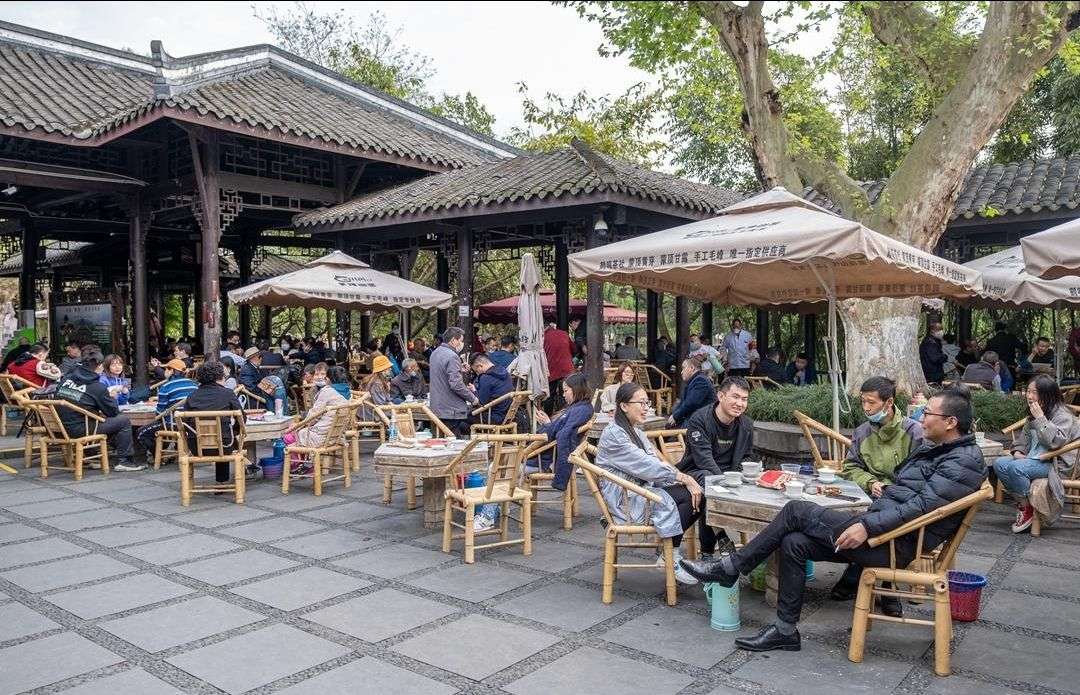
After the pandas, head to People's Park for a taste of everyday Chengdu life: locals play mahjong, doing morning exercises, catching up with friends, and sipping tea leisurely. It's the easiest way to tune into the city's pace. The Ming Teahouse is the go-to spot in the park. Grab a cup of jasmine tea, find a seat, and soak it all in instead of sprinting to the next destination. You might even spot people offering ear-cleaning services around the park.
Late Afternoon: Wenshu Monastery
Wrap up your sightseeing of the day at Wenshu Yuan, also known as Wenshu Monastery. It's a Buddhist site with traditional buildings, peaceful courtyards, and incense drifting through the air. Wander the grounds and be respectful of people who are praying. Around the monastery, you'll find spots serving vegetarian food, tea, and snacks. Keep dinner low-key tonight, because day two is when you're going to go all out with the Sichuan food.
Chengdu Panda Base Tickets & Tours
See all attractions




Day 2: Ancient Lanes, Sichuan Opera, and Iconic Food
Morning: Wuhou Shrine
Start your day 2 at Wuhou Shrine. This historical site is dedicated to Zhuge Liang and connects to the Three Kingdoms period. If you're into Chinese history, you'll find it interesting with its gardens, old buildings, and memorial halls. Plan for about one to two hours, depending on how much you look at the exhibits.
Late morning and lunch: Jinli Old Street
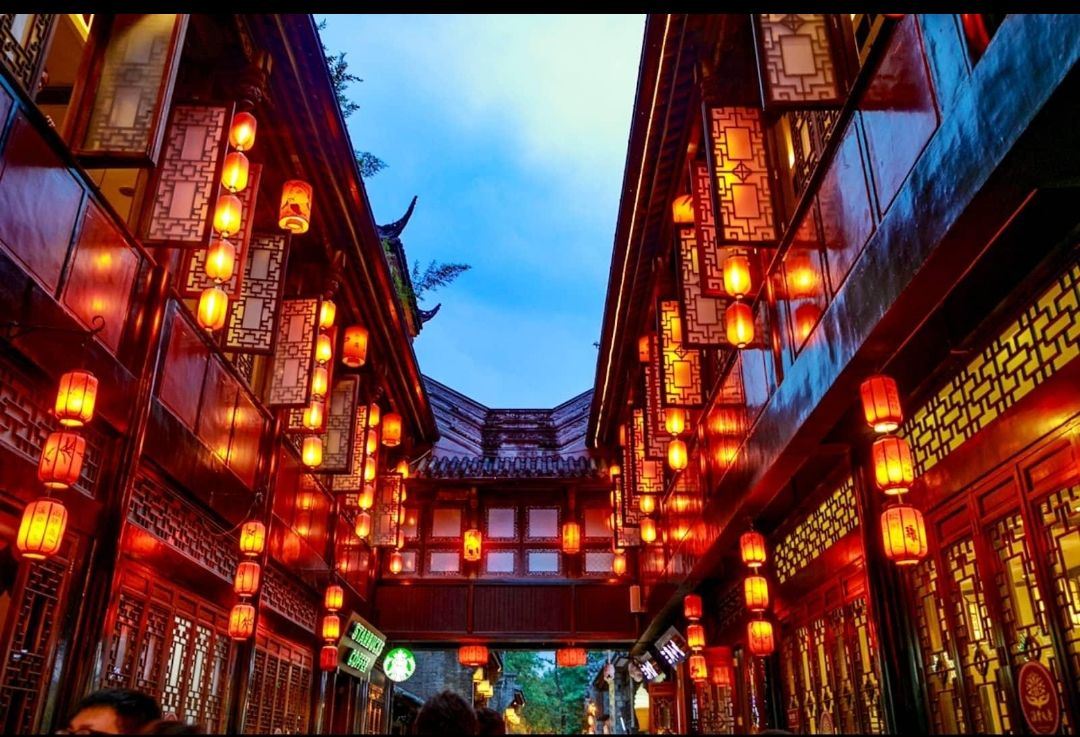
Jinli Old Street is right next to Wuhou Shrine. You'll see traditional buildings, lots of lanterns, shops selling souvenirs, and many food stalls, a good way to try Sichuan street food for the first time. Grab some dan dan noodles, spicy skewers, or just a few small snacks as you walk around. If you can't handle a lot of spice, ask for a milder version. Sichuan peppercorns give a unique tingly feeling, and the spice can be a surprise for newcomers.
Afternoon: Kuanzhai Alley
Next, go to Kuanzhai Alley, also called Wide and Narrow Alleys. This area has old-style buildings with shops, cafes, courtyards, and restaurants. It's a popular spot and can get crowded, but it's a nice place to take pictures and relax for the afternoon. If you find a courtyard or cafe you like, feel free to stop for a bit before your evening plans.
Evening: Sichuan opera and hotpot
Spend your evening watching a Sichuan opera. The performers are known for their incredible mask-changing act, called bian lian, where they switch masks very quickly. Shufeng Yayun is a popular venue for this.
After the opera, go for hotpot. If you prefer less spice, many places have pots with two sides call Yuanyang Guo, ask for one spicy and one non-spicy. Be prepared to smell like dinner afterwards; sitting around the hotpot means your clothes will soak in the steam and you'll likely carry the aroma with you.
Day 3: Modern Chengdu and the Tianfu Twin Towers

Morning: Eastern Suburb Memory
Your final day takes you away from the temples and traditional streets. Eastern Suburb Memory is a former industrial area transformed into a creative district with art spaces, shops, cafés, and performance venues. It's a fun place to explore Chengdu's contemporary culture, particularly if you enjoy photography, design, or finding interesting places to stop for coffee. Allow around two hours to wander through the district and enjoy its creative atmosphere.
Afternoon: SKP Chengdu
Next, visit SKP Chengdu, a luxury retail complex known for its contemporary design and landscaped surroundings. Even if you're not planning to shop, the architecture and public spaces are worth a look. It's a noticeable contrast to the historic neighborhoods you explored the day before.
You can have lunch nearby or use the afternoon for any sightseeing you missed earlier. Keeping this part of the day flexible also gives you a little breathing room before the evening's final stop.
Evening: Tianfu Twin Towers
If you’re spending the evening in Chengdu, head over to the Tianfu Twin Towers. Their lit-up façades and huge LED displays are worth a look, especially if you enjoy modern buildings and city views.
Departure Tip: This itinerary works best if you have three full days. If your flight leaves earlier on Day 3, prioritize Eastern Suburb Memory or SKP Chengdu and skip the evening activity. Travelers departing from Tianfu International Airport should allow additional time to reach the airport from central Chengdu.
If you have an early morning flight the following day, consider staying closer to the airport for your final night. That way, you won't have to worry about a long transfer when you're trying to catch an early departure.
Extending Your Trip: Chengdu Itinerary Beyond 3 Days
Three days will introduce you to Chengdu, but an extra two to four days opens up some fantastic possibilities.
Day 4: Leshan Giant Buddha Day Trip

The Leshan Giant Buddha is one of Sichuan's most impressive sights. Carved into a cliff overlooking the meeting point of three rivers, the enormous seated Buddha dates to the Tang Dynasty and stands approximately 71 meters tall. It's hard to appreciate the scale until you're standing nearby.
High-speed trains connect Chengdu with Leshan, often taking around an hour or a little longer depending on the service and departure station. From Leshan Railway Station, you'll still need local transportation to reach the scenic area, so account for that additional journey when planning your day. Book train tickets ahead of time during weekends and holidays.
Visitors can typically experience the Buddha from viewing areas on land or take a sightseeing boat for a different perspective. I'd allow most of the day for this excursion rather than trying to squeeze it between other major attractions.

Leshan Giant Buddha
4.7/5
7138 Reviews
 Fantastic view to historical giant buddha of lehsan
$12
Day 5: Dujiangyan Irrigation System and Panda Valley
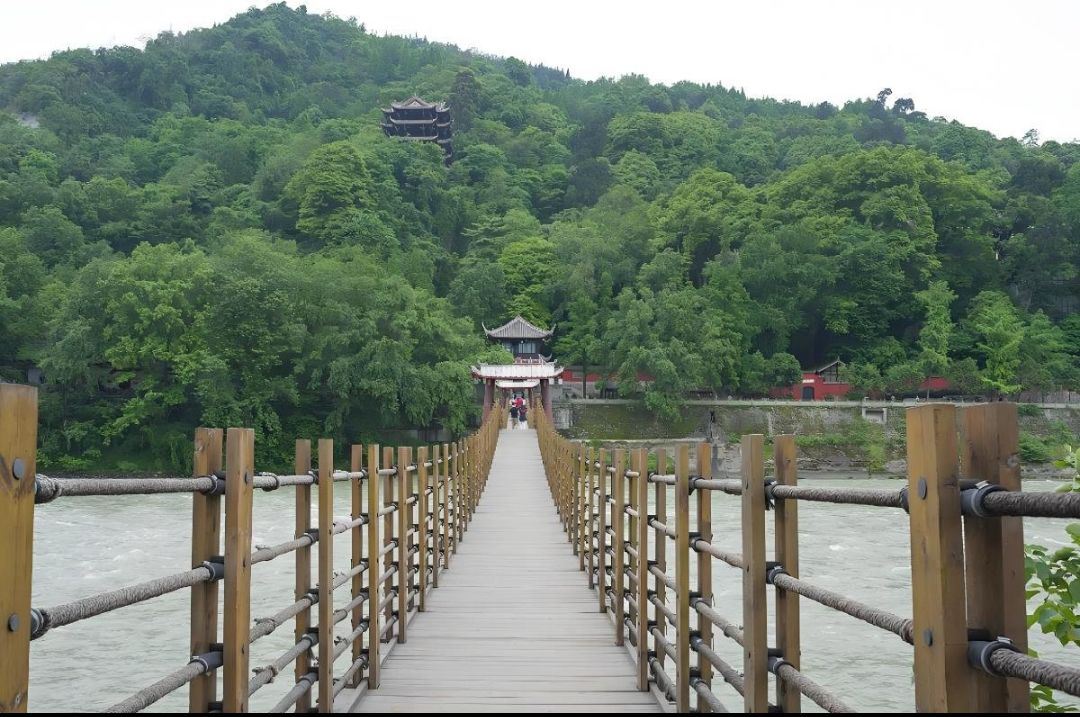
Dujiangyan is one of the most interesting excursions near Chengdu. Its famous irrigation system dates back more than 2,000 years and continues to demonstrate the ingenuity of ancient Chinese engineering.
The system was designed to manage water from the Min River and help irrigate the Chengdu Plain without relying on a conventional dam. Walking through the scenic area gives you a chance to see historic structures, bridges, waterways, and mountain scenery. High-speed trains from Chengdu can make Dujiangyan accessible as a day trip.

Dujiangyan Irrigation System
5/5
8 Reviews
 Right after Panda Valley, we hit up Dujiangyan—and hiring a private guide for our group of 5 (300 RMB total) was the best move we made! For just 15 RMB each, the round-trip shuttle saved our legs, leaving all our energy for exploring. Absolutely marvelled at how this 2,000-year-old, irrigation system still tames roaring waters and supplies nearby cities today. Super fascinating, deeply educational, and a true ancient engineering marvel!
Visiting Panda Valley
Panda Valley is a separate panda attraction in the Dujiangyan area and can be an option for those feeling not enough for panda encounter.
Days 6–7: Emei Mountain or Chongqing

After three days in Chengdu and two days exploring Leshan and Dujiangyan, you can use your final two days for a mountain escape or another exciting Chinese city. Both options are worthwhile, but they offer very different experiences.
Option 1: Emei Mountain
Mount Emei is one of China's sacred Buddhist mountains, known for its temples, forested landscapes, and dramatic viewpoints. It's best experienced with an overnight stay, particularly if you want time for the mountain's higher elevations without rushing through the journey.

Mount Emei
4.8/5
39539 Reviews
Fantastic journey to emeishan of holly mountain$12
Weather conditions can change quickly, and fog may obscure the views. Pack appropriate layers and check transportation arrangements before traveling. If you enjoy hiking, religious history, or mountain scenery, this would be my choice for a quieter conclusion to the trip.
Option 2: Chongqing
Chongqing is an excellent addition if you prefer another city rather than a mountain excursion. High-speed trains connect Chengdu and Chongqing, with some services taking roughly one to two hours depending on the stations and train type. Chongqing is famous for being a city built on dramatic hills with river views, illuminated skyline, and hotpot culture.
Leshan Giant Buddha & Dujiangyan Day Trips
See all attractions



Where to Stay in Chengdu: Best Neighborhoods for Travelers
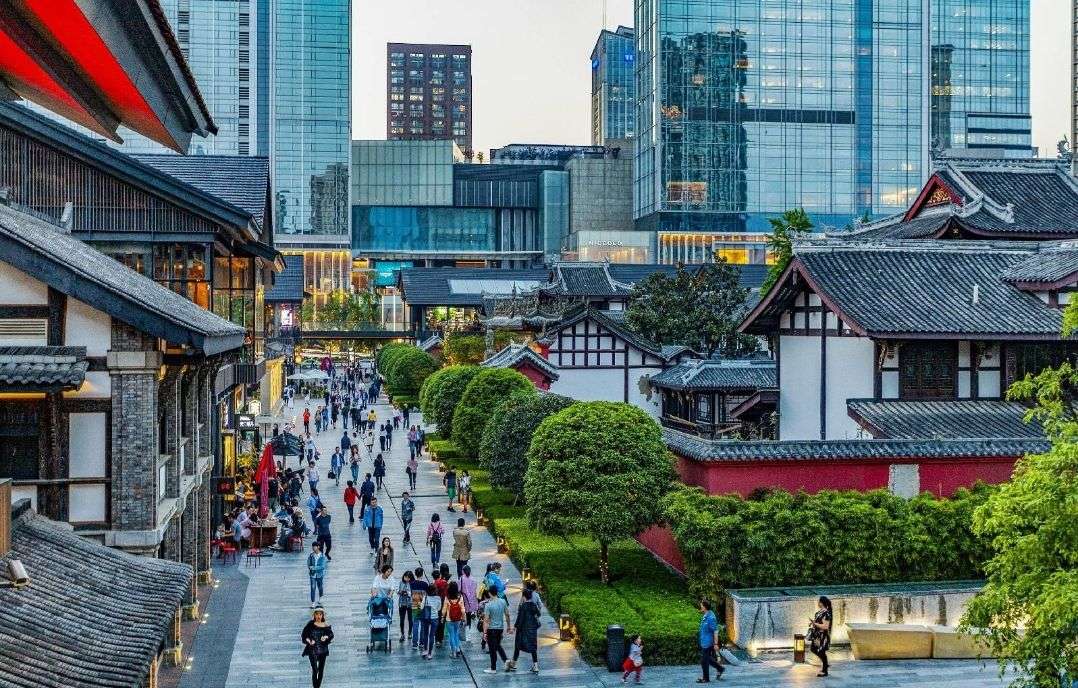
Choosing the right neighborhood can make a big difference. I'd focus on convenience rather than automatically booking the cheapest room you can find, since a well-located hotel can save time on transportation and make it easier to relax your body after a long day of sightseeing.
Neighborhood | Best for | What to expect |
|---|---|---|
Chunxi Road / Taikoo Li | First-time visitors | Central location, shopping, restaurants, and convenient metro access |
Sightseeing and transportation | Good access to central attractions and metro connections | |
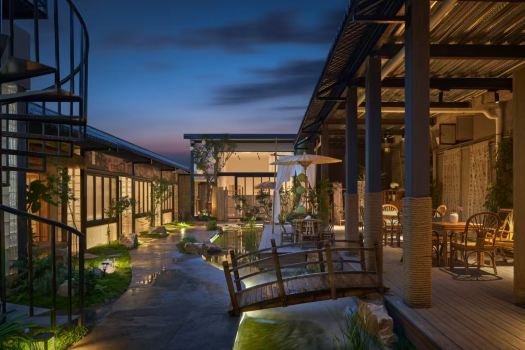
Kuanzhai Alley area | Historic atmosphere | Traditional-style surroundings, cafés, and boutique accommodation |
Wenshu Monastery area | Quieter stays | Cultural attractions and a more relaxed neighborhood feel |
Financial City / Tianfu New Area | Modern hotels and business travelers | Contemporary properties and newer developments, farther from some historic attractions |
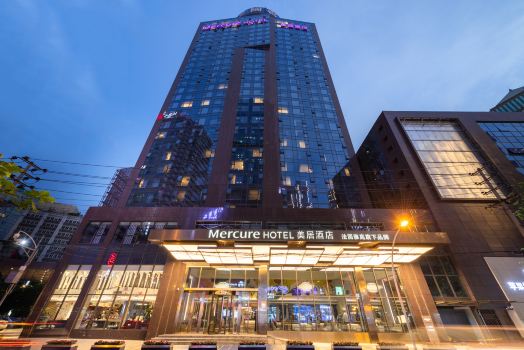
For a first visit, I'd choose Chunxi Road or Tianfu Square because both make it relatively easy to follow the itinerary without spending too much time traveling back and forth. Budget travelers can look for hostels and simple hotels near metro stations, while midrange travelers will find lots of modern business and international-chain hotels.
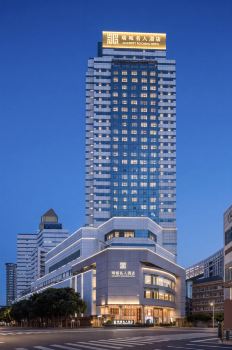
Luxury travelers have several upscale options around Taikoo Li and the city's newer commercial districts. Wherever you stay, bring your original passport for check-in and make sure your reservation details match your travel documents. If you're arriving late, let the hotel know your expected arrival time.
Where to Stay in Chengdu
See All Hotels



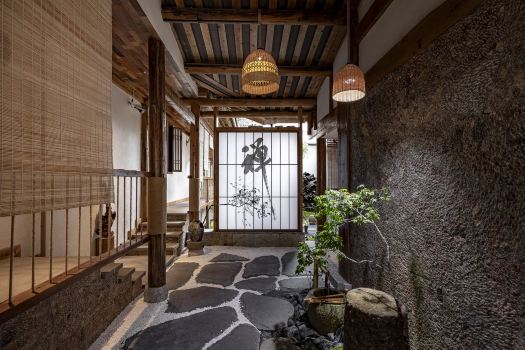
What to Eat in Chengdu: The Ultimate Sichuan Food Guide
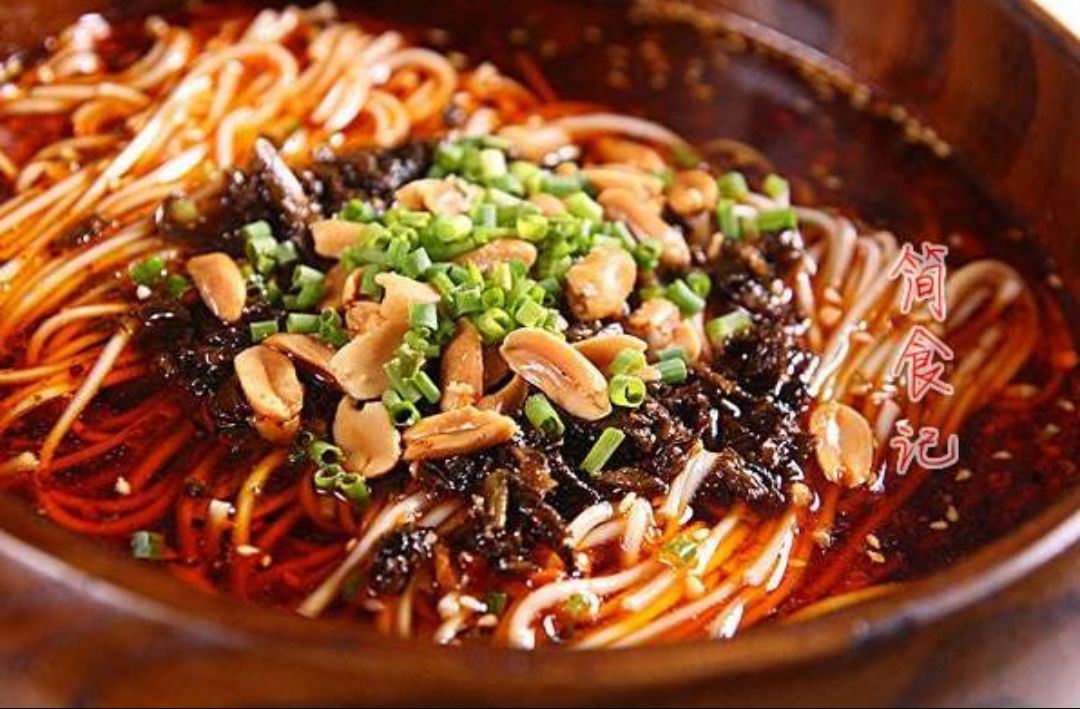
Chengdu is a fantastic destination for people who plan their vacations around food. Sichuan cuisine is famous for bold flavors, chili oil, garlic, fermented ingredients, and Sichuan peppercorns. That last ingredient produces the tingling, slightly numbing sensation known as ma, while la refers to spicy heat.
Together, they create the signature mala flavor you'll encounter throughout Chengdu. But Sichuan food isn't all about setting your mouth on fire. There's so much variety, including savory, tangy, aromatic, and mildly seasoned dishes, so even travelers who aren't enthusiastic about spicy food can find something to enjoy.
Essential Sichuan Dishes to Try
Chengdu has plenty of specialties worth ordering, and you don't need to visit an expensive restaurant to enjoy them. From noodle shops to neighborhood eateries, you'll find dishes that showcase different sides of Sichuan cooking.
- Mapo tofu: Soft tofu in a savory, often spicy sauce with minced meat and Sichuan peppercorns.
- Dan dan noodles: Noodles served with a flavorful sauce, chili oil, preserved vegetables, and often minced pork.
- Kung pao chicken: Stir-fried chicken with peanuts, chilies, and a balance of savory and slightly sweet flavors.
- Zhong dumplings: Chengdu-style dumplings commonly served with chili oil and a sweet-savory sauce.
- Long chaoshou: Sichuan wontons served in broth or seasoned sauce.
- Chuan chuan: Skewered ingredients cooked in a spicy broth, somewhat similar to hotpot.
- Rabbit head: A local specialty that adventurous eaters may encounter at snack shops and markets.
Where to Find Local Food in Chengdu
One of the best parts of traveling is trying the local food and snacks. I’d start with Jinli Old Street and Kuanzhai Alley for snacks, but I wouldn’t stop there. Head to the residential neighborhoods to try the restaurants people visit for an everyday meal. Staying outside of the tourist bubble is where this usually gives you the most bang for your buck, and an authentic experience of eating something different from what you're used to.
English menus can be harder to find, so you'll need a camera translation app for sure. You might like a little adventure with dinner, but unless you're Anthony Bourdain, you'd probably also like to know what you're ordering. Just saying.
Yulin would be on my list for a wander and something to eat, too. Ask the hotel staff where they go for a casual meal nearby. That gives you somewhere to start, although the ability to get distracted by another snack should never be underestimated.
Chengdu Hotpot: Everything You Need to Know
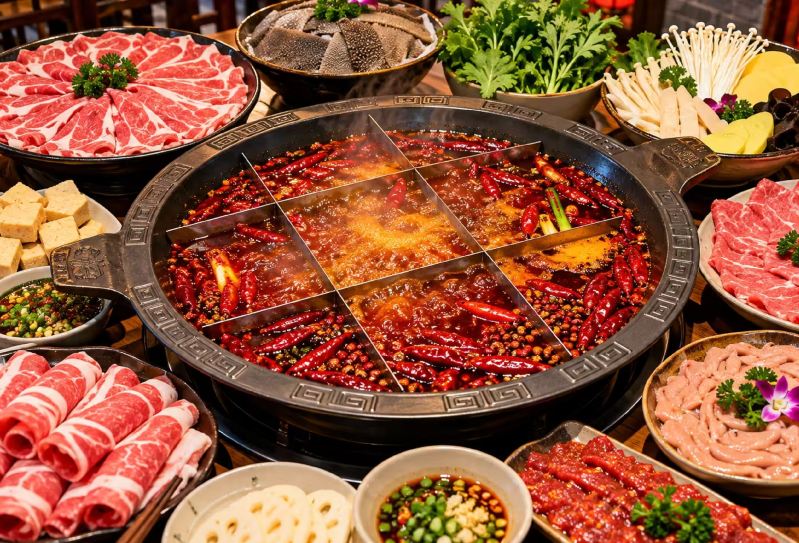
Foodies, assemble! Hotpot deserves its own mention when talking about food in Chengdu. You get a pot of bubbling broth at your table, order the ingredients you want, and cook them yourself as you eat.
You can add:
- Thin slices of beef or lamb
- Mushrooms
- Greens
- Tofu
- Noodles
- Seafood
- Offal (if you feel like trying something different)
The broth will bring it all together. A traditional spicy Sichuan version usually includes dried chilies, Sichuan peppercorns, and other spices for that signature hot, tingly flavor.
How to Order Chengdu Hotpot
For a less intense experience, ask for a divided pot, sometimes called a yuan yang pot, with spicy broth on one side and other flavored broth on the other. You'll also find dipping sauces, often involving sesame oil, garlic, and other seasonings.
Choose a selection of ingredients, add them to the simmering broth, and cook each item thoroughly before eating. My advice is to start with a moderate spice level, especially if you've never had authentic Sichuan hotpot. You can always make your next meal spicier.
Where to Try Hotpot in Chengdu
Established local chains such as Shu Daxia and Xiaolongkan are recognizable starting points, although branches, menus, and service quality can vary. For a more neighborhood-focused experience, ask your hotel for a nearby restaurant popular with local residents.
If you're visiting during a busy dinner period, be prepared for a wait at popular restaurants. Going a little earlier or choosing a less crowded branch can make the experience more comfortable, especially when you're traveling with children.
Chengdu Food Tours & Sichuan Cooking Experiences
See all attractions



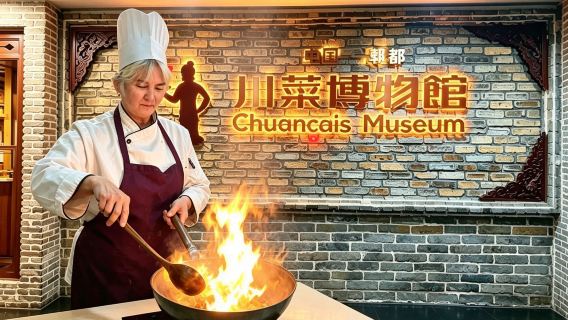

Top Attractions in Chengdu: Don't Miss These on Your Itinerary

If you're still deciding what to prioritize, this quick-reference checklist brings Chengdu's major attractions and nearby excursions into one place.
Attraction | Suggested time | Planning tip |
|---|---|---|
Chengdu Research Base of Giant Panda Breeding | 3–4 hours | Reserve ahead and visit early |
People's Park | 1–2 hours | Allow time for tea |
Wenshu Monastery | 1–1.5 hours | Respect worshippers |
Wuhou Shrine | 1–2 hours | Combine with Jinli |
Jinli Old Street | 1–2 hours | Expect crowds |
Kuanzhai Alley | 1–2 hours | Best explored on foot |
Eastern Suburb Memory | Around 2 hours | Good for a flexible afternoon |
Tianfu Twin Towers | 30–60 minutes | Confirm any special show schedule |
Leshan Giant Buddha | Full-day excursion | Allow time for local transfers |
Dujiangyan Irrigation System | Half to full day | Combine with nearby attractions |
Chengdu
Practical Tips for Your Chengdu Itinerary

Once you've arranged your entry documents, mobile apps, and accommodation, a few small decisions can make the actual trip much easier. Chengdu is a city where it's worth balancing sightseeing with time to enjoy the atmosphere, so don't feel pressured to pack every possible attraction into your schedule.
Pack for Changing Weather
Off the top of my head:
- Lightweight waterproof jacket
- Compact umbrella
- Comfortable walking shoes
- Hair ties for ladies (You always need these, I swear!)
Chengdu's damp weather can make a long outdoor sightseeing day uncomfortable if you're unprepared.
If you're visiting during winter, bring warm layers that can handle chilly, damp conditions. Summer visitors should prioritize breathable clothing and be prepared for humidity and occasional heavy rain.
Plan for Dietary Needs
If you have food allergies or dietary restrictions, prepare a translation card explaining them in Mandarin. Some Sichuan dishes contain peanuts, sesame, soy, shellfish, or other ingredients that may not be obvious from the menu. You shouldn't assume a dish is vegetarian simply on the apperance, since meat-based broths and sauces are commonly used in Chinese cooking. Don't expect every menu to have ingredients listed. When necessary, ask restaurant staff to confirm.
Bring Medication and Consider Travel Insurance
Keep any prescription meds in their original packaging, and check China’s rules before bringing in controlled medications. Travel insurance that covers medical care and interrupted trips is something you should consider as well. Make sure your paperwork and insurance details are easy to find in case you need them.
The pandas alone are worth a trip to Chengdu, but there’s plenty more to love, from the food and history to everyday life around the city. Leave some room in your schedule to wander, stop for a meal, and enjoy whatever you come across. Some of your favorite moments might happen between the big sights.
Chengdu Itinerary FAQs
-
Is three days enough for Chengdu?
-
Is Chengdu worth visiting for American tourists?
-
What is the best month to visit Chengdu?
-
Can you visit Chengdu and Chongqing in one trip?<br>
-
Do Americans need a visa to visit Chengdu?
Disclaimer: This article has been provided by an individual contributor or third party platform. If there is any discrepancy regarding the copyright, please contact us directly and we will delete the content immediately.
Popular Searches
-
Getting around
-
Popular attractions
-
Connectivity
-
Trending Searches
- SHIBUYA SKY Ticket
- Shanghai Disneyland Tickets
- Universal Studios Hollywood Tickets
- Universal Studios Hollywood Early Entry
- Shanghai Tower Tickets
- Beijing studio minisite
- Sphere Tickets
- Universal Studios Japan Tickets
- georgia aquarium tickets
- Shanghai Disneyland Early Entry
- Universal Studios Singapore
- Great Wall of China
- Guangzhou Attractions
- How to Book China Attraction Tickets
- Zhangjiajie National Forest Park
- US Fedural Holidays
- taipei night market
- Halloween
- Thanksgiving
- Best time to visit Cancun
- Cancun All Inclusive Resorts
- Things to do in Cancun
- Is cancun safe
- Taos Ski Valley
- Zoo Lights
- Taste of China
- Japan Ski Resorts
- Meituan App
- Hong Kong Airport
- China Eastern Airlines Check in
- Hotels near Ikea
- Dallas to Seattle Flight Time
- Best hotels near Busch Gardens Williamsburg
- Tokyo Disneyland Tickets
- Best hotels near Madison Square Garden
- hotel-poi
- Flights from this city to this airport
- Flight times between these cities
- Hotel location
- Domestic Flights