Can I Bring Spray on a Plane? Aerosol Rules & Limits

When you’re packing for an international trip, many travelers wonder about the rules for bringing sprays on a plane—can facial mists, hairspray, or spray sunscreen come on board?
In this guide, Trip.com breaks down the specific rules for aerosols, liquids, and pressurized containers in both carry-on and checked baggage, so you can head out with confidence.
To Shanghai
To Bangkok
To Tokyo
See all flights


Flying with Aerosols | Carry-On Liquid Rules
Under standards set by the International Civil Aviation Organization (ICAO) and aviation security agencies worldwide, any aerosol you bring on board in your carry-on must strictly comply with the security rules for liquids, aerosols, and gels (LAGs).
These guidelines mainly apply to containers 100 ml or less:
- Container capacity: Each spray container must be 100 milliliters (ml) or less. This refers to the labeled capacity of the container itself, not the amount remaining. Even if there’s only 10 ml left inside, if the bottle is labeled 150 ml, you can’t bring it on the plane.
- Clear plastic bag: All sprays of 100 ml or less must be placed in one clear, resealable plastic bag with a capacity of no more than 1 liter (about 20 cm x 20 cm).
- Per-person limit: Each traveler may carry only one clear plastic bag of this type. When you go through the security checkpoint, you must remove the bag from your carry-on and place it in a bin by itself for X-ray screening.
Understanding the Flammable Spray Icon
Even if they meet the 100 ml capacity limit, not every type of aerosol spray is allowed on a plane. Travelers must check the warning labels on the container.
If you spot the 🔥 flammable symbol (a flame icon) on a spray can, it means there are flammable gases or substances inside. Common items include:
- Strong-hold hairspray from select brands
- Spray paint or industrial cleaning agents
- Certain fragrance sprays with high alcohol content
For items bearing the flammable symbol, aviation safety rules are very strict: most containers of flammable gas aren’t allowed in carry-on baggage. If the aerosol is classified as a personal care item (like facial toner or deodorant) and is 100 ml or less, some airlines may allow it—but anything for industrial use is strictly prohibited.
To keep your trip hassle-free, opt for non-aerosol alternatives whenever possible.
Spray Capacity Limits for Checked Bags
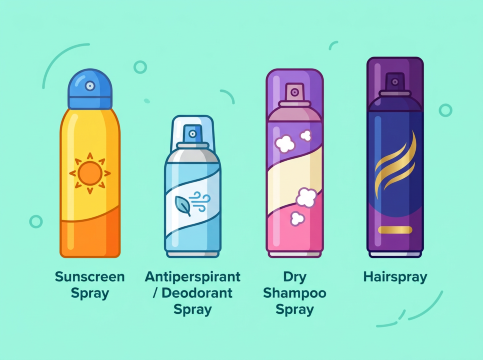
Spray Products
If your aerosol is over 100 ml, you’ll need to consider the other way to bring it on the plane—checking it instead. The rules for aerosols in checked baggage are different from carry-ons, with the emphasis on total quantity limits.
According to the internationally recognized Dangerous Goods Regulations (IATA DGR), you can place personal-use toiletry aerosols and non-radioactive medical aerosols in your checked baggage, as long as they meet the following requirements:
- Single-container limit: Each container’s net contents must not exceed 0.5 liters (500 milliliters) or 0.5 kilograms.
- Overall capacity limit: In your checked baggage, the total net amount of all such items—including perfume and alcohol-containing medicines—must not exceed 2 liters or 2 kilograms per traveler.
- Nozzle protection: Make sure the spray bottle’s nozzle has a protective cap, or is otherwise properly secured (such as placed in a dedicated protective cover), to prevent accidental release of the contents during vibrations in the cargo hold.
Common aerosols you can place in your checked bag include sunscreen spray, antiperspirant/deodorant spray, dry shampoo spray, and hairspray.
Special Precautions for Sunscreen Sprays and Medicated Sprays
On island getaways, sunscreen sprays are a crowd favorite. If you’re bringing these sprays on a plane, travelers should pay special attention to the packaging type.
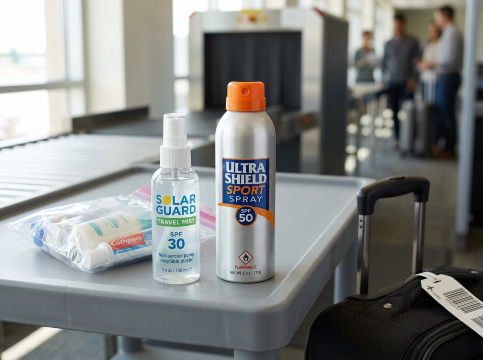
Sunscreen Pack Comparison
Sunscreens on the market come in two main types: pump dispensers and aerosol sprays (compressed cans).
- Pump-spray bottles (non-aerosol): If there’s no flammable symbol, the rules are fairly relaxed. You can bring them in your carry-on as long as each bottle is 100 ml (3.4 oz) or less; anything bigger needs to go in checked baggage.
- Aerosol cans: Because they contain compressed gas, there’s a small risk when pressure changes at high altitudes, so make sure the cap is secured tightly and avoid squeezing or crushing the can.
As for medical aerosols (like asthma inhalers or prescription pain-relief sprays), these items are generally exempt from the 100ml carry-on limit. If you need more than 100ml for use during your flight, bring a doctor’s note or prescription and declare it at security screening. Once security staff confirm the medical necessity, they’ll usually allow it through.
Get Well-Connected
See all attractions
 438951 booked



Pepper Spray on International Flights
While the TSA allows one small canister (4 fl oz or 118 ml) in checked baggage for domestic flights, self-defense sprays are strictly prohibited on almost all international flights.
Even if your airline allows it in your checked bag, the country you are landing in—or even just passing through—likely does not.
If you feel you need protection at your destination, research local laws and purchase legal alternatives once you arrive.
How to Use STEB for Duty-Free Purchases?
If you pick up an aerosol over 100 milliliters at the airport duty-free and plan to carry it on to your destination or connecting airport, you’ll need to have it sealed in a STEB (Security Tamper-Evident Bag).
These special tamper-evident bags are designed to show any interference—the store staff will seal the spray and your purchase receipt together inside the bag. When you go through security during a connection, as long as you meet the following conditions, officers will usually allow you to bring it on board:
- Seal intact: The security bag shows no signs of tampering.
- Keep the receipt clearly visible: Your purchase receipt must be clearly displayed inside the bag to prove the item was bought on the same day or at an airport duty-free shop during your trip.
- Follow the rules at your layover airports: Some countries enforce stricter limits on LAGs (liquids, aerosols, and gels) for connecting passengers, so check with the duty-free staff before you buy.
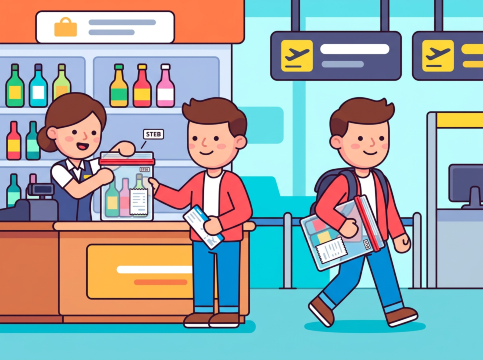
STEB Use
How to Pack Dry Shampoo and Foaming Aerosols?
In recent years, dry shampoo (Dry Shampoo) has become a travel must-have, and most of these products come in compressed aerosol cans. When it comes to bringing dry shampoo spray on a plane, the rules are the same as for toiletries.
- Carry-on: A handful of brands offer 50 ml (1.7 oz) or 75 ml (2.5 oz) travel sizes that you can pop into your clear liquids bag and bring on board.
- Checked baggage: Most standard-size containers (200 mL and up) must be checked.
- Foam-based products—such as shaving cream and facial cleansing foam—have physical properties similar to sprays and are also subject to the 100 ml liquids limit.
Hotels in Shanghai
Hotels in Bangkok
Hotels in Tokyo
See All Hotels






















How to Read Bottle Labels Properly?
To make sure your spray products breeze through security, take three minutes to check the bottle label before you head to the airport.
- Check the volume label: look for "ml" or "fl. oz."
- Check the ingredients and warning symbols: Beyond the flame icon, if you spot a skull-and-crossbones (toxic) or a “corrosive” symbol, that kind of spray is strictly prohibited on airplanes—whether in your carry-on or checked bag.
- Make sure it’s structurally sound: check whether the spray nozzle could release its contents from even a light jolt. If the nozzle is damaged, airport security may refuse to let it through due to the risk of leakage—even if the contents are perfectly safe.
More baggage information
Can You Bring Perfume on a Plane? Packing Tips
Can you bring perfume on a plane? Yes! Learn TSA liquid rules for carry-on and checked bags with Trip.com’s guide to flying with fragrance stress-free.
October 5, 2026
Flight Liquid Limit: Know Better on What to Bring in Your Luggage
Get to know flight liquid limit before going on a trip. How much liquid can you take? How to smoothly pass the security check?
October 5, 2026
China Eastern Airlines Baggage Policy: Allowance, Fees & Tips
Learn China Eastern Airlines baggage rules, including allowances, fees, and tips for a smooth and hassle-free travel experience.
October 5, 2026
FAQs about Bringing Spray on a Plane
-
Can I bring hairspray or deodorant in my carry-on?
-
Are full-sized aerosols allowed in checked bags?
-
Can I bring pepper spray or mace?
-
What types of sprays are completely banned?
-
Do I need to keep the caps on my sprays?
Disclaimer: This article has been provided by an individual contributor or third party platform. If there is any discrepancy regarding the copyright, please contact us directly and we will delete the content immediately.
Popular Searches
-
Air travel guide
-
Latest flight deals
-
Getting around
-
eSIM/SIM card