What Plug Does South Korea Use? South Korea Plug Type Guide

Heading to South Korea soon? Along with planning your itinerary and packing essentials, it’s a good idea to know the basics about power plugs, voltage, and adapters.
This guide will cover everything you need to know about South Korea’s plug types, voltage, and frequency, as well as tips on choosing adapters and converters so you can stay fully charged during your travels.
EWR to Seoul
JFK to Busan
JFK to Jeju
See all flights


What Plug Does South Korea Use?
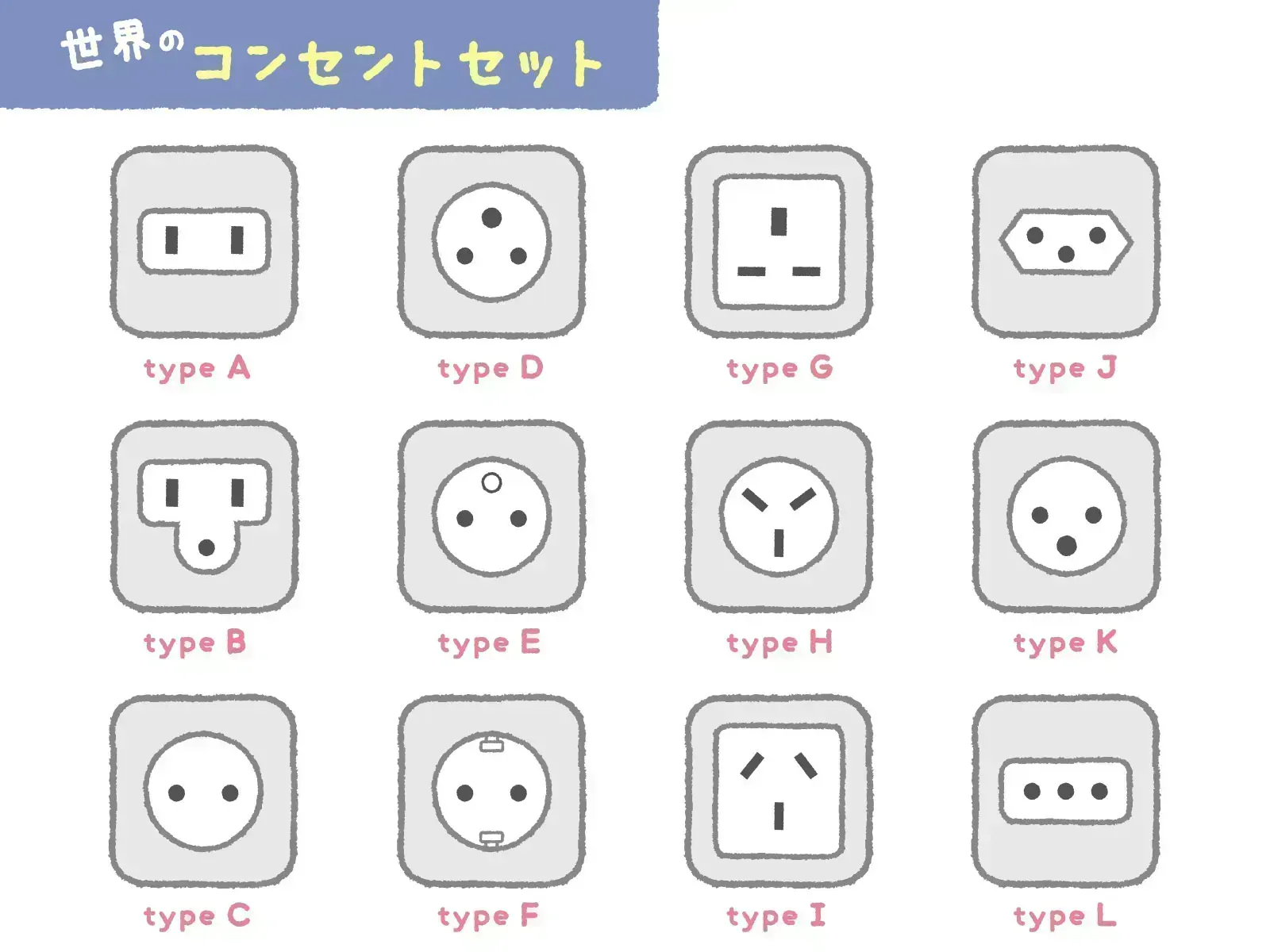
In South Korea, the primary plug type is Type C and Type F. Both plug types have two round prongs and are commonly used across Europe as well.
Type C plugs are used for smaller, less power-demanding devices, while Type F plugs are typically grounded, offering more stability and are commonly found in hotels and newer buildings.
U.S. visitors will need a plug adapter to use their devices in South Korea.
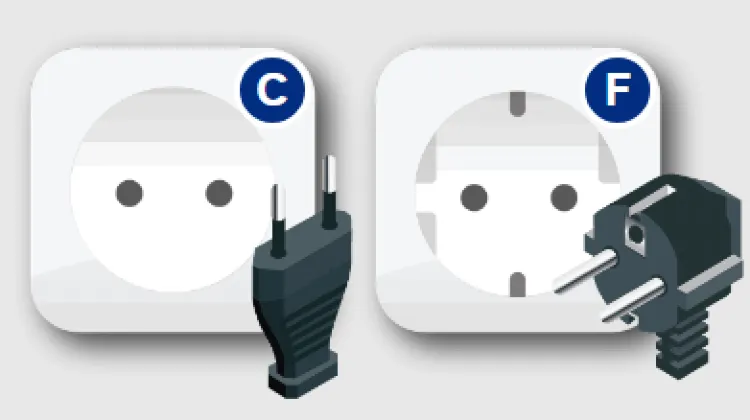
Source: Power Plugs & Sockets of the World
What Is the Voltage and Frequency of South Korea Power Plug?
For U.S. visitors, South Korea uses 220V electricity at 60Hz, which is higher than the 110–120V used in the United States.
Most modern electronics—such as smartphones, laptops, and cameras—are dual-voltage (100–240V) and will work safely with just a plug adapter.
However, if a device is designed only for 110V, you’ll need a voltage converter to avoid damage. This is especially important for high-power items like hair dryers or straighteners.
Always check your device label for “Input: 100–240V” to confirm whether it can be used in South Korea without a converter.
Do U.S. Visitors Need Adapters or Converters in South Korea?
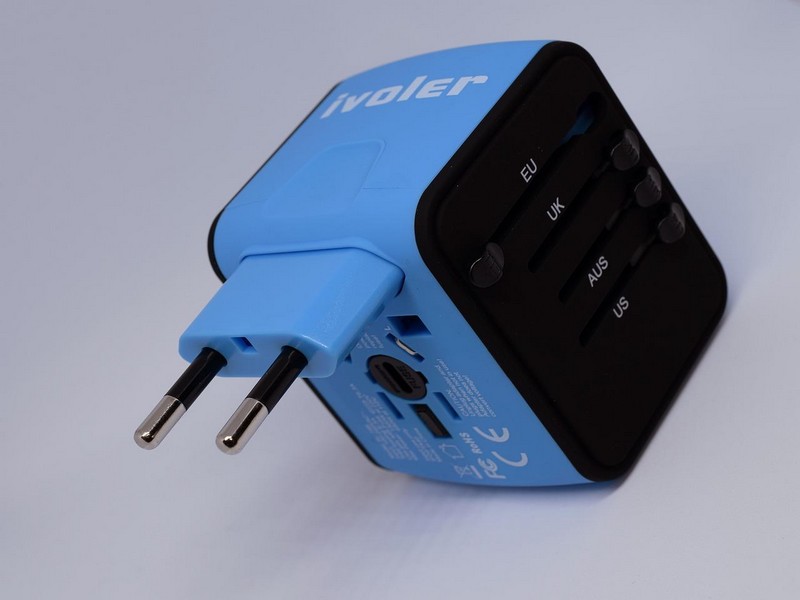
Recommended Travel Adapters For Korea – The Soul of Seoul
👉 Plug Adapters:
U.S. plugs don’t fit South Korea’s Type C or Type F outlets, so a plug adapter is required. Adapters only change the plug shape and do not convert voltage, making them suitable for devices that already support 220V (such as most smartphones and laptops).
👉 Voltage Converters:
If a device is 110V only, you’ll need a voltage converter to safely reduce South Korea’s 220V electricity. This is especially important for high-power items like hair dryers or straighteners.
Always check your device’s voltage label before traveling. Most personal electronics are dual-voltage and need only an adapter, while single-voltage appliances will require a converter.
How to Use Travel Adapters and Converters?
Using an adapter in South Korea is simple—just plug your device into the adapter and then plug the adapter into the outlet. For devices that require a voltage converter, connect the converter to the outlet first, then plug your device into the converter.
Converters are a bit bulkier, so if possible, opt for dual-voltage versions of frequently used items. 🙂
Where to Buy South Korea Adapters?
Forgot your adapter? Don’t worry! South Korea is tech-friendly, and you’ll find adapters at airports, electronics shops, and even convenience stores.
Some popular electronics retailers like Hi-Mart, Electromart, and TechnoMart stock adapters that suit a variety of plug types and even include USB ports.

Source: Korea Local Pages
Get Well-Connected in South Korea!
See all attractions
 39686 booked
Where to Charge Easily in South Korea?
- Airports: Charging stations are widely available throughout terminals
- Cafes: Many offer outlets, and some even have wireless charging pads
- Shopping malls: Commonly equipped with public charging areas
- Libraries: Quiet spaces with easy access to power outlets
- Major transportation hubs: Train and bus stations often provide charging points
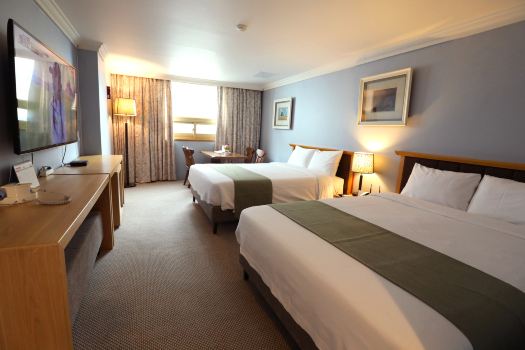
- Hotels: Guest rooms and common areas typically have ample charging options
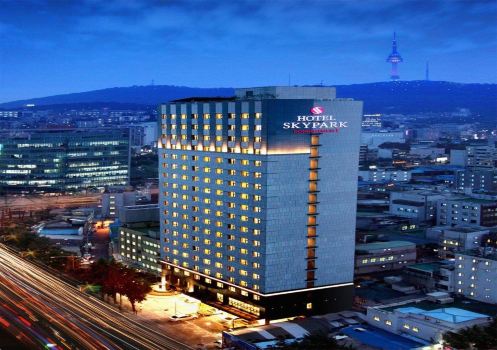
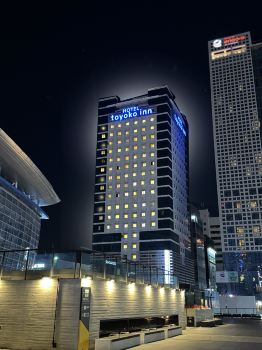
Top Hotels in South Korea
Seoul Hotels
Busan Hotels
Jeju Hotels
See All Hotels



Global Electrical Standards Overview
Globally, there are three main electrical standards for devices: 110-120V used primarily in North and Central America, 220-240V prevalent in Europe, Asia, and Oceania, and the dual-voltage system.
These standards also differ in frequency, either 50 Hz or 60 Hz, and include a variety of plug types specific to each region. Understanding these differences is essential for safely using electronic devices while traveling internationally.
Asia & Oceania Electrical Standards
Country | Frequency (Hz) | Voltage (Volts) | Plug Type |
Australia | 50 | 230 | I |
50 | 220 | A, C, I | |
China (Hong Kong S.A.R.) | 50 | 220 | G |
India | 50 | 230 | C, D, M |
Indonesia | 50 | 230 | C, F |
50 Hz in Eastern Japan & 60 Hz in Western Japan | 100 | A, B | |
Malaysia | 50 | 240 | G |
New Zealand | 50 | 230 | I |
Philippines | 60 | 230 | A, B, C |
50 | 230 | G | |
China (Taiwan) | 60 | 110 | A, B |
50 | 220 | A, B, C | |
Vietnam | 50 | 220 | A, C |
North America & South America Electrical Standards
Country | Frequency (Hz) | Voltage (Volts) | Plug Type |
Argentina | 50 | 220 | C, I |
Brazil | 60 | 127/220 | C, N |
Canada | 60 | 120 | A, B |
Chile | 50 | 220 | C, L |
Colombia | 60 | 120 | A, B |
Mexico | 60 | 127 | A, B |
Peru | 60 | 220 | A, C |
Venezuela | 60 | 120 | A, B |
Europe Electrical Standards
Country | Frequency (Hz) | Voltage (Volts) | Plug Type |
France | 50 | 230 | C, E |
Germany | 50 | 230 | C, F |
Italy | 50 | 230 | C, F, L |
Russia | 50 | 230 | C, F |
Spain | 50 | 230 | C, F |
United Kingdom | 50 | 230 | G |
Oceania Electrical Standards
Country | Frequency (Hz) | Voltage (Volts) | Plug Type |
Australia | 50 | 230 | I |
Fiji | 50 | 240 | I |
New Zealand | 50 | 230 | I |
Tips for Traveling in South Korea
To make your trip to South Korea smooth and stress-free, keep these quick tips in mind:
- Carry a power bank: With endless photo opportunities, keeping your phone and camera charged is a must.
- Bring a Type C/F adapter: South Korea uses Type C and F plugs, so U.S. travelers will need an adapter.
- Check your devices’ voltage: South Korea operates on 220V. Make sure your devices are dual-voltage or use a converter.
- Choose an adapter with USB ports: Charge multiple devices at once and save luggage space.
FAQs about South Korea Plug
-
What plug type is used in South Korea?
-
Do U.S. plugs work in South Korea?
-
What voltage does South Korea use?
-
Do I need a voltage converter in South Korea?
-
Are USB charging ports common in South Korea?
Disclaimer: This article has been provided by an individual contributor or third party platform. If there is any discrepancy regarding the copyright, please contact us directly and we will delete the content immediately.
Trending Searches
-
Featured travel guide
-
Top-rated stays
-
Getting around
-
eSIM/SIM card
- Hotels in Shanghai
- Hotels in Guangzhou
- Hotels in Beijing
- Hotels in Bangkok
- Hotels in Shenzhen
- Hotels in Hong Kong
- Hotels in Tokyo
- Hotels in Chongqing
- Hotels in Chengdu
- Hotels in Seoul
- Hotels in Las Vegas
- Hotels in Zhangjiajie
- Hotels in Kuala Lumpur
- Hotels in Ho Chi Minh City
- Hotels in Taipei
- Hotels in Hangzhou
- Hotels in Singapore
- Hotels in Xi'an
- Hotels in Osaka
- Hotels in New York
- eSIM Thailand
- eSIM Vietnam
- eSIM Europe
- China SIM Card
- Italy eSIM
- Does Delta Air Lines Charge for Carry-On Bags
- Fuel Surcharge
- What Times Does United Airlines Check-In Open
- Where to Stay in Taishan
- Mountain Creek Ski Resort
- Holiday Valley Ski Resort
- Canton Fair Hotel
- Yu Garden Tickets
- Harbin Weather
- Universal Studios Singapore