Flying Tips for First-Time Flyers

By Kristin
July 17, 2025

First Time Flying Tips: Before Your Flight
Flying can be nerve-wracking, but knowing what to do before your first flight can help ease your nerves. To help you get started, we have created the flying for beginners checklist.
Documents & Check-In
Unsplash/ Curated Lifestyle
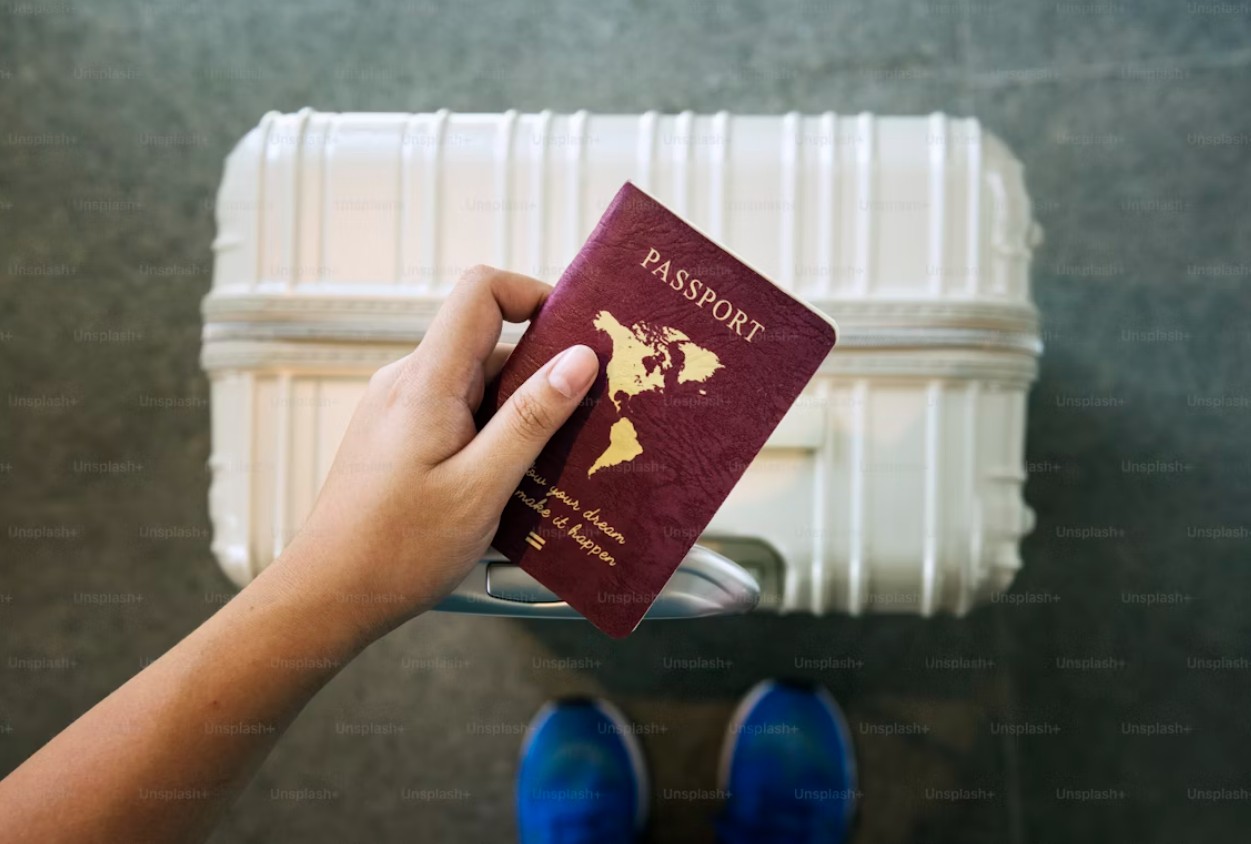
There are a few documents that you’ll need every time you fly. Make sure that you have an ID that matches your ticket exactly, as the TSA is very strict on this.
- ID - Driver's license or passport
- Boarding pass (digital or printed)
If possible, try to check in online before your flight. The check-in normally opens around 24 hours before departure and can save you a ton of time at the airport, especially if you're not checking a bag.
Packing Like a Pro

Unsplash/Getty Images
You’ve got your tickets and are ready to go! The next thing you need to do is pack for your trip! Packing for a flight is likely going to be very different from the packing that you do when you go somewhere by car. For starters, there are a lot stricter rules as to what you can or can not take when flying. If you're flying internationally, these rules can be even stricter, particularly when it comes to carrying cigarettes, alcohol, or food.
One of the biggest rules for travelers is that you’re unable to take liquids above 3.4 oz or 100 ml. Also known as the 3-1-1 liquid rule, this limits the amount of toiletries, drinks, and food that you can bring in your carry-on luggage. Anything exceeding this size must be put into checked luggage.
When it comes to packing, the rule of thumb is to try to pack as lightly as possible. This means bringing plenty of layers of clothes that you can mix and match throughout the trip and cutting down on the things that you don't really need. If you do end up having to check bags, you should look into getting an airline credit card. Most of these cards offer free checked bags when flying with that airline. Pack your essentials in your carry-on on including medication, phone charges, and a change of clothes.
Airport Guide for First-Timers
So now you're packed and have your tickets. It's time to get to the airport and find your way to your gate! Read on for tips and tricks for navigating the airport for beginners!
Security Line Hacks
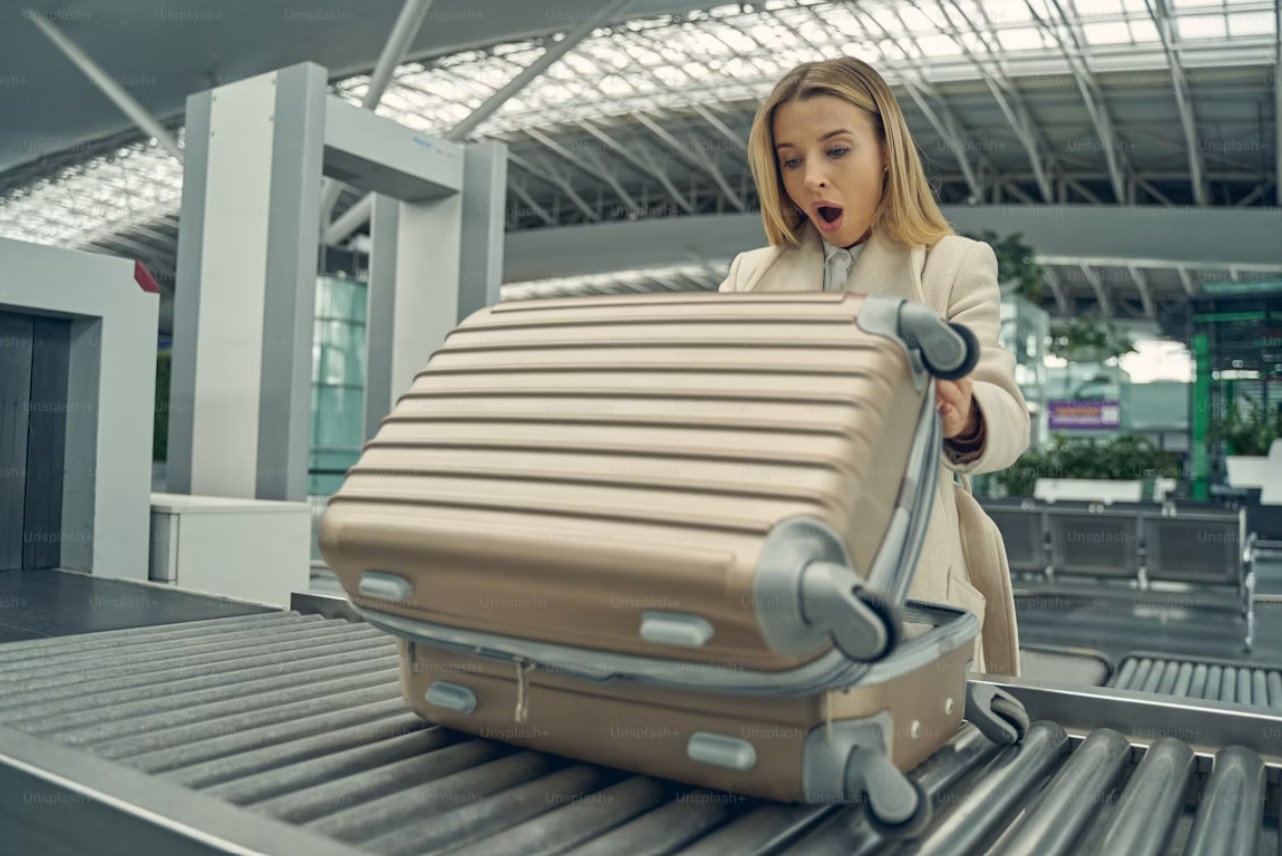
You have probably heard people complain about airports and find yourself wondering what to expect at security. The good news is that if you're prepared and follow their procedures, you should have no problems. And with a few of our favorite security line hacks in your pocket, you should even be able to whizz through like an experienced traveler.
- Wear slip-on shoes to make it easier to take them on and off at security
- Empty your pockets before going through the security check and put everything in your bag. This will save time on the other side and help reduce the risk of you forgetting something valuable.
- Most airports make you take your laptop out of your bag and put it in a separate security bin. Keep your laptop ready and easy to get to so you can pull it out when needed.
- Check to see what the average wait times are by airport using the TSA tracker so you know roughly how much time you need to leave to get through security and get to your gate.
- Global Entry/TSA PreCheck is worth it for frequent flyers as it can save you a lot of time going through security. Many credit cards have this included as a special travel benefit.
Finding Your Gate Stress-Free
Unsplash/Tomas Williams
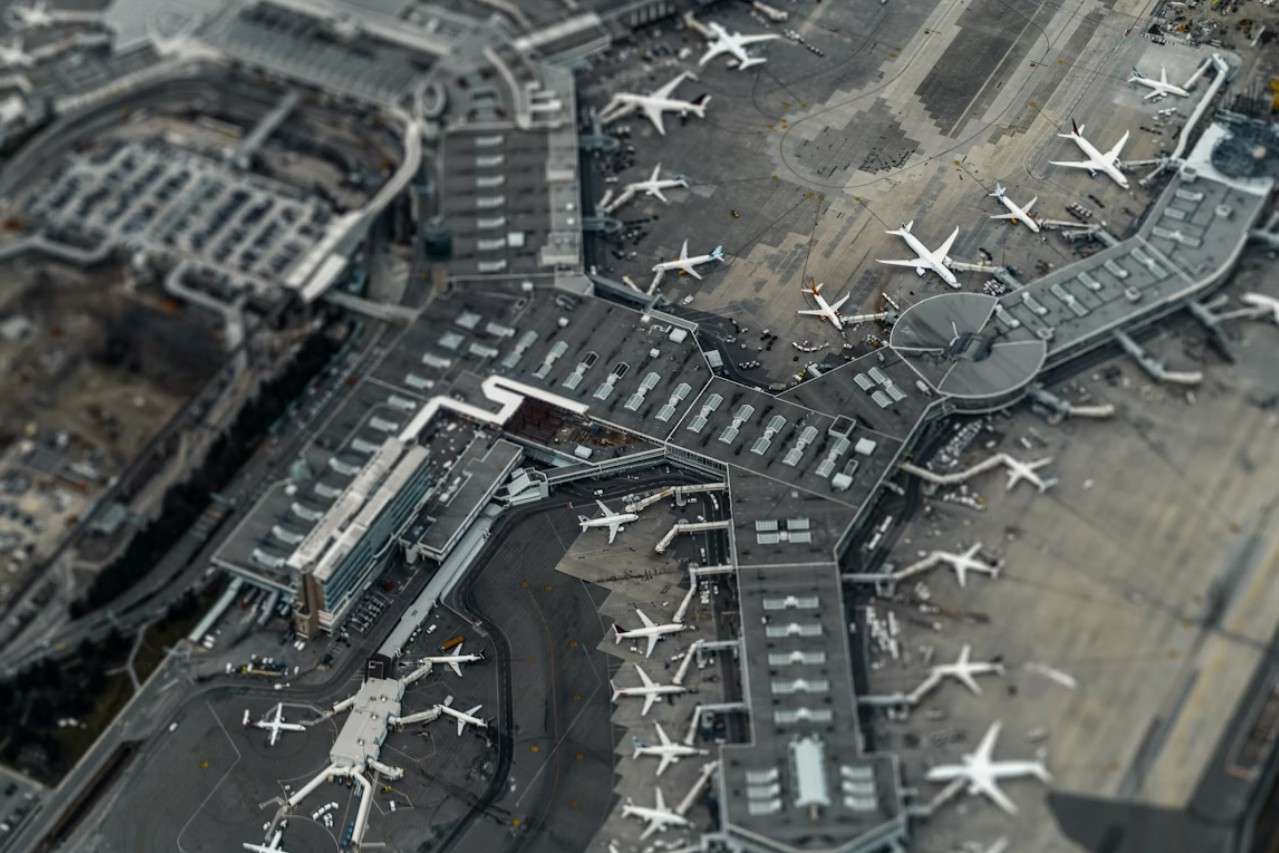
Most airports have easy-to-read signage showing flight departures and their associated gate numbers to help you get to your gate smoothly. Your gate is also usually printed on your ticket. Always double-check the monitors as soon as you pass security for the most up-to-date gate info. You should plan to arrive at your gate at least 30+ minutes before boarding as this is when the doors close and you’ll no longer be allowed to board your flight. If in doubt, ask staff about departure times or use airline apps for real-time updates.
First Time Flying Tips: On the Plane
Boarding for flights is usually done by zones, which you can find on your boarding pass. When they call your zone, you can line up to board. Before entering the airplane, your boarding pass and your ID will be checked to confirm your identity. You can then board the plane and take your seat. If you're not sure where to go, the airline crew will be happy to help.
How to Choose Your Seat
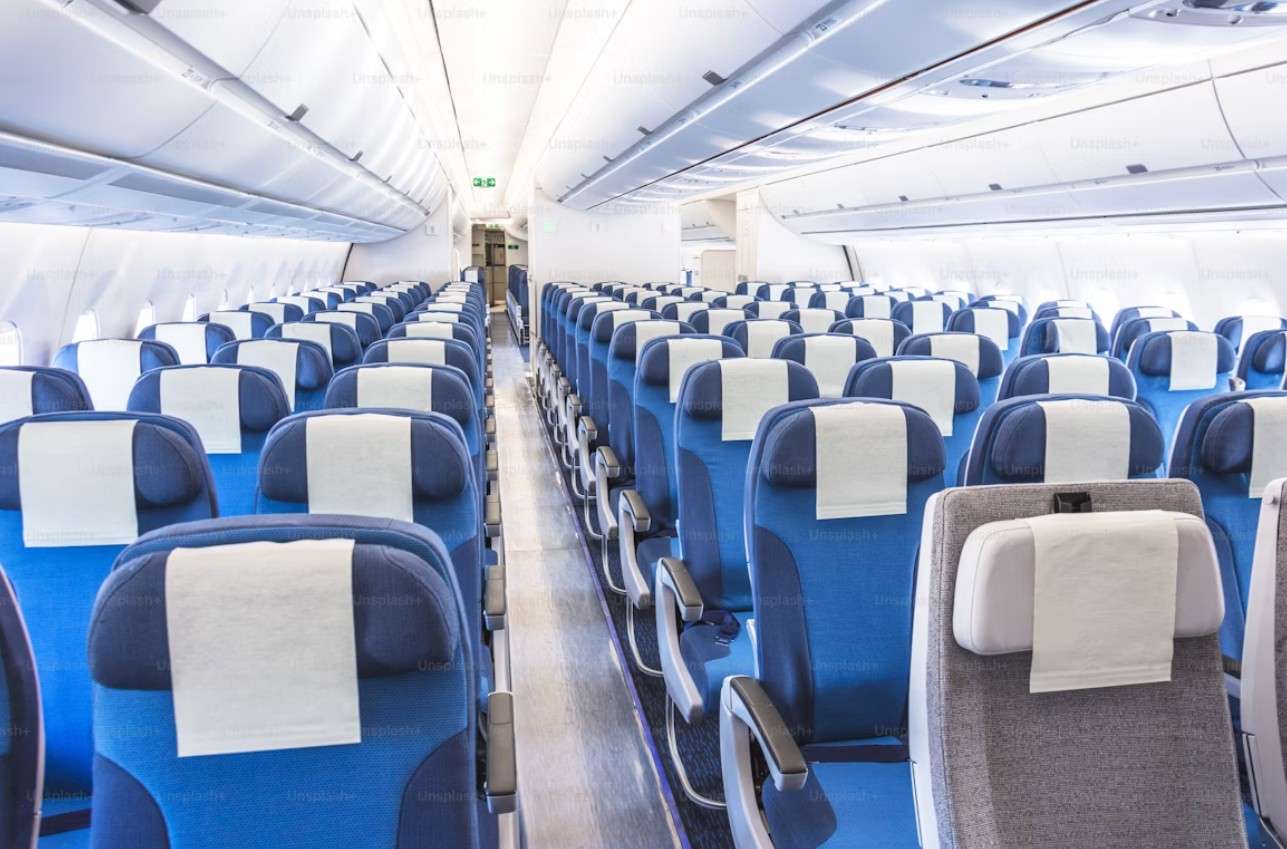
Many people have strong preferences when it comes to choosing a seat. They may prefer the window to check out the views or the aisle, which gives easy bathroom access. People may also want to sit at the front of the plane to speed up the deboarding process at their arrival destination, while others want to sit in the back and save money.
Airlines charge based on the demand for seats, so you’ll need to be prepared to pay for it if you want a seat near the front of the plane, with extra legroom, or if you want to guarantee that you're sitting next to your friends and family.
In-Flight Tips
- After takeoff, you're allowed to recline your seat. Try to do this slowly to avoid crushing the knees of the person behind you.
- Cut down on perfume or foods with strong scents out of respect for the other passengers. They can make the cabin very smelly and uncomfortable for other passengers.
- Traveling with kids? Pack snacks and quiet toys to keep them amused during the flight.
- When the plane is ascending or descending, you may feel some pressure in your ears. You can alleviate this by chewing gum, sucking on a piece of candy, sipping water, or simply swallowing.
- Turbulence is normal and happens frequently. If you feel yourself getting nervous, try to take a deep breath and watch the crew’s and other passengers’ calm reactions.
First Time Flying Tips: Arrival & Beyond
When the plane touches down, it’s time for action! After the flight disembarks, you will need to follow the signs for baggage claim. Once you pass through there and collect your baggage, you can find onward travel to your final destination.
If you're flying internationally, you will also have to stop at immigration and have your passport checked before reaching baggage claim. After collecting your baggage, you’ll then go through customs. Depending on where you're flying into, it's likely that you will just be waved through. Sometimes they will make you put your bag through a security scanner to make sure that you aren't carrying any prohibited items. Once you clear customs, you're good to go!
Baggage Claim & Customs
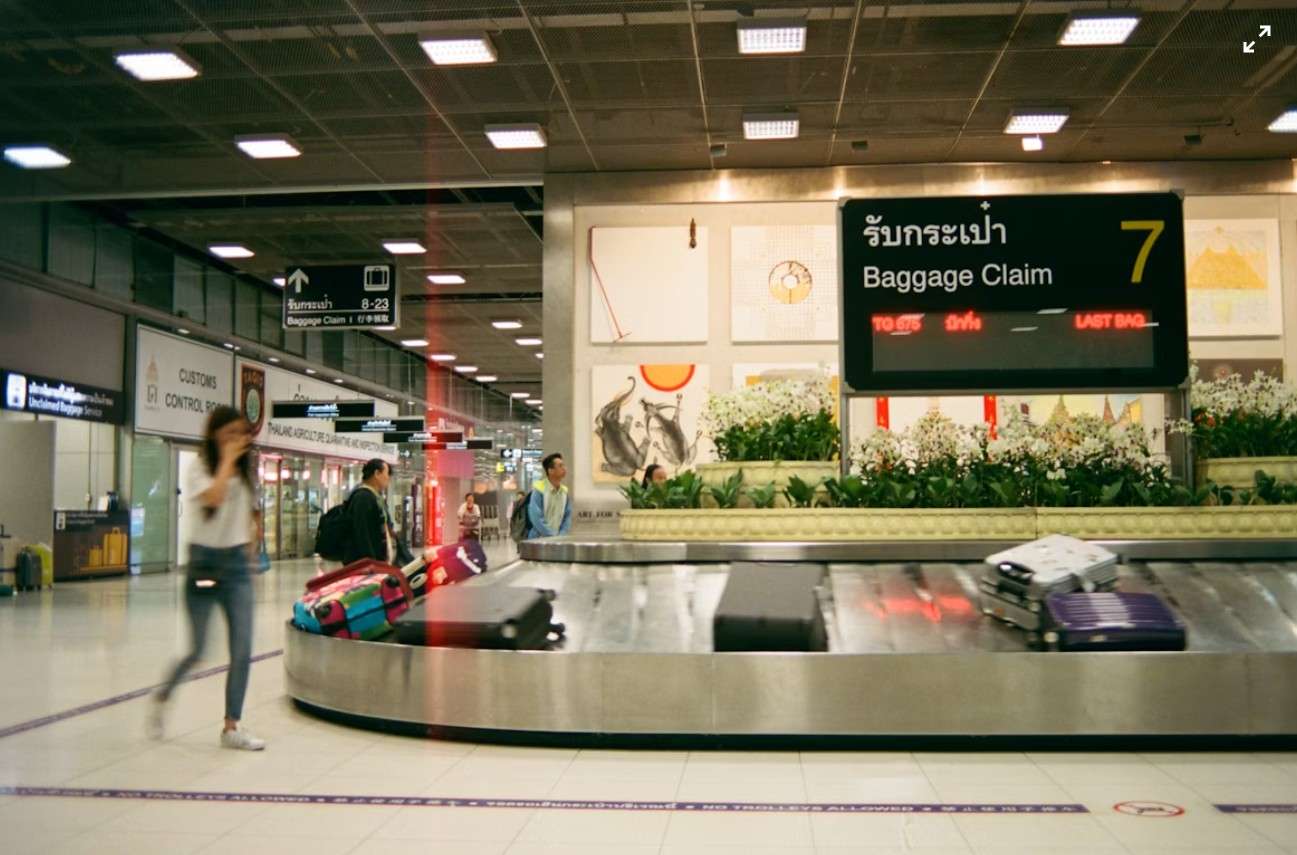
When you have arrived at the baggage area, make sure to double-check the monitors to find your carousel number. Head over there and wait for your bag to appear.
If you’re traveling internationally, you may have a customs form. Keep this handy so that you can give it to a customs official if requested.
If your luggage doesn't appear, don't panic. File a report with the airline immediately, and they can begin tracking your bag. Depending on the flight schedules between your departure and arrival destinations, most airlines can get your bag to you within a day or two.
 35345 booked



Tips for First Time Flyers
-
Do I need a passport for domestic flights in the U.S.?
-
How early should I arrive at the airport for my first flight?
-
Can I bring my medication through TSA security?
-
What should I do if my flight is delayed or canceled?
Trending Searches
-
Air travel guide
-
Latest flight deals
-
Getting around
-
eSIM/SIM card