Singapore Plug Type Guide: Types, Sockets & Adapters

Singapore uses Type G plugs, different from the ones you’re used to in the U.S. The voltage is also higher at 230V (compared to the 120V in the U.S.). You’re supposed to grab a voltage converter and a Type G plug adapter. To make sure you’ve prepared everything before you go, read till the end of this article.
See all flights


What Type of Plug Is Used in Singapore?
People in Singapore use Type G plugs. It’s the same used in the UK, but different from the U.S.
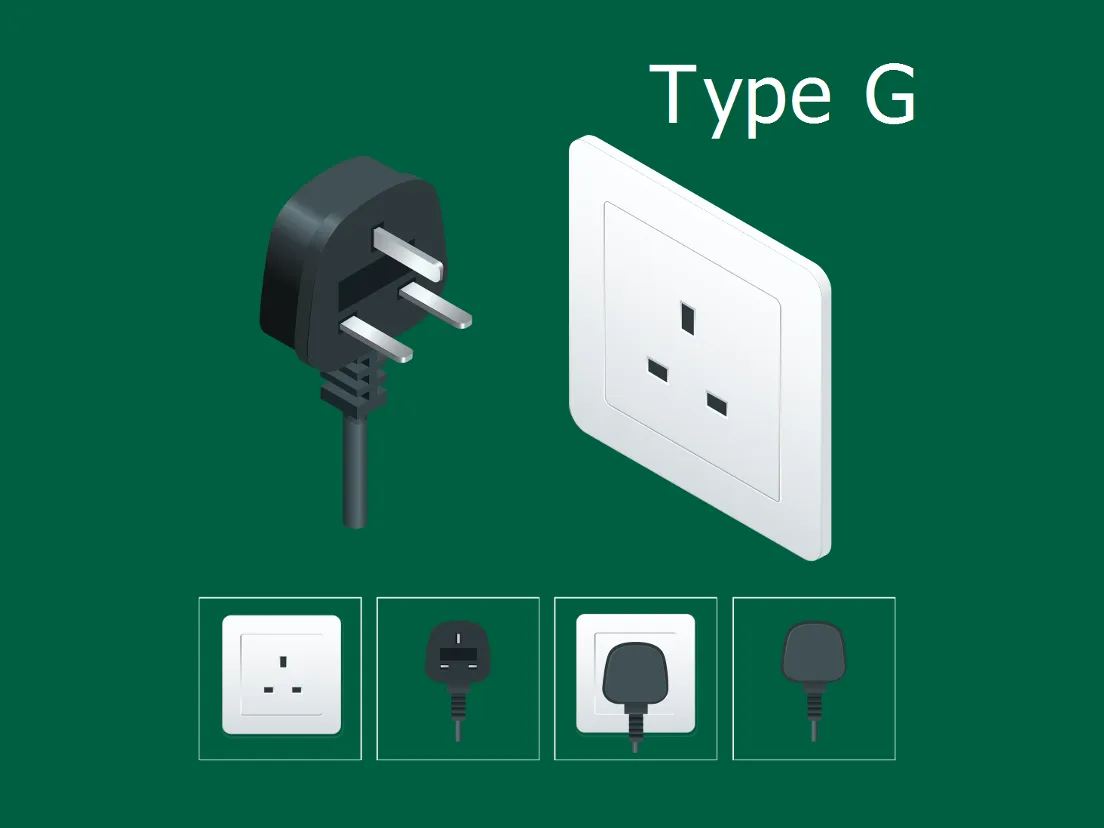
Credit: from Wowsocket's | Type G Plug Used in Singapore
Type G Plug Features
- Three rectangular prongs: One of the prongs is slightly larger than the others (the earth/ground prong).
- Prong arrangement: The three prongs are arranged in a triangular shape.
- Voltage: Typically used with 230V electrical systems.
- Frequency: Works with 50Hz.
- Safety features: Often includes a fuse for added protection, which helps prevent overloads.
Are Other Plug Types Used in Singapore?
In Singapore, Type G is overwhelmingly the standard plug. It’s rare to find other plug types used in everyday locations. However, you may encounter some older buildings or international outlets that have Type C (European) or Type A/B (North American) sockets, though these are not the norm.
What Voltage Is Used in Singapore?
Standard Voltage: 230V
Singapore uses 230V for its electricity supply, which is higher than the 120V used in North America. The voltage in Singapore is compatible with most European and many Asian electrical devices, but it might not work with devices from regions that use lower voltages.
For travelers from the U.S., if your device isn’t compatible with 230V, you’ll need a voltage converter to safely use it in Singapore.
Do I Need a Voltage Converter in Singapore?
A voltage converter or transformer is only necessary if your device operates on a 110V system, and the device cannot automatically adjust to 230V.
Many modern devices (laptops, smartphones) have built-in voltage regulators, meaning they can work with both 110V and 230V. However, some older appliances like hairdryers or electric razors may require a converter if they are not dual voltage.
Travel Adapters in Singapore
A travel adapter is a small device that allows your plug to fit into the different socket configurations used in other countries. It does not change the voltage; it only helps you plug in your device.
If you're from the U.S., you'll need a travel adapter to plug your devices into Singapore’s Type G sockets.
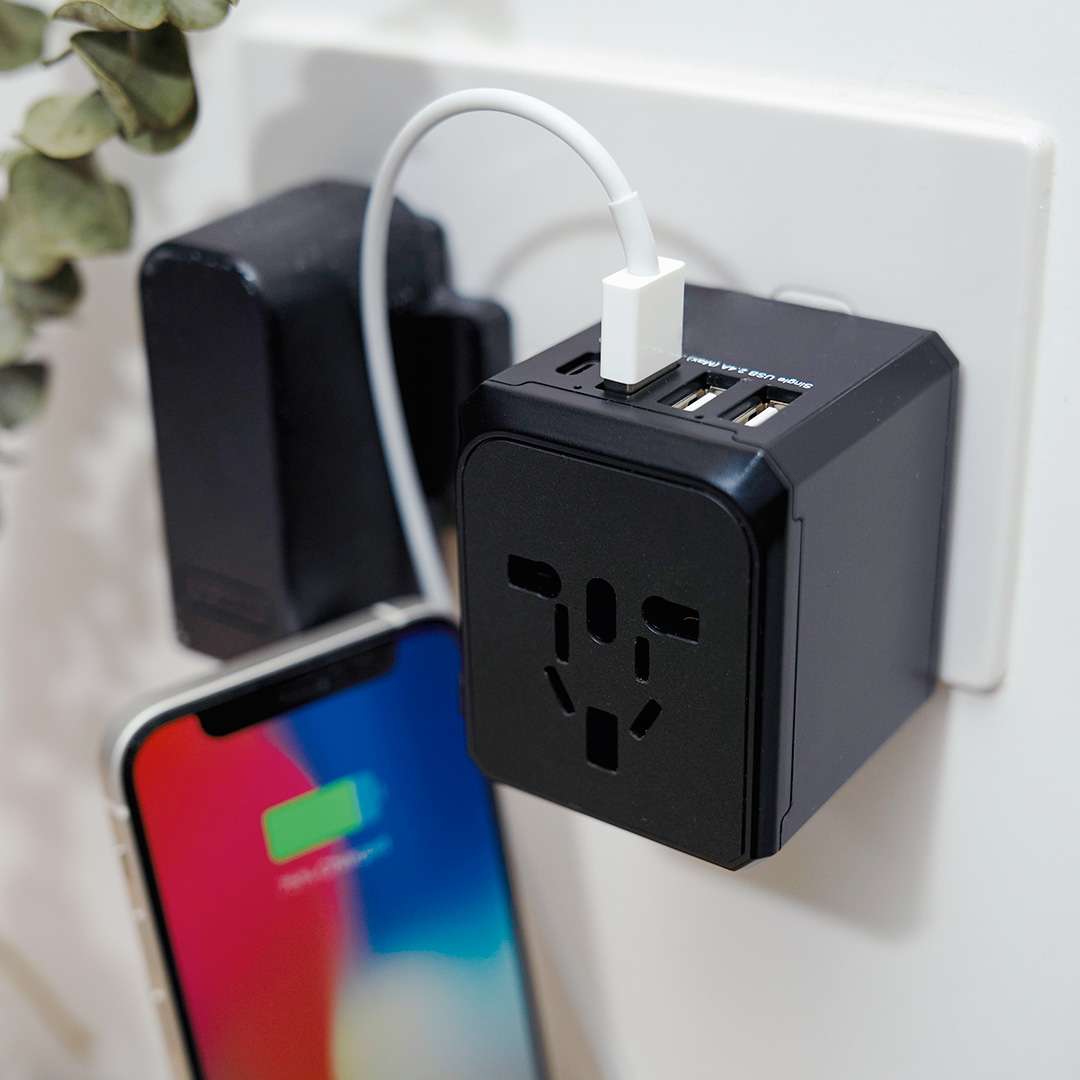
Credit: from BranHK | Universal travel adapter with USB ports
Common Types of Travel Adapters
Adapter Type | Purpose | Best for |
Type G Adapter | Allows Type A/B/C plugs to fit into Type G sockets | Travelers from U.S., Europe, or Asia |
Universal Adapter | Works with various plug types worldwide | Multi-country travelers |
Adapter with USB Ports | Adds USB charging ports to the standard plug | Charging smartphones, tablets, etc. |
See all attractions
 188213 booked
Where to Charge Easily in Singapore?

Credit: from Tatlet Asia | Find work-friendly cafes in Singapore with charging stations
1. Changi Airport
Changi Airport is renowned for its traveler-friendly amenities. You’ll find charging stations throughout the terminals, including both traditional power outlets and USB charging points.
2. Shopping Malls
Most major shopping malls in Singapore, such as Orchard Road and Marina Bay Sands, offer plenty of charging options.
3. Hotels
Singapore's hotels usually provide universal plug adapters or have built-in USB charging ports in their rooms. Be sure to inquire upon check-in.
4. Coffee Shops and Restaurants
Many cafes and restaurants provide charging stations or accessible electrical outlets for customers to plug in their devices while enjoying a coffee.
Plug Types, Voltage, and Frequency Across 13 Major Countries and Regions
Country/Region | Plug types | Voltage | Frequency |
Singapore | G | 220V | 50Hz |
Malaysia | G | 220V | 50Hz |
Macau | G | 220V | 50Hz |
Vietnam | A / C / F | 220V | 50Hz |
Australia | I | 230V | 50Hz |
Japan | A / B | 100V | 50Hz / 60Hz |
Hong Kong | G | 220V | 50Hz |
Taiwan | A / B | 110V | 60Hz |
South Korea | C / F | 220V | 60Hz |
Thailand | A / B / C | 220V | 50Hz |
Mainland China | Adult / Child / Infant | 220V | 50Hz |
United States | A / B | 120V | 60Hz |
Europe | C / E / F | 220V | 50Hz |
Reviews of Top Things to Do in Singapore
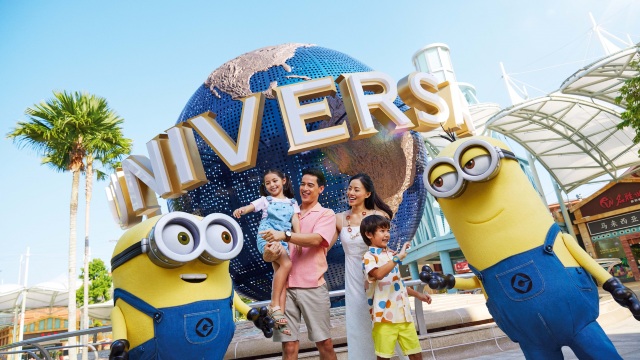
Universal Studios Singapore
4.7/5
15010 reviewsGreat! This time I brought my parents and we didn't go on many rides; the sightseeing experience was pretty good too! 🤣

Singapore Oceanarium
4.6/5
3621 reviewsThe aquarium is huge; a thorough visit will take at least two hours, so remember to allow plenty of time—don't underestimate it! There are also many different animals and some unique experiences! Plus, they offer free photo opportunities, which is a lot of fun!
Recommended Hotels in Singapore
Top Hotels in Singapore
See All Hotels

🔥 Singapore Family Season: Top Attractions from 50% Off!

This summer, bring your family on a spontaneous adventure to the Lion City!
From June 1 to August 31, 2026, Singapore is hosting its annual “Kids Fun Season,” offering amazing perks just for you.
Whether you’re experiencing cutting-edge rides at Universal Studios Singapore, strolling through the dreamlike landscapes of Gardens by the Bay, or introducing your children to the world-class Singapore Zoo, you can now enjoy limited-time ticket discounts of up to 50% off.
No complicated planning needed—simply book through Trip.com to secure your discounted tickets in one stop, making your family’s summer getaway both hassle-free and unforgettable!
FAQs about Singapore Plug Type
-
What plug type does Singapore use?
-
Do I need a plug adapter from the U.S.?
-
What’s the voltage and frequency in Singapore?
-
Do I need a voltage converter for my U.S. devices?
-
What’s the easiest way to stay powered while traveling?
Disclaimer: This article has been provided by an individual contributor or third party platform. If there is any discrepancy regarding the copyright, please contact us directly and we will delete the content immediately.
Popular Searches
-
Getting around
-
Popular attractions
-
eSIM/SIM card
- SHIBUYA SKY Ticket
- Shanghai Disneyland Tickets
- Universal Studios Hollywood Tickets
- Universal Studios Hollywood Early Entry
- Shanghai Tower Tickets
- Sphere Tickets
- Universal Studios Japan Tickets
- Beijing studio minisite
- Universal Studios Singapore
- Shanghai Disneyland Early Entry
- georgia aquarium tickets
- Great Wall of China
- Edge New York Tickets
- Chengdu Panda
- Hong Kong Disneyland