Best Time to Go to Japan by Season – What to Expect Month by Month

By Trip.com
July 17, 2025

The beauty of Japan transforms with every turn of the seasons. One moment, you’re picnicking under pink cherry blossoms; the next, you’re skiing down powdery slopes or savoring a bowl of steaming ramen under fiery autumn leaves. Deciding when to visit Japan can feel like picking a favorite star in the sky. Lucky for you, I’m here to help! Let’s dive into the best times to visit Japan so you can make your trip as magical as possible.
Cheap Flights to Japan
to Bangkok
to Manila
to Shanghai
to Tokyo
to Seoul
See all flights


Best Time to Visit Japan—Cherry Blossoms
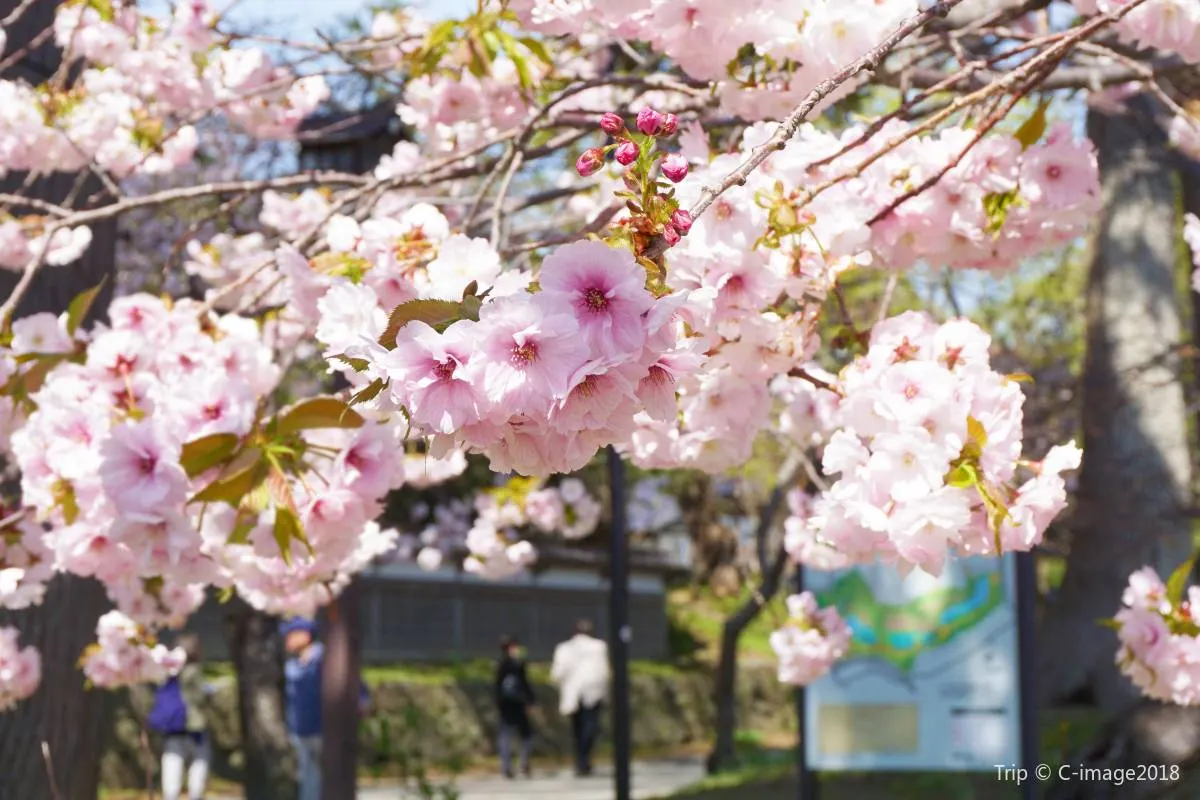
Cherry blossoms are the crown jewel of Japan’s seasons. They bloom from late March in southern Kyushu to early April in Tokyo and Kyoto, finally reaching northern Hokkaido in early May. It’s a fleeting but unforgettable spectacle.
Top spots? Maruyama Park in Kyoto/Sapporo, Chidorigafuchi Moat in Tokyo, and Mount Yoshino in Nara are all breathtaking. Pro tip: Check the cherry blossom forecast before you go—the blooms wait for no one!
Region | Blooming Period | Top Viewing Spots |
|---|---|---|
Kyushu (South) | Late March | Kumamoto Castle, Maizuru Park (Fukuoka) |
Kansai (Kyoto/Nara) | Late March–Early April | Maruyama Park (Kyoto), Mount Yoshino (Nara) |
Kanto (Tokyo) | Late March–Early April | Chidorigafuchi Moat, Ueno Park |
Tohoku | Mid-to-Late April | Hirosaki Castle (Aomori), Kakunodate Samurai District |
Hokkaido | Late April–Early May | Maruyama Park (Sapporo), Matsumae Park |
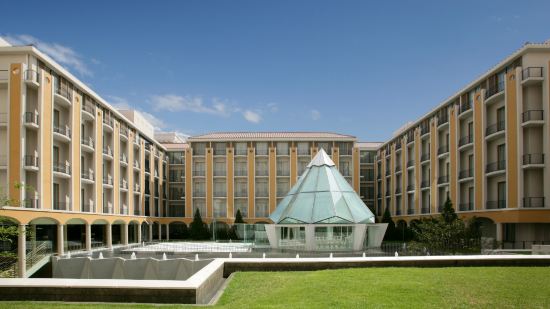
Best Hotels in Japan
See All Hotels
 NO.1
NO.1



Best Time to Visit Japan—Tranquil Vibe
Avoiding the throng is your goal. Go to Japan when it's not too hot.
- Late May to the beginning of June
- Late October to November
During certain times, you can:
- Reduced numbers of visitors to popular locations, including Tokyo streets and Kyoto shrines
- Weather that is pleasant (15–25°C)
- Reduced hotel costs and shorter wait periods
- Take leisurely walks, take tranquil pictures, and move more slowly—ideal for people who would rather be serene than chaotic.
Avoid important holidays like New Year's and Golden Week.
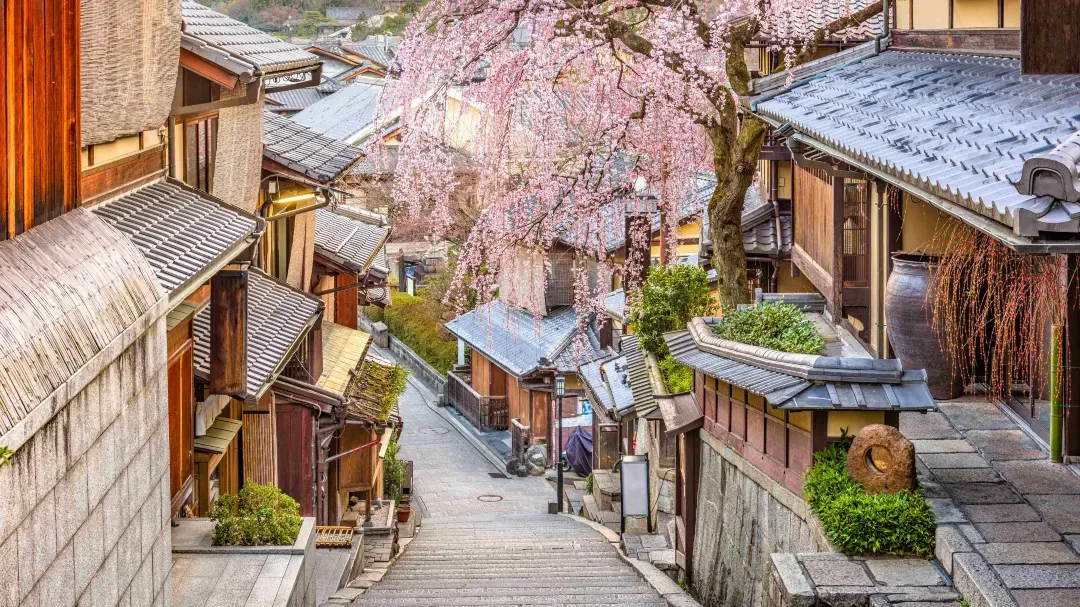
Winter is another crowd-free gem (except for the New Year holiday, when the whole country seems to be on the move). Imagine having a snowy Hokkaido hot spring almost to yourself or sipping matcha in a peaceful Kyoto tea house. Smaller crowds mean you can soak in local vibe without the hustle.

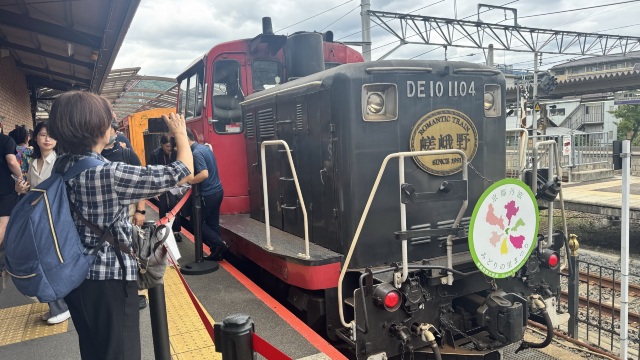
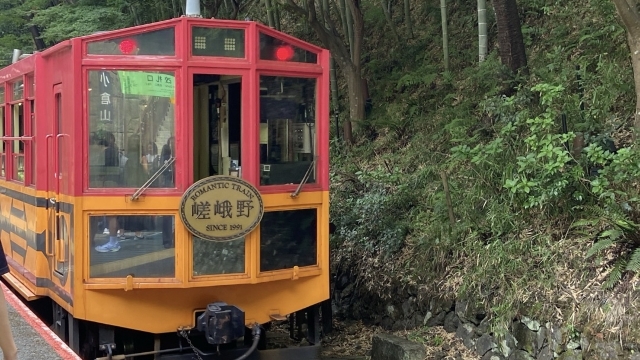
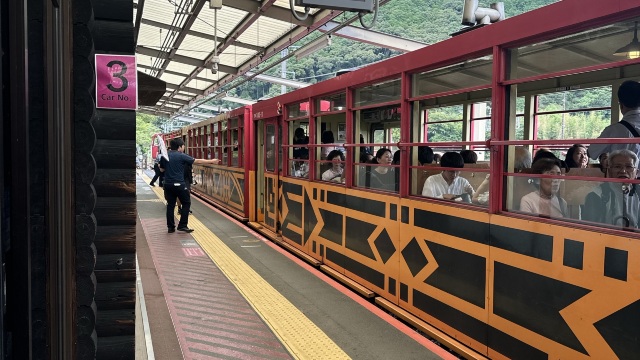
Arashiyama Sagano Romantic Train
Recommended Scenery
No.1 of Best Things to Do in Kyoto
Arashiyama Sagano Romantic Train User Reviews
4.5/5
612 reviews
5/5
It's great. I highly recommend it if you go with your family.


4/5
It's worth a one-time visit, but overall, if you're short on time, you can safely skip it.

5/5
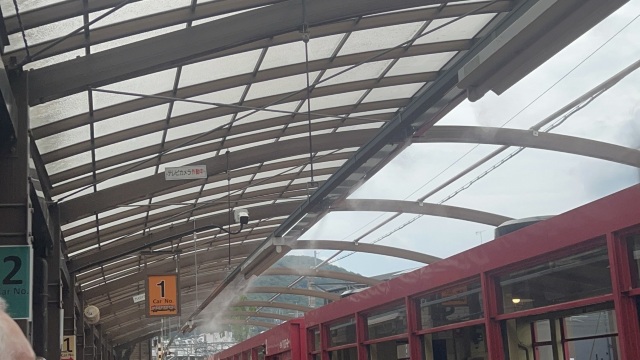
After placing the order, the PDF can be directly linked to the official website for pre-booking. Riding in carriage number five with its transparent windows overhead is quite unique! It seems there will be a model update at the end of 2026, which is really exciting.

5/5
Great train ride, great views, great atmosphere, really enjoyed it, I recommend booking in advance.
5/5
Buying tickets online is time-saving and convenient; you can reserve and arrange seats instantly, avoiding any confusion. The little train ride is well worth visiting—it's scenic and very comfortable.
Best Time to Visit Japan—Weather
Okay, let’s then talk about the weather! Japan’s spring (March to May) and autumn (September to November) are the golden times for some intimacy with nature.
Spring isn’t just about cherry blossoms. The mild temperatures, gentle breeze, and clear skies are all refreshing. Just think about hanami picnics under blooming sakura trees and hikes through lush green trails.
Season | Months | Weather Highlights |
🌸 Spring | March–May | Mild temperatures, clear skies, light breeze |
☀️ Summer | June–August | Hot, humid, chance of typhoons (esp. late summer) |
🍁 Autumn | September–November | Crisp air, cool & dry, stunning fall foliage |
❄️ Winter | December–February | Cold (esp. north), dry, snow in many regions |
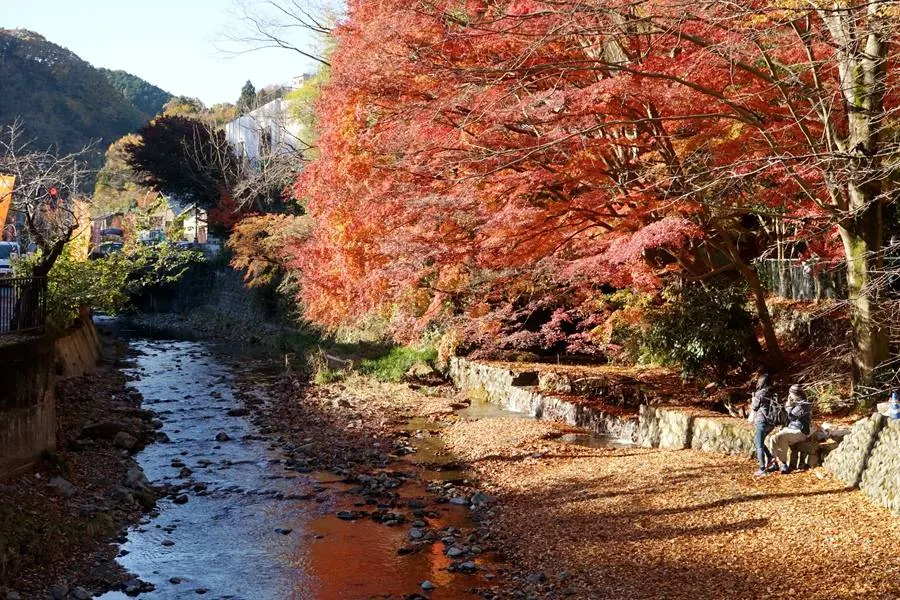
Autumn is equally breathtaking. Japan’s mountains, parks, and gardens turn into a canvas of gold, crimson, and amber. Whether you’re strolling through Tokyo’s Rikugien Garden or hiking Mount Takao, you’ll feel like you’re inside a postcard.

Rikugien Gardens
Recommended sightseeing
Rikugien Gardens
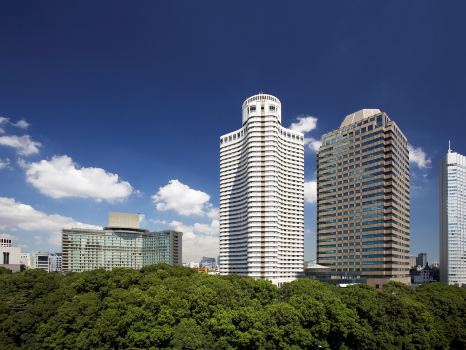
Hotels in Tokyo
See All Hotels
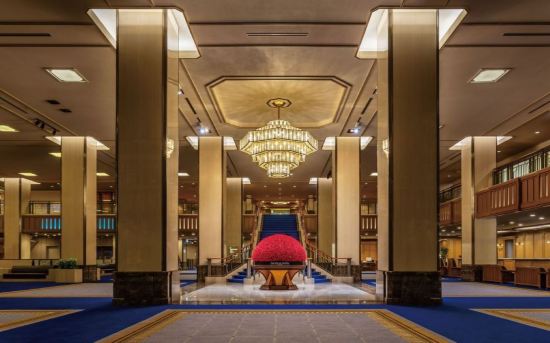
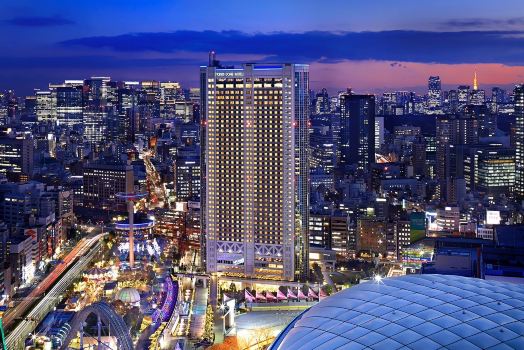

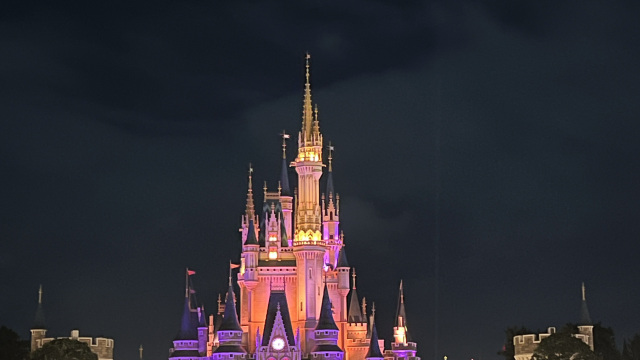
Best Time to Visit Japan—Tokyo Disney Resort
Who doesn’t want some excitement on their Japan trip? Tokyo Disney Resort is a must-visit, and timing is everything.

For smaller crowds, aim for weekdays in late January, February, or early June. The parks are quieter, and you’ll have more time to meet Mickey and enjoy the rides. Avoid school holidays and weekends unless you’re okay with long lines.
Want to add a little extra magic? Visit during seasonal events. Spring’s Easter parades are full of colorful costumes (March to May), fall is all about spooky Halloween vibes (September to November), and Christmas turns the parks into a glittering wonderland. Don’t forget to grab a few Japan-exclusive Disney snacks—they’re next-level cute and delicious!

Tokyo Disneyland
Theme Park
Best Thing to do in Tokyo
Tokyo Disneyland User Reviews
4.8/5
3882 reviews
5/5
Hahaha, hehe, so much fun!

5/5
This was our first time bringing our child to Disneyland, and overall, it was a great experience. The park is huge, with lots of places to explore and rides. The kids had a blast, and although we adults walked quite a bit, seeing the children having fun made it all worthwhile.
There are also many shops and merchandise options in the park. It's easy to find plush toys, souvenirs, and limited-edition items, and you can easily end up buying some souvenirs.
The main thing to be aware of is the crowds. Popular rides and certain areas can get quite crowded, and queues can be long. We also recommend bringing your own water. When we bought water, we waited about 40 minutes at the vending machine. Having your own water beforehand will make things much easier if you have children with you.
Overall, despite the crowds and the amount of walking, the kids had a great time, and the trip was full of wonderful memories.


5/5
Disneyland, the happiest place on earth, where smiles and laughters even screams are contagious. Best for young kids, kids and young at heart. Enchanted Tale of Beauty and the Beast is the most popular attraction and Monster Inc. It was a rainy day, some of the attractions were temporarily suspended. We missed the Pooh's hunny hunt so we are definitely revisiting. I have an older child so he enjoyed the big thunder and splash mountain. The star tours is also good and the queue is not long. It's a small world attraction is always an interesting and mind engaging as well as the haunted mansion.
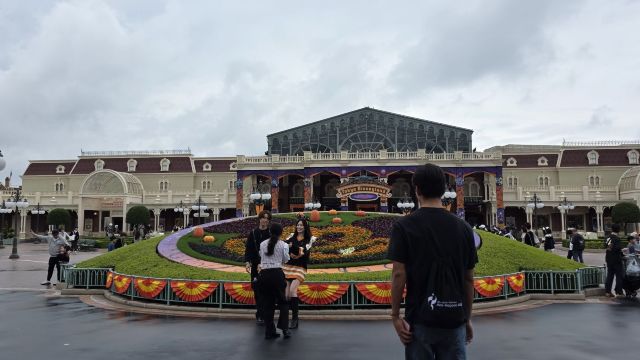

5/5
This very first time for me in Japan. My husband bought me here for the honeymoon. It was like dream comes true because i grew up with disney priness and pixxa. And love evey corner of the place! I didn’t take so many rides because of long line. Just enjoying sightseeing and atmosphere. hope i will comeback with my baby in the future as a family
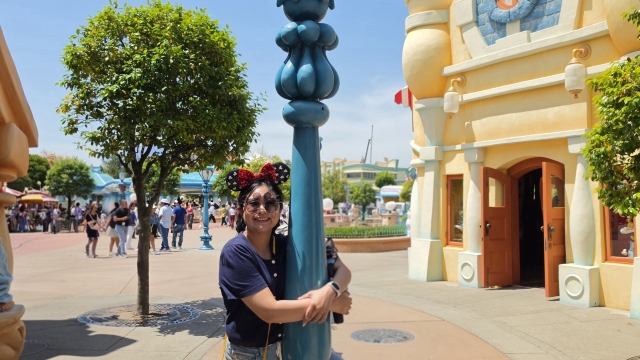

4/5
When you encounter the once-in-a-century five-day holiday in Tokyo, it's packed with crowds. Buying tickets with TripAdvisor and scanning the QR code at the park entrance is quick and convenient. You can also transfer the money to the official Disney app for restaurant registration, but it can only be used from 00:00 on the day of the event.
Best Time to Visit Japan—Universal Studios
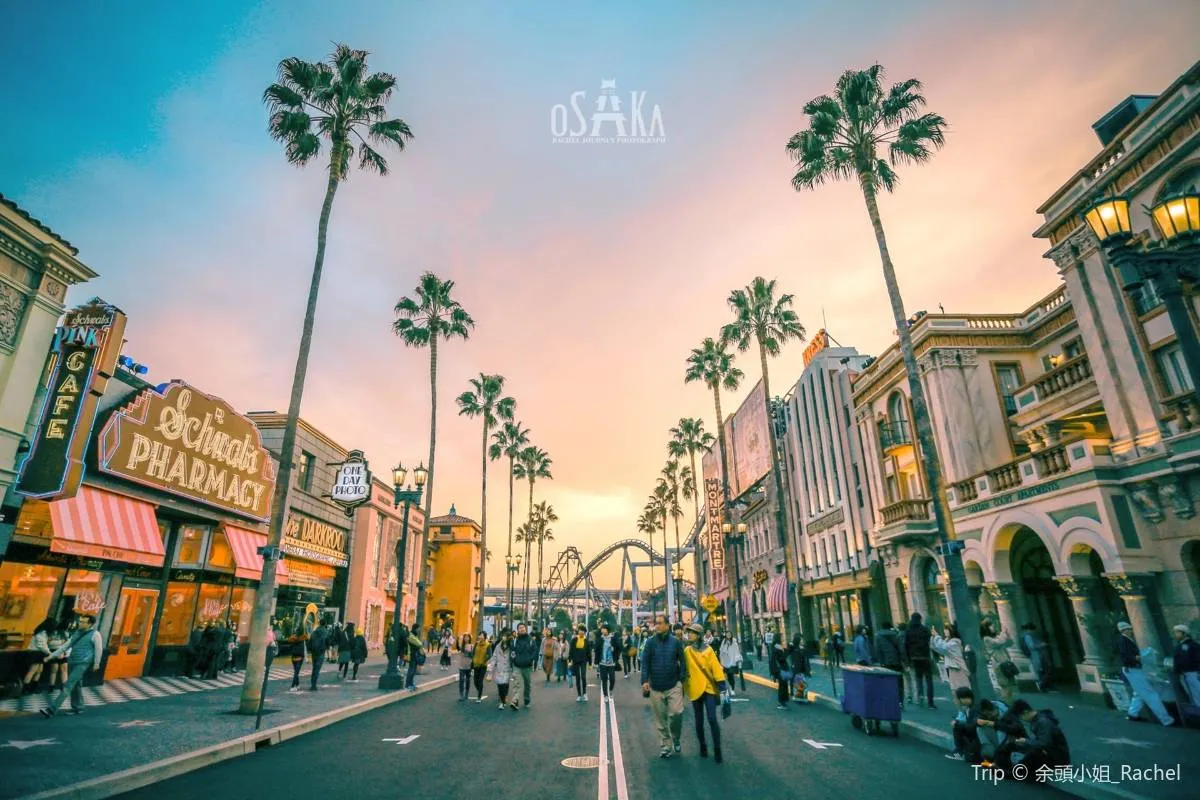
The best times to visit Universal Studios Japan (USJ) are during weekdays in spring (March to May) and autumn (September to November). These seasons offer pleasant weather and fewer crowds, making it easier to enjoy popular attractions like the Wizarding World of Harry Potter or Super Nintendo World. Arriving early in the morning ensures shorter wait times for rides. If you’re a fan of Halloween events, late September to October is perfect for experiencing the spooky atmosphere. Plan for a magical adventure!
1. The Best Times of Year for Weather and Crowds
- Cherry blossoms are close by during the mild weather of spring (March–May) (10–23°C/50–73°F).
- Ideal for: Outdoor performances and comfortable exploration.
2. Autumn, which lasts from September to November, brings crisp weather (15–25°C/59–77°F) and beautiful foliage.
- Ideal for reduced lineups after summer and Halloween festivities (late September to October).
Steer clear of:
- Obon (mid-August) and Golden Week (late April–early May) are Japan's busiest travel times, with extremely high numbers.
- June is hot, muggy, and wet, while July through August is jam-packed with school breaks.
2. February Weekdays (after New Year's) with the Fewest Crowds
- Mid-September (before Halloween, following summer vacation)
- December 1st (before the Christmas rush)
- before

Universal Studios Japan
Theme Park
Best Thing to do in Japan
Universal Studios Japan User Reviews
4.7/5
12950 reviews
5/5
Easy to use the ticket to enter. Just scan the qr code at the entrance. Lines were manageable and no entry pass was required for nintendo area for the day we went even if it was on a weekend. Extra attractions during halloween was fun. Really enjoyed the whole day!


5/5
My experience at USJ was amazing! The weather was so nice during winter, and all the staff were incredibly friendly and made the whole experience even more enjoyable with their warm energy. Definitely a place I’ll visit again — I absolutely love USJ! 🎢✨

5/5
A highly recommended nighttime attraction. The lights, music, and performances create a lively atmosphere, and the performers are very engaged and interactive. The entire event is unique, with many memorable moments along the way, making for great photos and allowing you to experience the local entertainment culture. It's best to go in the evening for an even better atmosphere and a truly unforgettable travel experience.


5/5
The staff were so incredibly enthusiastic! They applauded at the start and end of each activity.

5/5
I loved everything! There are many zones, and they are well-detailed. All the attractions are well-designed. Special thanks to the park staff for their help, responsiveness, and friendliness. The fast pass was worth it; thanks to it, we practically avoided lines, so we managed to see a lot.

Best Time to Visit Japan — To Tokyo
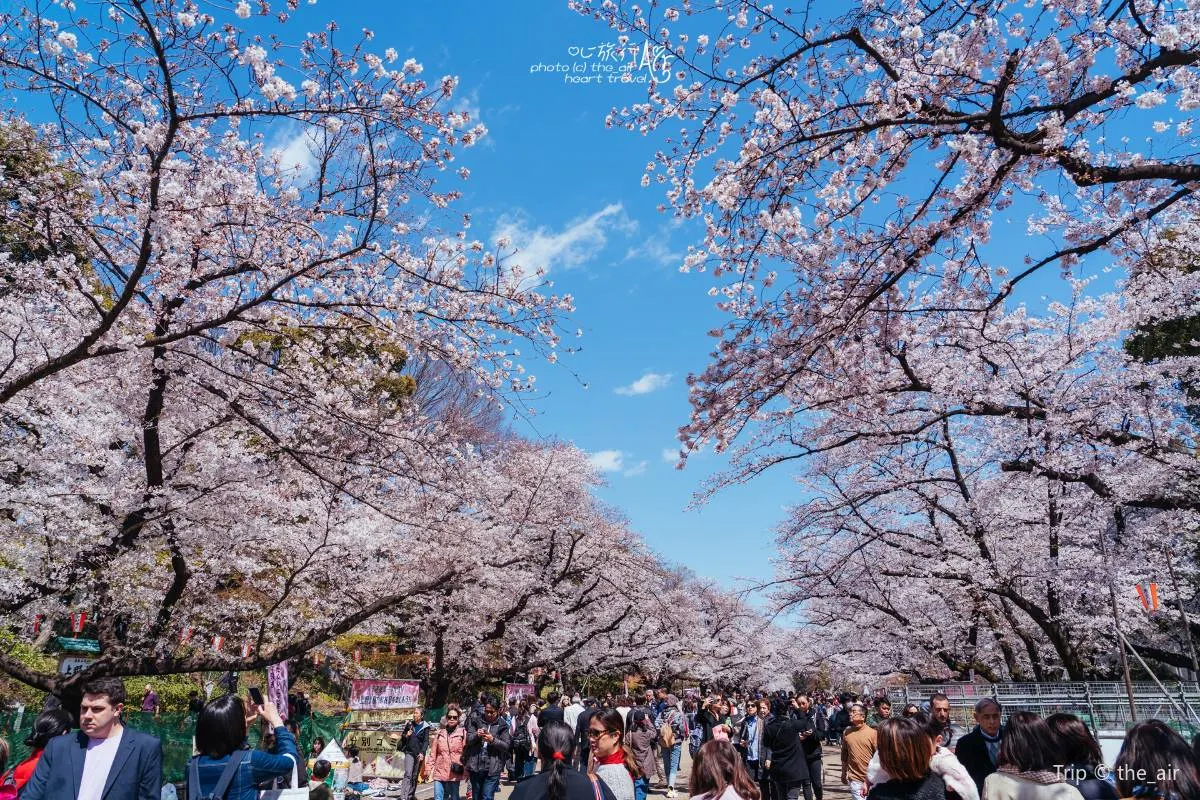
Tokyo is a city that never sleeps, but spring and autumn are when it truly sparkles. Spring’s cherry blossoms transform parks like Ueno and Shinjuku Gyoen into dreamy landscapes. Grab a bento box, find a shady spot, and enjoy hanami like a local.
🌸 Adventures in the outdoors and sightseeing
March–May and October–November are the best months.
Why you'll adore it: The ideal 13–25°C weather for temple visits, castle tours, and picturesque treks is available throughout these shoulder seasons. Autumn envelops Kyoto and Nikko in flaming reds and golds, while spring brings the famous sakura bloom from south to north. Walking in cities like Tokyo and Kyoto is easy because of the mild weather and reduced congestion.
Be wary of: Walking through crowded areas or climbing shrine steps in the 35°C heat is not recommended during the summer months of June through August due to the oppressive humidity and crowded streets.
🍜 Adventures in Cooking
December through February is prime time.
The local secret: Slurping hot ramen, enjoying oden from street vendors, and indulging in winter crab and sushi treats are all made more enjoyable by the cold weather. Warm sake and comfort food are featured on seasonal menus.
⛴️Island Exploration & Seaside Retreats
May, June, and September are the sweet spots.
Why it shines: The warm but tolerable temperatures (20–28°C) of Okinawa and the Japanese islands of Seto Inland Sea make them perfect for beach days, cycling, and ferry journeys. These months are a seaside paradise since there are fewer typhoons and less tourists.
Rough waters: Particularly on southern islands, the typhoon season (late August to mid-September) can cause unexpected cancellations and stormy weather.
📸 Photography Journeys
April (the height of cherry blossoms) and November (fall foliage) are the golden hours.
Expert advice: Take early morning pictures of Tokyo Gaien's golden ginkgo trees or Yamanashi's Mount Fuji framed by blossoms. Particularly in ancient cities like Takayama and Kyoto, autumn hues are striking.
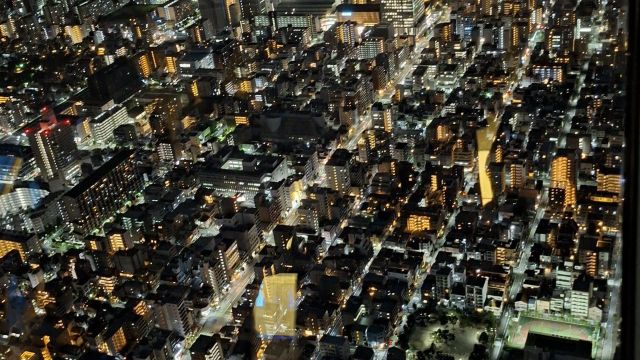
Autumn, on the other hand, is crisp and golden. Perfect for wandering Meiji Shrine’s forested pathways or catching a sunset from Tokyo Skytree. Summer is buzzing with festivals, while winter offers fewer crowds and cozy moments—like sipping hot sake at a rooftop bar with city views.

Tokyo Skytree
Observation Decks
Nighttime sightseeing
Tokyo Skytree User Reviews
4.7/5
2711 reviews5/5
The view was fantastic; we were there in the evening. It was great. The drinks were also very tasty.
4/5
The scenery was amazing! It's a pity it was a cloudy day 🙂↔️ I wish I could go again next time XD
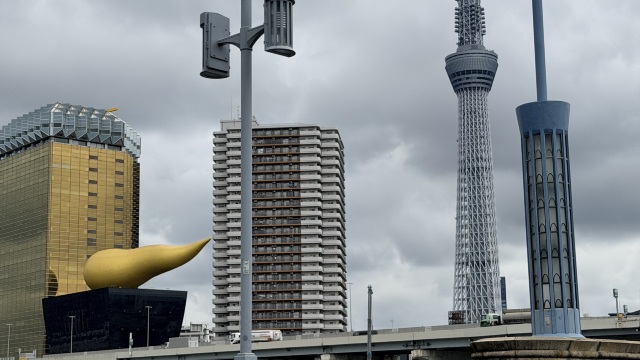
5/5
When you reach the upper floors, be sure to look out the window and just enjoy the view. It's beautiful! ✨
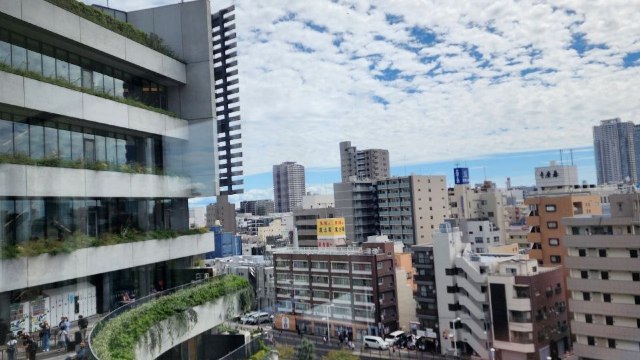
5/5
My visit to the Tokyo Skytree was a truly wonderful experience! 🌃
Stunning views of Tokyo from 350 and 450 meters—especially beautiful in the evening when the city lights up. The visit was well-organized, and everything went smoothly and without any complications.
A great place to see Tokyo from above and have a truly memorable experience. I definitely recommend it! ✨🇯🇵
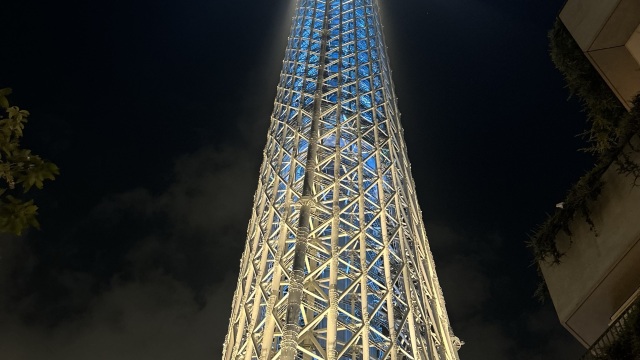

4/5
Tokyo's famous Skytree is very convenient; you can buy tickets and enter in about five minutes using TripAdvisor, which is quite convenient. It's just a pity the weather wasn't great that day, so I didn't get to see the beautiful cityscape. Hopefully, next time the weather will be cloudless.
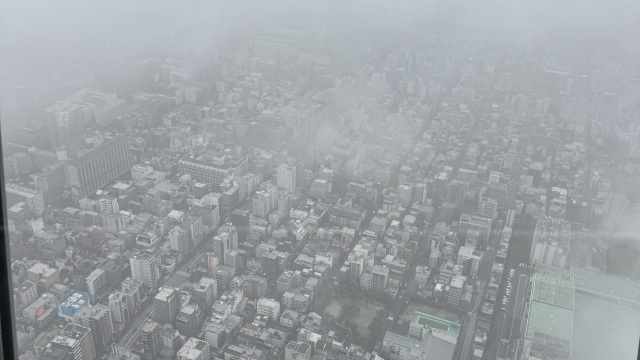
Best Time to Visit Japan—Tokyo by Season
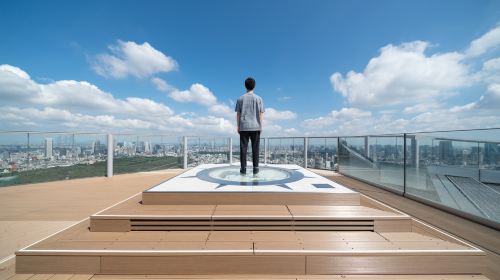
Although the city is beautiful all year round, Tokyo is at its most vibrant in the spring (March to May). Imagine beautiful walks and street food in bustling parks, with cherry blossoms in full bloom and pleasant weather.
- Desire less people? The time for you is in the fall, from late September to November. It's perfect for rooftop views and exploring the city because the air is fresh, the sky is clear, and the city is covered in crimson and gold leaves.
- Summer? Although Tokyo is hot and muggy, the city's night markets, fireworks, and summer festivals give it a vibrant feel. Using kakigōri (shaved ice) and cold noodles will help you stay cool.
- Early August is the worst time to go because of the heat and humidity.
Best Time to Visit Tokyo by Season
| Category | Best Time | Why It's Great |
|---|---|---|
Spring | March – May | Cherry blossoms, mild weather, perfect for outdoor walks and sightseeing |
Summer | June – Early August | Festivals, fireworks, vibrant nightlife |
Autumn | Late September – November | Colorful foliage, crisp air, fewer tourists |
Winter | December – February | Illuminations, holiday events, winter foods |

SHIBUYA SKY
2025 Global 100
Night view
Best Time to Visit Japan—Okinawa
Okinawa is Japan’s tropical getaway, and May is its golden hour. Picture warm sunshine and uncrowded beaches. Perfect, right? For the beach vibes, summer is king. Yes, it’s busier, but crystal-clear waters and vibrant coral reefs make it worth it. Snorkeling and diving? Absolutely.
If you’re after fewer tourists but still crave sunny days, late September to October is your sweet spot. You’ll skip typhoon season and enjoy a more laid-back island vibe.
Best Time to Visit Japan – Okinawa
🌟 Category | Best Time | Why It's Great |
|---|---|---|
🏖️ Beach Days & Island Adventures | Late March–Early May October–Mid-November | Pleasant 22–28°C weather, perfect for snorkeling, beach lounging, and coral reef trips |
🌀 Typhoon-Free Tranquility | April–Mid June Mid-October–November | Lower risk of storms, calm seas, sunny skies |
🍍 Culinary Escapes | Year-round (seasonal specialties) | Tropical fruits in summer, warm Okinawa soba in winter, and tuna festivals in fall |
📸 Photography Expeditions | Jan–Feb (early cherry blossoms) Mar–Apr & Oct–Nov (clear skies & sunsets) | Japan’s earliest sakura, turquoise waters, golden-hour light |
💰 Budget-Friendly Travel | Mid-January–February Mid-November–Early December | Lower hotel/flight prices, fewer crowds, mild 17–22°C weather |
🚴♀️ Active & Eco Escapes | March–May October | Ideal for cycling, hiking, and kayaking; sunny, breezy, and comfortable |

Hotels in Okinawa
See All Hotels
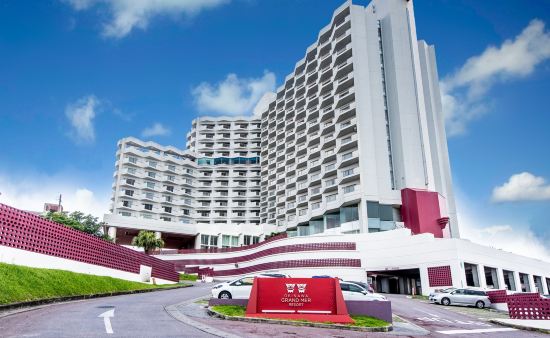



Best Time to Visit Japan—Hokkaido
Hokkaido is a nature lover’s paradise. Winter (December to February) is a no-brainer for ski enthusiasts. Niseko’s powdery slopes are legendary, and the Sapporo Snow Festival’s giant ice sculptures are a bucket-list experience.
919-28 Soga, Abuta District
From
INR 26,226
But wait, there’s more! Spring and summer bring fields of blooming lavender in Furano and rolling green hills at Shikisai-no-Oka. It’s like stepping into a watercolor painting. And autumn? Oh boy, the mountains burst into fiery reds and oranges, making it the perfect time for hiking.
Best Time to Visit Japan—Food Lovers
Japan is foodie’s paradise. Autumn is the “season of appetite.” Why? Fatty tuna, fresh matsutake mushrooms, and sweet chestnuts take over the menu.
Winter is comfort food heaven—hot pots like sukiyaki and bubbling bowls of miso ramen will warm you to your core. Spring brings sakura-themed treats, while summer keeps it light with cold soba noodles and refreshing kakigori (shaved ice). Don’t miss out on Hokkaido’s creamy soft-serve ice cream or Osaka’s famous takoyaki.
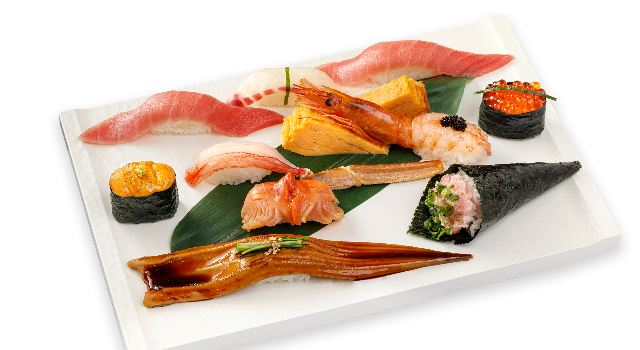
Sushi no Midori
Fresh Japanese Food
Sushi
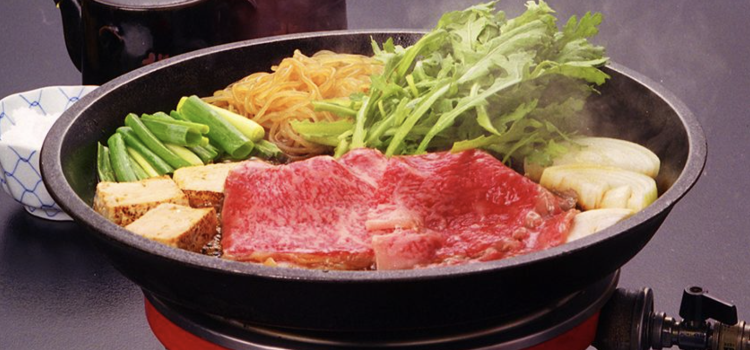
Meat sukiyaki restaurant Kitamura
Japanese Hotpot
Meat sukiyaki
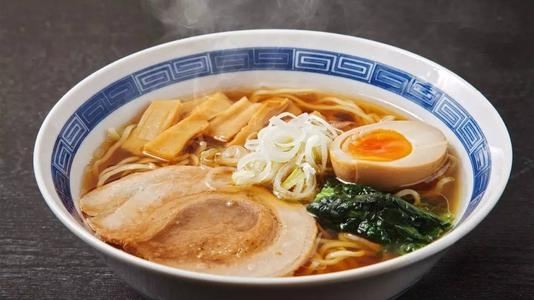
Ichiran Ramen Dotonburi - Main Building
Ramen
Japanese Food
So, when’s the best time to visit Japan? The answer depends on what you’re dreaming of. Cherry blossoms in spring? Do leaves fall in autumn? Snowy adventures or beach escapes? Japan offers something magical in every season. Pack your bags, grab your camera, and get ready for an unforgettable journey. What are you waiting for? Japan is calling!
the
Car Rentals
Car Rental Promo Code - 8% Off
New User Enjoy up to 8% Off
TRIPCAR8
Tips for Planning Your Trip to Japan
Season with the best overall performance:
- March–May: moderate weather and cherry blooms
- October through November is autumn, with vibrant foliage and beautiful skies.
Avoid: - Golden Week's time: crowds and price spikes (late April–early May)
- Obon (the middle of August): crowded tourist attractions and trains
- New Year (December 29–January 3): closures and traffic jams
See all attractions

Sample 10-Day Itinerary: Tokyo, Kyoto, Nara, and Osaka
Day | Destination | Highlights |
|---|---|---|
Day 1 | Tokyo (Arrival) | Shinjuku stroll, Tokyo Tower view, ramen dinner |
Day 2 | Tokyo | Tsukiji Outer Market, Asakusa Temple, Ueno Park, Akihabara |
Day 3 | Tokyo (Day trip) | Nikko (temples + waterfalls) or Kamakura (giant Buddha, seaside) |
Day 4 | Hakone (Optional stop) | Onsen, Mt. Fuji views, Hakone Open-Air Museum |
Day 5 | Kyoto | Fushimi Inari Shrine, Nishiki Market, Gion evening walk |
Day 6 | Kyoto | Arashiyama Bamboo Grove, Kinkaku-ji (Golden Pavilion), tea ceremony |
Day 7 | Nara (Day trip) | Todaiji Temple, deer park, Naramachi old town |
Day 8 | Osaka | Dotonbori street food, Osaka Castle, Kuromon Ichiba Market |
Day 9 | Osaka/Kyoto Free Day | Universal Studios Japan (Osaka) or Philosopher’s Path (Kyoto) |
Day 10 | Departure | Head to airport from Osaka (KIX) or back to Tokyo if needed |
Japan Travel Planning Summary Table
🗂️ Category | ✅ Key Points |
|---|---|
🗓️ Best Time to Visit | -Spring (Mar–May): Cherry blossoms, mild weather - Autumn (Oct–Nov ): Foliage, clear skies - 🚫 Avoid: Golden Week (late Apr–early May), Obon (Aug), New Year (Dec 29–Jan 3) |
✈️ Flights & Entry | - Book 2–5 months ahead - Main airports: Tokyo (NRT/HND), Osaka (KIX), etc. - Visa-free for many countries (up to 90 days) |
🚅 Transportation | - JR Pass for long-distance savings - IC Cards (Suica, Pasmo) for city travel - Use Google Maps / NAVITIME for routes |
🏨 Accommodation | - Book early in peak seasons - Mix: hotels, ryokan, capsule hotels, Airbnb - Ryokan for cultural experience |
💬 Culture & Etiquette | - Quiet on trains, no tipping - Carry cash (many places are cash-only) - Basic phrases: Arigatou, Sumimasen - Remove shoes when required |
📱 Essentials | - Pocket Wi-Fi or local SIM - Use luggage forwarding (takuhaibin) - Convenience stores = reliable food, ATMs |
🗺️ Sample Itinerary (10 Days) | - Tokyo (3 days): Culture, food, day trip to Nikko/Kamakura - Kyoto (2–3 days): Shrines, gardens, tea ceremonies - Nara (1 day): Mid-JanuaryDeer park, temples - Osaka(2–3 days): Food, shopping, Universal Studios |
💰 Budget Tip | - Travel mid-week/off-season for lower prices - Winter (Jan–Feb) & early Dec = fewer tourists, hotel discounts |
FAQs:Best Time to Visit Japan
-
Which month in Japan is the busiest? Which month sees the highest number of visitors to Japan?
-
Which month has the highest prices in Japan?
-
Which season in Japan is the most beautiful?
Disclaimer: This article has been provided by an individual contributor or third party platform. If there is any discrepancy regarding the copyright, please contact us directly and we will delete the content immediately.
Trending Searches
-
Getting around
-
Popular attractions
-
eSIM/SIM card
- SHIBUYA SKY Ticket
- Shanghai Disneyland Tickets
- Universal Studios Hollywood Tickets
- Universal Studios Hollywood Early Entry
- Shanghai Tower Tickets
- Sphere Tickets
- Universal Studios Japan Tickets
- Universal Studios Singapore
- Beijing studio minisite
- Shanghai Disneyland Early Entry
- georgia aquarium tickets
- Great Wall of China
- Edge New York Tickets
- Chengdu Panda
- Cheap Tickets for Shanghai Disneyland