Best Time to See Northern Lights in Canada

By tinafa
June 23, 2025
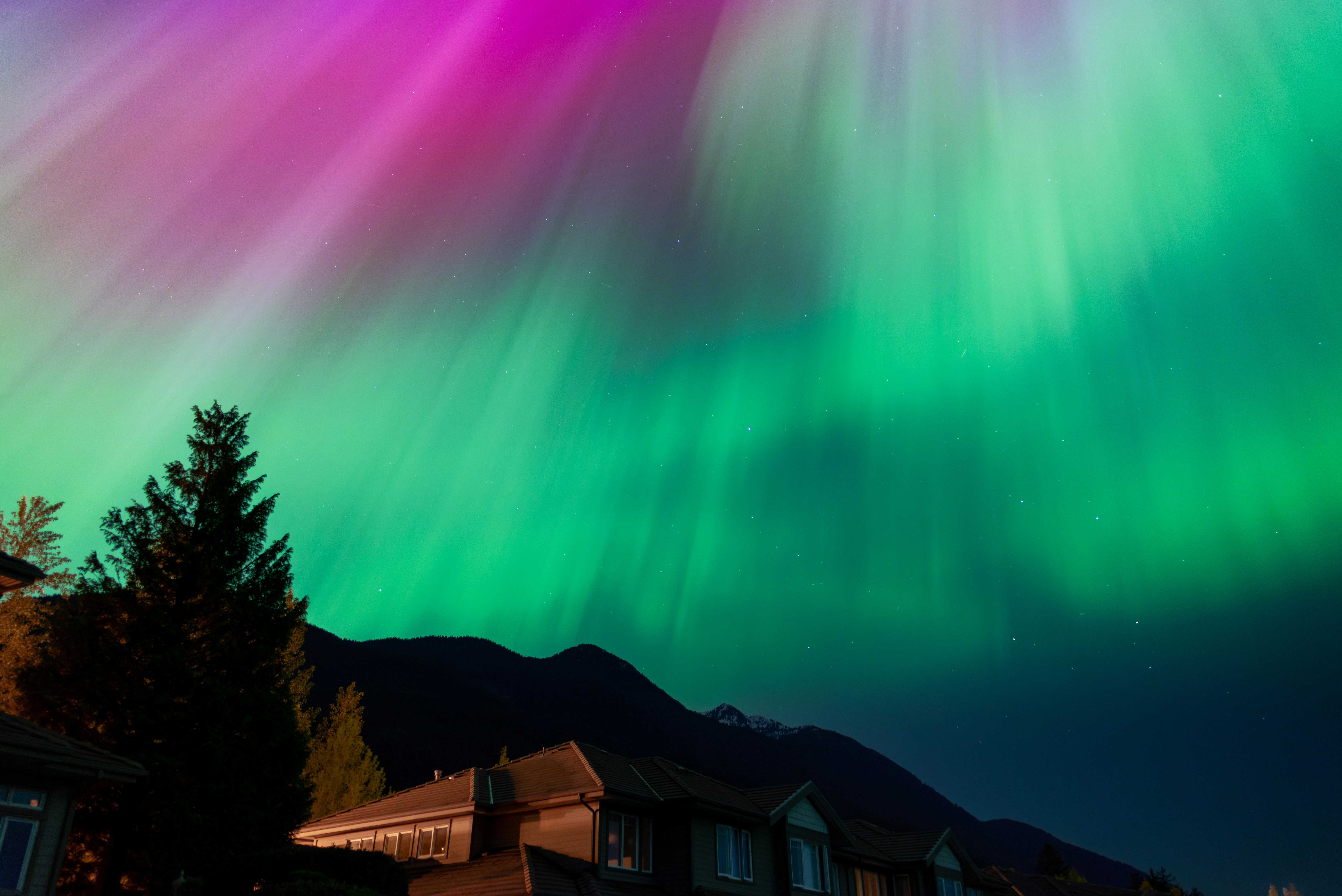
As ribbons of pink, yellow, and green light dance across the night sky like a cosmic ballet, nothing compares to your first sight of the northern lights. Visionaries and adventurers have been enthralled with this magnificent natural phenomenon, known as the aurora borealis, for decades.
Canada is one of the best sites in the world to witness this spectacular light show, with excellent viewing spots ranging from the remote wilderness of the Yukon to cozy aurora domes in the Northwest Territories. From a luxurious capsule to a rustic tent, Canada offers experiences that will never be forgotten for people of all backgrounds.
See all attractions
 2393 booked


"Aurora Borealis": What Does It Mean?
The name is a combination of the names of the Greek god of the northern wind, Boreas, and the Roman goddess of the daybreak, Aurora. The very northern parts of Canada are ideally situated to observe the Auroral Oval since they are right beneath it, an area with particularly intense geomagnetic activity.
The Aurora Borealis: What Causes It?
When gases in the Earth's upper atmosphere come into contact with charged particles from the sun, the northern lights are produced. Usually in tones of green, pink, and purple, these exchanges release energy in the form of blazing light, which we perceive as shimmering waves over the sky.
Why Does the Aurora Borealis Hold Such Allure?
The unpredictable nature of this natural light show adds to its attractiveness because it cannot be planned. You have some of the highest chances of seeing it in the globe in Canada, particularly in the northern areas near the magnetic pole.
The display of the aurora is really captivating. It can show up as pulsating arcs of light, floating veils, or rippling waves of color in the night sky. The most prevalent color is green, but you may also observe vivid pink, yellow, or violet tones. Though rare, red auroras are stunning. The lights do more than simply glow; they move, swirl, and flicker, sometimes referred to as "dancing" through the night.
🧭The Best Time to See Canada's Northern Lights: Month-by-Month Guide
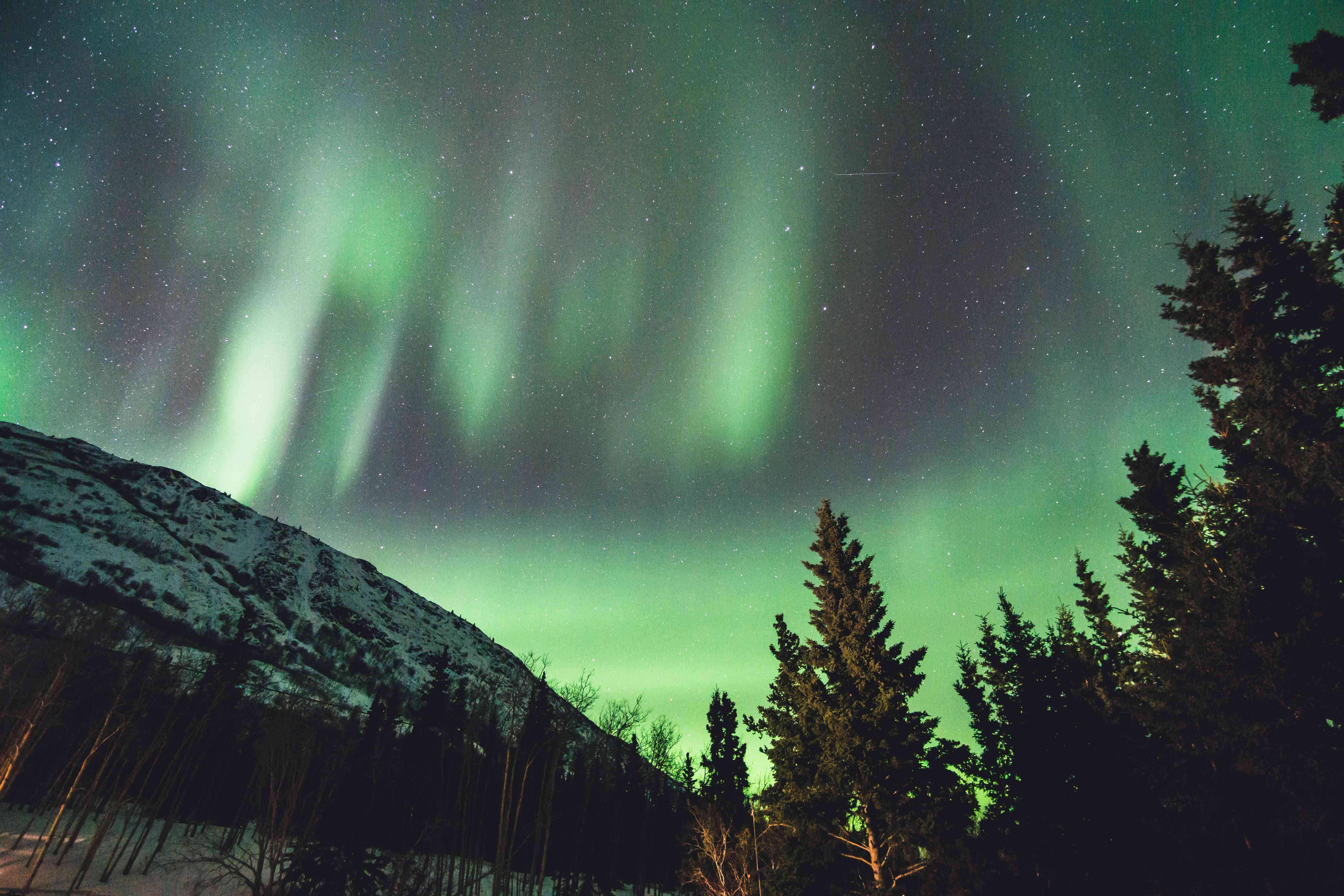
Are you hoping to see Canada's enchanted aurora borealis? Long, dark evenings make for ideal viewing conditions between late September and early April, making this the ideal time of year to watch the northern lights.
📊 Northern Lights in Canada: Best Time & Weather Summary
Season | Months | Visibility | Weather Notes |
|---|---|---|---|
Winter | December–February | 🌟🌟🌟🌟🌟 | Coldest season, longest nights, very clear skies |
Autumn | September–November | 🌟🌟🌟🌟 | Crisp air, colorful foliage, good darkness |
Spring | March–April | 🌟🌟🌟 | More daylight, still dark enough at night |
Summer | May–August | 🌟 | Too much daylight in northern Canada, low chances |
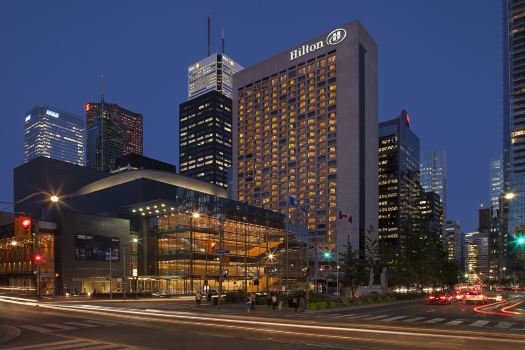
Book Your Hotel
See All Hotels



Seasonal Selection for the Best Time to See Canada's Northern Lights
Spring (March–April) - Late Season Chances
Viewing Conditions
Darkness decreases but still 10-12 hours nightly. Solar storms often increase around equinox. Temperatures range from -20°C to 5°C (-4°F to 41°F).
Best Spots
- Iqaluit, Nunavut - Far north extends the season
- Dawson City, Yukon - Historic gold rush town setting
- La Ronge, Saskatchewan - Lake reflections amplify lights
Spring Advantages
- Warmer than deep winter months
- Fewer tourists than peak season
- April offers last reliable chances before summer
Spring Activities
- Snowmobile tours to viewing locations
- Photography workshops capturing late-season auroras
- Cultural experiences with Indigenous guides
Important Note
By late April, most northern locations have insufficient darkness. Focus on early March for best spring viewing.
Summer (May–July) - No Visibility
Viewing Reality
24-hour daylight in northern regions (midnight sun) makes aurora viewing impossible. Solar activity continues but can't be seen.
Alternative Experiences
- Yukon Midnight Sun - Whitehorse festivals celebrating continuous daylight
- Nunavut Wildlife - Summer whale watching and birding
- NWT Fishing - World-class lake fishing under endless sun
If You Must Try
- Southern Canada (rare sightings possible in August)
- Webcams monitoring auroral activity
- Plan ahead for winter trips
Local Insight
Many aurora resorts and tour companies close May-August. This is the time to book winter accommodations at lower rates.
Autumn (August–November) - Season Returns
Viewing Conditions
Darkness returns gradually. September equinox often brings increased activity. Temperatures range from -5°C to 15°C (23°F to 59°F).
Prime Locations
- Jasper National Park, AB - Dark Sky Preserve
- Moose Factory, ON - Accessible northern location
- Fort McMurray, AB - Road-accessible viewing
Autumn Perks
- Warmer than winter viewing
- Fall colors contrast beautifully with auroras
- Fewer tourists than winter peak
Winter (December–February) - Prime Viewing
Viewing Conditions
14-18 hours of darkness daily with frequent solar activity. Crisp, clear skies offer excellent visibility. Temperatures range from -10°C to -40°C (14°F to -40°F).
Top Locations
- Yellowknife, NWT - "Aurora Capital of North America" with glass-ceiling lodges
- Whitehorse, Yukon - Combine with Takhini Hot Springs viewing
- Churchill, Manitoba - Aurora + polar bear adventures
Viewing Tips
- Dress in thermal layers with proper winter gear
- Book tours with heated viewing cabins or vehicles
- February offers best balance of cold and tolerable temperatures
Winter Activities
- Dog sledding under the aurora
- Snowshoeing to remote viewing spots
- Ice fishing by day, aurora watching by night
Pro Tip
Time your visit with new moon phases for darkest skies. Full moons create magical snowy landscapes but reduce aurora intensity.
Seasonal Activities
- Canoeing under early auroras (September)
- Hiking to viewpoints before snow arrives
- Cultural festivals celebrating returning darkness
Pro Tip
Late August offers first chances in far north. By November, conditions approach winter quality with milder temperatures.
🌌 Best Time to See the Northern Lights in Canada | When to Visit Top Attractions
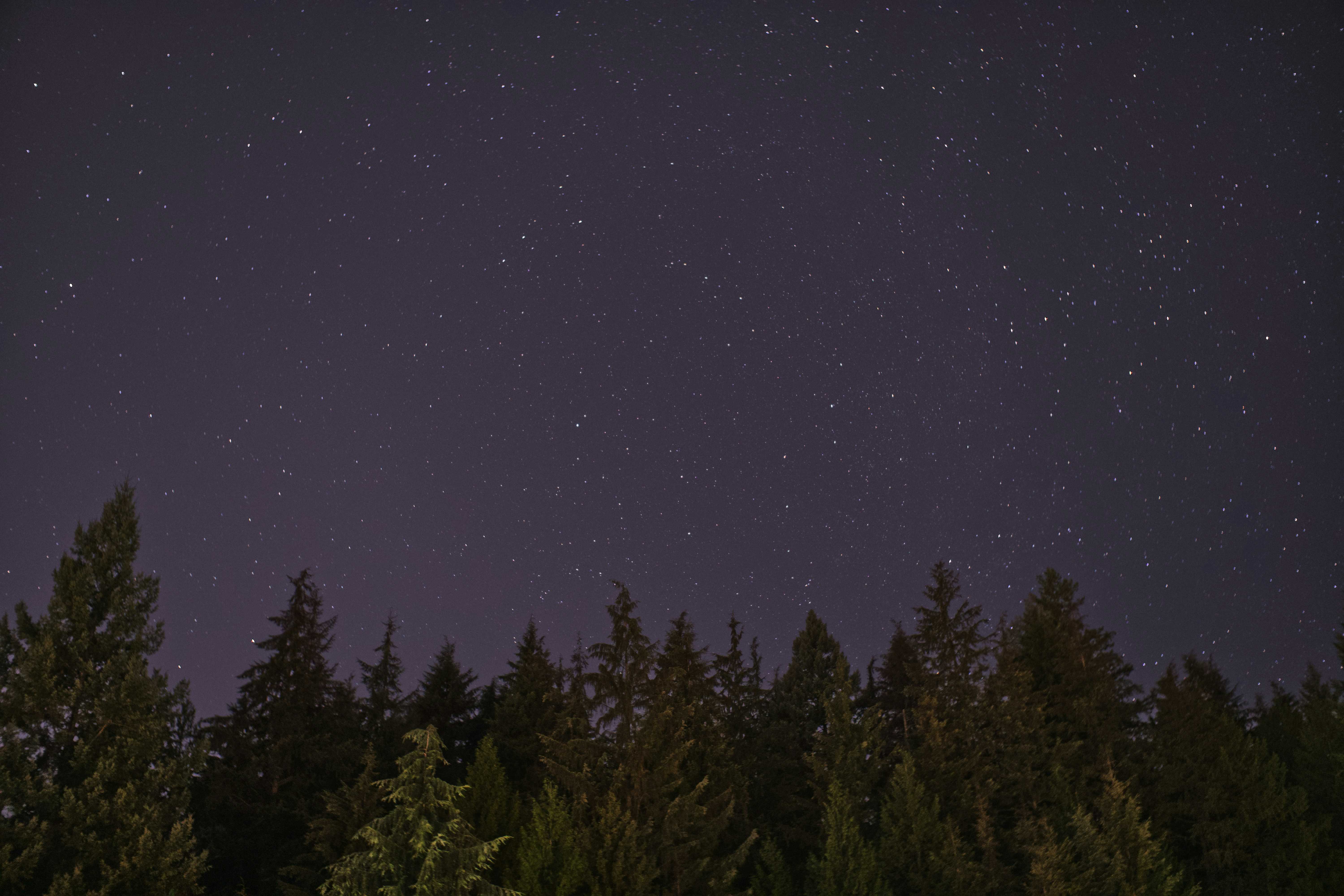
The Auroral Oval, which is where aurora activity is most intense, is located just beneath Canada's expansive northern landscape.
Can you see the Northern Lights in Canada?
🔝 The best places to see the Northern Lights include Yellowknife, Northwest Territories, Canada's capital, where they may be seen about 240 nights a year.
- Whitehorse, Yukon: Magnificent vistas of the outdoors and a lot of aurora activity.
- Churchill, Manitoba: Well-known for the Northern Lights and arctic bears.
- Alberta's Banff and Jasper offer breathtaking views of the aurora.
- Northern Quebec and Nunavut are remote but amazing places for serious skywatchers.
🧭 When to Visit Top Attractions (Combining Aurora & Travel)
Many top attractions in Canada align perfectly with aurora season:
| Attraction | Best Aurora Time | Bonus Activities |
|---|---|---|
Yellowknife Aurora Village | Jan.–March | Dog sledding, teepee lodging |
Jasper Dark Sky Preserve | Oct–Feb | Stargazing festivals |
Churchill, Manitoba | Feb–March | Polar bear & beluga tours |
Whitehorse, Yukon | Nov.–March | Hot springs, winter sports |
Iqaluit, Nunavut | Dec–April | Inuit culture experiences |
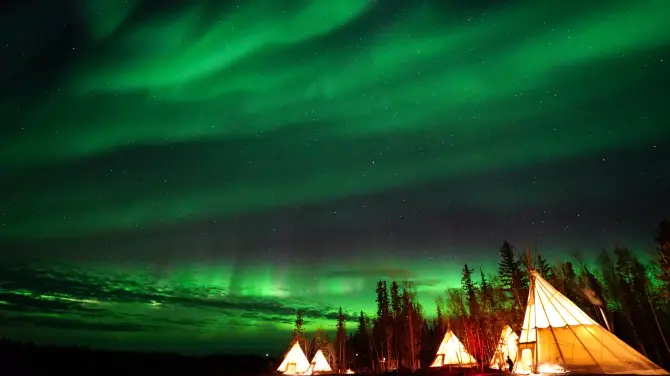
Aurora Village
Opening hours of Aurora Village
No.1 of Best Things to Do in Yellowknife
Mandarin / English
|
Duration:2-3 days
free
Book Now >
Which Canadian locations offer the best views of the aurora borealis?
1. Northwest Territories' Yellowknife
Why it's the greatest: With up to 240 nights of visibility annually, Yellowknife is frequently referred to as the "Aurora Capital of North America."
Benefits include planned aurora tours, clear, dark skies, and opportunities to explore Indigenous culture.
2. Yukon's Whitehorse
Why leave? Whitehorse, surrounded by unspoiled nature, offers stunning views and a lot of aurora activity.
Benefits include snowshoeing, comfortable lodges, and natural hot springs.
3. Churchill, Manitoba
Why it is notable: Churchill, which is more well-known for its polar bears, is also a great place to see the Northern Lights, particularly in February and March.
Benefits: Combine wildlife trips with aurora watching.
4. Alberta's Jasper National Park
Why it's so good: Jasper boasts exceptionally dark skies that are perfect for photography, earning it the designation of Dark Sky Preserve.
Benefits include the backdrop of the Rockies, lakeside reflections, and aurora-watching events.
5. Nunavut, Iqaluit
Why it's different: Iqaluit is a remote, far northern location that provides unadulterated, breathtaking aurora views free from light pollution.
Benefits include a genuine off-the-grid experience and views of the Arctic.
6. Northern Quebec's Kuujjuaq Why go: One of Eastern Canada's best-kept secrets for observing the lights.
Benefits include fewer crowds and Inuit culture.
7. Athabasca Sand Dunes in Northern Saskatchewan
Why it's so great: Very black skies and bizarre backgrounds result from very little growth.
Benefits include fly-in lodges and unusual scenery.
See all attractions
FAQ: Best time to see the Northern Lights in Canada
-
What time of year is ideal for viewing Canada's Northern Lights?
-
Is the Northern Lights visible in the summer?
-
When is the greatest time of night to see the aurora borealis?
Disclaimer: This article has been provided by an individual contributor or third party platform. If there is any discrepancy regarding the copyright, please contact us directly and we will delete the content immediately.
Trending
-
Getting around
-
Popular attractions
-
eSIM/SIM card
- SHIBUYA SKY Ticket
- Shanghai Disneyland Tickets
- Universal Studios Hollywood Tickets
- Universal Studios Hollywood Early Entry
- Shanghai Tower Tickets
- Sphere Tickets
- Universal Studios Japan Tickets
- Universal Studios Singapore
- Beijing studio minisite
- Shanghai Disneyland Early Entry
- georgia aquarium tickets
- Great Wall of China
- Edge New York Tickets
- Chengdu Panda
- Hong Kong Disneyland
- eSIM Japan
- Taiwan eSIM
- eSIM South Korea
- China SIM Card
- China eSIM with VPN
- China Eastern Airlines Baggage
- Philippine Plug Type
- Motel vs Hotel
- Hong Kong Disneyland
- Murrieta Hot Springs
- Beijing studio minisite
- Zhangjiajie National Forest Park
- China Holidays
- Universal Studios Japan Tickets
- SHIBUYA SKY Ticket