Beijing Hutongs 2026: Where to Walk, Eat and Stay

By Bethy
September 22, 2026

Where to walk, eat and stay in Beijing's hutongs, from Nanluoguxiang's side alleys to Shichahai at sunset, plus traditional courtyard hotels worth booking.
Fly to Beijing
Beijing Hotels
Beijing Activities
See all flights

 NO.1
NO.1

![Mutianyu Great Wal Tour[Small Group of 9 | Private Tour Optional | Multiple Packages]](https://ak-d.tripcdn.com/images/0355l12000qpsc3klD145_C_568_320.jpg)
![Beihai Park in Beijing Trip Moments [8 chain stores in Beijing · Hanfu + makeup and styling/multiple packages optional]](https://ak-d.tripcdn.com/images//0586012000rf58x2mFB8B_C_568_320.jpg)
What is Hutong in Beijing?
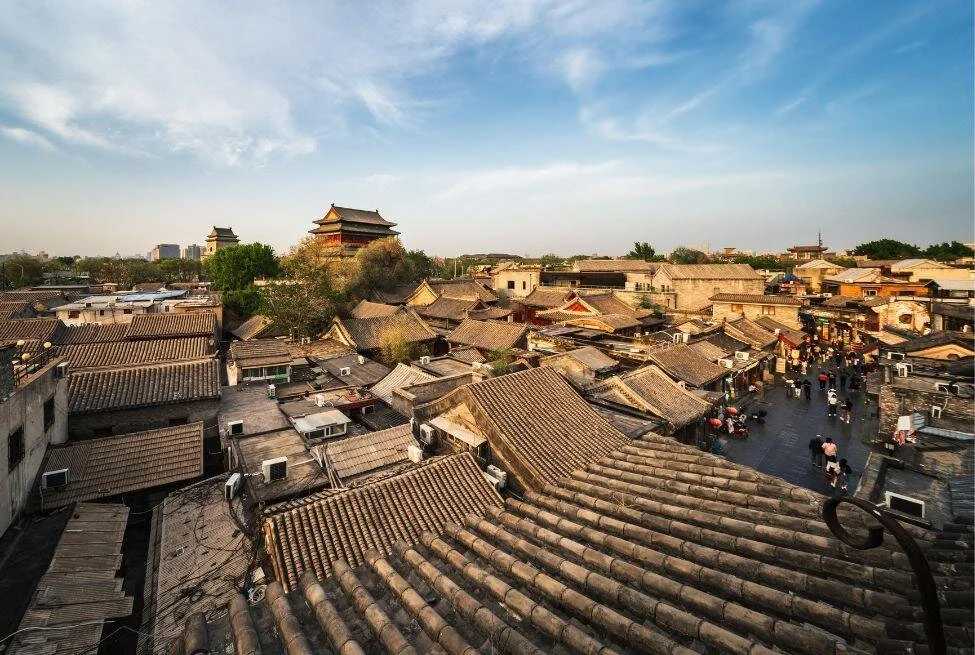
A hutong is a narrow lane lined with traditional courtyard houses, and it is the older street pattern of Beijing. The word comes from Mongolian and originally referred to a water well or the space around one; over time it came to mean the alleys themselves. Most date from the Yuan, Ming and Qing dynasties, and they are laid out around siheyuan, the walled courtyard compounds where several generations of a family lived around a central yard.
Beijing once had more than 3,000 hutongs. Fewer than 1,000 remain, with the best-preserved clusters around Shichahai, the Drum and Bell Towers and the area north of the Forbidden City. Some are now busy commercial streets, others are quiet residential lanes where laundry hangs across the alley and residents still queue at the neighbourhood bathhouse. The interesting ones are usually a mix of both.
Top 11 Beijing Hutongs at a Glance
If you only have time for two or three, take Nanluoguxiang for the classic hutong experience and its side alleys, Yandai Xiejie with Shichahai for the lakeside walk at sunset, and Wudaoying for coffee, design shops and a slower pace. The table below summarises the main ones, their districts, the nearest metro station and what each is actually best for.
Hutong | District | Nearest metro | Length | Best for |
|---|---|---|---|---|
Nanluoguxiang | Dongcheng | Line 6/8, Nanluoguxiang | 787 m | Classic hutong street plus side-alley courtyards |
Wudaoying Hutong | Dongcheng | Line 2/5, Yonghegong (Lama Temple) | About 632 m | Cafés, design shops, quiet afternoon walks |
Yandai Xiejie | Xicheng | Line 8, Shichahai | 232 m | Old shop street and the walk to Houhai |
Shichahai and Houhai | Xicheng | Line 8, Shichahai | Lake district | Sunset at Yinding Bridge, rickshaws, bars |
Guozijian Street | Dongcheng | Line 2/5, Yonghegong | About 680 m | Imperial Academy, Confucius Temple, archways |
Dongjiaominxiang | Dongcheng | Line 2/5, Chongwenmen | About 1.6 km | Old legation quarter and European architecture |
Zhuanta Hutong | Xicheng | Line 4, Xisi | About 800 m | Beijing's oldest recorded hutong |
Liulichang Cultural Street | Xicheng | Line 2, Hepingmen | About 800 m | Calligraphy, inkstones, antiques and books |
Yangmeizhu Xiejie | Xicheng | Line 2, Qianmen | About 500 m | Bookshops, crafts and a slow south-city lane |
Bada Hutong | Xicheng | Line 2, Qianmen / Line 7, Zhushikou | Eight lanes | Old opera and entertainment district |
Guijie (Ghost Street) | Dongcheng | Line 5, Beixinqiao / Line 2/13, Dongzhimen | About 1.5 km | Late-night food, open 24 hours |
Nanluoguxiang: The Hutong Everyone Starts With
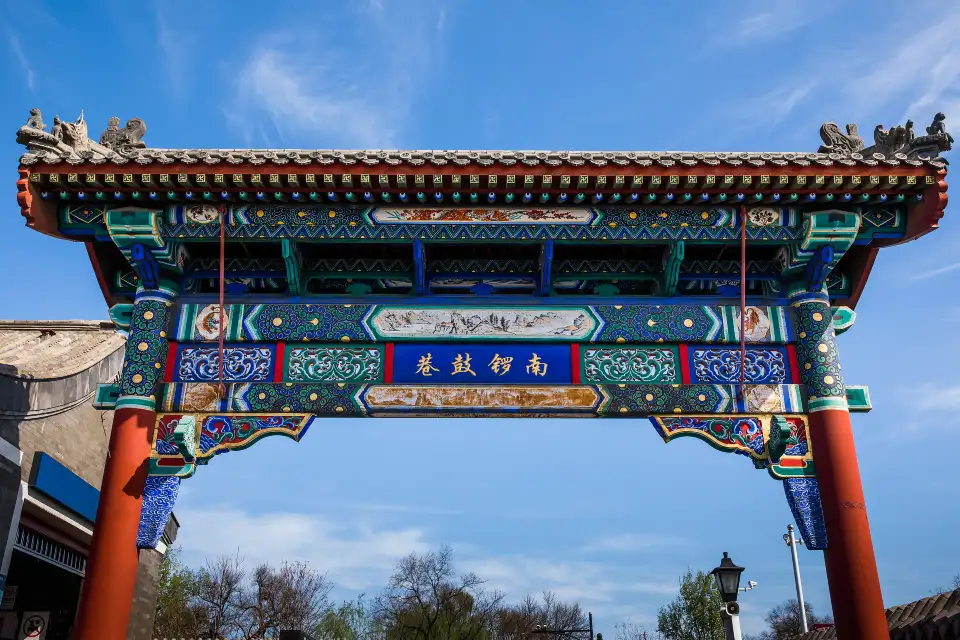
Nanluoguxiang is the best-known hutong in Beijing and the easiest to reach, a north-south lane about 787 metres long that dates to the Yuan Dynasty, roughly 740 years ago. Its layout is the reason it is interesting: sixteen parallel alleys branch off it symmetrically, eight to the east and eight to the west, a pattern locals call the centipede or fishbone grid. The main lane is commercial and busy, with snacks, souvenirs and boutiques. The side alleys are where the character is.
What to See in the Side Alleys
- Mao'er Hutong, meaning Hat Maker Lane, has some of the grandest surviving courtyard mansions in the city, including a former residence of Empress Wanrong and the classical garden known as Keyuan.
- Yu'er Hutong holds the former home of the painter Qi Baishi.
- Dongmianhua Hutong is home to the Central Academy of Drama and has an old carved brick archway over the lane.
- Look at the doorways as you walk: the size of the gate, the stone drums outside and the number of steps once indicated the rank of the family inside.
Practical Notes
- Getting there: metro Line 6 or 8 to Nanluoguxiang, exit E.
- Best time: weekday mornings or after 18:00, when the tour groups thin out.
- Eat: Beijing yoghurt cheese, candied haws, choudoufu and noodles on the main lane, though the side alleys have better cafés.
Reviews of Nanluogu Xiang
4.6/5
299 reviews
4/5
It's very close to the Nanluguoxiang metro exit. Pretty far if you walk from Beixinqiao (even though it looks not too far on the map LOL). The alley is not too long and has many interesting stores. Modern and old Beijing styles mixed well there. Western bakery and traditional snacks can be found there. Nice place for window shoping and buying some snacks.

5/5
Don't save money on travel
Because it can broaden your horizons (open your eyes)
A family travels to Beijing for 16 days ✈️
The air is very good, there is no smog at all, the streets are very clean and the greenery is very complete
I can only say that Siji Minfu Peking Duck is so delicious! No fishy smell at all
The fried noodles in Nanluoguxiang are so authentic
The Beijing National Grand Theater Concert Hall is so stunning
He climbed the Great Wall, so he is a real man!
You'll be addicted to Jubaoyuan mutton hotpot!
Luo Hong Photography Art Museum (enter and enjoy the beauty of the world)
The bar street in Shichahai is worth visiting!
Wang Fujing can go shopping and buy a lot of things!
The most important place to take care of children is Beijing Universal Studios
It is recommended that you buy a fast pass (otherwise you will have to queue for 90 minutes for any facility)
There are so many beautiful sights and fun places that I can’t describe them all!
This trip has more important work to do, but it also means that the whole family will have to move. So I gave up in the end!
I even canceled my flight ticket to Canada at the end of July for this job! But I think these are all destined, keep the positive energy 💪

5/5
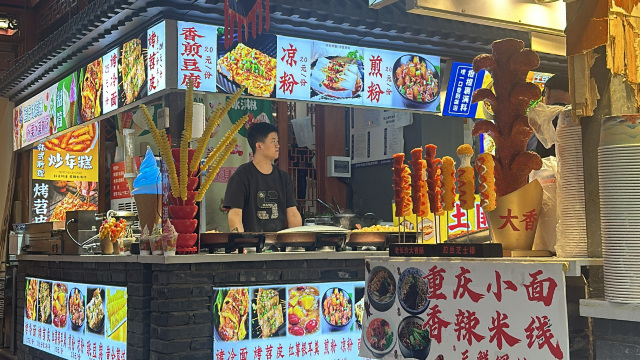
Nanluoguxiang is a place full of the flavor of old Beijing. The alleys here seem to take me back to decades ago, retaining the traditional architecture and living atmosphere. Walking in the alleys, you can see a variety of handicraft shops, teahouses and snack stalls. This place not only has ancient history, but also integrates modern creativity. Many small shops have unique designs and are full of artistic sense. Especially some of the special snacks in the alley, such as Beijing fried noodles with soybean paste and candied haws, which are very delicious.


4/5
This is a street where you can buy traditional Beijing food and various souvenirs! However, the prices for souvenirs here are really, really expensive compared to other places.. I recommend this to those who want to enjoy Chinese street food and traditional streets at the same time~!
4/5
It is a fusion of tradition and modernity. The alleys are filled with specialty shops, cafes, restaurants and handicraft shops, attracting many tourists to experience the fusion of old Beijing's charm and fashion trends.
In addition, Nanluoguxiang is also famous for its rich snacks, such as the cheese from Wenyu Cheese Shop and the lamb kebab pizza from Passenger, which are very popular among tourists.
As one of the best-preserved hutongs in Beijing, Nanluoguxiang not only displays the historical features of the ancient capital, but also reflects the vitality of the modern city. It is an ideal place to understand Beijing's hutong culture and city life.
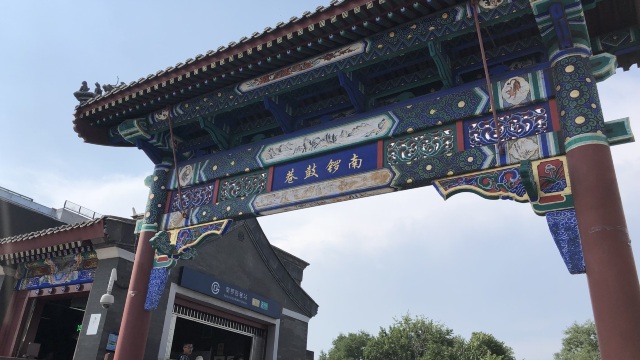
Wudaoying Hutong: Coffee and Design Shops by the Lama Temple
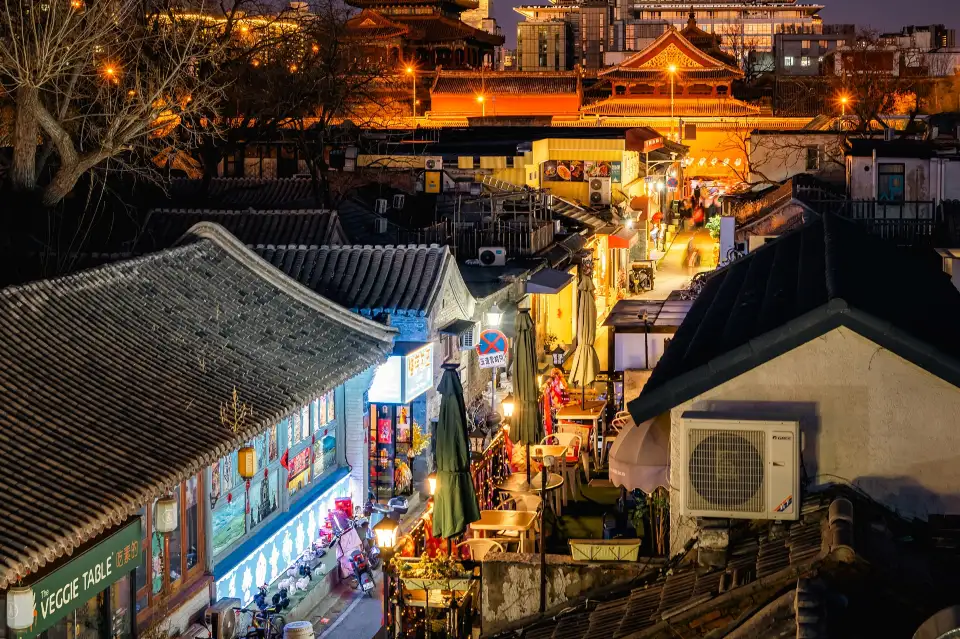
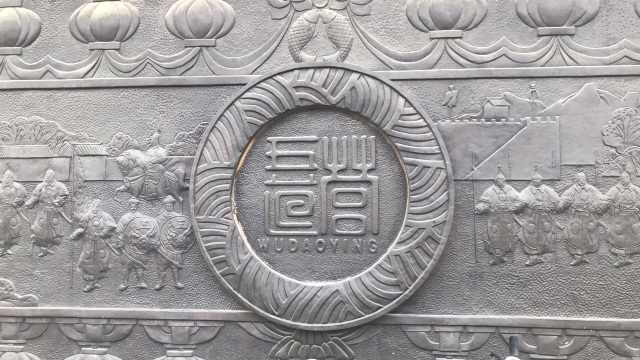
Wudaoying is what people hope Nanluoguxiang will be: about 632 metres of quiet lane running east to west between the Lama Temple and Andingmen, with third-wave coffee shops, independent design studios, craft beer bars and small restaurants. It began in the Ming Dynasty as a military garrison, and the name comes from that barracks. Today it is the most comfortable hutong for a slow afternoon, and the courtyards here are still lived in.
- Getting there: metro Line 2 or 5 to Yonghegong (Lama Temple), exit F or D.
- What to do: coffee at one of the specialist roasters, browse ceramics and vintage clothing, then walk five minutes west to Guozijian Street.
- Food: international and vegetarian restaurants, bakeries and rooftop cafés with views over the temple roofs.
- Best for: a relaxed half day, and anyone who wants to avoid crowds.
Reviews of Wudaoying Alley
4.7/5
75 reviews
5/5
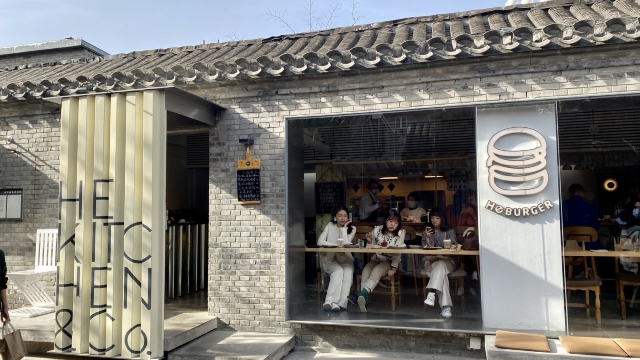
Wudaoying is easily our favourite hutong in Beijing! Located next to Lama Temple (Yonghegong), you can get the metro to this stop and you will walk straight onto the famous hutong. Here you will find a huge variety of restaurants ranging from the famous Mexican - Pebbles, to Thai, Vietnamese, Spanish, hot pot and much more! There are also lots of coffee shops to choose from, our favourite being Phoenix Coffee which has a rooftop and views over the hutongs.

4/5
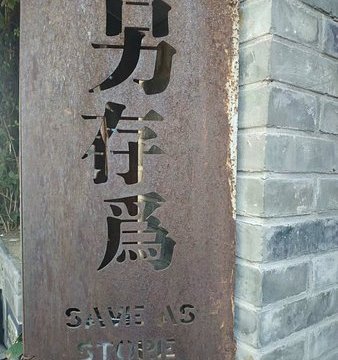
very accessible Hutong - a lot of boutiques and bars selling german beers - not cheap but then that's what you get for importing things. Very pleasant area to spend a few hours of an evening. Aside from the huge famous veggie restaurant opposite lama temple, there are at least 3 others down this lane. we tried Ye Bo Zhai (no 40) - very relaxed atmosphere and great food/service.

5/5
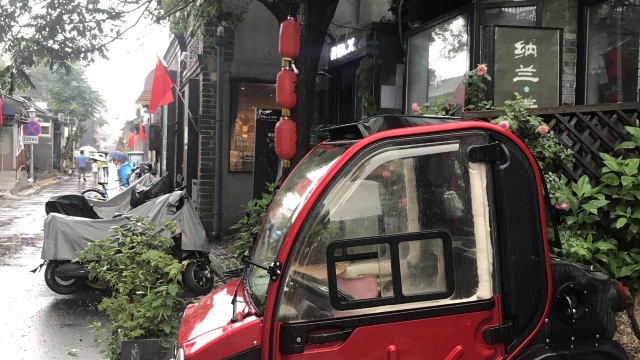
There are other hutongs scattered around Wudaoying Hutong, and it was fun to go into the little back alleys here and there.
Metro Line 2 and other stations are nearby, and there are many cafes and restaurants. But the best part is seeing the old streetscape. If you don't mind, there are also doorless Nihao toilets here and there.

4/5
My first visit to Beijing, Wudaoying is my favorite among all the hutongs
There are many small shops, cafes and restaurants. The streets are also very clean. I like it very much.
Shichahai and Houhai: Lakes, Boats and Sunset at Yinding Bridge
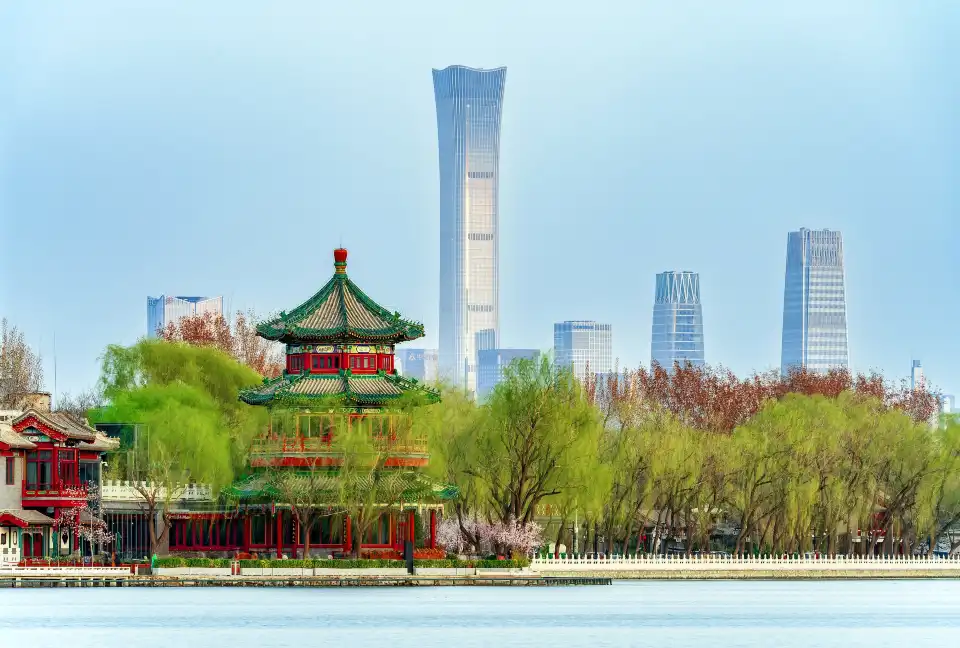
Shichahai is the lake district north-west of the Forbidden City, made up of three connected lakes: Qianhai, Houhai and Xihai. In the Yuan Dynasty this was the northern terminus of the Grand Canal, and the surrounding lanes form one of the largest surviving hutong clusters in the city. It is the most photogenic area for a late-afternoon walk, and the bars and cafés along Houhai stay busy well into the night.
What to Do Around the Lakes
- Walk across Yinding Bridge, the narrow crossing between Qianhai and Houhai, for the classic sunset view of the water and the western hills.
- Rent a boat or take a rickshaw tour, which is the traditional way to see the surrounding lanes. Rickshaw rides typically last about half an hour and run during the day, roughly US$15 to US$30 per rickshaw depending on the route and your negotiating.
- Visit Prince Gong's Mansion, one of the best-preserved princely residences in Beijing, a short walk from the lakes.
- Look for the Drum Tower and Bell Tower to the east, which anchor the whole area.
Practical Notes
- Getting there: metro Line 8 to Shichahai.
- Food: grilled lamb with sesame flatbread at the old roast-meat houses, stir-fried liver and pork buns at the historic snack shops, and Peking duck with a Drum Tower view nearby.
- Best for: sunset, an evening drink, and the largest concentration of courtyard architecture.
See all attractions


Yandai Xiejie: The Skewed Tobacco Pouch Street
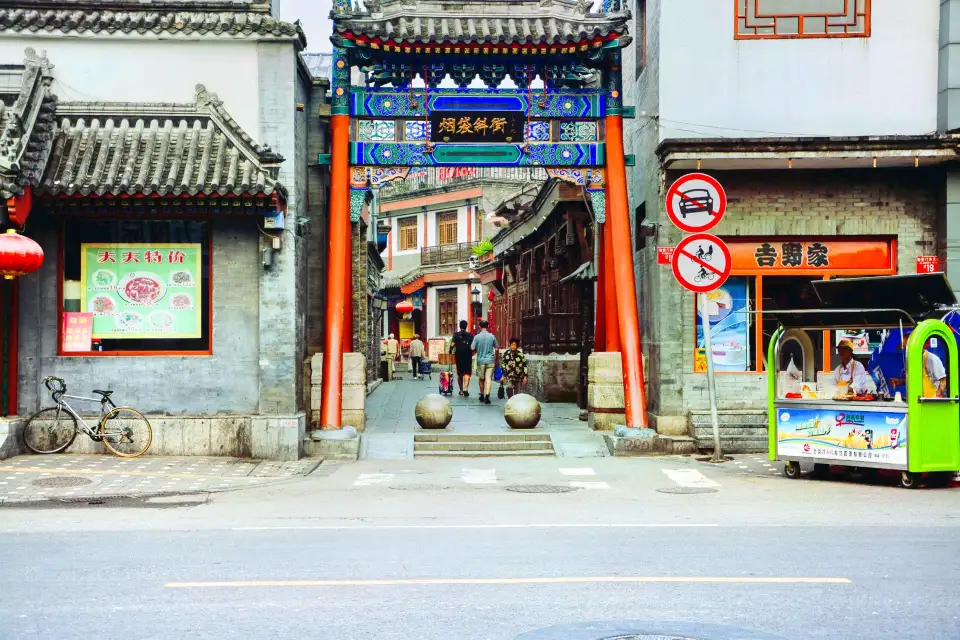
Yandai Xiejie is only 232 metres long, which makes it one of the shortest famous lanes in Beijing, but it carries a lot of history. It dates to the Yuan and Ming dynasties and got its name in the late Qing, when the street was full of shops selling long-stemmed tobacco pipes, pouches and jade. The lane is slightly crooked, and the shape is said to resemble a pipe. It links Di'anmen Outer Street with the Shichahai lakes.
- Getting there: metro Line 8 to Shichahai, exit A.
- What to see: handicraft shops, an old Qing-era post box, and the walk west to Yinding Bridge.
- Food: Beijing jianbing from street stalls, and rooftop cafés looking toward the Drum and Bell Towers.
- Best for: combining with Shichahai in the late afternoon.
Reviews of Yandai Diagonal Street
4.6/5
76 reviews
4/5
.
[Yandaixie Street @ Autumn Tour Beijing 2023 Day3]
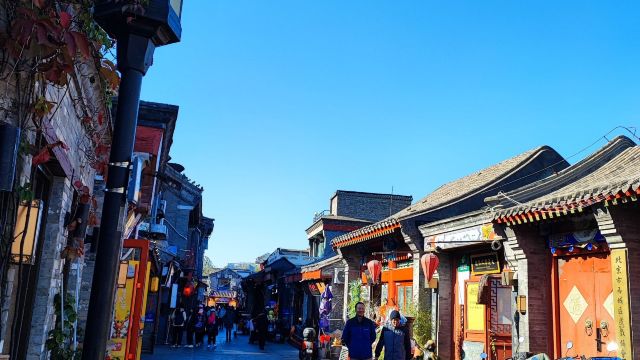
Take a beautiful turn at the Yinding Bridge in Shichahai and you will arrive at the famous Yandaixie Street.
Yandaixie Street is also a commercial street, but on both sides of the street you can also see houses with tiled roofs that have an old Beijing feel.
I walked around the "Qing Dynasty Postal Mailbox" and wanted to buy some small items, but didn't see anything I liked. It’s a pity that I didn’t write a postcard and send it to myself at that time.
We were shopping for the whole morning and were hungry, so we just went into a food court to have a meal.
After some more shopping, we moved to a cafe on the 5th floor with a rooftop, ordered some tea and coffee, took a short break, and stood on the rooftop looking down and out at Yandaixie Street, Shichahai, and the Drum Tower and Bell Tower in the distance. The scenery was in full view, and the weather was fine, so we really enjoyed it.
4/5
[Yandaixie Street@Beijing]
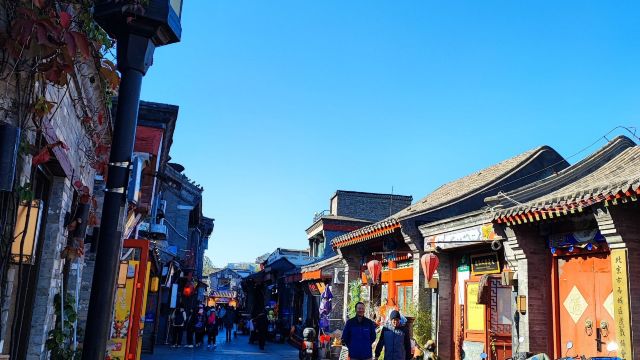
A very famous commercial street that people come to visit because of its reputation. I also checked in at the only "Qing Dynasty Postal Mailbox".
Guozijian Street: The Imperial Academy and Confucius Temple
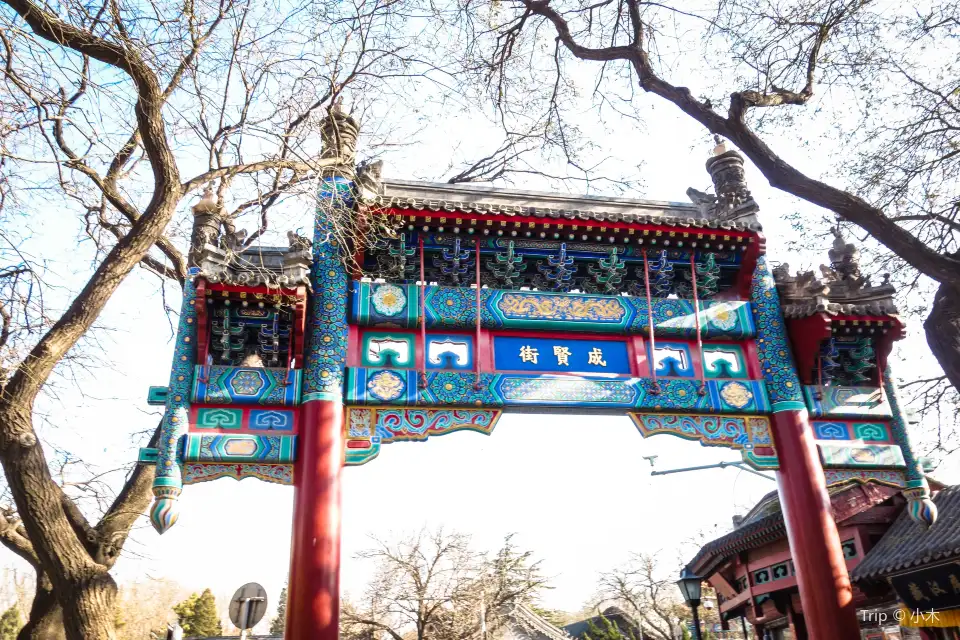
Guozijian Street is a national historic street in Dongcheng, home to the Imperial Academy where officials were trained for centuries, and to the Beijing Temple of Confucius next door. Four wooden archways, known as paifang, span the lane, the trees are old and the whole street is quieter and more scholarly than the tourist hutongs a few minutes away.
- Getting there: metro Line 2 or 5 to Yonghegong, exit F.
- What to see: the temple courtyards and the academy buildings, the stone tablets recording successful candidates, and the old cypress trees.
- What to do: tea tasting in a courtyard house, and browsing the design and craft shops along the street.
- Best for: history, and pairing with Wudaoying Hutong and the Lama Temple in one afternoon.
Dongjiaominxiang: The Longest Hutong and the Old Legation Quarter
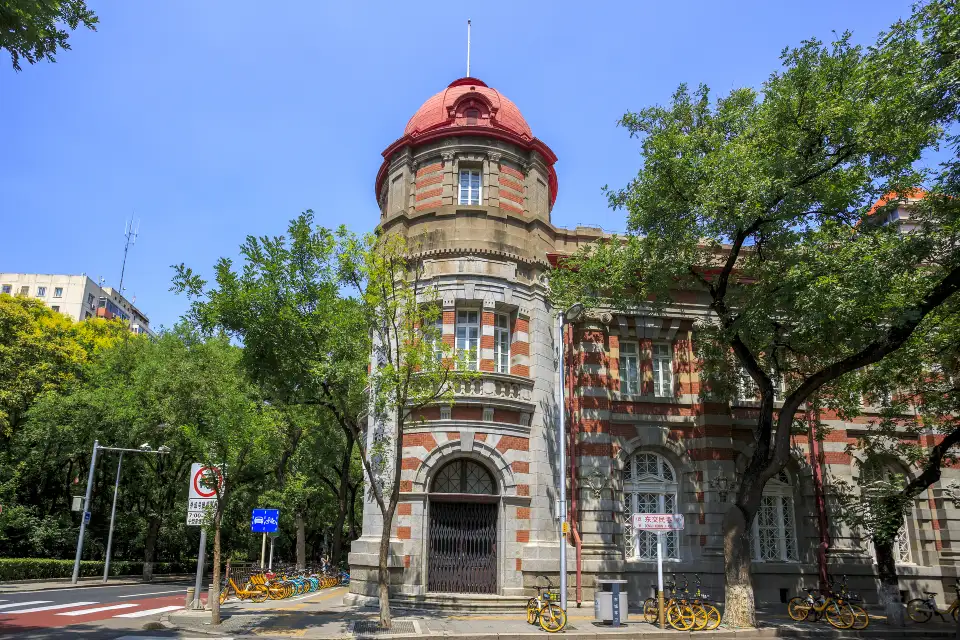
Dongjiaominxiang runs for about 1.6 kilometres south of Tiananmen Square, making it the longest hutong in Beijing. In the late nineteenth century it was the Legation Quarter, where foreign embassies, banks and churches were established, so instead of grey courtyard houses you find European neoclassical facades, old embassy gates and a Gothic church. It feels like a different city from the lanes in the north.
- Getting there: metro Line 2 or 5 to Chongwenmen, or Line 2 to Qianmen.
- What to see: St. Michael's Church, the gates of the former French embassy, and the Republican-era bank buildings.
- Best for: architecture, a quiet tree-lined walk, and something completely different from the commercial hutongs.
Reviews of Dongjiaomin Lane
4.7/5
46 reviews
4/5
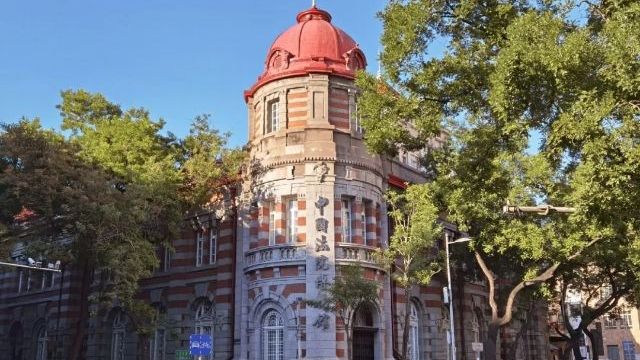
The longest alley. Along the alley are the old sites of embassies. The atmosphere of the Republic of China and modern times are intertwined.
Zhuanta Hutong: The Oldest Hutong in Beijing
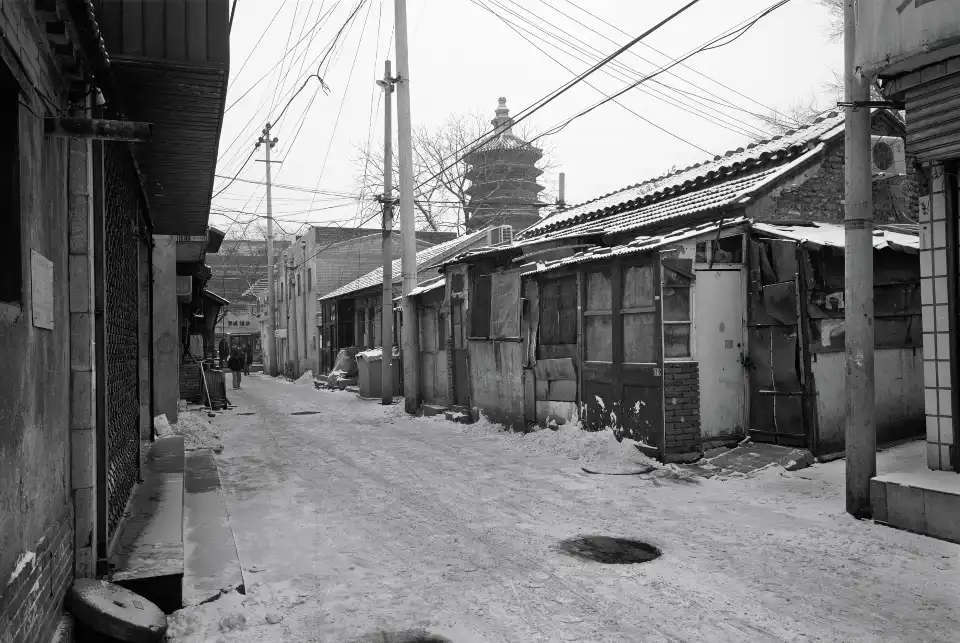
Zhuanta Hutong in Xicheng is the oldest recorded hutong in the city, with more than 700 years of written history going back to Yuan Dynasty texts. It takes its name from the octagonal brick pagoda of Master Wansong, which still stands at the eastern end. The area has long been associated with opera, theatre and writers, and Lu Xun lived nearby.
- Getting there: metro Line 4 to Xisi, exit D.
- What to see: the Wansong Pagoda, the surrounding local lanes, and the bookshops that have served this neighbourhood for generations.
- Best for: travellers who want a genuinely local hutong with almost no tourist infrastructure.
Liulichang Cultural Street: Calligraphy, Inkstones and Antiques
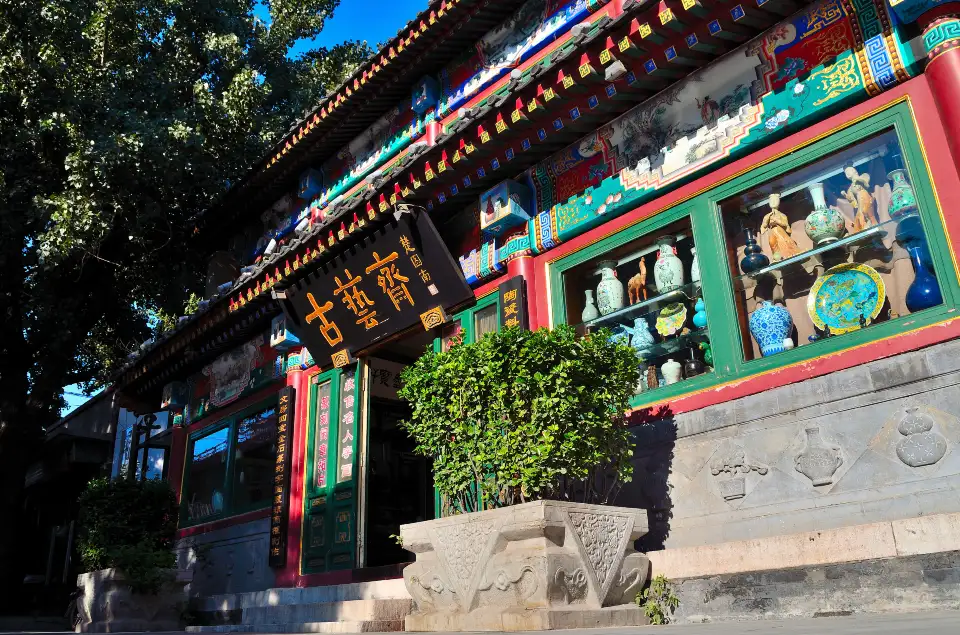
Liulichang, near Hepingmen in Xicheng, was originally a kiln site producing glazed tiles for imperial buildings. In the Qing Dynasty it became the street where scholars, painters and calligraphers bought their supplies, and it still is. The street is divided into an east and a west section, lined with Qing-style shopfronts selling inkstones, brushes, seals, rare books and antiques.
- Getting there: metro Line 2 to Hepingmen, exit D.
- What to buy: calligraphy brushes and ink, name chops carved to order, reproductions of classical paintings and old books.
- Best for: souvenirs with actual craft behind them, and anyone interested in Chinese painting or writing.
Yangmeizhu Xiejie and Bada Hutong: The South City's Older Lanes
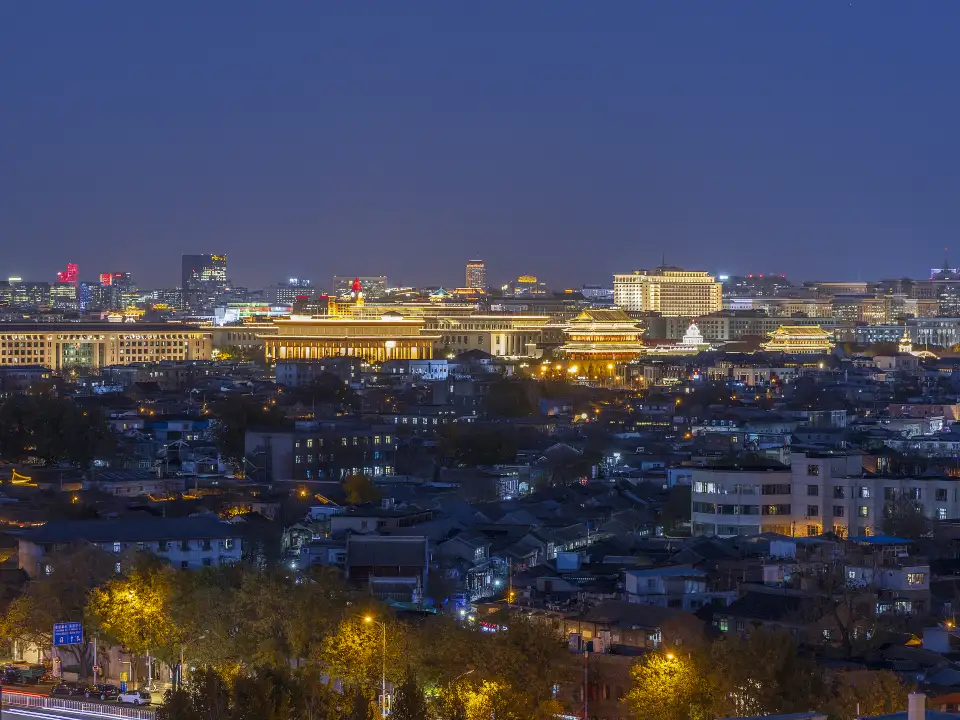
South of Dashilan, Yangmeizhu Xiejie was a publishing street in the Republican era and is now a slow, low-key lane of independent bookshops, craft studios and coffee shops, with the grey brick and old shopfronts intact. A few streets away, the Bada Hutong are a cluster of eight lanes that formed the city's entertainment and opera district in the late Qing and Republican periods, with two-storey wooden balconies and dense courtyard housing.
- Getting there: metro Line 2 to Qianmen for both, or Line 7 to Zhushikou for the Bada Hutong.
- What to do: browse the bookshops and craft stores on Yangmeizhu Xiejie, then walk west toward Liulichang.
- Best for: a half day in the south city away from the main tourist streets, best done with a local guide if you want the opera history explained.
Guijie (Ghost Street): The Hutong That Never Closes
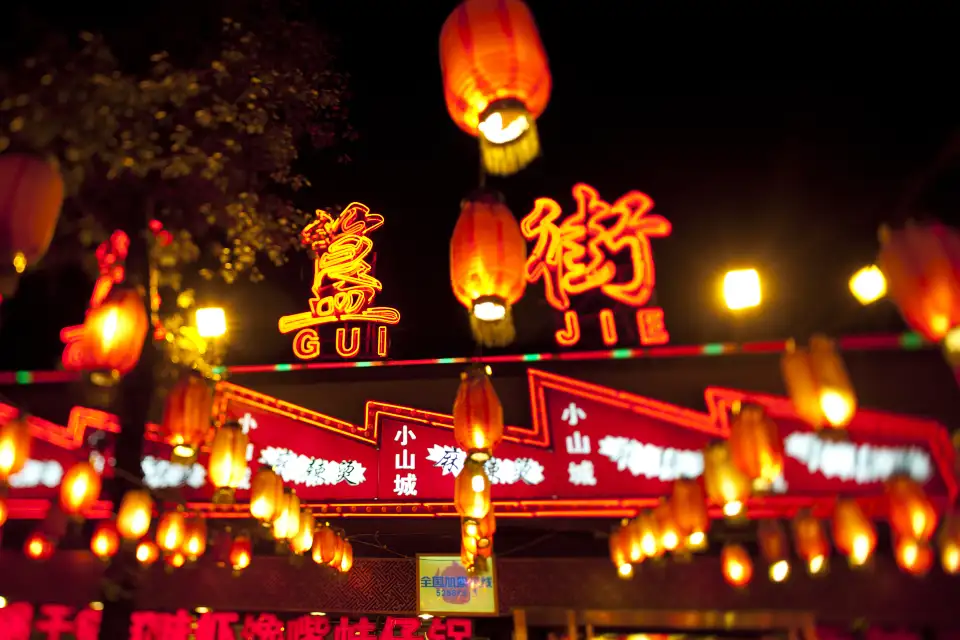
Guijie runs along Dongzhimen Inner Street and is the city's best-known food street, more than 1.5 kilometres long with over 150 restaurants and red lanterns strung the whole way. It is open around the clock, which makes it the reliable option after a late arrival or a long day of walking.
- Getting there: metro Line 5 to Beixinqiao, exit B or C, or Line 2, Line 13 or the Airport Express to Dongzhimen.
- What to eat: spicy crayfish, Beijing-style mutton hotpot and grilled fish, with the busiest kitchens running past midnight.
- Best for: a late dinner, and seeing how Beijing eats after dark.
What to Eat Near Beijing's Hutongs
Hutong food is northern Chinese food: wheat instead of rice, strong flavours, and a lot of small snack stalls. The best eating is usually one street off the main tourist lane, where prices drop and the menus are in Chinese only.
Dish | What it is | Where to try it |
|---|---|---|
Zhajiangmian | Thick wheat noodles with fermented soybean sauce and shredded vegetables | Neighbourhood noodle shops around Nanluoguxiang and Guozijian |
Beijing jianbing | Savoury crepe with egg, sauce and crispy cracker, folded to eat on the move | Street stalls in Yandai Xiejie and the side lanes |
Douzhi and jiaoquan | Fermented mung bean drink with fried dough rings; an acquired taste | The old snack street near Huguo Temple |
Luzhu huoshao | Wheat cake simmered in a pork and offal broth | Old snack shops in the south city |
Tanghulu | Candied hawthorn skewers | Nanluoguxiang and Yandai Xiejie stalls |
Beijing yoghurt and cheese sweets | Set yoghurt and milk-based sweets sold in small jars | Nanluoguxiang |
Peking duck | Roast duck carved at the table with pancakes and sauce | Restaurants near the Drum Tower and Qianmen |
Grilled lamb | Lamb skewers and grilled lamb with sesame flatbread | The old roast-meat houses near Shichahai |
Spicy crayfish and mutton hotpot | Late-night Beijing classics | Guijie, open 24 hours |
Tour & Tickets in Beijing
See all attractions
How to Get to and Around Beijing's Hutongs
Metro plus walking is the only sensible way. Hutong lanes are too narrow for cars, taxis generally cannot pull up to a courtyard door, and parking is close to impossible. Most of the main hutongs sit within a few minutes of a metro station.
Hutong | Metro station | Line |
|---|---|---|
Nanluoguxiang | Nanluoguxiang, exit E | Line 6, Line 8 |
Wudaoying and Guozijian Street | Yonghegong (Lama Temple), exit F or D | Line 2, Line 5 |
Yandai Xiejie and Shichahai | Shichahai, exit A | Line 8 |
Dongjiaominxiang | Chongwenmen or Qianmen | Line 2, Line 5 |
Zhuanta Hutong | Xisi, exit D | Line 4 |
Liulichang | Hepingmen, exit D | Line 2 |
Yangmeizhu Xiejie and Bada Hutong | Qianmen or Zhushikou | Line 2, Line 7 |
Guijie | Beixinqiao, exit B or C; or Dongzhimen | Line 5; Line 2, Line 13, Airport Express |
Getting Around Once You're There
- Walk. The best hutongs are the ones you find by turning off the main lane, and they are all connected on foot.
- Use shared bikes for the longer stretches between clusters, such as from Guozijian to Shichahai.
- Take a rickshaw for the Shichahai lanes if you want the traditional experience, and agree the price and duration before you start.
- Ask your driver to drop you at the nearest main road, then walk in. Pushing a suitcase down a stone lane is nobody's idea of a holiday.
- Watch for electric scooters and delivery bikes, which move silently and quickly through the lanes.
Car Rentals
Car Rental Promo Code - 8% Off
New User Enjoy up to 8% Off
TRIPCAR8


Best Time to Visit Beijing's Hutongs
Season | Conditions | Crowds | Rating |
|---|---|---|---|
Spring, April to May | Mild, trees in leaf, occasional dust and wind | Moderate | ⭐⭐⭐⭐⭐ |
Summer, June to August | Hot and humid, afternoon thunderstorms | Busy with domestic holidays | ⭐⭐⭐ |
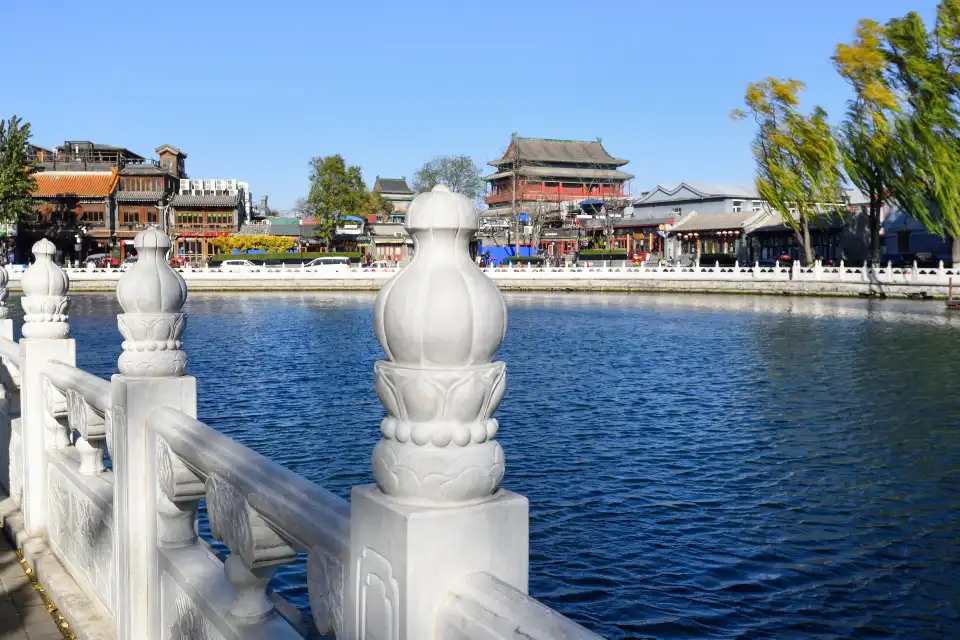
Autumn, September to October | Clear, cool, the best light of the year | Busy, and National Day week is packed | ⭐⭐⭐⭐⭐ |
Winter, November to February | Cold and dry, occasional snow on the grey roofs | Quietest | ⭐⭐⭐⭐ for atmosphere |
Best Time of Day
- Weekday mornings between 08:00 and 10:00, when residents are out and the tour groups have not arrived.
- Late afternoon from about 16:00, for the light on the grey brick and red walls.
- After 18:00 for Shichahai and Guijie, when the lakeside bars and food street come alive.
Beijing Hutong Etiquette and Practical Tips
- These are residential streets, not museums. Do not walk into courtyards or through open doors, and look for the private property signs on gates.
- Ask before photographing people, and avoid pointing a camera into someone's home.
- Keep your voice down in the quieter lanes, especially in the early morning and late evening.
- Step aside for bicycles, scooters and the elderly residents who use the lanes all day.
- Public toilets exist in the lanes but are basic. Use the facilities at metro stations or cafés when you can.
- Most stalls and cafés take Alipay and WeChat Pay; carry a little cash for the smallest vendors.
- Book courtyard hotels months ahead for spring, autumn and holiday periods, and pack light because you will carry your bag down the lane.
- Stay off the main commercial lane if you want authenticity; the parallel alleys are almost always better.
Where to Stay in Beijing for a Traditional Hutong Experience
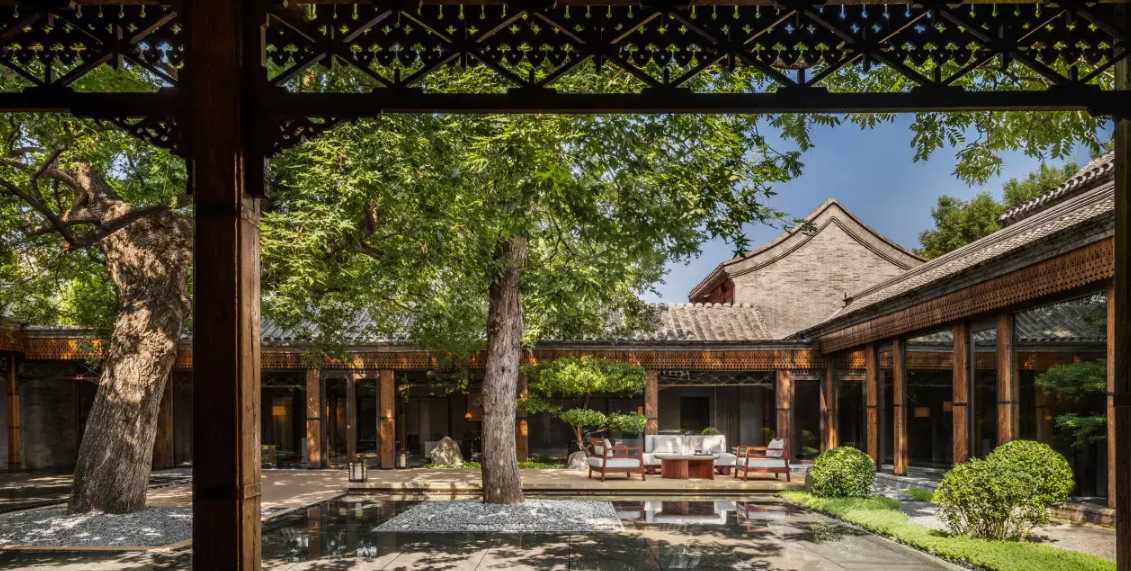
Staying in a courtyard hotel is the difference between visiting the hutongs and living in them for a few nights. Courtyard properties are small, usually between eight and twenty rooms, so they book out months ahead in spring, autumn and during Chinese holidays. Taxis cannot reach most doors, so expect a short walk with your luggage, and confirm that the room has proper heating if you are travelling between November and March.
Jingshan Garden Hotel
A classic siheyuan layout in Sanyanjing Hutong, immediately east of Jingshan Park and a short walk from the north gate of the Forbidden City. The courtyard has a garden, tea service and a quiet traditional feel, and the location is hard to beat for sightseeing: you can walk to Jingshan for the view over the palace roofs, then on to Beihai Park. Rooms range from courtyard doubles to family suites in the compound. It suits first-time visitors who want the traditional architecture and the convenience of being in the centre.
No. 68 Bing Courtyard, Sanyanjing Hutong, Jingshan East Street
From
€96
Mandarin Oriental Qianmen
The luxury end of the courtyard experience, built as a collection of independent siheyuan houses in the Caochang hutong conservation area near Qianmen. Each courtyard is self-contained, with private entrances and modern service standards layered over the traditional architecture. It is the option for travellers who want heritage and five-star comfort in the same stay, and prices reflect that. It also puts you within walking distance of Dashilan, Yangmeizhu Xiejie and the Temple of Heaven to the south.
Manxin Mansion Courtyard Hotels
A Chinese chain that operates several courtyard properties in the Qianmen and Gulou areas, including Manxin Mansion Beijing Qianmen Courtyard on Dajiang Hutong and a Houhai and Drum Tower branch off Jiugulou Dajie. The buildings keep the courtyard layout and grey-brick style, but the amenities are standardised: reliable Wi-Fi, consistent beds and bathrooms, and staff used to foreign guests. It is the middle path between a boutique courtyard hotel and a conventional business hotel, and noticeably cheaper than the properties above. Best for travellers who want the courtyard setting without paying boutique prices.
No. 120, Dajiang Hutong, Qianmen East Road
From
€117
Beijing Shichahai Shadow Art Performance Courtyard
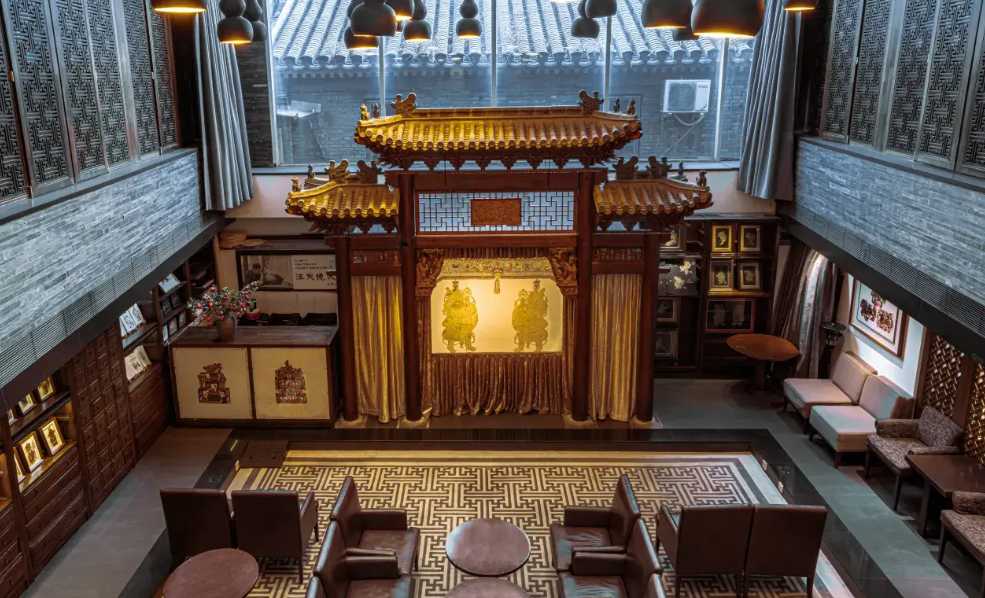
The lanes around Shichahai hold a handful of small courtyard hotels that keep the traditional compound layout and add a cultural element. This one, on Songshu Street about a five-minute walk from Houhai, is built around shadow puppetry: there are performances in the courtyard on set evenings, usually Tuesday, Thursday and Saturday, plus shadow-puppet painting sessions for guests. Rooms are simple and the courtyards are genuinely old, so expect thinner walls and smaller bathrooms than a modern hotel. It suits families and travellers who want the area's atmosphere, the evening entertainment included, and easy access to the lakes.
🔥[Discount] Beijing Hotel Deals
Claim new user coupon, and use it on Beijing hotels:
FAQs abut Hutong Beijing
-
What does hutong mean in China?
-
How many hutongs are left in Beijing?
-
Which is the most famous hutong in Beijing?
-
How do I get to the hutong area in Beijing?
-
Can you stay inside a hutong in Beijing?
-
What is the best time of year to visit hutong Beijing?
-
Are Beijing's hutongs safe for tourists?
Disclaimer: This article has been provided by an individual contributor or third party platform. If there is any discrepancy regarding the copyright, please contact us directly and we will delete the content immediately.
Trending Searches
-
Popular attractions
-
Getting around
-
Connectivity
-
Top-rated stays
-
Hot deals
- SHIBUYA SKY Ticket
- Shanghai Disneyland Tickets
- Universal Studios Hollywood Tickets
- Universal Studios Hollywood Early Entry
- Shanghai Tower Tickets
- Sphere Tickets
- Universal Studios Japan Tickets
- Beijing studio minisite
- Universal Studios Singapore
- Shanghai Disneyland Early Entry
- georgia aquarium tickets
- Great Wall of China
- Edge New York Tickets
- Chengdu Panda
- Hong Kong Disneyland
- Canada eSIM
- Best VPN in China
- eSIM South Korea
- eSIM Vietnam
- China SIM Card
- Haneda vs Narita Airport
- Best Solo Travel Destinations
- Sleeping in Miami Airport
- Chengdu Weather
- Mountain Creek Ski Resort
- Beijing studio minisite
- Universal Studios Hollywood Early Entry
- How to Book China Attraction Tickets
- Songkran Festival Thailand
- How to Get Shibuya Sky Sunset Tickets
- Yitel (Beijing TiananmenWangfujing Subway Station)
- Jingli Hotel (Beijing Heshenghui Dajiaoting Subway Station Branch)
- JianGuo Hidden Hotel (Beijing Tian An Men Wangfujing store)
- Le Joy Hotel
- Holiday Inn Express BEIJING DONGZHIMEN by IHG
- THE YARD HOTEL BEIJING, Tian'anmen Square
- Sunworld Dynasty Beijing Wangfujing Hotel (The Forbidden City)
- VOYAGE INTERNATIONAL HOTEL (Capital Airport New National Exhibition Store)
- Oriental Jasmine Hotel(Forbidden City Branch)
- Cordis, Beijing Capital Airport
- Sunworld Beijing Wangfujing Hotel (The Forbidden City)
- Livefortuna Hotel
- Park Plaza Beijing Wangfujing
- UrCove by HYATT Beijing Forbidden City
- BEI JING TONG RUN HOTEL
- Hotel New Otani Chang Fu Gong
- Hilton Beijing Capital Airport
- Manxin Hotel Beijing Tiananmen Wangfujing
- Beijing Zhong'an Hotel ( Near metro,Tian'anMen,Forbidden City. tourism service)
- ELONG R.YUN (Beijing Capital Airport Branch)
- Flights from Chengdu to Beijing
- Cheap flights from Seoul to Beijing
- Flights from Tokyo to Beijing
- Cheap flights from Bangkok to Beijing
- Return flights from Shanghai to Beijing
- Flights from Shenzhen to Beijing
- Flights from Los Angeles to Beijing
- Flights from San Francisco to Beijing
- Return flights from Zhangjiajie to Beijing
- Cheap flights from New York to Beijing
- Return flights from Ulaanbaatar to Beijing
- Return flights from Chongqing to Beijing
- Return flights from Guangzhou to Beijing
- Return flights from Xi'an to Beijing
- Return flights from Hong Kong to Beijing