
Best 10 Recommended Hotels in China
Enter your dates for the latest hotel rates and availability.
Find China Hotels in Popular Cities

Shanghai
7,739 hotels
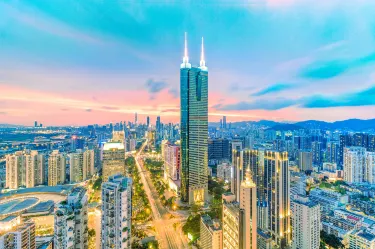
Shenzhen
5,763 hotels
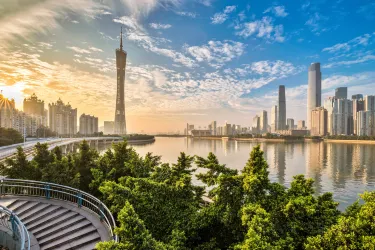
Guangzhou
6,155 hotels

Hong Kong
781 hotels

Beijing
4,960 hotels

Chengdu
3,749 hotels

Chongqing
6,483 hotels

Zhuhai
1,838 hotels

Hangzhou
3,490 hotels

Zhangjiajie
1,368 hotels
China Hotels in Popular Provinces

Guangdong
34,890 hotels

Shanghai
7,739 hotels
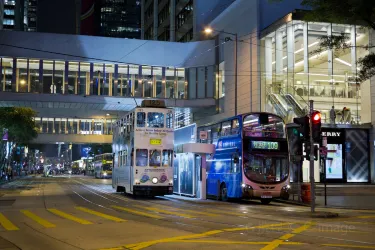
Hong Kong
781 hotels
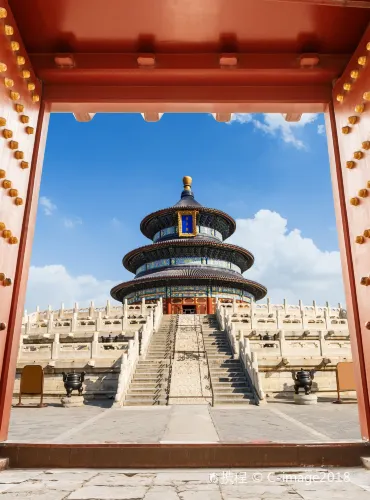
Beijing
4,960 hotels
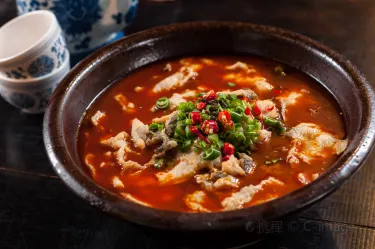
Sichuan
17,620 hotels

Zhejiang
21,126 hotels

Yunnan
25,293 hotels

Hunan
12,779 hotels
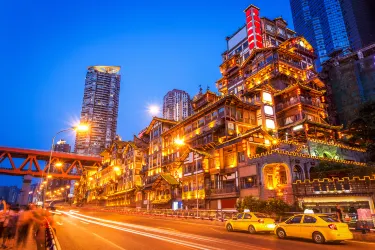
Chongqing
7,395 hotels

Shandong
10,697 hotels
China Hotels in Top Destinations
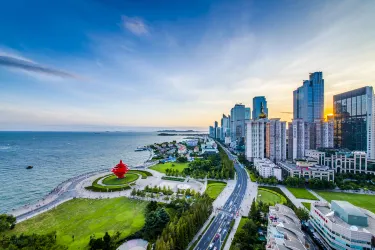
May Fourth Square
918 hotels
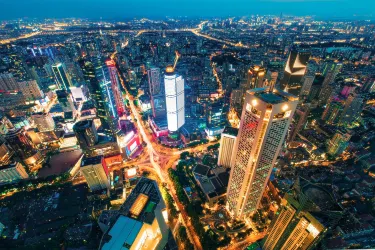
Xinjiekou
1,066 hotels
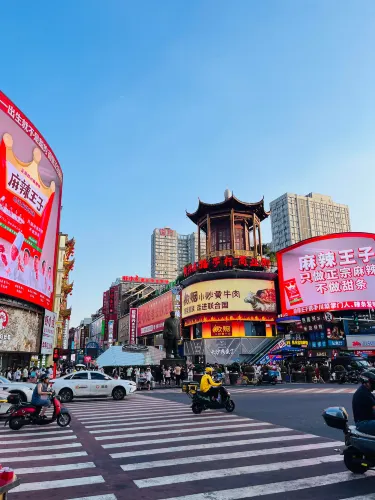
WuYi Plaza
1,530 hotels
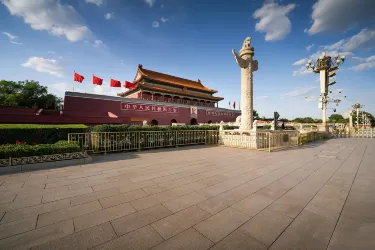
Tiananmen Square
1,823 hotels
Shibanyancun
93 hotels

Jiefangbei Pedestrian Street
2,000 hotels

Liuzhuang Night Market
107 hotels

Penshuichi
854 hotels
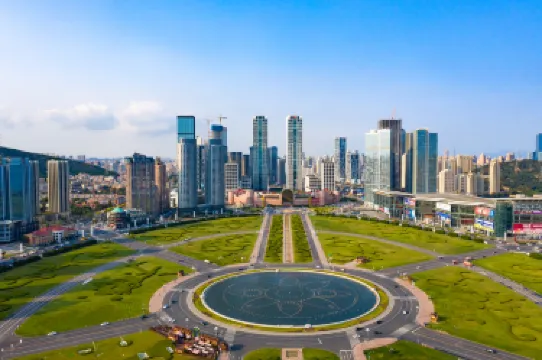
Xinghai Square
647 hotels

Universal Beijing Resort
179 hotels
Top Country Recommendations

Japan
30,665 hotels

Thailand
21,464 hotels

South Korea
21,555 hotels

Malaysia
10,738 hotels

Indonesia
25,641 hotels

Vietnam
14,270 hotels

United States
162,177 hotels

United Kingdom
25,528 hotels
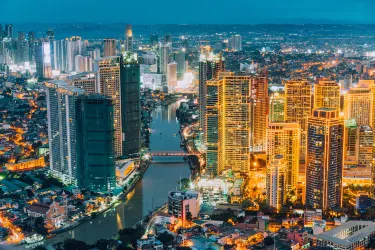
Philippines
7,017 hotels
Better to Know Before Booking Hotels in China
Traveling in China: Hotels and Planning Considerations
China is massive and varied—from ultra-modern megacities to ancient temples to rural mountains. Hotels range from cheap guesthouses to world-class luxury, and the infrastructure is generally solid in major cities. Planning effectively requires understanding the scale and knowing what different regions actually offer.
Hotel Pricing by City Tier
Hotels in China are reasonably priced, especially compared to North America and Europe. Tier-1 cities like Beijing and Shanghai run $60–150 per night for mid-range hotels; tier-2 cities are noticeably cheaper at $40–100. Smaller cities can go as low as $25–60. Prices spike during Chinese national holidays (especially lunar New Year in late January/early February and Golden Week in October), so avoid those periods unless you have specific reasons to be there. Spring (April–May) and fall (September–October) offer good weather and better rates.
Major Cities and Regions
- Beijing is the political capital and home to iconic attractions—the Great Wall, Forbidden City, Summer Palace. The city is massive and organized by districts. Hotels run $70–150 for mid-range options. You'll need the metro or taxis to get around; it's not walkable in most areas. Budget 3–4 days minimum.
- Shanghai is the economic hub—modern, fast-paced, and cosmopolitan. It's the most expensive mainland city, with mid-range hotels at $80–160. The metro is extensive and reliable. Good for 2–3 days if you like urban energy and finance-district landscapes.
- Xi'an is home to the Terracotta Army and ancient wall. It's significantly cheaper than Beijing or Shanghai ($40–80 for mid-range), less touristy, and worth 2–3 days. The city is more manageable in size.
- Chengdu offers panda sanctuaries and a relaxed vibe compared to the tier-1 cities. Hotels run $40–100. It's a good alternative if you want to avoid the Beijing-Shanghai circuit. The local food culture is notable.
- Guilin and Yangshuo showcase dramatic natural scenery—limestone mountains and rivers. These areas are cheaper ($40–80) and less crowded than major cities. Good for 2–3 days if you want landscape and outdoor activities.
- Hangzhou is a mid-tier city with West Lake as its centerpiece. Hotels run $50–120. It's less touristy than Beijing but has more to offer than Chengdu.
What to Actually Know Before Booking
Language can be a real issue outside major hotels and tourist areas. Download translation apps and know basic phrases. Many hotels in tier-1 cities have English-speaking staff, but this becomes unreliable in smaller cities.
The Great Wall near Beijing is heavily touristed but worth seeing. Book tickets in advance or go early. The sections closer to Beijing are crowded; more remote sections require more planning.
You'll need a VPN if you want normal internet access (Google, Facebook, etc. are blocked). Many hotels have this set up for guests, but confirm before booking. WeChat is essential for payments and getting around in many situations.
The metro is excellent in major cities and the primary way to get around. Taxis are also cheap if you can communicate your destination. Avoid rush hour if possible.
Booking strategy matters. Major travel sites like Trip.com have extensive China listings, which is useful since finding reliable independent information is harder. Stick with established platforms.
Quality varies more than in developed countries. Reading recent guest reviews is essential, especially for budget and mid-range options. Chain hotels are more consistent but less characterful. Independent hotels can be wonderful or problematic.
Practical Logistics
Visa requirements depend on your nationality—check before booking. Many countries get 15–30 day tourist visas, but policies vary.
Timing matters for weather. Northern China (Beijing) is cold and dry in winter, hot in summer. Spring and fall are ideal. Southern areas are humid and warm most of the year but can be miserable during summer.
Train travel between cities is efficient and reasonably priced—often a better option than flying for nearby destinations. Flights are cheap but involve airport hassles.
Why Book on Trip.com
You get real choice across price points and quality levels. Guest reviews are particularly valuable in China since consistency is less guaranteed than in developed countries. The platform has established relationships with reliable properties, which matters when you can't physically inspect rooms beforehand.
China requires more planning than some destinations but offers incredible value and diverse experiences—from ancient history to ultra-modern cities to natural beauty. Spend time in one or two tier-1 cities, then consider a secondary destination depending on your interests. The infrastructure makes moving around straightforward once you understand the basics.
Frequently Asked Questions
Which hotels in China are the most popular?
How much is the average rate for hotels in China?
Which are the recommended luxury hotels in China?
Which hotels in China are suitable for couples to stay in?
Which hotels in China are recommended for travelers with children?
Which hotels in China provide free Wi-Fi?
Which hotels in China have spas that are worth experiencing?
Which hotels in China provide airport transfer services?
What hotel promotions are there in China?
Which hotels in China provide high-quality breakfasts?
Which hotels in China provide fitness facilities?
Which hotels in China allow pets?
Which hotels in China have swimming pools?
Property Information for Tourists
| Highest price | INR 32,396 |
|---|---|
| Lowest price | INR 639 |
| Number of reviews | 142,782,931 |
| Total properties | 594,062 |
| Weekday Avg. Price | INR 4,425 |
| Weekend Avg. Price | INR 4,627 |