South Korea Entry Guide: Arrival Card, K-ETA & Visa for US Travelers


Landing in South Korea should feel exciting, not confusing. But unfamiliar arrival forms, changing K-ETA rules, customs restrictions, and long immigration queues can turn your first airport stop into a paperwork puzzle, especially when you’re tired after a long flight.
Use this Korea Arrival Card guide to make your arrival easier. This will walk you through the Korea Arrival Card, what to expect at the airport, and how to avoid common hiccups, so you can arrive feeling prepared and get straight to enjoying South Korea.
Book cheapest flights to South Korea
From New York
From San Francisco
From Seattle
From Los Angeles
See all flights


Understanding the Korea Arrival Card
The Korea Arrival Card, known in Korean as Ipguk Sin-goseo, is an immigration declaration that collects essential information about eligible foreign travelers entering South Korea, including their passport details, purpose of visit, and intended place of stay.
Key things to know:
- Difference: The arrival card is separate from the Korea Electronic Travel Authorization (K-ETA).
- The arrival card records information about a planned visit, while K-ETA is a travel authorization for eligible visa-free travelers.
- Common exemptions: These include eligible K-ETA holders, registered foreign residents with qualifying Korean residence documents, and certain group travelers and airline crew members.
- Eligibility depends on the traveler's circumstances.

Image Credits: Welcome Pickups

SEA LIFE COEX, Seoul Aquarium
4.6/5
426 Reviews
 I really liked it. They don't take cash for tickets. It was hard to find the entrance, but maybe that's just me.
$17
Who Needs to Complete the Korea Arrival Card?
Most foreign nationals entering South Korea must submit an arrival declaration.
The table below covers common situations, but travelers should confirm their individual requirements using the official e-Arrival Card Navigator:
Traveler Category / Situation | Arrival Card required? | Useful Tips |
|---|---|---|
Travelers from countries temporarily exempt from K-ETA | Yes | Being exempt from obtaining a K-ETA does not automatically exempt a traveler from the arrival card. |
Travelers holding a valid, approved K-ETA | No | Eligible K-ETA holders are generally exempt from submitting an arrival card. |
Foreign residents with a valid Korean Residence Card | Generally, no. | Eligible registered residents are exempt from submitting the arrival card. |
Eligible group-visa holders | No | The exemption applies to specific qualifying group-visa categories, not every group traveler. |
Foreign airline crew members | No | The exemption applies to eligible crew members arriving on aircraft entering South Korea. |
Travelers entering South Korea on a visa | Yes | A visa does not automatically exempt a traveler from the arrival-card requirement. |
International transit passengers staying airside | No | Passengers who remain in the international transit area without clearing immigration do not need an arrival card. |
Passengers making a self-transfer | Depends on the itinerary. | Collecting checked baggage, staying at a landside hotel, or passing through immigration may require entry formalities. |
International passengers connecting to a domestic South Korean flight | Yes | Clearing immigration to continue on a domestic flight means entering South Korea, so it is a must! |

Image Credits: The Wandering Woods
Get e-SIM with cheap data plans
See all attractions
 18273 booked






How to Fill Out the Korea Arrival Card?

Image Credits: Airport Spotting
Completing the e-Arrival Card is easier when you have your passport and travel details ready. Enter the requested information accurately, then review it carefully before submitting.
Information to Prepare:
- A valid passport and an email address you can access.
- Your arrival date and inbound flight or vessel number.
- Your accommodation address and contact number in South Korea.
- Your purpose of visit,occupation, and expected departure details.
Form Field | What to enter? | Helpful Tips |
|---|---|---|
Full name | Surname & given names as printed in the passport. | Follow the passport spelling & order shown on the form. |
Gender | Select the applicable option. | Make sure the selection matches the travel document details where applicable. |
Date of birth | Enter the date in the format requested. | Double check the day, month, year before submitting. |
Nationality | Select the nationality shown on the passport. | For U.S. passport holders, select United States or the equivalent option provided. |
Passport Number | Enter the passport number exactly as printed. | Check letters & numbers carefully, especially O & 0 (zero). |
Occupation | Enter or select the occupation requested. | Choose the closest accurate option available. |
Purpose of visit | Select tourism, visiting friends or family, business, official, conference, or another applicable reason. | Choose the option that best reflects the main purpose of the trip. |
Arrival Flight / Vessel Number | Enter the flight number or vessel details for the journey into South Korea. | Use the inbound flight, not a connecting flight departing Korea. |
Address in South Korea | Provide the accommodation address, including the street & district where possible. | Use the full hotel or host address rather than entering only Seoul. Save it offline for easy access. |
Contact Number | Enter a reachable contact number as requested. | A hotel or host's Korean number may be useful. Follow the form's instructions if using an overseas number. |
Signature | Sign the paper form if required. | Follow the digital form's instructions for electronic submission. |
Departure Details | Your expected departure date & your outbound flight or vessel number. | Follow the fields shown on the official form. |
Before You Submit:
- Review before submitting the information against your passport and travel bookings, especially your name, passport number, arrival date, and accommodation details.
- The official e-Arrival Card website allows you to check and correct certain information before immigration inspection.
- Save the submission confirmation or issue number for reference.
When Should You Submit the Korea Arrival Card?
- You can submit the Korea e-Arrival Card within three days before your arrival in South Korea, based on Korean Standard Time.
- Submit through the official website: Official Korea Electronic Arrival Card Website.
- Use only the official portal: The e-Arrival Card is free. Avoid third-party websites that charge a submission fee.
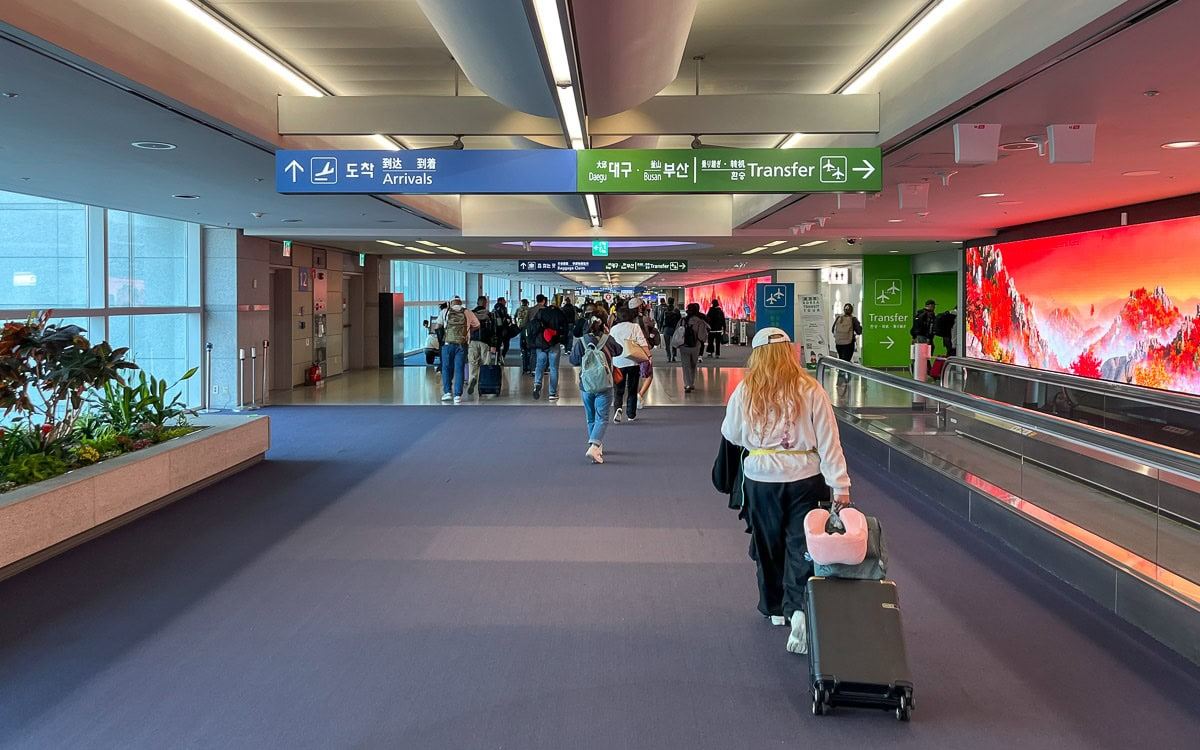
Image Credits: The Seoul Guide
Top Day Trips in Seoul
See all attractions








How the Korea Arrival Card Works?
After submission, your e-Arrival Card remains valid for 72 hours or until you complete immigration inspection, whichever comes first. If your arrival is delayed beyond this period, check whether you need to submit a new declaration.
Check these details before traveling:
- Validity: The submitted card expires after 72 hours or when you complete immigration inspection, whichever comes first.
- Correcting mistakes: You can review or edit eligible details through the official portal before immigration inspection.
- Some fields may have restrictions on when or how they can be changed.
- Changes to your itinerary: If your arrival date or travel plans change, check the portal's instructions to determine whether your existing submission remains valid.
- Paper Alternative: A paper arrival card may be available under applicable procedures.
- Follow the instructions of your airline or Korean immigration officials if you need one.
- Automated Immigration Gates: Submitting an e-Arrival Card does not automatically qualify you to use automated gates.
- These services have separate eligibility requirements.

Image Credits: The Drink Business
Arriving at Incheon International Airport (ICN)
After landing at Incheon International Airport, follow the airport signs to complete immigration formalities, collect your checked baggage, and clear customs.
- Incheon has two passenger terminals and a Concourse.
- Passengers arriving at the Concourse take a shuttle train to the terminal for arrival processing.
- Confirm the terminal using your flight information because codeshare arrangements can affect it.
Use this step by step guide to navigate the airport from the aircraft to the public arrivals hall:
Steps | What should you do? | Important Details |
|---|---|---|
Step 1: Follow arrival signs | Follow the signs for Immigration / Arrivals after leaving the aircraft. | If you arrive at the Concourse, follow the signs for the underground Airport People Mover to reach the main terminal processing area. |
Step 2: Complete health checks | Follow instructions for any applicable health screening or quarantine procedures. | Present health documents or a Q-Code if required for your circumstances. |
Step 3: Clear immigration | Join the queue for foreign passports & follow the immigration officer's instructions. | Be prepared to answer questions about your travel purpose or intended length of stay. First-time foreign visitors can't use automated gates because they submitted an Arrival Card. |
Step 4: Collect your baggage | Check the flight information screens for your assigned baggage carousel. | If your luggage is missing or damaged, contact your airline's baggage service desk before leaving the airport. |
Step 5: Proceed through customs | Follow the appropriate customs channel after collecting your bags. | Declare goods when required & follow instructions for restricted items. |
Step 6: Enter the 'Arrivals Hall' | Follow the exit signs after completing the required checks. | You can access airport trains, buses, taxis, currency exchange counters, SIM or e-SIM services. |
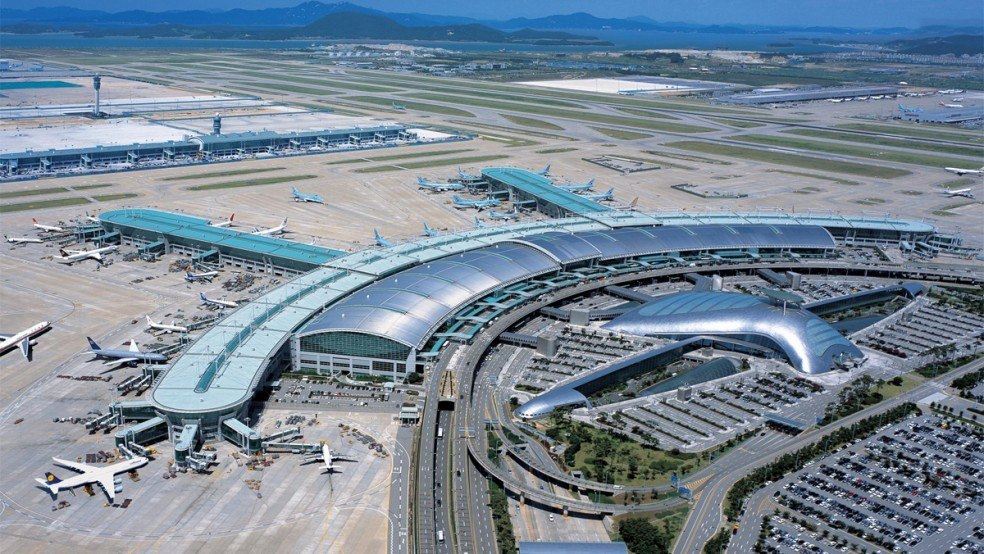
Image Credits: Sky Trax
South Korea Customs Rules & Restricted Items
After collecting your baggage, you’ll pass through customs before entering the public arrivals hall.
- Keep supporting documents handy: Carry receipts for valuable purchases, prescriptions for your medicines, and any permits or approvals required for restricted items.
- Declare goods when required: Personal use does not automatically exempt an item from customs rules.
- If you exceed an allowance or are unsure whether something must be declared, ask customs officials rather than assuming it is permitted.
- Check food and medication restrictions before packing: Requirements vary by product and ingredient.
- Consult the Korea Customs Service for goods and allowances, and the MFDS for medicines containing controlled substances.
Item Category | General Duty-free Allowance | What travelers should know? |
|---|---|---|
General Goods | Up to US$800 in total taxable value. | Conditions & exclusions apply. Commercial goods & restricted items may be subject to different rules. |
Alcohol | Up to 2 litres, valued at US$400 or less. | Travelers under 19 are not eligible for the alcohol duty-free allowance. |
Cigarettes | Up to 200 cigarettes. | Other tobacco products & e-cigarettes have separate limits. |
Perfume | Up to 100 mL | Check the current allowance & applicable conditions before travelling. |
Cash & Monetary Instruments | Up to US$10,000 without declaration under the standard rule. | Amounts exceeding this threshold must be declared to customs. The rule covers applicable means of payment, not just cash notes. |
Meat & Fresh produce | No single general allowance. | Products may be prohibited, restricted, or subject to quarantine inspection, including some processed foods. |
Prescription Medicines | Depends on the medicine and its ingredients. | Medicines containing controlled narcotic or psychotropic substances may require advance approval from South Korea’s Ministry of Food & Drug Safety (MFDS). |
Cannabis & CBD Products | Do not assume these are permitted. | US prescriptions or state medical cannabis cards do not automatically authorize their import into South Korea. |
Counterfeit Goods | No general duty-free allowance. | Counterfeit or pirated goods may be detained or seized under South Korean law. Avoid bringing counterfeit branded products into the country. |

Image Credits: Populous

Gyeongbokgung Palace
4.6/5
5784 Reviews
 I recommend it to everyone.
$5
Visa & K-ETA Requirements for U.S. Citizens
U.S. citizens can visit South Korea without a visa for up to 90 days for tourism or eligible business activities.
- Remember: A K-ETA exemption does not automatically exempt you from the Korea Arrival Card requirement.
Entry Requirements | Rule for U.S. travelers | What travelers should know? |
|---|---|---|
Visa free entry | Up to 90 days | Applies to tourism, family visits, business meetings, conferences that do not involve paid work. Employment, teaching English, other activities requiring a visa need the appropriate authorization. |
Temporary K-ETA exemption | Applies through its officially announced end date. | Eligible U.S. passport holders can travel without a K-ETA while the exemption remains in effect, provided they meet the other entry requirements. |
Travel after the exemption | Confirm the current requirement before departure. | Do not assume the exemption will be extended. Check whether a K-ETA is required for your travel dates. |
Optional K-ETA application | Eligible travelers may apply voluntarily while exempt. | An approved K-ETA can exempt eligible travelers from submitting a separate arrival card. An application fee applies. |
Employment or longer stays | An appropriate visa is required. | Travelers planning to work, teach English, or stay longer than the visa-free period should confirm the correct visa category before travelling. |

Image Credits: Newser
South Korea Pre-Travel Checklist
A little preparation before departure can make your arrival and first few days in South Korea much easier:
- Check Your Passport: Ensure your U.S. passport is valid when you enter South Korea. South Korea does not specify a minimum remaining-validity period for this entry category, but check your airline and any transit-country requirements.
- Save Your Bookings: Keep your accommodation confirmation, return or onward ticket, and itinerary accessible offline in case you need to refer to them.
- Prepare Your Payment Options: Carry a payment card and some Korean won for small purchases or places that do not accept cards.
- Check Your Medication: Confirm that your medicines are permitted in South Korea. Certain controlled medicines require advance approval from the Ministry of Food and Drug Safety (MFDS).
- Arrange Mobile Data: Decide whether to use international roaming, an eSIM, or a local SIM to access maps, bookings, and transport information.
- Consider Travel Insurance: Look for coverage that suits your trip, including medical emergencies, cancellations, and travel interruptions.
- Keep Document Copies: Store secure digital copies of your passport, bookings, and insurance details. Consider leaving your itinerary with someone you trust.
- Review Travel Advisories: Check the latest U.S. Department of State guidance before departure.

Image Credits: Morning Brew

Nami Island
4.7/5
890 Reviews
 Very easy. Just book, show QR code then board the ferry. Is seamless
$13
Best Time to Visit South Korea
Summer brings heat, humidity, and periods of heavy rain, while winter offers cold weather activities and snow in some regions. Best season depends on your travel choice and budgets.
Season | Weather & Highlights | Travel Tips |
|---|---|---|
Spring (March to May) | Late March & April are popular for blossom viewing, but peak dates vary by region & year. | Check regional blossom forecasts before booking if cherry blossoms are a priority. |
Summer (June to August) | Hot, humid weather, with the main rainy season. | Check local forecasts before outdoor excursions. |
Fall (September to November) | Visit temples, hike scenic trails. Foliage timing varies across the country. | Check local foliage Updates. |
Winter (December to February) | Ski resorts & snow activities. | Pack warm layers & check snow conditions before planning winter sports. |
Seasonal events & holidays | Cherry blossoms, autumn foliage, and major holidays can draw large crowds. | Check event schedules & book flights. |
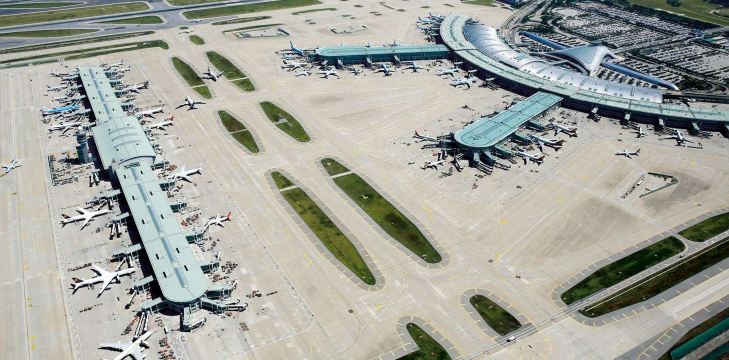
Image Credits: LAPP Group
℃|℉
Today
25 Oct, 2026
14
°

Clear
14 ~ 25℃
25 Oct, 2026
Clear
14℃ / 25℃
26 Oct, 2026
Clear
10℃ / 22℃
27 Oct, 2026
Clear
2℃ / 17℃
28 Oct, 2026
Mostly clear
4℃ / 13℃
29 Oct, 2026

Mostly cloudy
10℃ / 14℃
30 Oct, 2026

Showers
6℃ / 20℃
Seoul weather - best times to visit Seoul
25 Oct, 2026 SeoulWeather:Clear.Northeasterly wind:0–10 km/hour.Humidity:62%.Sunrise/sunset:06:49/17:43
SeoulDriving:Suitable.Running:Good
Seoul has a humid continental climate which means four distinct seasons. The months in Spring (March to May) and Fall (September to November) are great times to explore Seoul due to the mild weather during these periods. In addition, March to May is when the Cherry Blossoms are in full bloom. If you don’t mind the cold, Seoul can be a winter wonderland as many visitors come just to experience the snow. Summer (June to August) is hot, humid, and full of tourists. Also, the months of May to September see a lot of rain (rainy season), with July being the wettest month.Seoul is a year-round destination as each of its seasons caters to visitors’ different needs. Spring is considered the Should Season even though it is the most beautiful period with pleasant weather. While the crowds aren't as thick as the summer season, Seoul's many springtime visitors can limit your lodging options. Winter months are chilly with January being the coldest as temperatures often dropping below -10 °C (14 °F). Even with tourists coming to enjoy the skiing facilities and the snow, hotels prices and airfare do drop dramatically. But remember to avoid the Lunar New Year period, as you’ll encounter extreme crowds and price hikes.
Show more
Planning the Rest of Your South Korea Trip
South Korea is easy to explore beyond Seoul, and a little route planning can help you spend less time transferring between destinations and more time enjoying them. Leave some flexibility for ferry trips and outdoor activities affected by weather.
Destination or route | What makes it worth visiting? | Transport & Planning Tips |
|---|---|---|
Incheon Airport to Seoul | A convenient starting point for exploring South Korea's capital. | The AREX Express Train runs nonstop to Seoul Station, while the All-Stop Train serves additional stations. |
Seoul | Royal palaces, shopping districts, street food, modern city life. | Seoul Station connects to the KTX network, including trains to Busan. |
Busan | Coastal neighborhoods, beaches, seafood markets, & cultural attractions. | Travel from Seoul by KTX or consider flying into Gimhae International Airport. Allow time to reach your hotel from the station or airport. |
Jeju Island | Volcanic landscapes, coastal scenery, waterfalls, & outdoor adventures. | Flying from the mainland is usually the quickest option. Buses serve major destinations, but a rental car may offer more flexibility for remote areas. |
Gyeongju | Historic sites & cultural heritage associated with the ancient Silla Kingdom. | Consider combining Gyeongju with Busan or another southeastern destination. Check onward transport when choosing where to stay. |
Nearby islands around Jeju | Smaller island communities & scenic coastal experiences. | Udo is reached by ferry from Seongsan Port. Services may change or be canceled in poor weather. |

Image Credits: Kayak
Select Top Hotels in South Korea
Incheon
Seoul
Busan
Daegu
Suwon
See All Hotels




















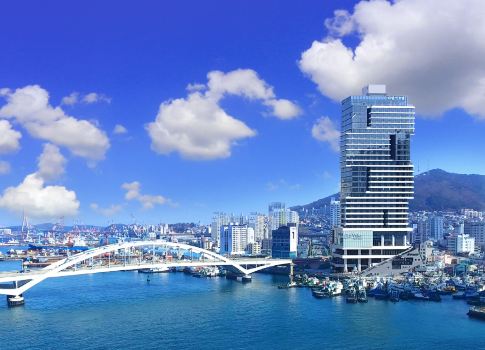
















Image Credits: Architectuul
South Korea is where ancient palaces meet neon-lit streets, K-drama dreams come alive, and convenience stores can become midnight food adventures. From sizzling Korean barbecue to cherry blossoms and coastal escapes, there’s always something unexpected around the corner.
Before you say annyeong to Korea, make sure your arrival card and travel documents are ready. Then pack your curiosity, bring your appetite, and get ready to discover a country where tradition and modern life share the spotlight!
FAQs about Korea Arrival Card
-
Do we really need an Arrival Card to enter South Korea?
-
How do I print my Korea e-Arrival Card?
-
Do U.S. citizens need an e-Arrival Card?
-
How do I get a South Korea e-Arrival Card?
-
How do I fill out the Korea e-Arrival Card?
-
When should I fill out a Korea Arrival Card?
-
How do I apply for an e-Arrival Card online from the U.S.?
-
Who needs to fill out a South Korea e-Arrival Card?
-
Is there an app for the Korea e-Arrival Card?
-
Does South Korea have a digital Arrival Card?
Disclaimer: This article has been provided by an individual contributor or third party platform. If there is any discrepancy regarding the copyright, please contact us directly and we will delete the content immediately.
Trending Searches
-
Air travel guide
-
Latest flight deals
-
Top Flight + Hotel Packages
-
Getting around
-
eSIM/SIM card
- Hotel Deals
- How to Get to the Canton Fair
- Chongqing Metro Map
- Takkyubin Luggage Forwarding
- Treehouse Hotel in China
- US Halloween Theme Park Events 2026
- Korea Arrival Card
- Canada Arrival Card
- Taiwan Arrival Card
- Halloween
- Shanghai Restaurant
- Google Maps Not Working in China
- Mexico Arrival Card
- Chongqing Railway Station
- Singapore Arrival Card
- Bangkok Airport Rail Link
- UK Arrival Card
- Chengdu Layover
- Alquila un coche con ASAP en el Aeropuerto Internacional de Phuket
- Exhibitions in Mar 2027
- Latin Events in West Coast DC
- Perth Reggae Events in Sep
- Softball Events in Beverly 2026
- Pro Wrestling Events in Palm Beach County
- Concerts in Poland 2027
- Conferences in Armenia 2026
- Walking Events in Staffordshire Moorlands District
- Dragon Boat Festival Events in Fort Myers Beach
- Jensen Beach Cheer Events in Sep
- Multnomah County Folk Events in Sep
- Takkyubin Luggage Forwarding
- Treehouse Hotel in China
- Taiwan Arrival Card
- Chengdu Layover
- Hotel Deals
- US Halloween Theme Park Events 2026
- Beijing Day Tours
- Shanghai Day Tours
- Chongqing Day Tours
- Pattaya Day Tours
- Shenzhen Activities
- Shanghai Activities
- Hong Kong Activities
- Chongqing Activities
- Beijing Activities