Thailand Plug Type: How to Get Safely Charged in Thailand?

Thailand uses plug types A, B, C, F, and O, with 220V / 50Hz electricity. U.S. travelers should bring a universal travel adapter, since voltage is higher than in the U.S. Check devices for 100–240V compatibility; otherwise, pack a voltage converter. Many hotels provide USB outlets, but adapters are still recommended.
Discover practical tips for charging your devices and learn how to keep them charged in Thailand with this guide. Read on!
What Type of Plug Is Used in Thailand?
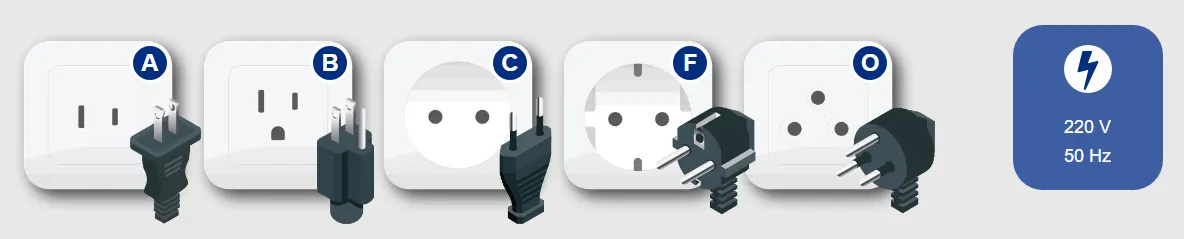
Source: Power plugs and sockets | 5 types of plug in Thailand
Thailand uses five plug types: Type A, Type B, Type C, Type F, and Type O.
Type A Plug
You’ll probably recognize the Type A plug—it’s the one with two flat pins that you use every day for things like phone chargers.
While it’s common in the U.S. and often fits in Thailand, keep in mind that Thailand uses 220V power. U.S. travelers should bring a plug adapter.
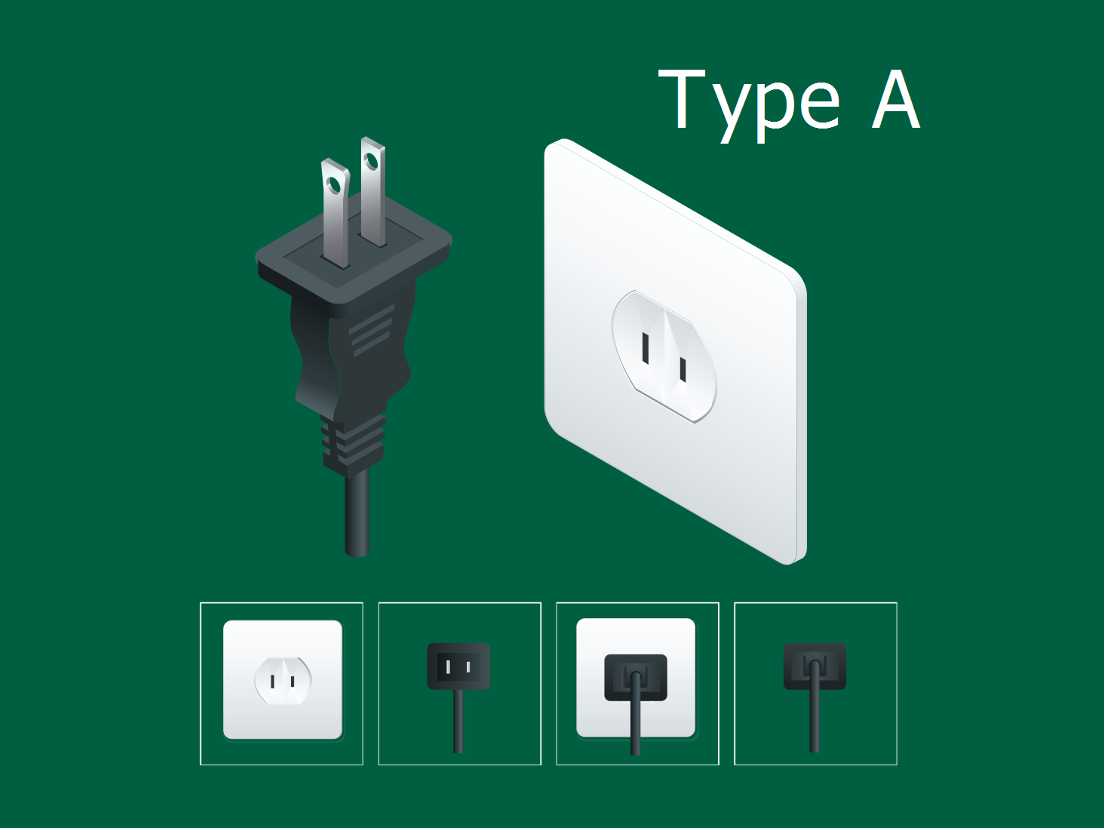
Double-check device voltage so everything stays charged and stress-free.
Type B Plug
The Type B plug is the one you’re used to at home—two flat pins plus a round grounding pin. You’ll see it everywhere in the U.S., but Thailand runs on higher voltage.
So if you’re traveling from the United States, toss a plug adapter in your bag and double-check your device voltage to avoid any surprises.
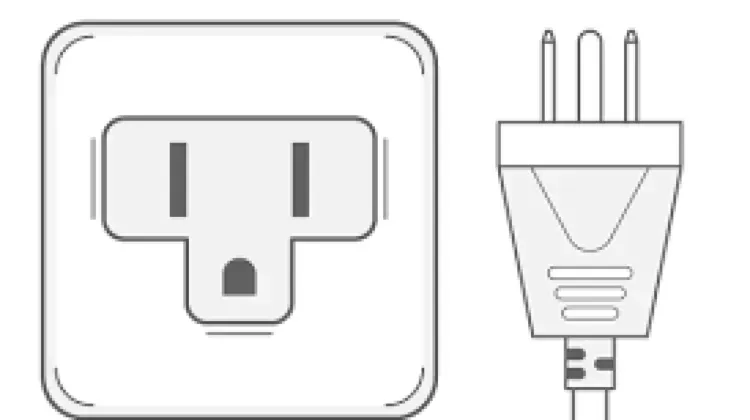
Type B is perfect for things like laptops and bigger electronics (Source: todoenchufes)
Type C Plug
The Type C plug has two round pins and is very common in Thailand.
For U.S. citizens, this plug will look different from the flat-pin style used at home, so bringing a plug adapter is a must. It’s an easy way to stay powered up and travel worry-free.
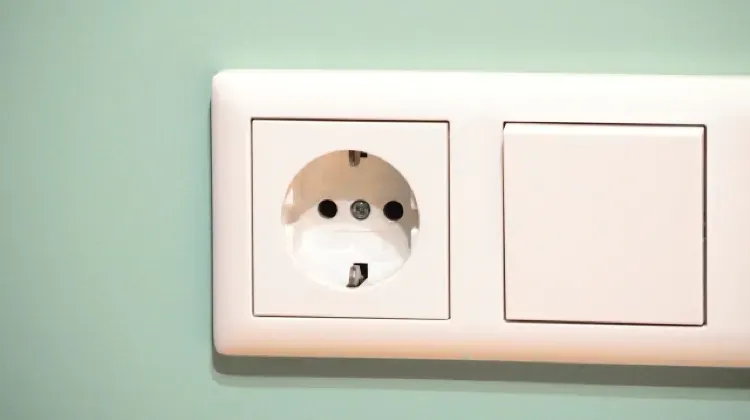
Type C is perfect for charging phones, cameras, and other small devices.
Type F Plug
The Type F plug looks a lot like the Type C, with two round pins plus grounding clips.
While it’s common in parts of Europe, Thailand also supports similar plugs but runs on 220V. For U.S. citizens, this plug will be unfamiliar, so bringing a plug adapter is essential to keep devices charged and ready to go.
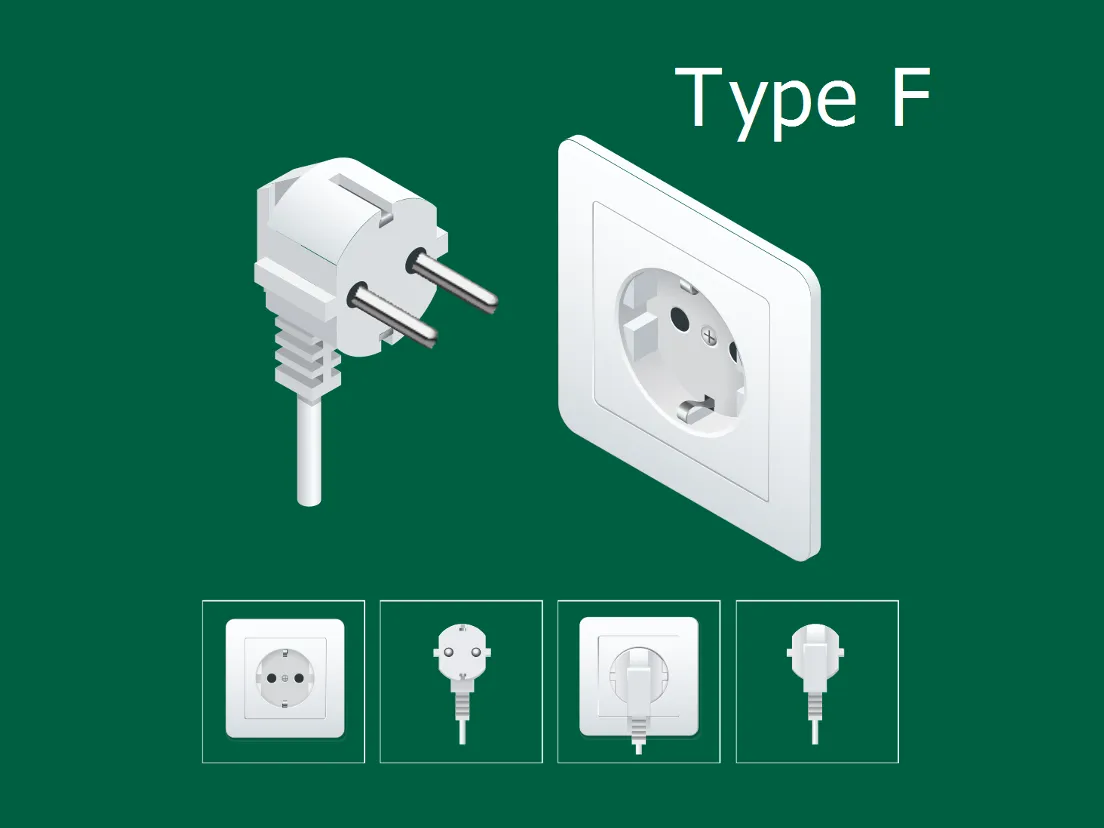
Type F is better for higher-powered devices. (Source: netio)
Type O Plug (Exclusive to Thailand!)
The Type O plug is unique to Thailand, with two round pins and a grounding pin.
You won’t see this one back in the U.S., so you should be sure to pack a Type O–compatible or universal adapter. It’s the easiest way to keep your devices powered up while traveling around Thailand.

Type O is mainly used for higher-powered appliances. (Source: todoenchufes)
Get Connected in Thailand!
See all attractions
 86593 booked


What Kind of Plug Adapter or Converter Will You Need in Thailand?

Travel Plug Adapters vs Voltage Converters
If you’re a U.S. traveler heading to Thailand, it’s important to know that the country uses 220V electricity with 50Hz frequency, compared to the 120V/60Hz system back home. Thai outlets accept Type A, B, C, F, and O plugs, which can be confusing since U.S. devices mostly use Type A and B.
For most small electronics like phones, cameras, and laptops, a simple plug adapter is usually enough. These adapters let your U.S. plug fit into Thai outlets, but they don’t convert voltage. Before plugging anything in, check your device’s voltage rating—many modern gadgets are dual voltage (100–240V), so they can safely handle Thailand’s higher voltage.
For devices that aren’t dual voltage, like some hair dryers, straighteners, or electric kettles, you’ll need a voltage converter. These devices step down Thailand’s 220V to the 110–120V your U.S. appliances are designed for.
A good tip is to pack a universal travel adapter with multiple USB ports. This way, you can charge phones, cameras, and laptops all at once without juggling multiple adapters. Planning ahead ensures your devices stay charged and ready for your Thai adventure—no fried gadgets, no stress!
to Bangkok
to Phuket
to Pattaya
See all flights


How to Keep Your Devices Charged in Thailand?
1. Power Banks
A power bank is a lifesaver when you’re out exploring Thailand—no outlet needed! These portable battery packs can charge your phone, tablet, or other small gadgets multiple times, so you’re never stuck offline.
- Where to get one: Electronics stores, convenience spots like 7-Eleven or FamilyMart, or online via Amazon or Lazada.
- Tip: Go for at least 10,000mAh so you can charge your phone several times while out and about.
2. Solar Chargers
If you’re planning outdoor adventures or heading off the grid, a solar charger is an awesome, eco-friendly way to keep your devices powered. They turn sunlight into electricity, so you can charge your gadgets even far from an outlet.
- Where to buy: Online on Amazon or at outdoor stores like REI.
- Tip: Perfect for long hikes, camping, or exploring rural areas of Thailand where outlets are rare.
3. Portable Power Stations
Want more juice than a standard power bank? Portable power stations are amazing—they often come with USB ports and AC sockets, so you can charge laptops, cameras, and more.
- Where to buy: Electronics stores like Power Buy in Thailand or online through Amazon.
- Tip: Great for road trips or remote stays with limited electricity.

Cheap Bangkok Electronics & IT Shopping in Pantip Plaza.
4. Car Chargers
If you’re renting a car or driving around Thailand, a car charger is a must-have. Most plug into the car’s cigarette lighter and have USB ports for all your devices.
- Where to get one: Electronics stores, gas stations, or convenience stores like 7-Eleven.
- Tip: Perfect for keeping your phone or GPS charged on long drives.
5. Public Charging Stations
Exploring cities like Bangkok or Chiang Mai? You’ll find charging stations everywhere—malls, airports, coffee shops, and transport hubs often have USB ports.
- Where to find them: Major airports, big malls like Siam Paragon, and other busy public spaces.
- Tip: Quick and convenient when you need a top-up between adventures.
Car Rentals
Car Rental Promo Code - 8% Off
New User Enjoy up to 8% Off
TRIPCAR8
How to Charge Your Devices Safely in Thailand? (Tips)
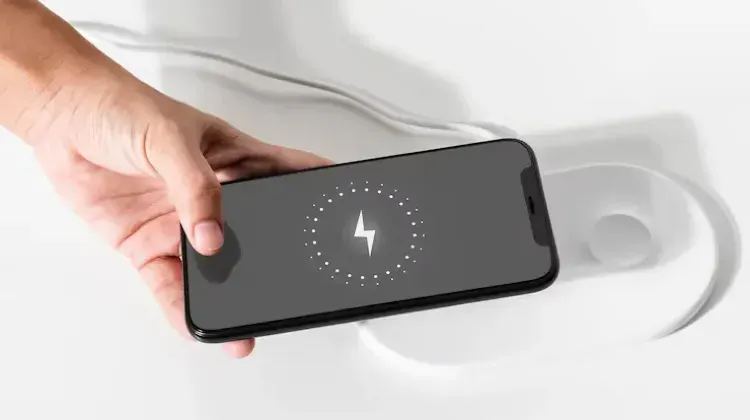
Learn about these tips for a safe & secure charging experience in Thailand
1. Check Your Voltage
Thailand runs on 220V, way higher than the 110V we’re used to in the U.S. Most phones, laptops, and cameras are fine since they’re dual voltage (100–240V)—just peek at your charger to make sure. If not, grab a voltage converter so you don’t fry anything.
2. Bring a Surge Protector
Sometimes the power can be a little wonky, especially in rural areas. A portable surge protector is a small thing that can save your laptop or camera from getting zapped. Totally worth it.
3. Don’t Overload Outlets
Hotels and guesthouses in Thailand sometimes have just a couple outlets. Don’t jam a bunch of gadgets into one spot. Bring a good power strip for phones and cameras, and you’ll be golden.
4. Stick to Real Chargers
Use your original or trusted-brand chargers. Cheap knockoffs can overheat or break your gear. Lost your charger? Grab one at Power Buy, Central, or online at Lazada.
5. Be Smart at Public Charging Stations
Public USB ports are convenient, but they can be risky. Use a USB data blocker or just your own cable and charger to keep things safe.
Hot Day Trips in Thailand
See all attractions

![Phuket Phi Phi Island + Maya Bay + Egg Island Day Trip [Includes Island Fee | Snorkeling]](https://ak-d.tripcdn.com/images//0586j12000n0tpgd0BF56_C_568_320.jpg)
![1-day tour to Mu Ko Ang Thong National Marine Park from Koh Samui [snorkeling/lunch/transfer/kayaking]](https://ak-d.tripcdn.com/images/0351412000qlnax6s3A36_C_568_320.jpg)




Powering Your Travels: A Global Electrical Standards Overview
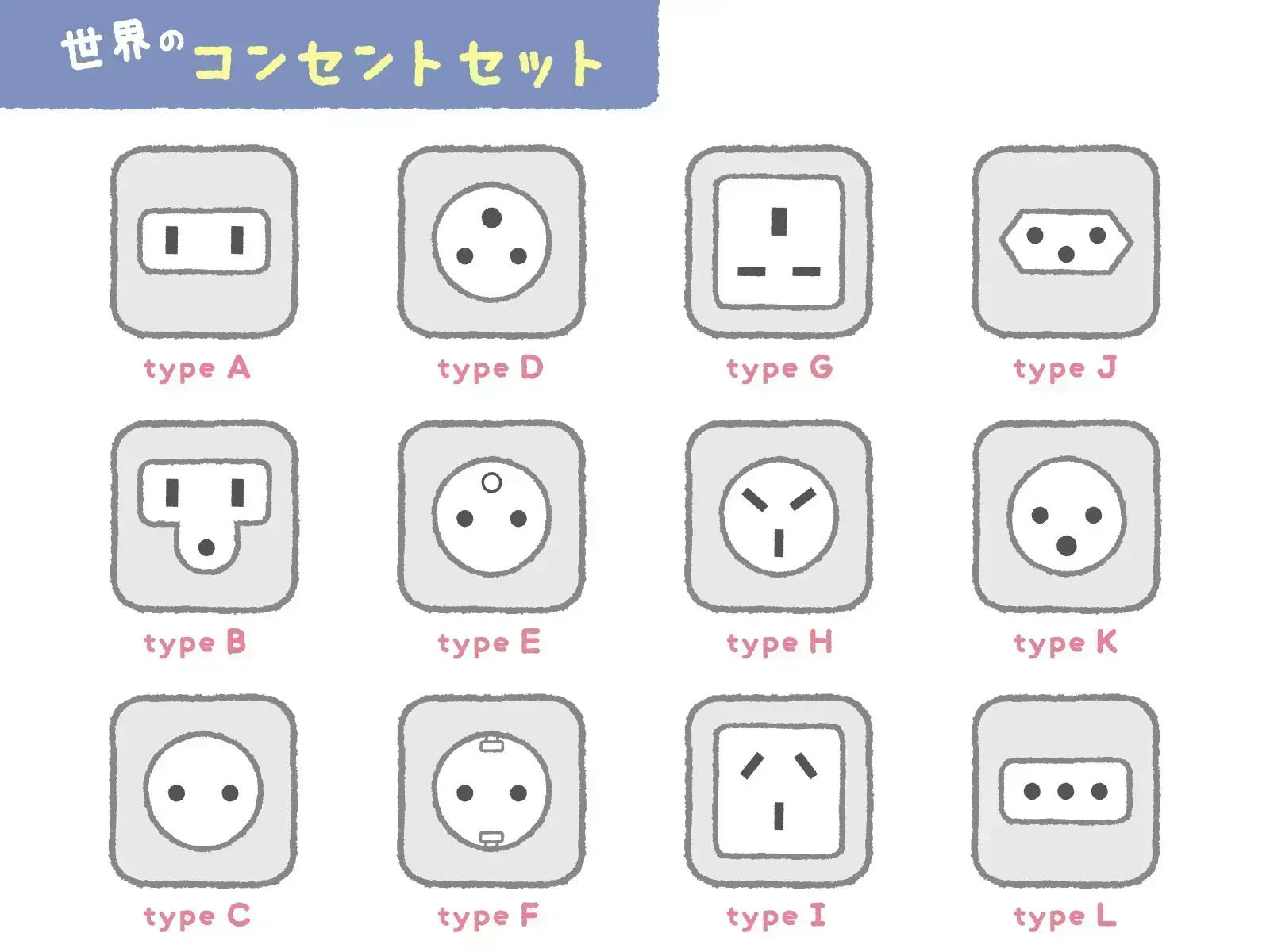
Powering your global adventures is easy once you know the ropes!
Around the world, there are three main electrical standards to keep in mind: the 110-120V used across North and Central America, the 220-240V prevalent in Europe, Asia, and Oceania, and versatile dual-voltage systems.
You'll also find differences in frequency (50 Hz or 60 Hz) and a unique variety of plug types specific to each region. Getting to know these basics is the secret to keeping your gadgets safe and ready to capture every moment of your international travels!
Electrical Standards for Your Asia & Oceania Trip
Country | Frequency (Hz) | Voltage (Volts) | The Right Plug for Your Adventure |
Australia | 50 | 230 | I |
50 | 220 | Adults, Children, Infants | |
Hong Kong, China | 50 | 220 | g |
India | 50 | 230 | C, D, M |
Indonesia | 50 | 230 | C, F |
Eastern Japan runs on 50 Hz, while Western Japan uses 60 Hz—a unique little detail to keep in mind for your adventure! | 100 | A, B | |
Malaysia | 50 | 240 | g |
New Zealand | 50 | 230 | I |
The Philippines | 60 | 230 | A, B, C |
South Korea | 60 | 220 | C, F |
50 | 230 | g | |
Taiwan (China) | 60 | 110 | A, B |
Thailand | 50 | 220 | A, B, C |
Vietnam | 50 | 220 | A, C – your next adventure awaits! |
Electrical Standards for North & South American Journey
Country | Frequency (Hz) | Voltage (Volts) | The Right Plug for Your Adventure |
Argentina | 50 | 220 | C, I |
Brazil | 60 | 127/220 | C, N |
Canada | 60 | 120 | A, B |
Chile | 50 | 220 | C, L |
Colombia | 60 | 120 | A, B |
Mexico | 60 | 127 | A, B |
Peru | 60 | 220 | A, C – your next adventure awaits! |
Venezuela | 60 | 120 | A, B |
Powering Your European Adventures
Country | Frequency (Hz) | Voltage (Volts) | The Right Plug for Your Adventure |
France | 50 | 230 | C, E |
Germany | 50 | 230 | C, F |
Italy | 50 | 230 | C, F, L |
Russia | 50 | 230 | C, F |
Spain | 50 | 230 | C, F |
United Kingdom | 50 | 230 | g |
A Look at Oceania's Electrical Standards
Country | Frequency (Hz) | Voltage (Volts) | The Right Plug for Your Adventure |
Australia | 50 | 230 | I |
Fiji | 50 | 240 | I |
New Zealand | 50 | 230 | I |
Where to Stay in Thailand?
Top Hotels in Thailand
Bangkok Hotels
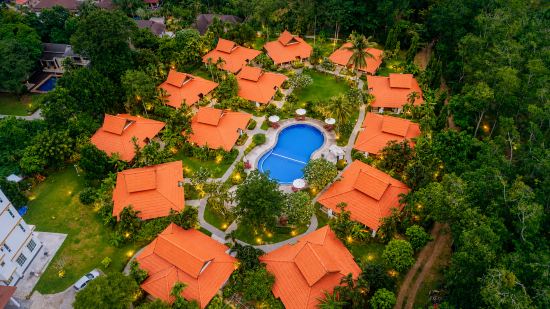
Phuket Hotels
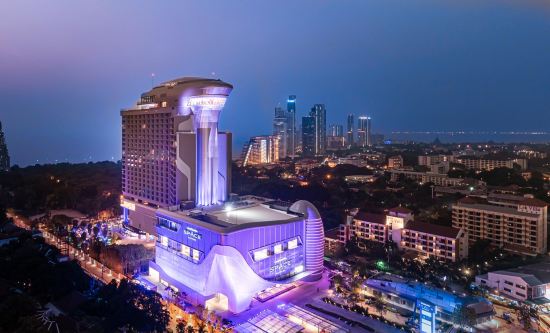
Pattaya Hotels
See All Hotels








Read More
How to Claim Your Thailand Tax Refund: Step-by-Step Guide
Get your VAT back easily! Our Thailand tax refund guide covers latest rules, amount limits, and airport steps to ensure a smooth shopping experience.
October 15, 2026
Complete Your Thailand Arrival Card Online: Step-by-Step Guide
Traveling to Thailand? Get your mandatory Thailand Digital Arrival Card (TDAC) online within 72 hours of arrival. It's free, fast, and replaces the TM6.
October 15, 2026
Thailand Customs Prohibited Items: What Not to Bring to Thailand?
Traveling to Thailand? Avoid fines and confiscation: Learn which items are prohibited, from e-cigarettes and fake goods to drugs and restricted wildlife products.
October 15, 2026
FAQs about Thailand Plug
-
What plug types are used in Thailand?
-
Can I use my U.S. devices in Thailand?
-
Do I need a plug adapter in Thailand?
-
Do I need a voltage converter in Thailand?
-
Where can I buy adapters or converters in Thailand?
Disclaimer: This article has been provided by an individual contributor or third party platform. If there is any discrepancy regarding the copyright, please contact us directly and we will delete the content immediately.
Trending Searches
-
Featured travel guide
-
Top-rated stays
-
Getting around
-
eSIM/SIM card
- Hotels in Shanghai
- Hotels in Guangzhou
- Hotels in Beijing
- Hotels in Bangkok
- Hotels in Shenzhen
- Hotels in Hong Kong
- Hotels in Tokyo
- Hotels in Chongqing
- Hotels in Chengdu
- Hotels in Seoul
- Hotels in Las Vegas
- Hotels in Zhangjiajie
- Hotels in Kuala Lumpur
- Hotels in Ho Chi Minh City
- Hotels in Taipei
- Hotels in Hangzhou
- Hotels in Singapore
- Hotels in Xi'an
- Hotels in Osaka
- Hotels in New York