Japan Power Plug Guide: Sockets, Adapters & Voltage for Travelers

By Riley H.
June 13, 2025
Wondering whether Japan Plug Type is similar to the U.S.? Both Japan and the U.S. use type A and B, while the voltage is different. ✨Let's explore Japan Plug Type and prepare your Japan travel better!
Japan Plug Type vs U.S.
Both Japan and the U.S. use the the most common power outlets, Type A and Type B. So, visitors from the United States don't need adapters. Let's check what's the Type A and B to make sure!
Plug Type A & Type B
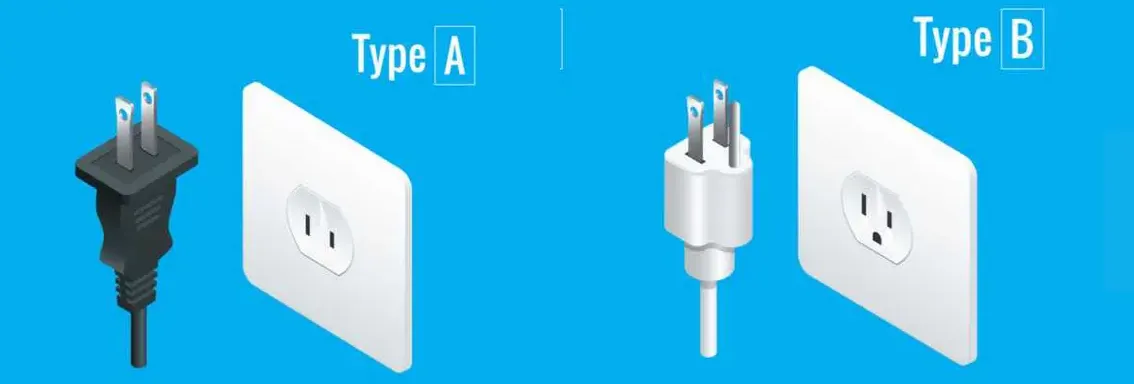
Japan primarily uses two types of electrical plugs, known as Type A and Type B. These plug types are also used in North America, Central America, and some other countries. Here's a detailed overview of the Japan plug types you will encounter:
Japan Plug Type | Description | Usage |
Type A Plug | An ungrounded plug with two flat parallel prongs | -The Type A plug is rated at 15 amps -In Japan, this plug is used for devices that do not require a ground connection. |
Type B Plug | A grounded plug with two flat parallel prongs and a grounding pin | -The Type B plug is rated at 15 amps -In Japan, this plug is used for devices that require grounding for safety. |
- Type A: Most Japanese outlets are Type A.
- Type B: While less common than Type A, Type B sockets can also be found in Japan, especially in newer buildings and facilities.
Voltage and Frequency - Japan vs U.S.

Here is the comparison of Voltage and Frequency between Japan and the U.S.:
Country | Voltage | Frequency |
Japan | 100 volts | 50 Hz in Eastern (Tokuo, Yokohama, Tohoku, and Hokkaido) 60 Hz in Western (Osaka, Kyoto, Nagoya, Hiroshima) |
The U.S. | 120 volts | 60 Hz |
*Note: Most equipment will not influenced by Frequency different.
How to deal with voltage difference?
1. Voltage Converter/Transformer: If your devices are not compatible with 100 volts that only suitable for 110 volts in the United States, you will need a voltage converter or transformer to step down the voltage to 100 volts.
2. Dual-Voltage Devices: Many modern electronic devices, such as laptops, smartphones, and camera chargers, are dual voltage, meaning they can operate on a range of voltages from 100 to 240 volts. For these devices, you don't need to consider voltage converter. But you should make sure your chargers are Type A or Type B.
✨If you're curious about how to stay connected in Japan, check the following Japan eSIM products!
Explore Cheap Japan eSIMs
See all attractions
 66237 booked
Tips for Charging Your Devices in Japan

When traveling to Japan, you'll need voltage converter to charge your devices because the voltage is different from the United States. Here's tips for charging your devices:
Smartphones and Computers
Most modern smartphones, tablets, and laptops are built to support a wide voltage range (typically 100V to 240V). This means all you’ll need is a plug adapter to charge them in Japan without any issues
Hair Dryers
Take a moment to check whether your hair dryer is dual-voltage. If it is, simply switch it to the 100V setting and use it with a plug adapter. If not, your best bet is to either get a dual-voltage travel hair dryer or buy one locally in Japan that’s designed for the country’s 100V system.
USB Charger
For devices that rely on USB charging, a universal travel adapter with USB ports can be a real time-saver, letting you charge multiple gadgets at once without any hassle.
Power Strip
If you have several devices to charge at once, it might be a good idea to pack a power strip (just make sure it doesn’t have surge protection, as it might not work with the different voltage). Use it alongside a single adapter to plug it into the Japanese outlets.
❤️ Planning your Japan trip? Be sure to check out the article below for more tips and advice to help you prepare!
What to Pack for Japan? 2026 Expert Packing Guide for Japan
Planning a trip? Find out exactly what to pack for Japan, from essential customs items and travel apps to year-round seasonal clothing guides.
October 24, 2026
How Much Does a Trip to Japan Cost: 2026 Japan Travel Cost Breakdown
Explore how much does a trip to Japan cost, covering flights, hotels, dining, and more. Learn how much a week stay costs in Japan to plan your budget.
October 24, 2026
How Voltage and Frequency Differences Affect Devices in Japan

In Japan, the standard voltage supply is 100 volts, which is lower than 120 volts in the U.S.. The frequency is 50 Hz to 60 Hz. Here's how these voltage and frequency differences can affect devices:
Foreign Devices in Japan
If you're bringing devices from countries with higher voltage standards, like the U.S., they might not work as well when plugged into Japanese outlets. In some cases, a voltage transformer or power converter will be necessary to ensure they function correctly.
Frequency Difference
The varying frequencies can also cause issues, particularly with appliances that have motors or rely on precise timing. For instance, an electric clock built for 60 Hz may not keep accurate time when operated on 50 Hz. Similarly, appliances like fans, microwaves, or ovens may not work properly if the frequency doesn’t match.
Safety Concerns
Using devices with the wrong voltage can lead to safety risks such as electric shock, short-circuiting, or even fire hazards. Always check your device’s voltage specifications, and if needed, use the appropriate transformer or converter to avoid any potential issues.
👍 Tokyo Hotel Recommendations 👍



Where to Charge Your Devices Easily in Japan?
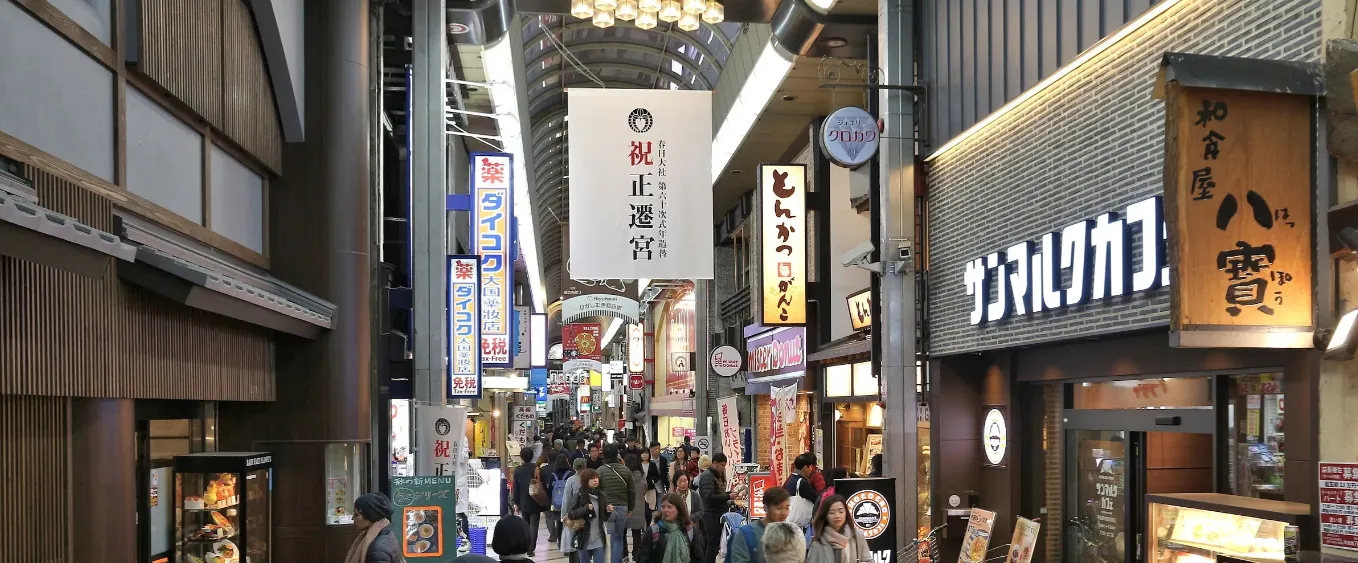
Charging your devices in Japan is relatively easy, as there are various options available. Here are some places where you can charge your devices:
1. Convenience Stores: Many convenience stores like 7-Eleven, FamilyMart, and Lawson have charging stations. Some may offer this service for free, while others might charge a small fee.
2. Cafés and Restaurants: Some cafés and restaurants provide power outlets for customers to use. Look for outlets near seating areas or ask the staff if it's okay to charge your device.
3. Train Stations: Major train stations often have charging stations or outlets available for public use. These can be found near seating areas or within waiting lounges.
4. Shopping Malls: Large shopping centers and department stores sometimes have charging stations or lockers where you can securely charge your phone while you shop.
5. Airports: Major Japan airports, including Haneda Airport and Kansai Airport, are equipped with numerous charging stations in the terminal areas.
FAQs about Japan Plug Type
-
What is the voltage and frequency used in Japan?
-
Do I need a voltage converter for my devices in Japan?
-
Can I use my Type B plug in a Type A socket?
-
Is it safe to use electrical appliances in the bathroom?
Disclaimer: This article has been provided by an individual contributor or third party platform. If there is any discrepancy regarding the copyright, please contact us directly and we will delete the content immediately.
Trending
-
Featured travel guide
-
Top-rated stays
-
Getting around
-
eSIM/SIM card
- Treehouse Hotel in China
- Quail Chase Golf Course Tickets
- Romantic Hotels in Jilin
- Hotels near Nii-jima
- Hotels near Donghai International Art Street
- Pousada Refugio da Harmonia
- Ho Quoc Temple Tickets
- Hotels near The City of Prague Museum
- Yongcheonsa Tickets
- Cheap O'Hare Intl. Airport to La Aurora International Airport flights
- Hotels in Shanghai
- Hotels in Guangzhou
- Hotels in Beijing
- Hotels in Bangkok
- Hotels in Shenzhen
- Hotels in Hong Kong
- Hotels in Tokyo
- Hotels in Chongqing
- Hotels in Chengdu
- Hotels in Seoul
- Hotels in Las Vegas
- Hotels in Zhangjiajie
- Hotels in Kuala Lumpur
- Hotels in Ho Chi Minh City
- Hotels in Taipei
- Hotels in Hangzhou
- Hotels in Singapore
- Hotels in Osaka
- Hotels in Xi'an
- Hotels in New York
- Takkyubin Luggage Forwarding
- Treehouse Hotel in China
- Taiwan Arrival Card
- Chengdu Layover
- Hotel Deals
- US Halloween Theme Park Events 2026
- Beijing Day Tours
- Tokyo Day Tours
- Shanghai Day Tours
- Pattaya Day Tours
- Shenzhen Activities
- Shanghai Activities
- Hong Kong Activities
- Chongqing Activities
- Beijing Activities