What is a Hostel? Costs, Safety & Booking

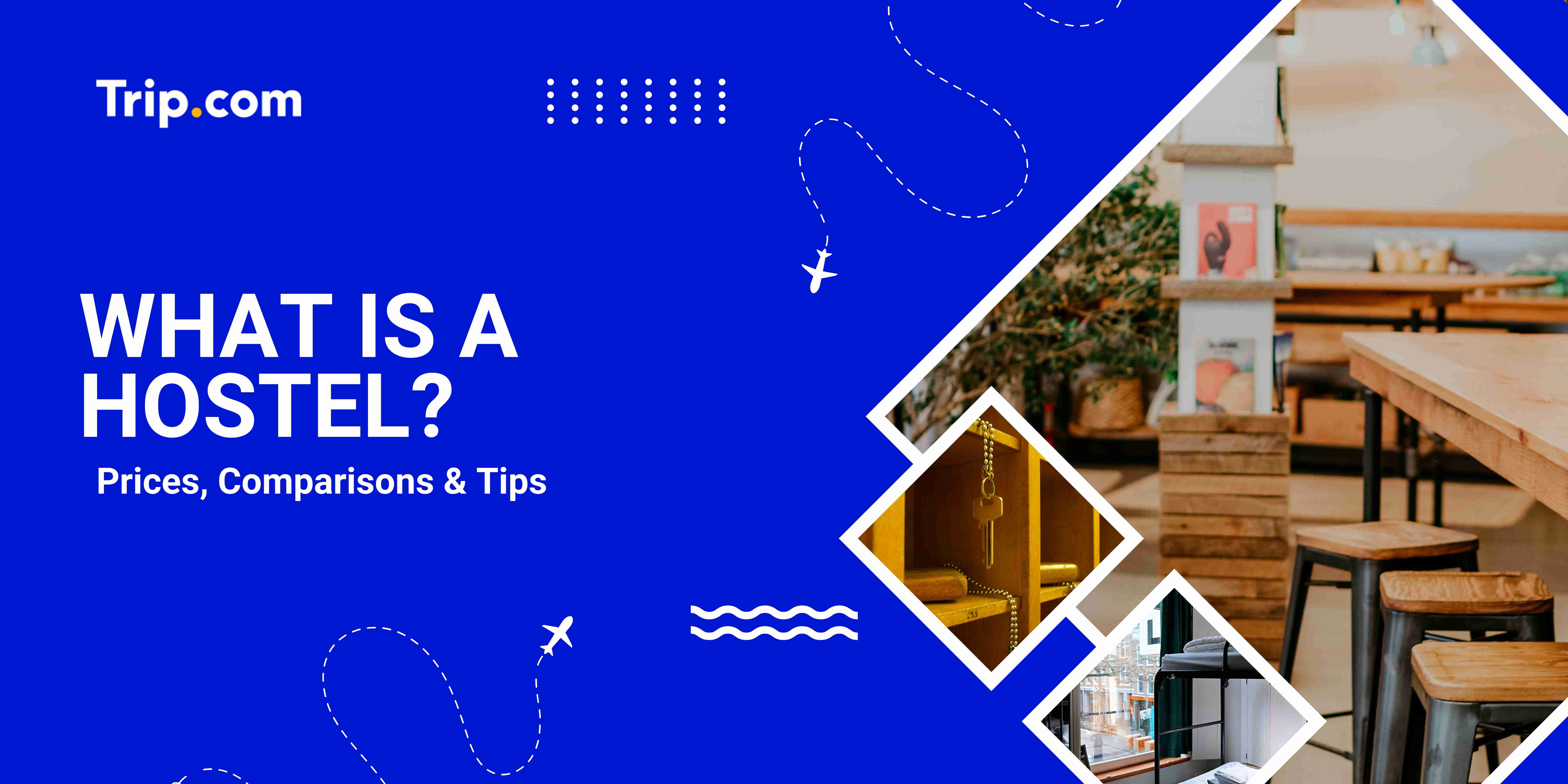
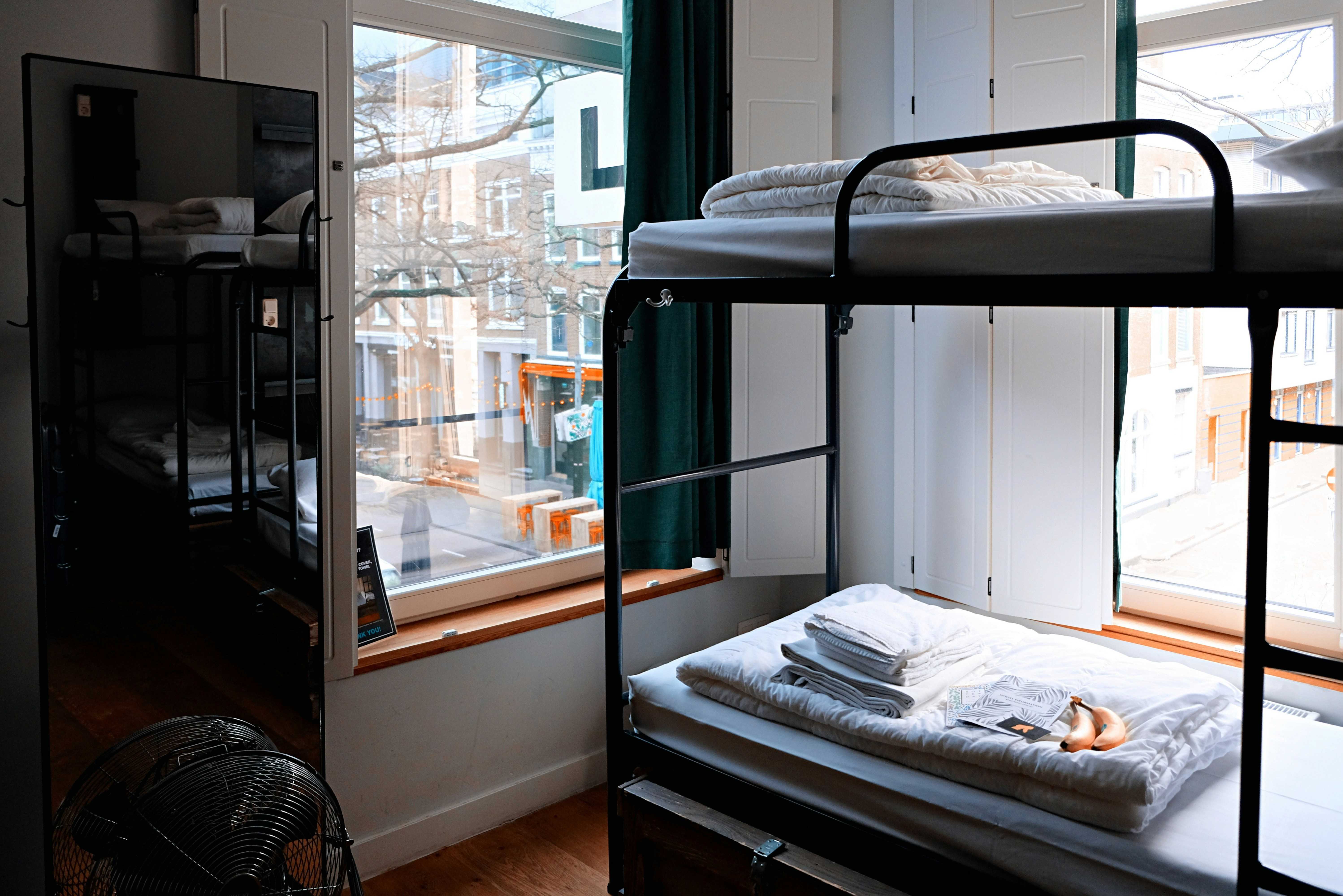
Short Answer: A hostel is budget-friendly lodging with shared dorm rooms or private rooms, plus communal spaces such as lounge, kitchen, and laundry designed to help travelers save money and meet people.
While hostels are famous with students and backpackers, many now welcome families, couples, and remote workers with private ensuites, cowork tables, and boutique design.
To Shanghai
To Bangkok
To Tokyo
See all flights


How Do Hostels Work?
- Room types include
- Dorms: mixed or female-only, typically 4–12+ beds (bunks or pods).
- Private rooms: 1–4 people; ensuite or shared bathroom.
- Family rooms & “poshtels” (boutique hostels) are increasingly common.
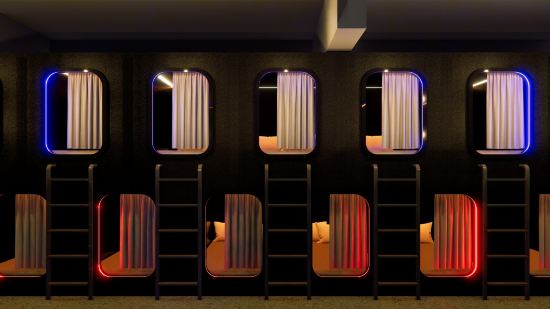
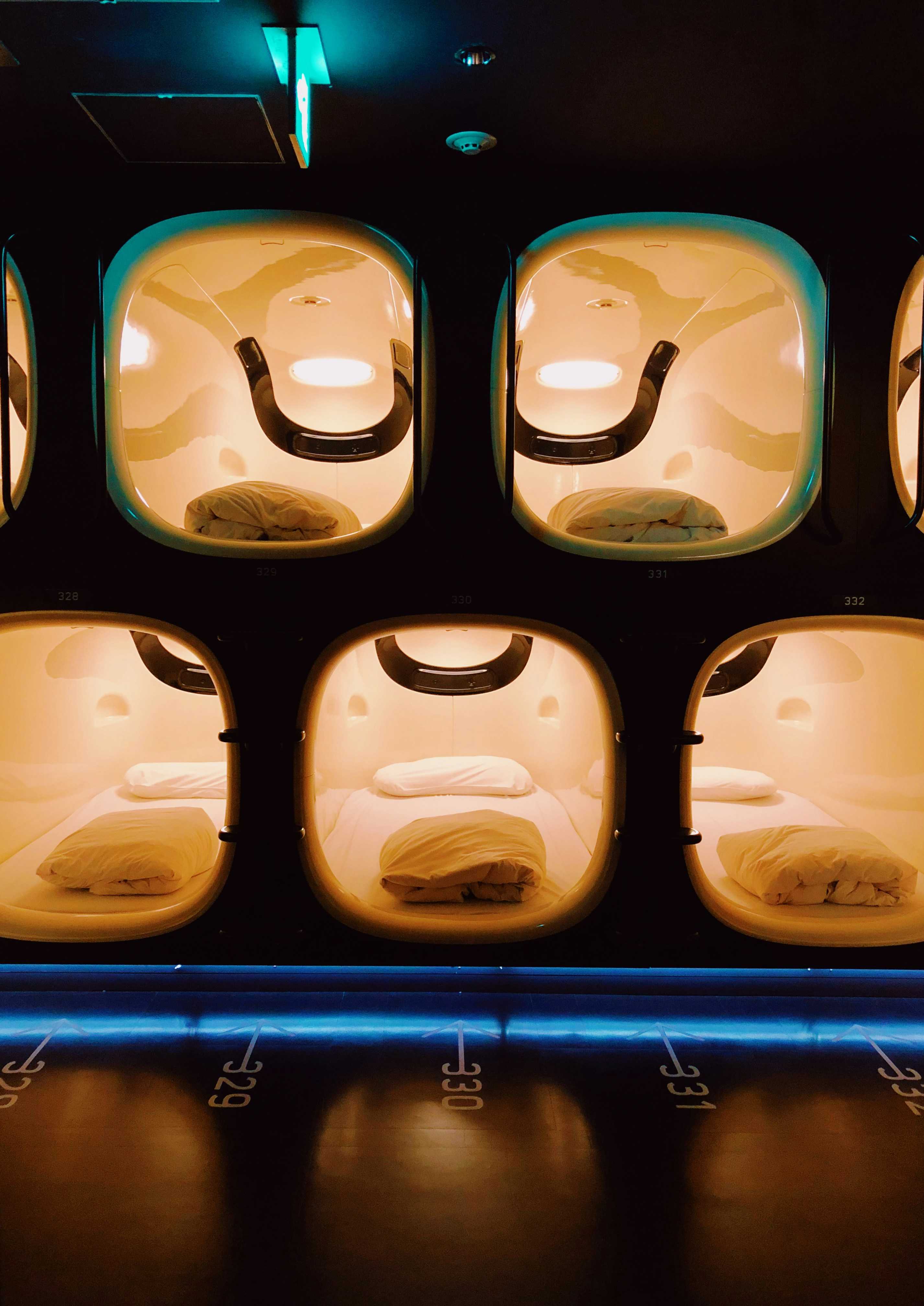
- Capsule/pod hostels offer semi-private sleeping pods with lockers.
- Facilities & amenities: Common room or bar/café, guest kitchen, free Wi-Fi, lockers (bring a padlock), luggage storage, laundry, tours/activities, sometimes 24/7 reception.
- What’s included: Linens are standard; towels may be free or rented; breakfast varies. Some hostels have age limits (e.g., 18+ in dorms) or quiet-hours policies.
Tip: If you’re new to hostels and want extra privacy, book a private room with ensuite—you get hotel-like sleep and still enjoy the social areas.
Hostel vs. Hotel vs. Airbnb
Feature | Hostel | Hotel | Home/Airbnb |
Typical price (per night) | $25–$70 per bed in dorm; $80–$180+ per room (city/season dependent) | $140–$350+ per room (big-city average) | Highly variable; add cleaning/host fees |
Privacy | Dorm = low; Private room = medium–high | High | High (entire place) / medium (private room) |
Bathroom | Shared or ensuite | Private ensuite | Private/shared (varies) |
Kitchen access | Yes (guest kitchen) | Rare | Often |
Social vibe/activities | Core feature (tours, game nights) | Occasional | Limited |
Security | Lockers, keycards, staffed desk | Front desk, safes | Varies by host |
Best for | Budget, solo travelers, students, social trip, small groups | Business trips, couples wanting amenities | Longer stays, groups, neighborhood |
Hostels Cost in the U.S.
- Dorm beds: roughly $25–$70 per night in most cities (NYC/SF on the higher end; college towns cheaper).
- Private rooms: typically $80–$180+, still under comparable hotels.
What moves the price?
weekend/special events, location, room type (ensuite vs shared bath), and property style (boutique/poshtel costs more).
Ways to save: Travel midweek, choose larger dorms, look for member/student discounts (e.g., HI USA), and book flexible rates early.
Hostels: Safety and Precautions
Safety generally isn't an issue for most hostels since they use keycard access, staffed reception, lockers, cameras in common areas, and clear house rules. However, one can never be too cautious about your surroundings when you are sharing a room with strangers. Here are some tips you can follow to help yourself:
- Bring a small padlock (or two) for lockers and luggage.
- Keep passport/cards on you or in a locked bag; don’t leave phones charging unattended in dorms.
- Choose female-only dorms if preferred; read reviews for cleanliness and security.
- Know the emergency exit route and reception hours.
- Consider travel insurance (lost items, trip changes).
Safety & Culture: Reginonal Notes
- Female-only dorms widely available in Europe/USA/ANZ; less common in some regions—check filters.
- Curfews/lockouts: rare in Europe/USA; possible in a few traditional properties—read house rules.
- Payment: cards dominate in USA/EU/ANZ; cash still common at smaller hostels in parts of LATAM/Africa/Asia.
- Plugs & voltage: bring a universal adapter; Japan 100V, Europe 220–240V.
- Luggage security: use lockers + a padlock everywhere.
U.S. Specific Notes
- Age limits: Many dorms have an 18+ limit; families with kids can choose private rooms.
- Accessbility: Look for elevators, accessible bathrooms, and ower bunks (many hostels list accessbility features).
- City taxes & fees: These apply to hostels just like hotels; check the final price before you book.
- Parking: Rare in downton locations, best to use public transit or paid garages (if available)
What are Some Hostel Etiquettes?
Since you'll be sharing a lot of spaces and areas with people you don't know, it is important you respect each others' privacy. Here are a list of "unspoken rules" that you might be interested when you're at a hostel and not sure what to do.
- Quiet Hours: earbuds in; alarms low
- Lights: Use a headlump or the flashlight on your phone
- Respect Space: keep all your belonging under your bunk or in your locker; avoid bringing items with strong scents.
- Bathrooms: quick showers; leave sinks/showers tidy.
- Kitchen: label food, wash/dry/put away dishes, don't borrow or take unlabeled items.
- Social: ask before joining a table; be friendly and mind boundaries.
Booking a Hostel
Here's a step by step breakdown on how to book a hostel:
- Choose the platform in which you want to book your hostel on:
- Trip.com (cheap hostels and being able to filter anywhere around the world)
- HostelWorld (contains a significant portion)
- Any other travel agencies (comparing prices across multiple websites)
- Pick your location and style (quiet or social, boutique or budget)
- Choose the room type (mixed/female) or private; ensuite vs. shared bath.
- Filter for must-have amenities (lockers, A/C, kitchen, laundry, cowork space, etc.)
- Compare total price (taxes, towel/linen fees, membership discounts)
- Book a flexible rate if your plans might change.
- Add late arrival info if you'll check in after midnight.
Don't worry! Not everyone is a big fan of sharing spaces with others, hostel is just a choice upon many living accomodations to choose from. You can always book hotels as well, there are many discounts and promotions and the price doesn't differ much from hostel prices.
Hostels Booking Windows & Peak Seasons
- USA/Canada: book 3–8 weeks out for weekends; longer for NYC/SF/major events.
- Europe: book 4–10 weeks out for Jun–Aug and Christmas markets.
- Souteast Asia: shoulder seasons (Apr/May, Sep/Oct) = best value; book 1–3 weeks out.
- Australia/NZ: summer (Dec–Feb) & ski season (Jul–Aug) need 4–8 weeks.
- Latin America: dry seasons (varies by country) attract crowds; carnival/semana santa spike.
Top Hostels Worldwide
In Shanghai
In Bangkok
In Tokyo
See All Hotels
 NO.1
NO.1

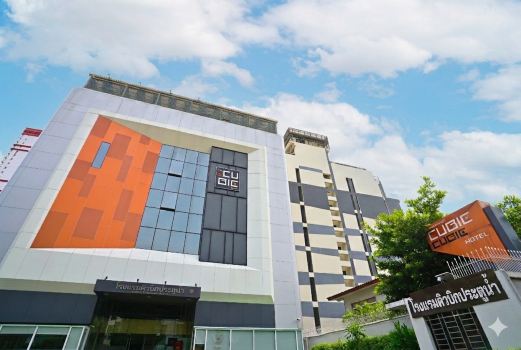
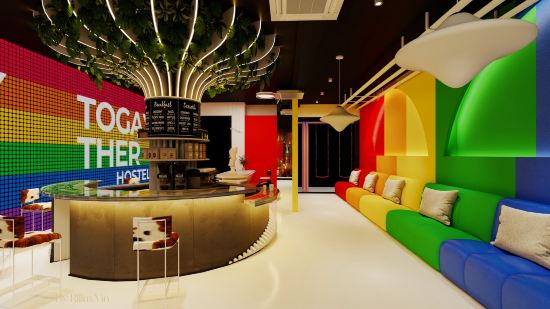
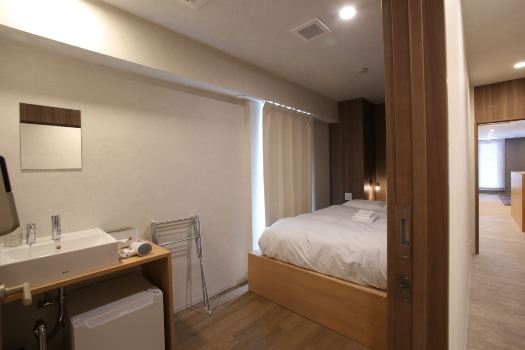
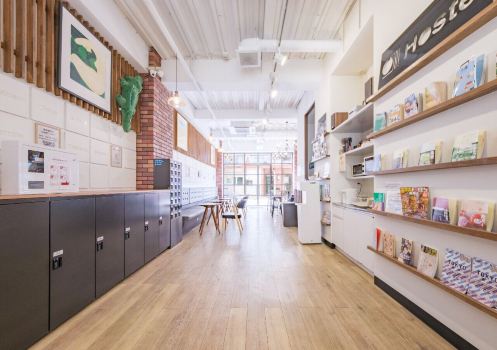
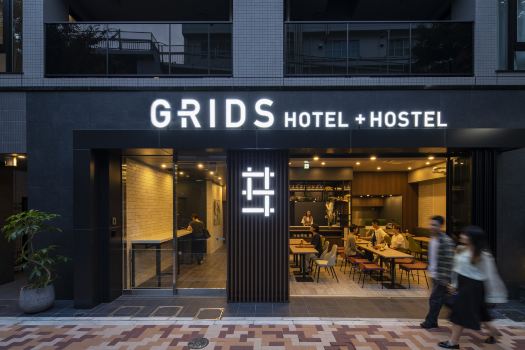
Choosing the RIght Hostel: Location, Vibe & Filters
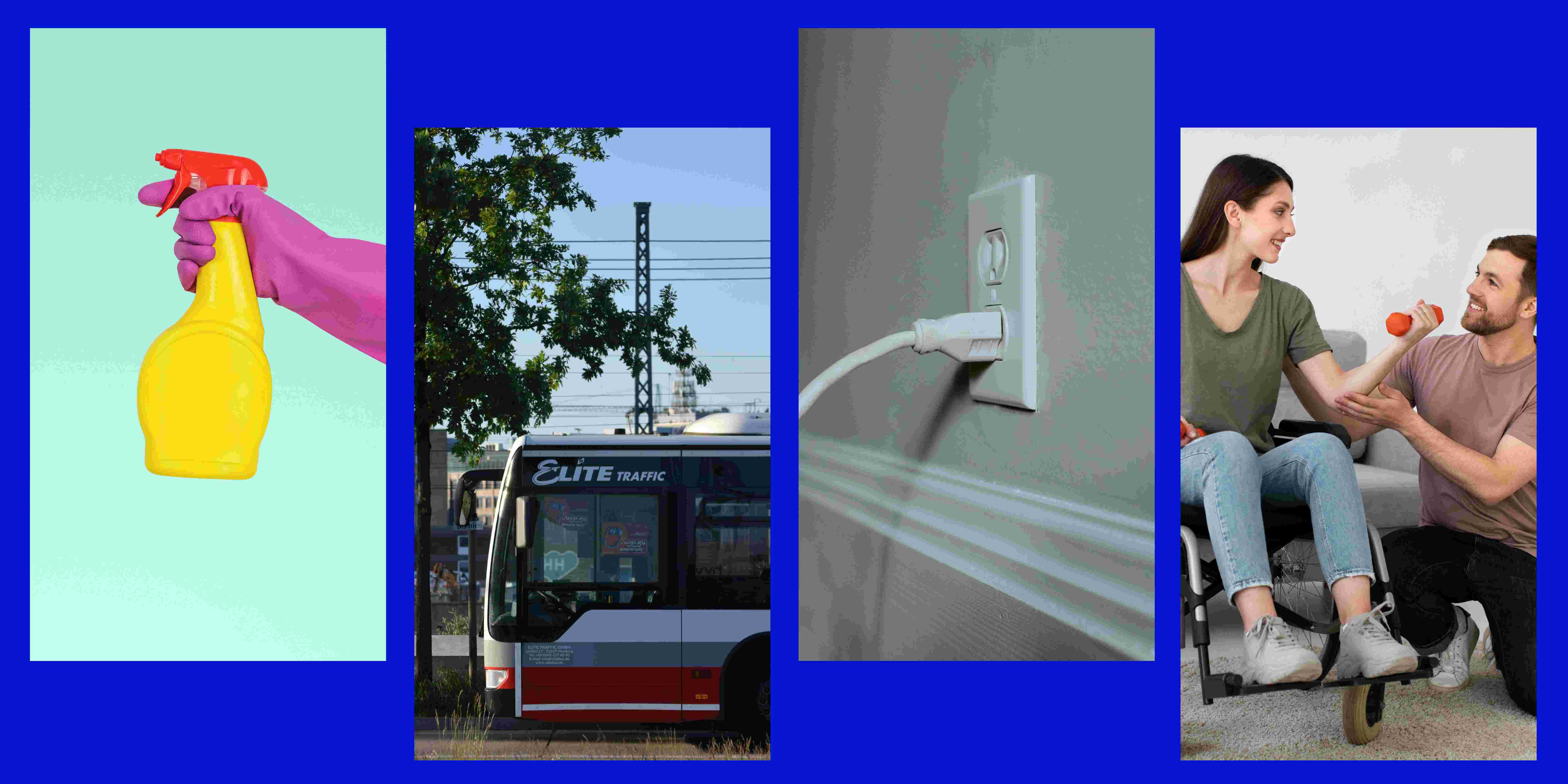
Not all hostels feel the same! Especially for hostels, it is really important to check the reviews so you can find somewhere which matches your expectations and avoid surprises.
Look for neighborhood (near transit vs nightlife), noise profile (party/quiet), bed style (pods with curtains vs open bunks), outlets & lights per bed, A/C or heating, ensuite vs shared bath, locker size (fits a carry-on?), kitchen quality (stoves, fridges, labled storage), and cowork space/Wi-Fi speed if you'll be working.
Scan review keywords for leanliness, security, and staff helpfulness, then check photo galleries for bunk layout and bathroom count. Finaly, confirm late check-in instructions and luggage storage so your arrival and departure is smooth.
Hostels Around the World: Regional Differences
- Europe: dense network; kitchen access, luggage rooms, and no-curfew are common. Summer (Jun–Aug) books early. City taxes at check-in.
- UK & Ireland: pub-adjacent/heritage buildings; private rooms are common; weekend surges.
- Latin America: social vibe, rooftops/pools; surf & Spanish-school tie-ins; cash discounts still pop up.
- Southeast Asia: excellent value; pods & boutique hostels, laundry by the kilo; air-con matters.
- East Asia (Japan/Korea/Taiwan): ultra-clean capsule/pod styles, spotless kitchens, coin laundries; strict quiet hours.
- Oceania (Australia/NZ): big working-holiday scene; long-stay discounts; good kitchens.
- Middle East & North Africa: small design hostels growing in hubs (e.g., Amman, Tel Aviv, Marrakech); check cultural norms on mixed dorms.
- Africa (South & East): safari/coast routes with hostels + tours; verify power backup/Wi-Fi reliability in listings.
Read More
Capsule Hotels: Guide to a Compact & Modern Travel
What are capsule hotels? Info about capsule hotels worldwide and in originated country of Japan. Compare traditional hotel, hostel, and capsule hotels all in one.
October 22, 2026
How to Get a Late Check-Out?
How to get a late check-out? Can I get a free late check-out service? Info all about hotels with late check-out and tips for making most of your stay!
October 22, 2026
Hotel Check-in Time: Everything You Need to Know Before Your Stay
What time is hotel check-in? What is the standard hotel check-in and checkout times? Know everything before your stay. Make the most of your time out of this guide!
October 22, 2026
Unique Hostel Styles to Try
- Capsule/pod hostels (Japan/Korea/Taiwan): privacy curtains, lights, outlets.
- Surf hostels (Portugal, Costa Rica, Bali): lessons + board rentals.
- Rooftop/social hostels (Mexico City, Medellín, Cartagena): DJs, cowork corners.
- Eco & wellness hostels (Costa Rica, Sri Lanka): yoga decks, farm-to-table meals.
- Alpine/ski hostels (Austria, Switzerland, NZ): gear rooms, shuttle to lifts.
Get Well-Connected!
See all attractions


Hostels FAQs
-
What is a hostel in simple terms?
-
What is a “hostel hotel”?
-
Do hostels have private rooms?
-
Are hostels safe?
-
Do I need to bring towels or linens?
-
Can I cook in a hostel?
-
Can families stay in hostels?
Disclaimer: This article has been provided by an individual contributor or third party platform. If there is any discrepancy regarding the copyright, please contact us directly and we will delete the content immediately.
Trending Searches
-
Featured travel guide
-
Top-rated stays
-
Getting around
-
eSIM/SIM card
- Hotels in Shanghai
- Hotels in Guangzhou
- Hotels in Beijing
- Hotels in Bangkok
- Hotels in Shenzhen
- Hotels in Hong Kong
- Hotels in Tokyo
- Hotels in Chongqing
- Hotels in Chengdu
- Hotels in Seoul
- Hotels in Las Vegas
- Hotels in Zhangjiajie
- Hotels in Kuala Lumpur
- Hotels in Ho Chi Minh City
- Hotels in Taipei
- Hotels in Hangzhou
- Hotels in Singapore
- Hotels in Osaka
- Hotels in Xi'an
- Hotels in New York
- eSIM Japan
- eSIM Thailand
- China SIM Card
- Italy eSIM
- China eSIM with VPN
- Taiwan Public Holidays
- Costa Rica All Inclusive
- Flight Cancellation Insurance
- Beijing Map
- Where to Stay in Shanghai
- Mountain Creek Ski Resort
- Disneyland Tickets
- Where to Stay in Toronto First Time
- Guiyang Tourist Map
- vancouver airport hotels