
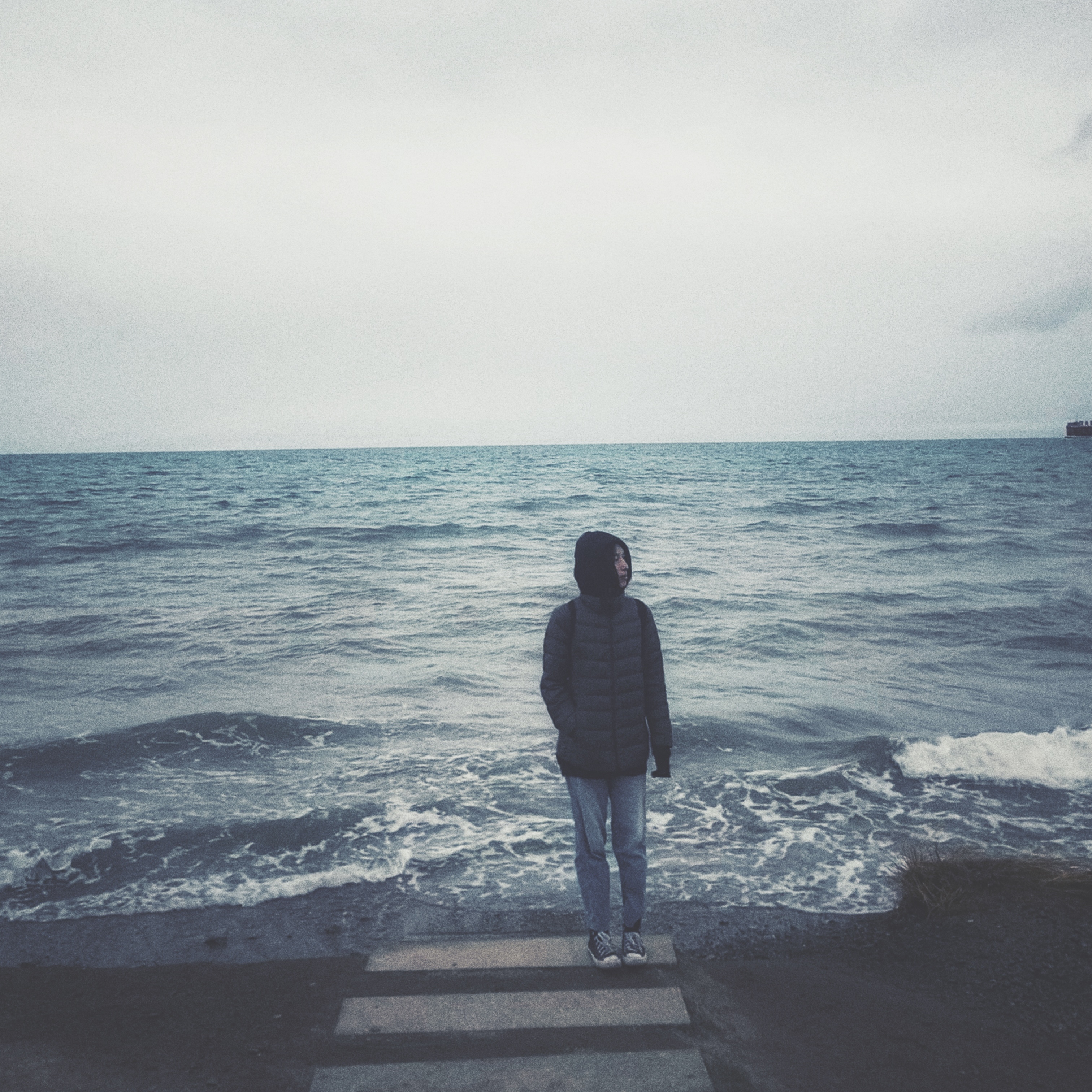

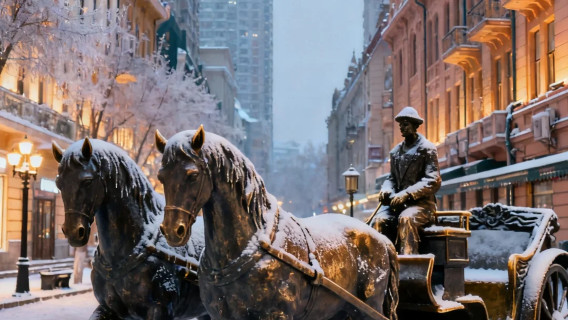
Harbin sits in Northeast China, one of the country’s coldest regions. Its winter temperatures are extremely low, dropping to as low as -40°C. Even though it’s frigid, that’s exactly why Harbin has become the capital of ice and snow ❄️, hosting the Ice and Snow Festival and other spectacular events every year.
Besides that, Harbin is also known for the beautiful Songhua River, distinctive Russian-style architecture, and more. When you come to Harbin, remember to pack warm clothing and get ready to experience the dream of ice and snow!


What’s the Coldest Temperature in Harbin?
Harbin has a cold continental climate, with winters that are long and bitterly cold—the mercury can plunge to -40°, earning it a reputation as the capital of ice and snow. Although winter (November to April) is extremely cold, events like Ice and Snow World make it the most distinctive season to visit.
Summer (June to August) is short and refreshingly cool, with average temperatures around 20°C to 23°C, and is the most popular time to visit outside of winter. Travelers heading to Harbin should pack for the season; in winter especially, bring the thickest, warmest clothing, down jackets, insulated footwear, and all kinds of cold-weather accessories.
Season | Key Months | Average temperature (approx.) | Core Travel Highlights | Key Outfit Recommendations |
Winter | November - April | 18°C below zero | Ice and Snow World, Ice Lantern Exhibition | Ultra-thick down jacket, warm boots, gloves, and a hat |
Summer | June - August | 20°C - 23°C | Beer festivals, music festivals, and the banks of the Songhua River | Lightweight clothing, short-sleeved tops, light outerwear, rain gear |
Spring and Fall Seasons | May, September, October | 5°C - 15°C | Fall foliage viewing and fruit-picking activities | Long-sleeved tops, a lightweight jacket, and thermal underwear |
Harbin Weather Forecast for the Next 7 Days




Harbin’s Average Temperature
Harbin is a city in northern China with a cold continental climate. Winters are long, cold, and dry, while summers are short, warm, and humid. In summer, thunderstorms and rain are common, and in winter, it often snows.
Typically, Harbin’s winter lasts about 6 months, from November until April of the following year. So if you’re planning a trip to Harbin, it’s best to dress warmly and pack winter essentials like a heavy coat, gloves, a scarf, and a hat. In summer, because temperatures run high and rainfall is abundant, wear lighter clothing and bring rain gear.
Here’s the average weather table for Harbin, a popular city, from January through December:
Month | Temperature | Rainfall/Snowfall Amount |
|---|---|---|
January | -18°C | 16mm |
February | -13°C | 11mm |
March | -4°C | 13mm |
April | 7°C | 9mm |
May | 15℃ | 17mm |
June | 20°C | 42mm |
July | 23℃ | 98mm |
August | 22°C | 86mm |
September | 15°C | 49mm |
October | 5°C | 25mm |
November | -7°C | 20mm |
December | -10°C | 20mm |
*According to the Harbin Climate Report released in 2024 by the Heilongjiang Provincial Meteorological Bureau, Harbin sees an annual average temperature of -4.8°C, with record lows dipping below -40°C.
What to Wear and How to Prepare for a Trip to Harbin in Spring?
Harbin’s spring runs from March to May, with temperatures from 0°C to 15°C and humidity rising from about 45% to 60%. It’s a rainy season with around 30 mm of precipitation each month, so packing an umbrella is smart. Sunrise is about 5:00 a.m. and sunset around 7:00 p.m.
Flowers bloom across the city, and parks become popular spots for viewing cherry and plum blossoms. Light layers—like a long-sleeve shirt, a thin jacket, and comfortable shoes—are ideal for the cooler mornings and evenings.
- Average temperature: 0°C to 15°C.
- Suggested outfit: Temperatures are warming up, but it’s still cold in the mornings and evenings. We recommend wearing long-sleeved shirts and lightweight sweaters, paired with a light jacket or windbreaker.
- Note: Spring is one of the rainy seasons, so be sure to bring an umbrella.
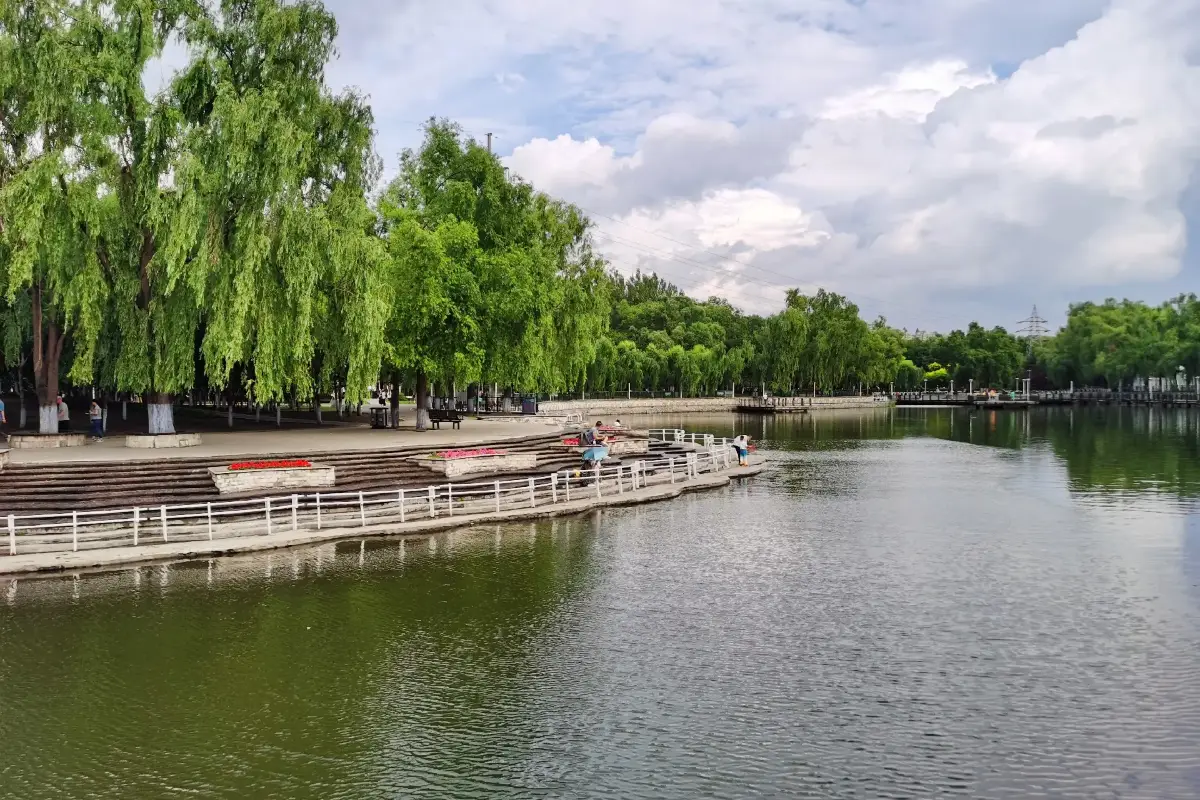
Photo source: Daixiu Lake Park
What to Wear and How to Prepare for a Trip to Harbin in Summer?
Harbin’s summer lasts from June to August and is warm and humid, with average temperatures of 20–25°C, cooler nights, over 70% humidity, and 80–120 mm of rainfall. Sunrise is around 4:30 a.m. and sunset near 8:30 p.m.
Travelers can wear light clothing like cotton shirts and shorts, but bringing a light jacket is helpful. Summer festivals, such as the Harbin International Beer Festival and the Summer Music Festival, offer lively food and cultural experiences.
- Average temperature: 20°C to 25°C.
- Suggested attire: It’s warm and humid—wear lightweight cotton shirts, shorts, or breezy clothing. Due to the temperature swings between morning and evening and rain, be sure to pack a light jacket and rain gear.
- Note: Summer has high humidity and heavy rainfall; it's a peak season for travel.
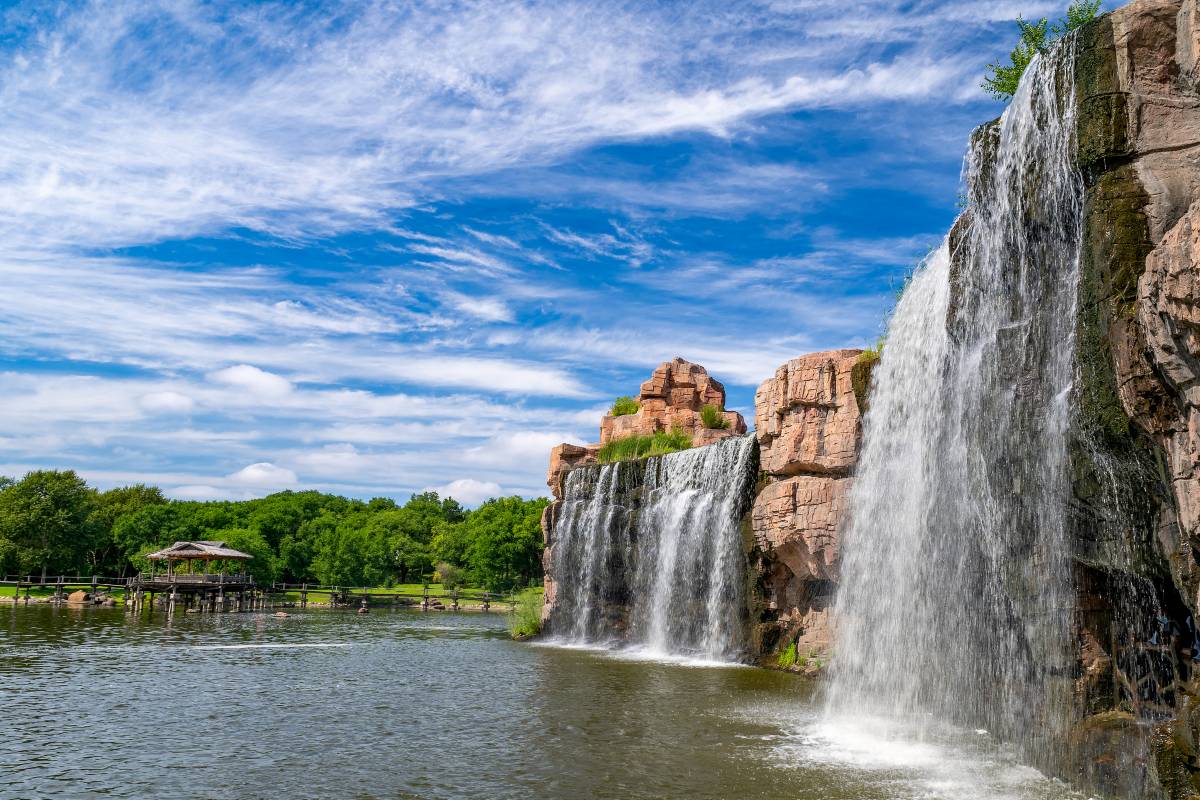
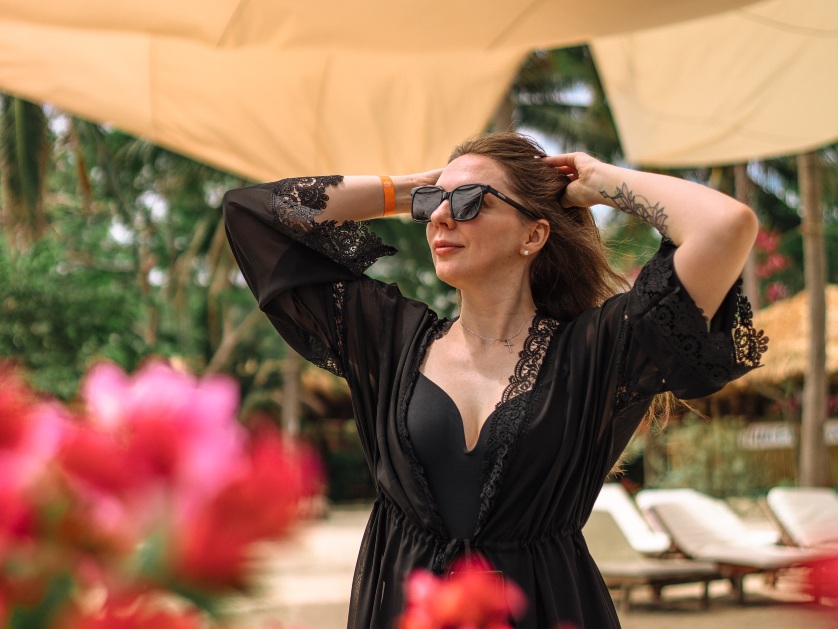
Photo source: Sun Island Scenic Area

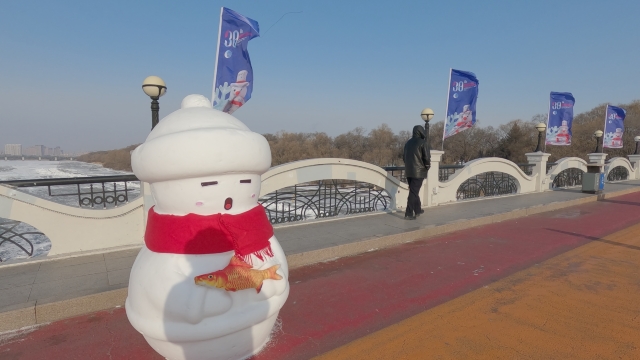

What Are Some Clothing and Preparation Tips for Visiting Harbin in the Fall?
Autumn in Harbin, from September to November, has pleasant weather with temperatures of 5°C to 15°C, 50–80 mm of rainfall, and humidity around 60–70%. Sunrise is around 6:30 a.m., and sunset is about 6:30 p.m.
Travelers can wear long sleeves and light jackets, but should bring extra layers for sudden changes. Fall also features popular events like the Harbin Food Expo and the Ice and Snow Art Exhibition, attracting many visitors.
- Average temperature: 5°C to 15°C.
- Suggested outfit: The weather is cool and pleasant, perfect for long sleeves and a light jacket. Since the weather can be unpredictable, consider packing warm base layers or a lightweight down jacket, just in case.
- Recommended activity: Admire the fall foliage (for example, at Jinlongshan National Forest Park).
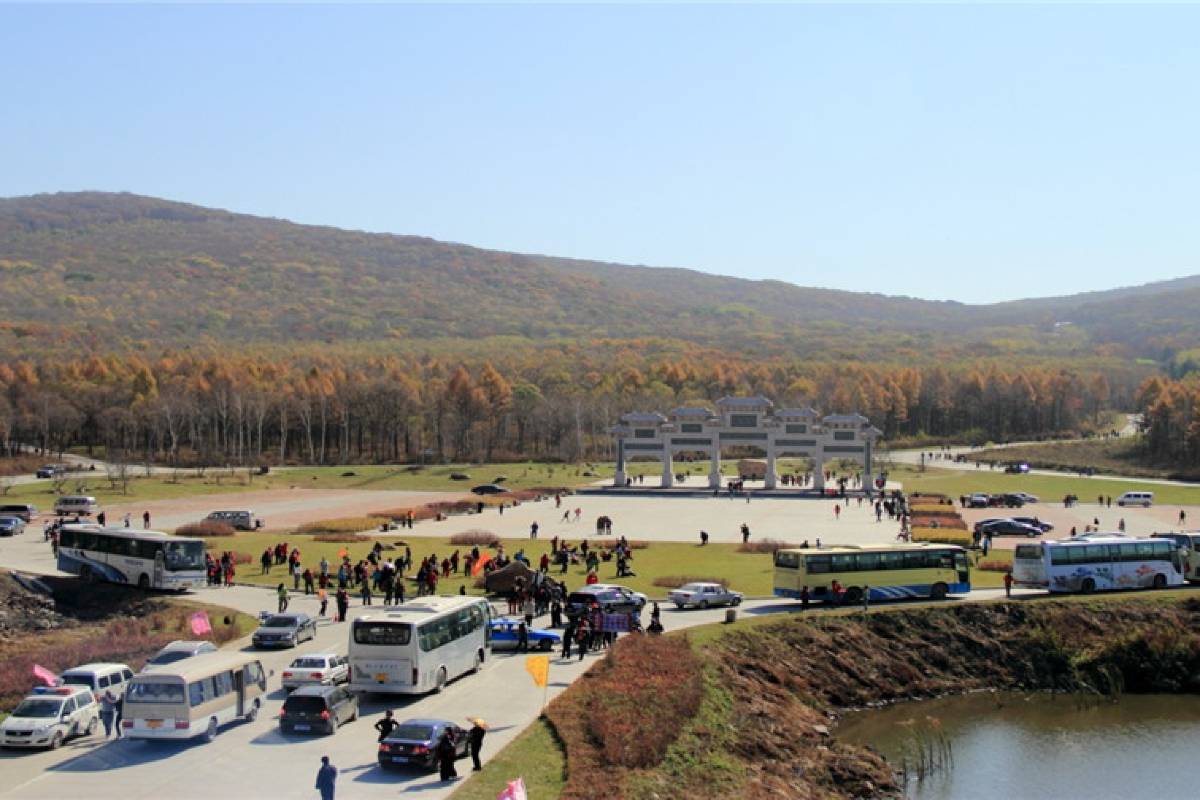
Photo source: Jinlong Mountain National Forest Park
 520653 booked

Tips on What to Wear and How to Prepare for a Trip to Harbin in Winter
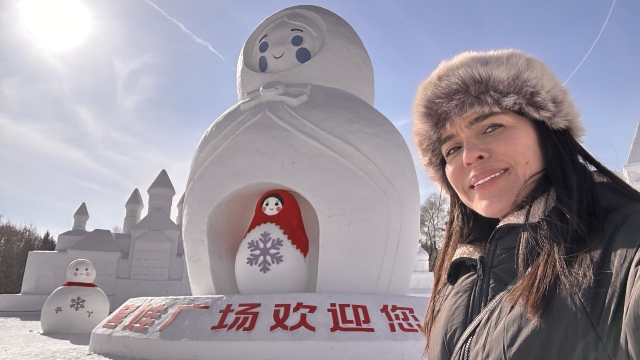
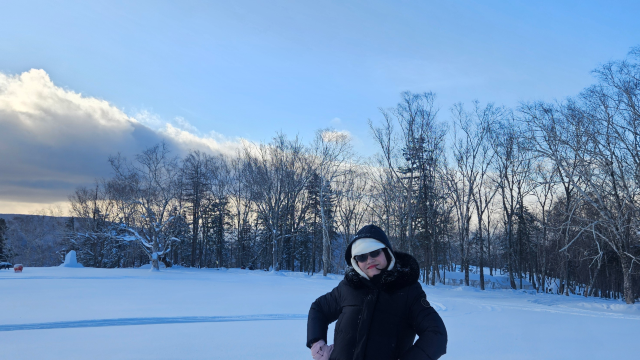
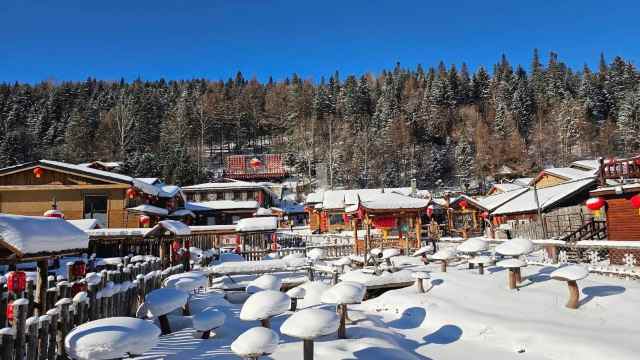
Harbin’s winter lasts from November to February, with average temperatures near –15°C, heavy snow, strong winds, and very dry air. Days are short, so warm clothing, hydration, and moisturizer are important.
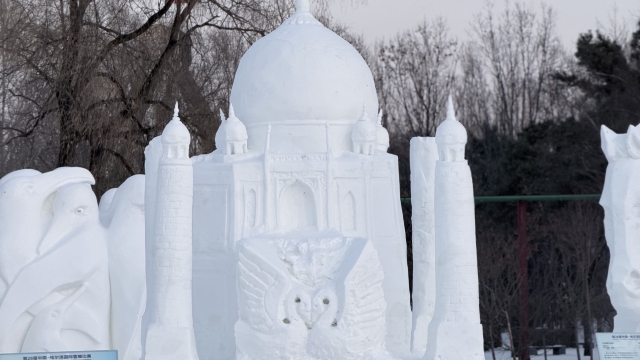
Travelers can enjoy the Ice Sculpture Festival, snowy scenery, and ice sports like skating and hockey, as well as local foods such as Russian-style barbecue. Though cold and dry, Harbin’s winter offers a unique and festive experience.
- Average temperature: -10°C to -18°C.
- Recommended attire:
- Upper body: Thermal underwear (close-fitting), a wool sweater or fleece (mid layer), and a waterproof and windproof down jacket (outer layer).
- Bottoms: thermal pants, ski pants, or heavy full-length pants.
- Accessories: Hat, scarf, waterproof insulated gloves, face mask (to protect your face).
- Footwear: Thick, insulated boots; non-slip soles are a must.
- Note: Daylight hours are short and nights are long; make sure you stay warm at all times to avoid frostbite.
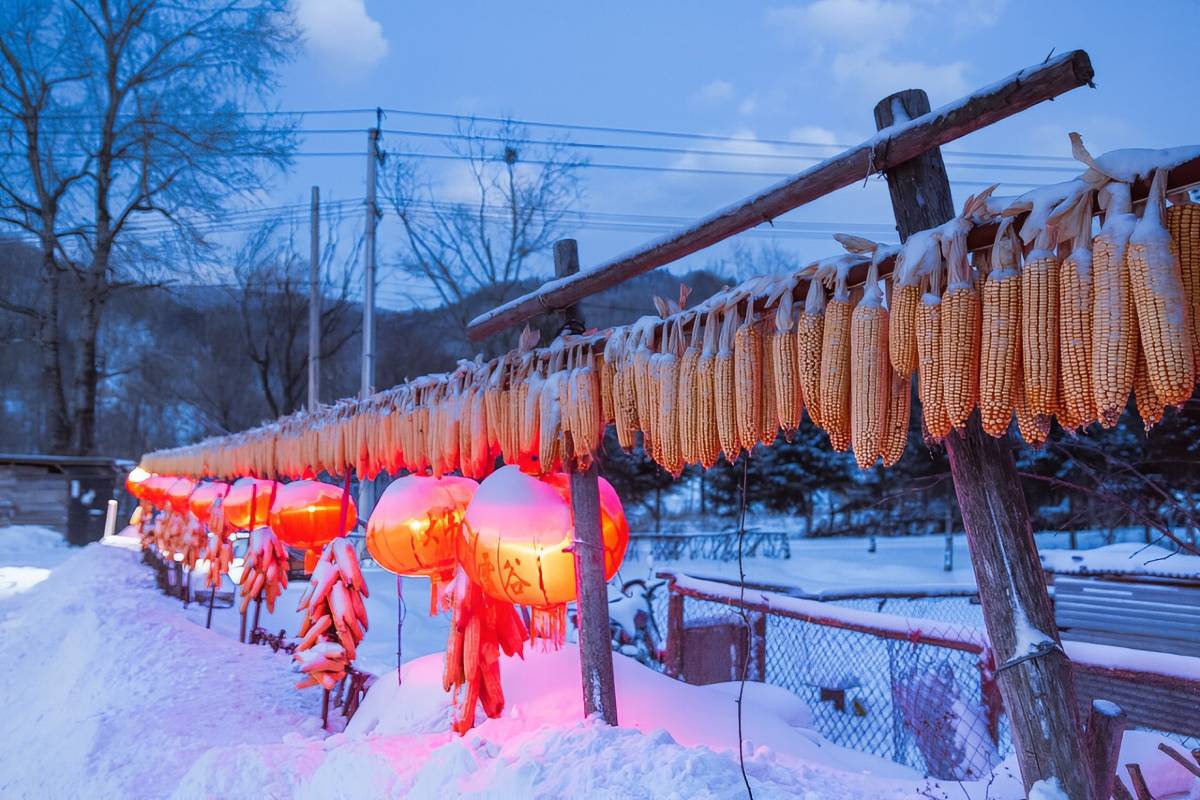
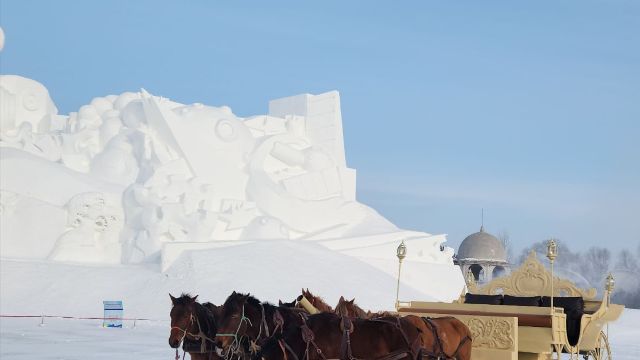
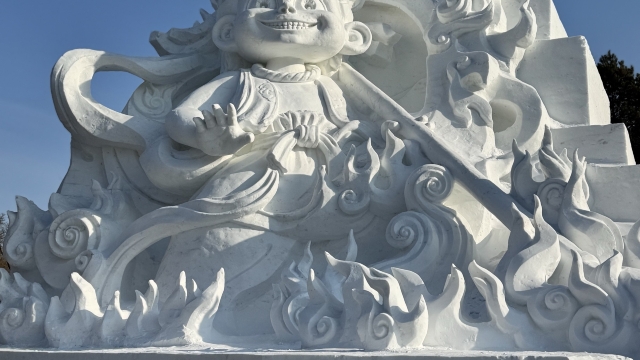
Photo source: Snow Valley



Which Months See the Most Rainfall in Harbin?
In Harbin, the amounts of rainfall and snowfall are extremely unevenly distributed, with summer bringing the peak rainfall.
Harbin City Rainfall Analysis
Data | Notes | |
The month with the most rainfall | July (average 145.6 millimeters) | June through August marks the peak of summer rainfall. |
The month with the least rainfall | December (average 10.6 mm) | In winter, most of the precipitation comes as snow. |
Average annual rainfall | Approximately 711.5 millimeters | / |
Comparison of rainfall in popular cities (Harbin, Mudanjiang, Daqing):
City | July rainfall (millimeters) | December rainfall (mm) |
Harbin City | 145.6 | 10.6 |
Mudanjiang City | 165.7 | 10.2 |
Daqing City | 154.9 | 5.2 |
*According to 2023 data from the China National Meteorological Center, rainfall in the Harbin area from June to August accounts for over 60% of the total annual rainfall.
More recommendations for nearby day trips

What’s the Best Season to Visit Harbin?
Harbin is a city with four distinct seasons, but the best time to visit still depends on your personal travel preferences. Here are the highlights of spring, summer, fall, and winter:
Season | Highlights |
|---|---|
Spring | As temperatures warm, the ice sculpture exhibition has ended, and you can experience hot springs and fruit picking. |
Summer | This is the most popular season—the weather is pleasant, and you can check out events like the Harbin International Beer Festival and the Harbin International Music Festival, and more. |
Fall | The weather is cool, making it the best season to enjoy the fall foliage, and you can also sample a variety of delicious food. |
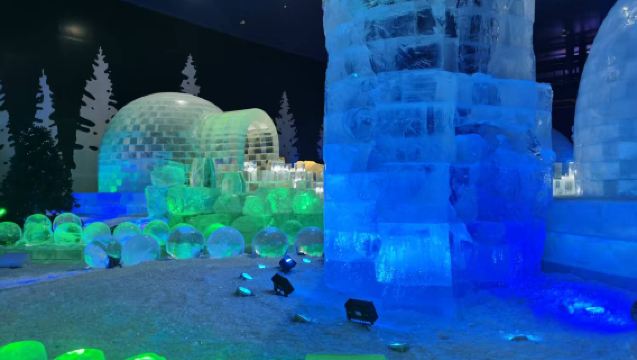
Winter | Harbin is the ice-and-snow capital, and its most iconic winter events are Harbin Ice and Snow World and the Ice Lantern Exhibition. |
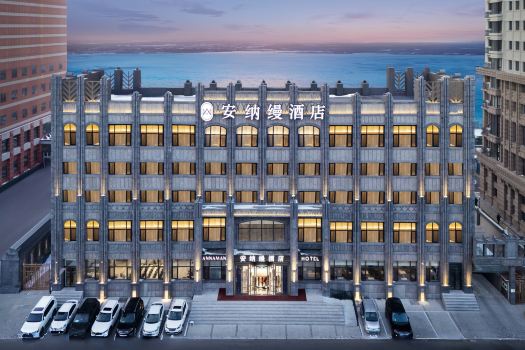
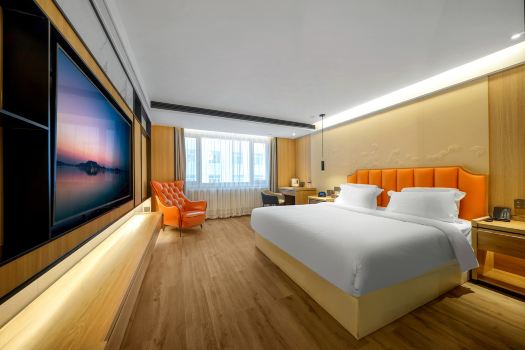
Book Harbin Hotels for 8% OFF on Trip.com

FAQs about Harbin Weather
How cold is Harbin in winter?
Harbin is extremely cold in winter, with average temperatures usually between -15°C and -25°C. In extreme cases, it can drop below -40°C.When is Harbin’s snow season?
Harbin’s snow season usually starts in mid-October and lasts until around the end of March. During this time, the city is covered in thick snow, creating stunning ice and snow scenery.What month does Harbin’s Ice and Snow World usually open each year?
Harbin International Ice and Snow World usually officially opens in late December or early January each year and runs until late February or early March, depending on the weather.Besides the Ice and Snow Festival, what other unique attractions in Harbin are worth visiting?
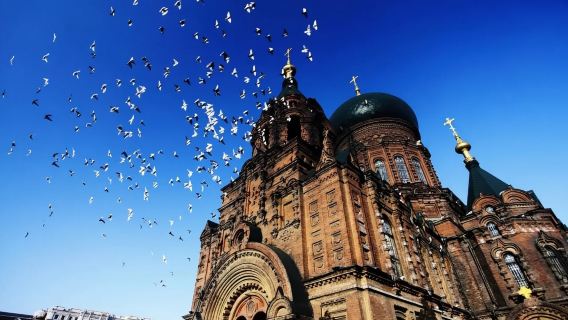
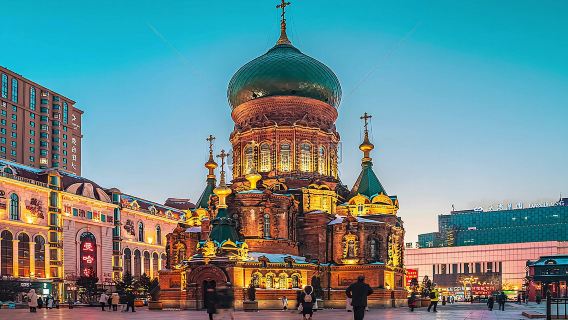
Harbin also has many unique attractions, including Saint Sophia Cathedral (Russian-style architecture), Central Street (a historic pedestrian street), scenic areas along the Songhua River, and summer events like the International Beer Festival.How should you keep your phone and camera warm during winter in Harbin?
Because extreme cold drains battery life quickly, it’s recommended to keep your phone and camera in an inner pocket close to your body. You can also use hand warmers and carry a power bank for emergencies.