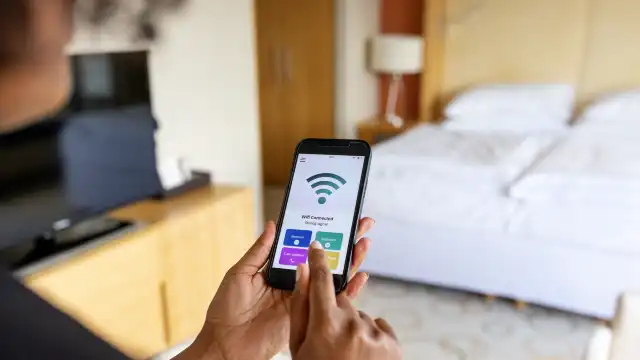
Tianjin Hotels with Wifi
Trip.com Featured Hotels with Wi-Fi in Tianjin
1. Palace Hotel Tianjin Wudadao Xiaobaolou Subway Station Branch
• Offers Carbon monoxide alarm, Conference room, and Laundry service (on-site).
• Guest rating: 9.6/10, based on 1242 reviews.
• Steps from Xiaobailou European Style Street (0.17 km).
• Nightly rates: JPY 2,951 to JPY 81,188
2. UrCove Tianjin Eye
• Offers Cafe, Conference room, and Laundry service (on-site).
• Guest rating: 9.4/10, based on 5638 reviews.
• Just a 0.19 km walk from Jingang Bridge.
• Nightly rates: JPY 3,435 to JPY 60,044
3. Park Hotel (Tianjin Railway Station Italian Style Street)
• Featuring Cafe, Conference room, and Business center.
• Guest rating: 9.7/10, based on 2736 reviews.
• Just a 1.07 km walk from Jin Wan Plaza.
• JPY 3,873-JPY 46,324 / night
All prices shown are for April 2-April 8, as listed on Trip.com.
Pick your dates to find the top hotel with Wifi in Tianjin.
Swipe down to view more
Filter by:
Hotel Star Rating
≤2345
Guest Rating
Amazing 9+Great 8+Good 7+Pleasant 6+Hotels with Free WiFi in Tianjin
Top Tianjin hotels with seamless Wifi for a perfect stay.
Most Booked
Lowest price
Closest to downtown
Highest Rated



99+
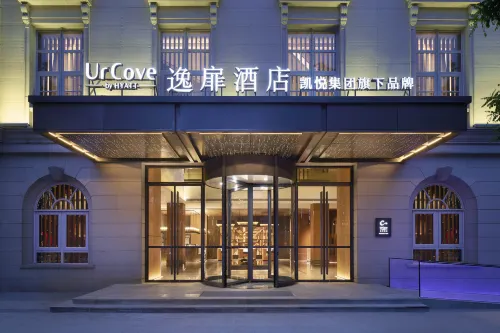
Hotel near Eye of the tianjin area,Tianjin
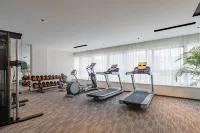
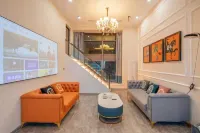
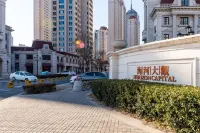
The UrCove Tianjin Eye is a great choice for guests looking for accommodation in Tianjin, having been recently opened in 2023. Traveling to the hotel is easy with Tianjinbei Railway Station located approximately 3km away and Tianjin Binhai International Airport roughly 18km away. Being just minutes away from DONGNANJIAO Metro Station allows guests to explore the city with ease. The nearby area boasts an abundance of attractions including Former Residence of Li Shutong, Jingang Bridge and Double-Decker Open-Top Sightseeing Bus. In their spare time, guests can explore the hotel's surroundings. This Tianjin hotel features parking on site. According to our trusted guests, the facilities at this hotel are first-rate. This hotel is a popular accommodation for guests traveling with families.
"The location is fantastic! It's only about 3 kilometers from Tianjin Station and Tianjin North Station. Right across from the hotel, you can feed the seagulls, explore the old town, the Italian Style Street, and even visit Zhangyuan. At night, when the Tianjin Eye lights up, you can see it perfectly from the hotel.
The service was excellent; they even upgraded the room for my parents and child. My family and I had a wonderful two-day, one-night trip to Tianjin, and everyone, especially the kids and my parents, had a great time.
Also, the hotel breakfast was good. The place is clean and hygienic. We'll definitely be back next time!"
Outstanding
5675 reviews
9.4/10
1 night
From JPY 5,488


99+
Hotel near Binjiang Road/Xiao Bai Lou/Five Avenue Scenic Area,Tianjin
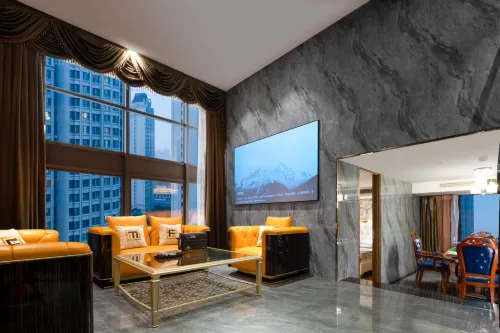
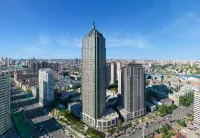
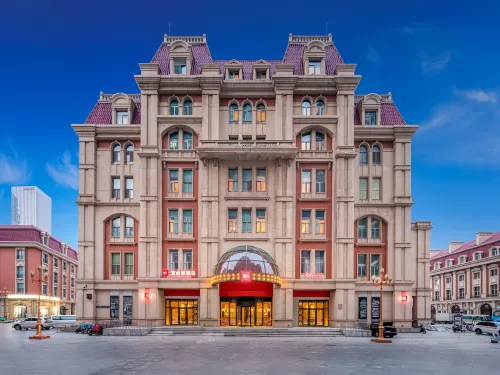
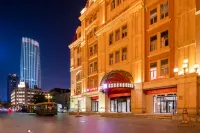
The Tianjin Junlu Hotel Apartment (Haihe Daguan Five Avenue Branch) provides a great place for travelers to relax after a busy day. The Tianjin Junlu Hotel Apartment (Haihe Daguan Five Avenue Branch) offers a pleasant stay in Tianjin for those traveling for business or leisure. With Tianjin Railway Station just 5km away and Tianjin Binhai International Airport only 16km away, transportation is very convenient. The closest major public transportation, Nanlou Metro Station, is only 1km away. The nearby area boasts an abundance of attractions including Tianjinda Theater, Tianjin Xian Crosstalk Teahouse (Headquarters) and SoulSense Live. At the end of a busy day, travelers can unwind and relax in the hotel or go out and enjoy the city. Guests of this Tianjin hotel can make use of the parking facilities. When it comes to Tianjin hotels, the Tianjin Junlu Hotel Apartment (Haihe Daguan Five Avenue Branch) is highly regarded for its excellent facilities. This hotel is particularly popular with those traveling with friends.
"An incredibly comfortable stay that exceeded all expectations, definitely worth revisiting countless times!
This hotel completely surpassed my expectations for this trip. From the moment I stepped into the lobby, I felt a strong sense of sincerity. The simple yet grand decor, coupled with soft lighting and a refreshing, non-overpowering fragrance, immediately caught my attention. The public areas were adorned with well-placed greenery, and the waiting area chairs were soft and comfortable, instantly relieving travel fatigue. The front desk service was efficient and professional; check-in was completed in just 3 minutes, and they provided a detailed introduction to the hotel facilities and nearby attractions, which was both thoughtful and thorough.
The room experience was an even greater surprise. It was spacious, bright, and well-designed; the 35 sqm felt anything but cramped. The bedding was of excellent quality, the mattress was perfectly firm yet soft, and the adjustable pillows ensured a sound night's sleep. The double-glazed windows provided superb sound insulation, keeping the room quiet and free from noise, and the blackout curtains completely shut out any external disturbances. The bathroom featured perfect wet-dry separation, the branded toiletries had a pleasant scent, hot water was plentiful and stable, and the powerful hairdryer made drying my hair quick and smooth. The room cleaning was impeccable – not a speck of dust in the corners, no water stains in the bathroom, and the cups were high-temperature sterilized, making for a truly reassuring stay.
The hotel's amenities were also comprehensive. High-speed WiFi was available throughout, with no buffering for streaming or working. The gym equipment was well-maintained, and there were separate shower rooms available after a workout. Breakfast offered over 50 choices of Chinese and Western dishes, with fresh and authentic ingredients ranging from freshly baked bread to hot stir-fries. The staff were also prompt in replenishing food and their service was warm and attentive.
My entire stay was incredibly satisfying. Whether it was the hygiene, service quality, or facilities, everything demonstrated a super high standard. The value for money far exceeded other hotels in the same price range. I will definitely choose this hotel again next time I visit and have already recommended it to my friends. It's genuinely worth recommending!"
Very Good
981 reviews
9.2/10
1 night
From JPY 2,121



55
Hotel near Tianjin Railway Station/Ancient Culture Street/Italy Customs Area,Tianjin
The Ibis Hotel (Tianjin Railway Station Jinwan Plaza) is an ideal spot for travelers wanting to discover the city. Visitors to Tianjin will find that the Ibis Hotel (Tianjin Railway Station Jinwan Plaza) is a fantastic accommodation choice. Boasting a convenient location, the hotel is just 800m from Tianjin Railway Station and 17km from Tianjin Binhai International Airport. In addition, Jinwanguangchang Metro Station is just a short walk away. With multiple attractions nearby including Tianjin No.1 Vintage Tram, Xi Kai Cathedral and Binjiang Avenue Shopping Street, guests will find plenty to keep themselves occupied. When guests have some time on their hands they can make use of the onsite facilities. This Tianjin hotel features parking on site. According to our guests, this hotel provides a very high level of service. This hotel is particularly popular with those traveling with families.
"I was very satisfied with the room. The hotel is right by a subway station, very close to the Tianjin Eye and Tianjin Station, which made getting around super convenient. Initially, I had a room without a window, but for an extra 100, I was able to get one with a window. They were really accommodating and showed us several rooms until we found one that suited us. It was very clean, which made for a comfortable stay. The only minor issue was that the air conditioning wasn't very warm, so it was a bit chilly when I woke up. Breakfast was also good, I really enjoyed it."
Excellent
2807 reviews
9.6/10
1 night
From JPY 4,058

You Might Like
Tianjin Hotels With BreakfastTianjin Hotels With Twin RoomTianjin Hotels With 1 Double BedTianjin Hotels With Swimming PoolTianjin Hotels With Free Cancellation


99+
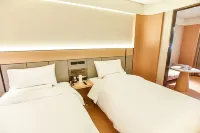
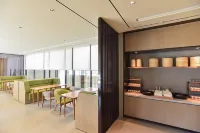
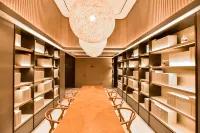
Hotel near Binjiang Road/Xiao Bai Lou/Five Avenue Scenic Area,Tianjin
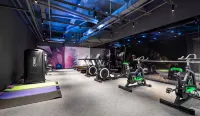
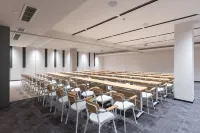
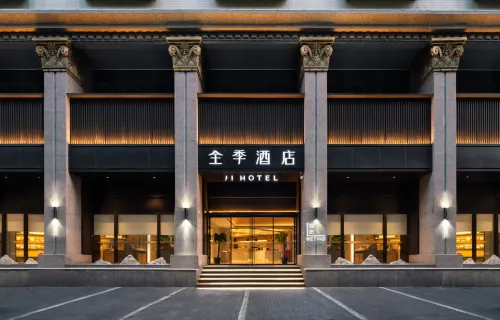
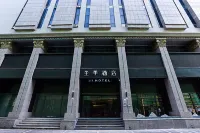
The JI Hotel (Tianjin Binjiang Road Commercial Street) is an ideal spot for travelers wanting to discover the city. Visitors to Tianjin will find that the JI Hotel (Tianjin Binjiang Road Commercial Street) is a fantastic accommodation choice. The hotel is only 2km from Tianjin Railway Station and 17km from Tianjin Binhai International Airport, giving guests a number of convenient transportation options. Just a short walk from HEPINGLU Metro Station, traveling to most city destinations is a breeze. The nearby area boasts an abundance of attractions including Xi Kai Cathedral, Porcelain house and Century Clock Plaza. In their spare time, guests can explore the hotel's surroundings. If you demand a high level of service, our guests have indicated that this hotel has excellent standards. This hotel is particularly popular with those traveling with families.
"🏝 Surrounding Area: The location is pretty good, with lots of snack bars and amenities nearby. However, the hotel only has a few parking spaces right outside, which is really inconvenient for those driving. Parking fees at nearby lots are uncapped, and the hotel management doesn't offer any discounted rates for these. Parking can end up costing 50% of the room rate, which needs improvement.
🧹 Hygiene: Most of the hotel's hygiene is acceptable. There was hair stuck at the bottom of the air diffuser, so some facilities could use an upgrade.
🏠 Hotel Facilities: The overall hardware is quite good, but the soundproofing needs improvement. I was woken up once in the early hours by luggage in the hallway."
Excellent
5146 reviews
9.6/10
1 night
From JPY 5,327




88
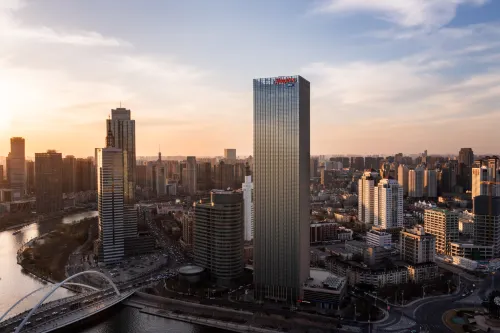
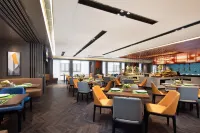
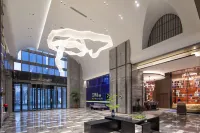
Hotel near Tianjin Railway Station/Ancient Culture Street/Italy Customs Area,Tianjin
The Hampton by Hilton Tianjin Railway Station is one of the newest hotels in Tianjin, having opened in 2023. Traveling to the hotel is easy with Tianjin Railway Station located approximately 900m away and Tianjin Binhai International Airport roughly 18km away. Just a short walk from Jinwanguangchang Metro Station, traveling to most city destinations is a breeze. The nearby area boasts an abundance of attractions including Jingyuan Garden, Zhang Yuan and Commander Zhang's Mansion. When guests have some time on their hands they can make use of the onsite facilities. This Tianjin hotel features parking on site. There's never a dull moment at this hotel, our guests indicate that the facilities are excellent. This hotel is a popular accommodation for guests traveling with families.
"Facilities: As a 4-star hotel, it's generally good. It would be perfect if the gym were a bit larger with more equipment.
Hygiene: Everything was quite clean, and there were no unpleasant odors. The restaurant was also cleaned very promptly during busy periods.
Environment: Within the hotel's control, they've created a nice little atmosphere. Many details were well-executed. The hotel's location also offers a great surrounding environment; you're essentially staying right in a popular tourist spot.
Service: The overall service level was excellent—friendly but not overbearing, and very attentive. I'll definitely come back next time."
Excellent
6879 reviews
9.7/10
1 night
From JPY 8,693

93
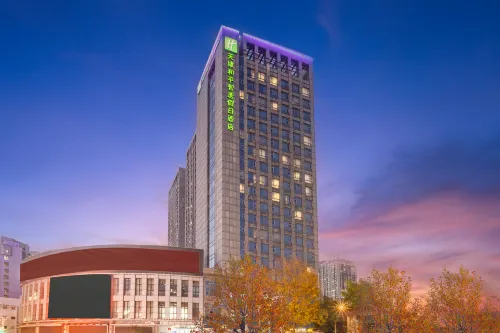
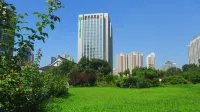
Hotel near Binjiang Road/Xiao Bai Lou/Five Avenue Scenic Area,Tianjin
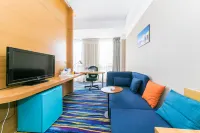
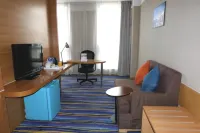
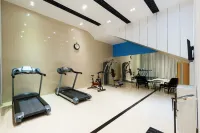
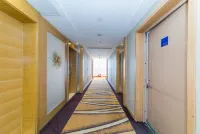
Located in central business district, near some Tianjin attractions such as Jing Garden (the former residence of Pu Yi), Cathedral and Culture Street, the Holiday Inn Express Tianjin Heping (Tianjin Heping Zhixuan Jiari Jiudian) is only ten-minute drive from Tianjin Railway Station. Tianjin Binhai International Airport is 18 km away.Standard amenities are offered in rooms of this Tianjin hotel. Guests can also make use of Wi-Fi in public area. The on-site restaurant serves Chinese cuisine.
"The hotel location is strategically located beside metro station. Very convenient to go all intended travel hotspot.
Hotel staff is very helpful; hotel breakfast serve a good dish for a good day.
Will rebook the same hotel for next traveling.
My family stayed at 21st floor, the Tianjin city view is extremely beautiful and charming. Thanks hotel staff to arrange my two rooms booking at the same level and opposite each other."
Good
2275 reviews
9.1/10
1 night
From JPY 3,943



99+
Hotel near Binjiang Road/Xiao Bai Lou/Five Avenue Scenic Area,Tianjin
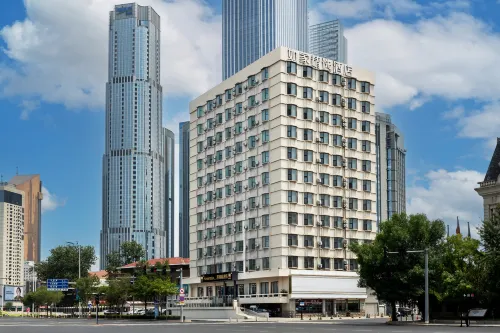
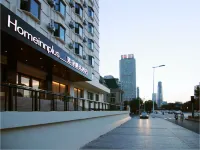
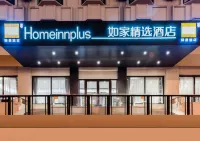
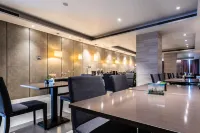
The Homeinn Plus Hotel (Tianjin Five Avenue Nanjing Road Xiaobailou Subway Station) provides a great place for travelers to relax after a busy day. The Homeinn Plus Hotel (Tianjin Five Avenue Nanjing Road Xiaobailou Subway Station) offers a pleasant stay in Tianjin for those traveling for business or leisure. The hotel is only 4km from Tianjin Railway Station and 16km from Tianjin Binhai International Airport, giving guests a number of convenient transportation options. Just a short walk from Xiaobailou Metro Station, traveling to most city destinations is a breeze. With multiple attractions nearby including 5 Avenues, China National Geographic Exploration Center · Tianjin and Binjiang Avenue Shopping Street, guests will find plenty to keep themselves occupied. This hotel makes a great place to kick back and relax after a long day of sightseeing. This Tianjin hotel provides parking on site. If you demand a high level of service, our guests have indicated that this hotel has excellent standards. This hotel is particularly popular with those traveling with friends.
"So nice, absolutely fantastic! The front desk staff was incredibly welcoming and the breakfast was delicious. Definitely my top choice! Plus, the transportation is very convenient, haha."
Outstanding
1350 reviews
9.5/10
1 night
From JPY 3,436



99+
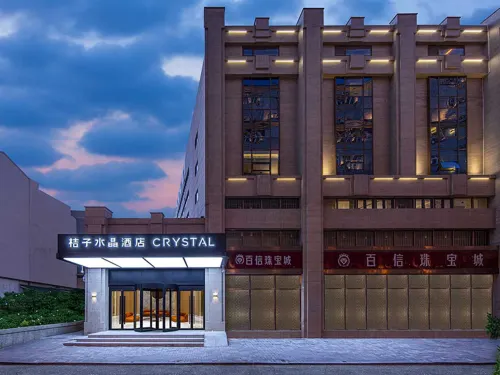
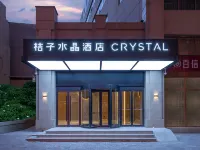
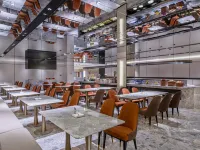
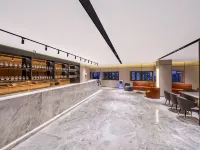
Hotel near Binjiang Road/Xiao Bai Lou/Five Avenue Scenic Area,Tianjin
The Crystal Orange Tianjin Binjiang Road Pedestrian Street is an ideal spot for travelers wanting to discover the city. Visitors to Tianjin will find that the Crystal Orange Tianjin Binjiang Road Pedestrian Street is a fantastic accommodation choice. The hotel is conveniently located just 2km from Tianjin Railway Station and 18km from Tianjin Binhai International Airport. The closest major public transportation, HEPINGLU Metro Station, is only 500m away. There is no shortage of things to see in the area, with the Commander Zhang's Mansion, Reproducing Masters: World Famous Paintings Immersive Art Exhibition and Hai River all nearby. After a long day of sightseeing, guests can retire to the comfort of the hotel. Our guests consider this hotel to have excellent service. For guests traveling with groups of friends, this hotel is consistently one of the most popular choices.
"Orange Crystal hotels are genuinely good. They have a distinctive design, a simple yet artistic vibe, and often clever details. The rooms aren't huge, but they're well-laid-out with new and practical facilities, and the sleep experience often exceeds expectations. The service is efficient with no unnecessary fuss, meeting all needs. The locations are usually convenient, and they offer competitive value for money in their category. Overall, they're a reliable and trustworthy choice with consistent quality."
Excellent
6684 reviews
9.6/10
1 night
From JPY 4,865






75
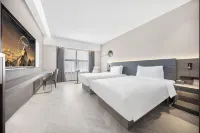
Hotel near Binjiang Road/Xiao Bai Lou/Five Avenue Scenic Area,Tianjin
The hotel is a strategic mid to high end brand under the Hongkun Hotel Group, integrating fashionable design concepts. The hotel offers 132 various guest rooms, as well as a laundry room, gym, and breakfast restaurant. 24-hour free parking lot, complete supporting facilities, all guest rooms are characterized by pursuing fashion, business, environmental protection, and ecology, creating an extraordinary experience, creating a different business hotel accommodation environment for you, and providing 24-hour warm service, allowing you to enjoy an extraordinary accommodation experience and start a wonderful journey.
"I had a wonderful stay at Hotel Palace Tianjin Wudadao in Tianjin. The hotel was very clean and well-maintained. The room was spacious, comfortable, and had plenty of space for luggage.
The view was beautiful, especially during the morning and evening when the natural light came in softly. It created a lovely atmosphere and was perfect for taking photos.
The location is excellent, situated in the charming Wudadao area with peaceful surroundings and beautiful architecture. It’s convenient for walking around and exploring nearby cafés.
Overall, I truly enjoyed my stay and would definitely recommend this hotel to anyone visiting Tianjin.
这次入住体验非常好。
酒店很干净,环境也很安静。
房间很大很舒服,采光很好。
窗外的风景很漂亮,早晚的光线特别柔和,很适合拍照。
位置也很方便,周围有很多可以散步和打卡的地方。
下次来天津还会选择这家酒店,值得推荐"
Excellent
1288 reviews
9.6/10
1 night
From JPY 6,687




74
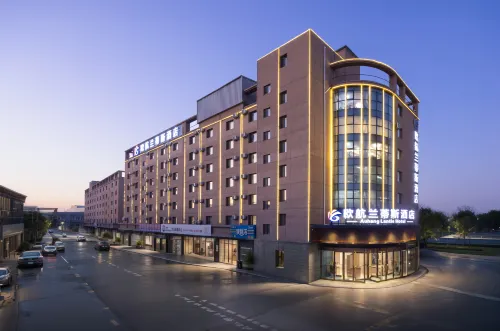
Hotel near Binhai Airport and Airport Economic Zone,Tianjin
The Ouhang Landis Hotel (Tianjin Binhai International Airport) provides a great place for travelers to relax after a busy day. The Ouhang Landis Hotel (Tianjin Binhai International Airport) offers a pleasant stay in Tianjin for those traveling for business or leisure. With Tianjin Binhai International Airport just 6km away and Tianjin Railway Station only 17km away, transportation is very convenient. With multiple attractions nearby including Huaming Museum, Tianjin Huaming Jichuang Museum and Airport Landscape Lake, guests will find plenty to keep themselves occupied. When guests have some time on their hands they can make use of the onsite facilities. Guests of this Tianjin hotel can make use of the parking facilities. If you demand a high level of service, our guests have indicated that this hotel has excellent standards. This hotel is a popular accommodation for guests traveling for business.
"The hotel has send off service to the hotel. There is also a convenient store and several restaurants nearby. However, the staff I met on the day I left the hotel was not helpful. I am not Chinese and had no Chinese phone number but i needed to send some samples to my Chinese provider by delivery express. I had to take an early flight so i was really in hurry to get on the bus so i asked her for help. But she denied to help me which made me really shocked because other hotels were really willing to help me send or book the delivery service like this before. It is very easy for Chinese people to do that. I had no other choice but throwing the samples away because i had to fly back to my country and i could not take it along with me. It is a pity for me when i could not send the sample to the factory. I will not be back to this hotel again.
酒店有接送机场服务,附近有1个方便店和几个餐厅.
但是我非常不满意今天早上前台的态度.我是外国人,也没有中国电话号码所以不能寄快递。我就问前台人员能不能帮忙帮把样品寄给中国供货商,当然费用是我承担的.她居然拒绝帮忙。我很惊讶,以前在别的酒店他们都很愿意帮忙这样的,因为是很简单的事. 同时,我要赶到机场,样品也不能带上飞机,所以没办法就把它们扔了。我一想到就感到遗憾的.不会再订这个酒店了."
Outstanding
3182 reviews
9.4/10
1 night
From JPY 2,813
Latest Reviews for Tianjin Hotels
See all
Read genuine traveler ratings & reviews to find your perfect stay.
9.8/10
Perfect
TTulang2005What satisfied me most about this trip to Yangliuqing Ancient Town was staying in this blue brick courtyard B&B. As soon as I stepped in, the antique atmosphere hit me in the face. The blue bricks and black tiles, carved doors and windows, are full of historical charm, which immediately brought me back to the old times.
There are surprises hidden everywhere inside the room. The bed is soft and comfortable, and the bedding is clean and tidy, allowing me to have a good sleep after a busy day. The interior decoration is simple yet elegant, with a perfect blend of traditional and modern elements. It is fully equipped with air conditioning, smart bathroom and other facilities, allowing guests to enjoy the quaint atmosphere while maintaining the convenience of life.
The public area of the homestay is also very cozy. There are tables and chairs in the courtyard of the quadrangle. In your spare time, you can bask in the sun, drink tea, and feel the peacefulness of time. The boss was very hospitable. He not only helped plan the itinerary, but also shared many local specialties. Every moment in this homestay is extremely comfortable. It is highly recommended to friends who come to Yangliuqing Ancient Town. It will add a different kind of warmth and beauty to your journey.

9.7/10
Excellent
MM371198****🌟 Discovered a hidden gem in Tianjin's Ancient Culture Street! 🌟
I recently stayed at the Orange Crystal Hotel on Tianjin's Ancient Culture Street, and my experience far exceeded expectations – I simply have to recommend it!
📍 Prime Location:
The hotel is right next to Ancient Culture Street, just a few minutes' walk to immerse yourself in Tianjin's historical charm. Ear-hole fried cakes, Clay Figure Zhang, Yangliuqing New Year pictures... attractions are right outside your door! In the evening, you can even stroll along the Haihe River. It's incredibly convenient!
🏨 Stylish Design:
The moment I stepped into the lobby, I was captivated by the exquisite design! Modern aesthetics are blended with Tianjin elements, creating a subtle yet sophisticated vibe. The room was clean and bright, with a well-thought-out layout. And that bed – once you lie down, you won't want to get up. Full marks for sleep quality!
💁 Attentive Service:
The front desk staff had warm smiles and checked me in efficiently. They proactively offered tips for local sightseeing and thoughtfully reminded me about the closing time for Ancient Culture Street. Housekeeping service was prompt and meticulous.
🛌 Comfortable Experience:
The soundproofing was excellent; I couldn't hear any street noise at all. The shower had ample water pressure, and the toiletries were of good quality. My favorite was the leisure chair by the window – sitting there in the evening and enjoying the night view made the whole trip feel like it slowed down.
🍽️ Breakfast Surprise:
I expected a typical breakfast for a fast-service hotel, but here, the variety was extensive! They even offered Tianjin specialties like 'Jianbing Guozi' (fried pancake fruit) and 'Guobacai' (fried dough with gravy), and they tasted very authentic!
Summary:
Whether it's the location, design, or service quality, this Orange Crystal Hotel deserves high marks! If you're looking for a stylish and convenient hotel for your trip to Tianjin, you can't go wrong with this one. I've already recommended it to friends, and I'll definitely stay here again next time I visit Tianjin!
#TianjinTravel #AncientCultureStreetAccommodation #OrangeCrystalHotel #TianjinHotels
Crystal Orange Tianjin Eye Ancient Culture Street
Hotel near Tianjin Railway Station/Ancient Culture Street/Italy Customs Area, Tianjin 44.1% of visitors choose this area
Price per night from:JPY 7,955
9.6/10
Excellent
GGuest User👌Had a wonderful two night stay at this hotel. Relocated there after a booking mishap caused us to change hotels since the hotel we were staying at in the city became overbooked. We decided to move to this one since it was closer to the airport and we had an early morning flight originating from Binhai (2days after)
👌We had a beautiful room for a family of 3( business room)The room was exceptionally clean and also quite spacious. Facilities are excellent with an on-site laundry room that allows self-service. We didn’t have breakfast since we slept in.
👌Received a very warm welcome from Liu at the front desk, check in was smooth and quick. We had a small issue in the room about noise from upstairs but she resolved it and explained the reason why and apologised for the inconvenience.
👌In the morning, two of us had to return to Beijing for a meeting, the lovely and kind ladies on duty Pang, who spoke English and Wang helped us organise transportation to the airport so we could get the subway train ( there’s a direct subway to Tianjin railway station originating from the airport ) to Beijing. While we waited for the car, they offered us refreshments (tea and water)
👌The driver Wang was so kind and spoke English and helped advise us on the train schedules so we wouldn’t miss the train back since we were returning back from Beijing to Tianjin in the evening to stay the night and leave for our morning flight.
👌They also organised a pick up from the airport when we arrived back to Tianjin late at night to the hotel.
👌The stay was made awesome and comfortable due to the impeccable and excellent service, kindness and eye for detail shown by the staff. 🥳Kudos to Ms Pang, Ms Wang , Mr.Wang and Ms Liu who made our stay even more comfortable. ⭐️⭐️⭐️⭐️⭐️
👌The hotel is near the airport and is suitable for travellers who have flights at Tianjin International airport and want to avoid the commute from the city. There are restaurants downstairs as well if you arrive late and need a meal. Nearby surroundings looks like residential area so works for those looking for a quiet stay ⭐️⭐️⭐️⭐️⭐️⭐️
Country Inn & Suites by Radisson Hotel (Tianjin Konggang Binhai International Airport)
Hotel near Binhai Airport and Airport Economic Zone, Tianjin 8.6% of visitors choose this area
Price per night from:JPY 4,750
9.5/10
Outstanding
GGuest UserThe hotel's location is excellent, making it convenient for both subway access and reaching attractions or dining options. The hotel concierge service was great – they were responsive, enthusiastic, and proactive in answering all our questions. The hotel hardware is a bit old; perhaps most hotels in Tianjin are quite historic. The only real complaint is that the room was very stuffy and dry, with no humidifier. The air conditioning couldn't be adjusted, which was tough on a Southerner's skin. Breakfast was decent as well. Overall, I was satisfied.
The St.Regis Tianjin
Hotel near Tianjin Railway Station/Ancient Culture Street/Italy Customs Area, Tianjin 44.1% of visitors choose this area
Price per night from:JPY 17,617
9.5/10
Outstanding
GGuest UserAwful, terrible and unbelievable! Extremely disappointed with this hotel!
Originally we booked another hotel in the city centre, but after considering that we only had around 18hours for the stay due to our flight connection, we decided to book a hotel nearby the airport. We booked our room that was with the window facing hallway.
When we entered, we were happy about the room's cleanliness and its new interior, although they only offered the basic amenities that were toothbrush and a hair comb. They were good enough for us as we had our own other toilet amenities like ear buds. They also offered two types of tea bags. After checking-in,
we left the room and went out. Then the nightmare started after our return.
First of all, after using the toilet, the toilet could not be flushed and was blocked. In addition, the air conditioning in the room was not giving cold air but rather only giving heat. We had to call to the reception. We understood that it was late in the night, around 1am mid night, so we expected no one would be able to fix the toilet and though we only had a few hours ie 5hrs to be in the room before checking out, reception asked us to change the room. We informed about the air conditioning as well and what we got told was we had to turn on the air conditioning for which we did. The answer was not helpful.
They changed our room to another room which was just right next door to the original one. The air conditioning situation was the same. (Photos were attached, pls note the temperature in the room) As we mentioned earlier, we had to leave hotel by 630am and we didn't bother to ask any question again. Obviously, we could not sleep due to the heat in the room.
Secondly, we left the room and went down for the pick up. Hotel offered free drop off/pick up service to/from the airport and shared with others. We appreciated that service. However, if knowing our pick up service was shared, shouldn't the hotel check in advance if the vehicle had enough space to accommodate all suitcases?? As if the hotel wanted to provide this thoughtful and heartfelt service.
No one asked when we booked the drop off service. The vehicle on that morning was only shared by another guest with his one suitcase. We could not accommodate our four suitcases including 2big and 2small suitcases. Though the driver insisted his vehicle could fit. It took time to arrange the space on that vehicle neither we would get comfortable by sitting in such limited space. We did not want the other guest to wait. We decided to call our own transport which was fine as the cost was often at a good price in China.
Lastly, knowing our departure from the hotel would cost us to miss the breakfast provided by the hotel, when we checked in, we purposely declined to receive the breakfast vouchers. However, the hotel was nice enough to provide a take away bag with breakfast for us when we checked out. But the most hilarious thing was that they only provide One breakfast and the fact that we should entitled TWO breakfast. Once again, if the hotel wanted to provide such a thoughtful and heartfelt service, they would have done the job better rather than just giving and not doing them properly neither in a much detailed efforts.
All of these led us to write our first lifetime negative comment. We hate to do it but we had to express how terrible it was on our first time visit and stay at this hotel in Tianjin.
PLS NOTE: Our room reached 30 Degrees Celsius and the so called Air Conditioning was ON.
Park Inn by Radisson, Tianjin Konggang Binhai International Airport
Hotel near Binhai Airport and Airport Economic Zone, Tianjin 8.6% of visitors choose this area
Price per night from:JPY 5,488
9.4/10
Outstanding
Wwilson1711I have just concluded a delightful stay at the Radisson Hotel Tianjin Aqua City. Coincidentally, Tianjin was blanketed in snow last night—when I looked out the window, snowflakes were fluttering gently like flying flowers, just as described in Han Yu’s poem: “dancing through courtyard trees as if they were blossoms” . The trees along the street were dressed in a pristine silver coat, creating a stunning winter scene that beautifully contrasted with the warm, cozy atmosphere inside the hotel, adding an extra layer of warmth and poetic charm to my stay.
Speaking of warmth, the hotel’s heating system was excellent, maintaining the perfect temperature. On a cold, snowy day, stepping into my room and being enveloped in such comfortable warmth instantly dispelled the winter chill, which was incredibly thoughtful. The room itself was spacious and comfortable, with excellent hardware facilities and a well-designed layout that made me feel exceptionally relaxed. The upgraded larger room, in particular, allowed me to leisurely admire the snow scenery from the window, savoring this peaceful and wonderful moment unique to winter.
Most commendable was the service from Ms. Feng of the Reservation Department. She provided warm and attentive service throughout, and kindly upgraded me to a larger room, allowing me to enjoy the snow scenery from a more comfortable vantage point. This thoughtful gesture significantly enhanced my stay! The breakfast was also a pleasant surprise—it offered excellent value for money with a wide variety of dishes, from traditional Chinese breakfast items to Western options, catering to different taste preferences. After a satisfying meal, looking out at the snow was incredibly enjoyable.
Overall, my stay was absolutely perfect: outside the window was the winter beauty of snowflakes dancing through trees like flying flowers, while inside was a spacious, comfortable space with just the right warmth. Coupled with thoughtful service and delicious breakfast, Radisson Hotel Tianjin Aqua City is definitely a great value choice for travel or business trips to Tianjin. I highly recommend it to everyone!
我刚刚结束了在天津水游城丽筠酒店的愉快入住,恰逢昨夜津城落雪,推窗望去,雪花如韩愈诗中“故穿庭树作飞花”般轻盈飘舞,街道上的树木银装素裹,这番冬日胜景与酒店内的融融暖意形成绝妙对比,更让此次入住体验倍增温馨与诗意。
说到温暖,酒店的暖气真的很给力,热得恰到好处——在雪花纷飞的寒冷天气里,一进房间就被裹入舒适的暖意中,这份贴心感瞬间驱散了冬日的寒意。房间本身也宽敞舒适,硬件条件在线,空间布局合理,让人住得格外放松,尤其是升级后的大房型,更让我能从容地在窗边欣赏雪景,享受这份独属冬日的静谧美好。
最值得点赞的还有预订部小冯的服务,全程热情周到,主动为我升级了面积更大的房型,让我能以更舒适的视角欣赏窗外雪景,这份细致贴心直接拉满了入住体验!早餐也同样给人惊喜,性价比超高的同时,菜品丰富多样,从中式早点到西式餐点应有尽有,满足不同口味需求;吃饱喝足后再去窗边看看雪景,别提多惬意了。
总体来说,这次入住体验堪称完美:窗外是穿树飞花的冬日胜景,屋内是宽敞舒适的空间与恰到好处的温暖,再加上贴心的服务与美味的早餐,天津水游城丽筠酒店绝对是来天津旅行或出差的性价比之选,强烈推荐给大家!
Radisson Hotel Tianjin Aqua City
Hotel near Tianjin west railway station area, Tianjin 13% of visitors choose this area
Price per night from:JPY 8,924
9.4/10
Outstanding
GGuest UserThe Four Seasons Hotel has an excellent location, with Metro Lines 1 and 3 right downstairs, providing easy access to many attractions – truly convenient for exploring the city on foot. Below the hotel, you'll find Joy City and the IFC Mall. Head left out of the lobby, and you'll discover a maze of streets and alleys filled with all sorts of interesting shops. The hotel staff are professional, enthusiastic, and patient. Plus, the people of Tianjin are very welcoming to tourists, often using polite phrases like 'Excuse me' or 'Here you go' and 'Have a good trip,' which are very pleasant to hear. One day, a few of us were discussing how to get to Jinwan Plaza when a Tianjin local lady overheard us, turned around, and came back to tell us exactly how to get there.
Four Seasons Hotel Tianjin
Hotel near Binjiang Road/Xiao Bai Lou/Five Avenue Scenic Area, Tianjin 4.4% of visitors choose this area
Price per night from:JPY 30,668
9.4/10
Outstanding
BbeomgyumadeLast time I stayed here was during the pandemic. This time I'm back in Tianjin and decided to stay here again. The location is excellent and super convenient, right next to Binjiang Road, making it easy to get anywhere. The best part is the high floor, offering great night views, and the room is quite spacious.
Tangla Hotel Tianjin
Hotel near Binjiang Road/Xiao Bai Lou/Five Avenue Scenic Area, Tianjin 4.4% of visitors choose this area
Price per night from:JPY 12,959
9.1/10
Good
GGuest UserI stayed here for one night while driving during the Chinese New Year. The hotel facilities are pretty good, clean and smell-free, and the bed in the standard room is also very big, with a bed of 1.35 meters. The transportation is convenient, just off the highway.
Jinjiang Inn (Tianjin Gangguan Company)
Hotel near Junliangcheng area, Tianjin
Price per night from:JPY 2,744
2.9/10
GGuest UserThe room is clean and tidy, spacious and bright, the whole house is fully equipped, the stay is simple, the customer service is warm and thoughtful, very considerate of the guests, suitable for business travel choice.
Anna Homestay (South Station Tianjin Zhengrong Mansion)
Hotel near Tianjin South Station/Huayuan Technology Industrial Park, Tianjin 4.8% of visitors choose this area
Price per night from:JPY 3,943
Frequently Asked Questions
What are the best hotels with Wi-Fi in Tianjin?
If you are visiting Tianjin for business or tourism, Palace Hotel Tianjin Wudadao Xiaobaolou Subway Station Branch (from JPY 2,951) , UrCove Tianjin Eye (from JPY 3,435) and Hampton by Hilton Tianjin Railway Station (from JPY 11,114) are popular choices.
How much is a hotel with Wi-Fi in Tianjin?
For hotels with Wi-Fi in Tianjin, the average price on weekdays is JPY 9,496, and on weekends (Friday–Saturday) is JPY 10,488.
Which hotels with Wi-Fi in Tianjin are good for families?
Palace Hotel Tianjin Wudadao Xiaobaolou Subway Station Branch (from JPY 2,951), UrCove Tianjin Eye (from JPY 3,435) and Hampton by Hilton Tianjin Railway Station (from JPY 11,114) are popular for family travel. Book from Trip.com and enjoy your time with families!
What available deals for hotels with Wi-Fi in Tianjin?
Trip.com always provides various promotions and discounts for both new and loyal users. You can check the promotions page to figure out what promotions are available for your stay.
Which hotels with Wi-Fi in Tianjin are romantic?
Tianjin has many wonderful hotels with Wi-Fi for couples. If you want to celebrate an anniversary, Pan Pacific Tianjin (from JPY 9,223), Banyan Tree Tianjin Riverside (from JPY 23,035) and The St.Regis Tianjin (from JPY 20,614) can offer you a romantic night.
What are some of the best luxury hotels with Wi-Fi in Tianjin?
There are many luxury hotels with Wi-Fi in Tianjin. Pan Pacific Tianjin (from JPY 9,223), Banyan Tree Tianjin Riverside (from JPY 23,035) and The Westin Tianjin (from JPY 9,223) are very popular.
Tianjin Hotels with Wifi Information
| Total properties | 1481 |
|---|---|
| Number of reviews | 1,400,872 |
| Highest price | JPY 125,646 |
| Lowest price | JPY 4,358 |
| Weekday Avg. Price | JPY 9,496 |
| Weekend Avg. Price | JPY 10,488 |