
Ultimate China Tour Guide: Packages & Best Routes


Planning a trip to China in 2026? You can choose private tours, group tours, or themed trips, and use this guide to choose the best routes, seasons, and travel essentials. Read on!
See all flights

Why Choose a China Tour?
China has a history of over 5,000 years, , and travelers can experience it across the country.
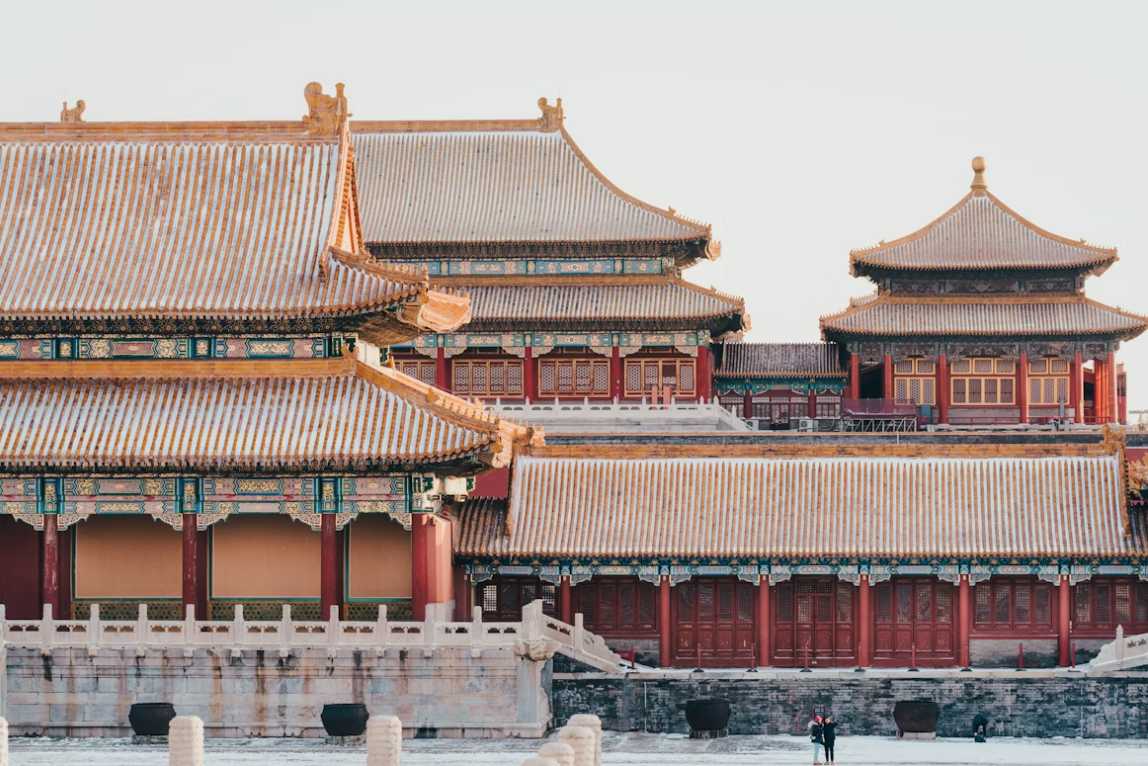
- Ancient Sites: Explore the Terracotta Army from the Qin Dynasty. Walk the Silk Road from the Han era. See the Xi’an City Wall from the early Ming Dynasty. Visit the Forbidden City and the Great Wall built during the Ming and Qing Dynasties.
- UNESCO World Heritage Sites: China has over 50 World Heritage sites. Highlights include the Classical Gardens of Suzhou, the karst landscape of Guilin, the Mogao Caves in Dunhuang, Huangshan Mountain, and historic villages like Hongcun and Xidi.
- Culture: Experience a tea ceremony. Try calligraphy. Visit Buddhist temples. Explore ethnic minority villages. See traditional Beijing courtyard houses.
- Cuisine: Taste Sichuan spicy dishes. Enjoy Cantonese dim sum. Try Muslim-inspired foods. Sample northern Chinese noodles.
Types of China Tour Packages: Choosing the Right China Tour for Your Trip
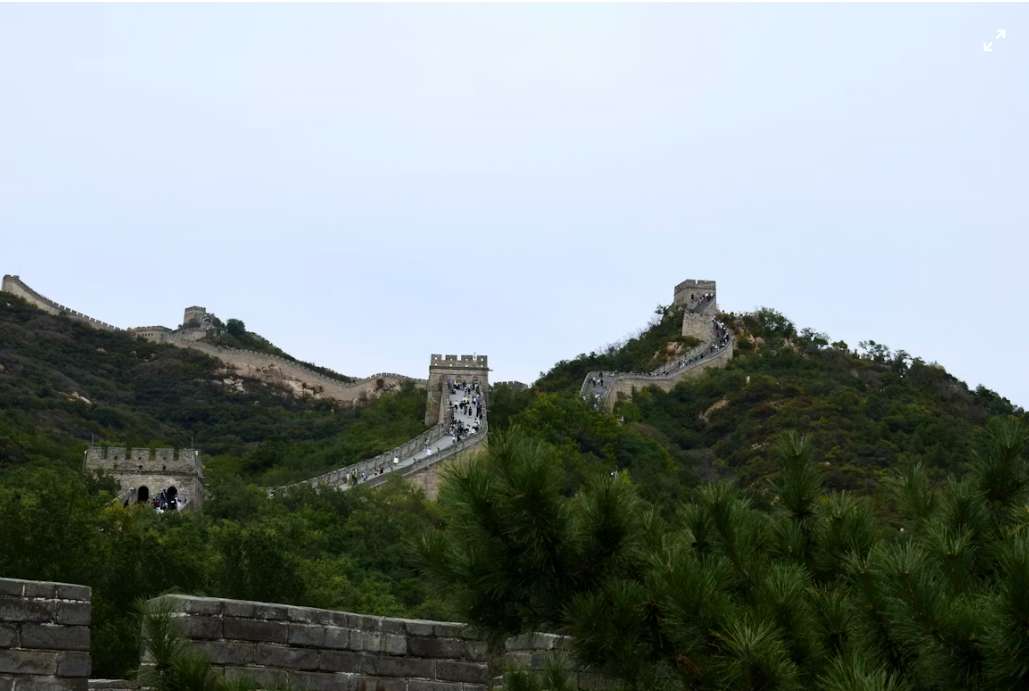
China Tour - Classic Journey
This trip is great for first-time visitors. You'll see famous sights like the Forbidden City and the Great Wall in Beijing. You can also visit the Terracotta Army in Xi'an. In Shanghai, you'll experience its modern, futuristic cityscape.
China Tour - Luxury & Private Tours
If you want an easy and tailored trip, this is for you. You can stay in high-end hotels. These include five-star international chains or unique boutique hotels. You'll have a private guide and driver. You plan everything yourself. Travel comfortably by first-class high-speed rail or domestic flights.
China Tour - Budget & Group Tours
This option is great for saving money while seeing China. You join a group, which helps lower the cost. You'll stay in standard hotels and travel with other people. It's a good way to meet fellow travelers. The tour price covers most big expenses like your hotel, transport, and some meals. It's a smart choice for budget travelers who want to see as much as possible.
China Tour - Thematic & Niche Tours
These tours are for special interests. They don't just follow the usual tourist paths.
- Family Tours: The schedule is relaxed for both kids and adults. It includes fun, hands-on activities. Your guide will be great with families.
- Culinary Culture Tours: This tour is all about local food. You can take cooking classes, visit busy local markets, and eat at neighborhood restaurants.
- Adventure Tours: Perfect if you're full of energy. You could go trekking in Tiger Leaping Gorge. Or drive off-road vehicles on the Qinghai-Tibet Plateau.
Top China Tour Packages & Reviews

Zhangjiajie National Forest Park One-Day Tour [Optional Park Admission + VIP Access on Eco-friendly Bus]
4.9/5
1018 reviewsThe guide, James, was very attentive and made sure everyone understood him and was engaged in the tour. He explained everything about the mountains and the route, and recommended good places to eat. We were a little unlucky with the weather, but the views were beautiful, especially from the lift and the chairlift. Unforgettable.

Jiufen Old Street + Shifen Old Street + Shifen Waterfall 1-day tour [Depart from Taipei | Guaranteed departure]
4.7/5
560 reviewsEasiest, hassle-free, especially a pro well trained tour guide! A big applause to Mdm Zhao, a very patient and cute tour guide! Kudos to her 👍🏻👍🏻
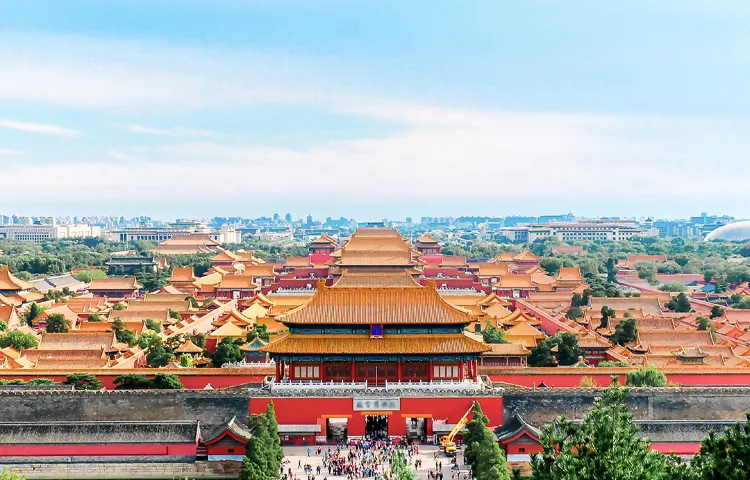
Beijing The Palace Museum 1-day tour [including admission ticket | 3-hr guided tour by expert guide]
4.9/5
343 reviewsThank you, Mr. Zhu, our tour guide. Your explanations were very clear and detailed, and we learned a lot. Mr. Zhu was also very kind. I will definitely consult him again next time I come to Beijing. Highly recommended!
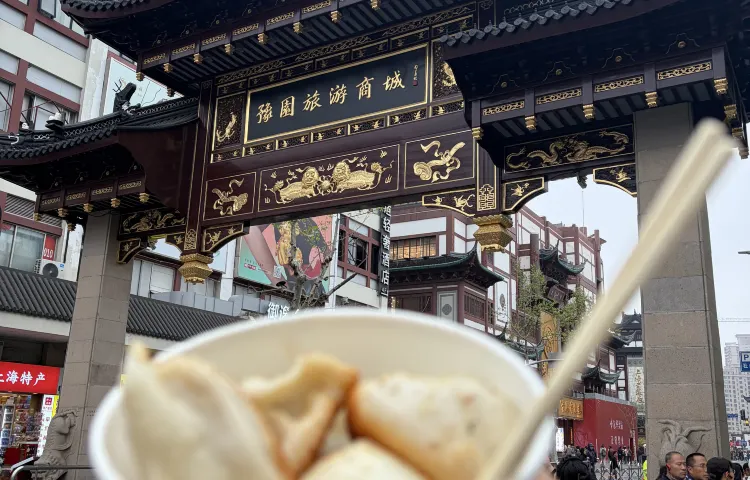
Shanghai Yu Garden + City God Temple traditional culture experience: Confucianism, Buddhism and Taoism cultural exploration with optional Chinese tea
4.8/5
60 reviewsWe had a brilliant tour with Sunniva exploring Yu Garden and the surrounding area. She has a lovely personality for a tour guide and was an expert at guiding us tbrougn such a busy area during heavy rain. We really are glad to have booked this tour to guide us around and explain the cultural significance of things - we highly recommend it to other travellers. The tea experience was an also lovely addition to warm us up at the end of the tour.
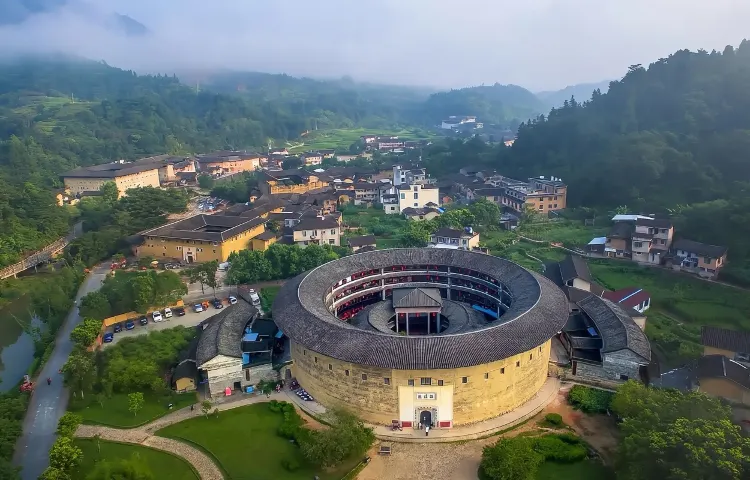
Dual-attraction 8-person small group + Nanjing Yunshuiyao Ancient Town + Yongding Gaobei Tulou King 1-day tour
4.9/5
252 reviewsMr. Yang, vehicle number (8113), was our guide and driver today, responsible for taking us to the Tulou. He reminded us to be careful when getting on and off the bus and not to wander off! He focused on driving and was considerate of those who liked to take photos, giving them enough time to do so.
Best Places to Visit on a China Tour: Top Cities and Scenic Regions to Explore

- Beijing - See the Forbidden City and walk on the Great Wall. You can also explore the traditional hutongs, which are the city's old alleyways. Beijing is China's political and cultural center.
- Shanghai - It's famous for its amazing skyline. You can see it from the Bund. Enjoy the city's modern lifestyle, great shopping, and food. Shanghai is a major global financial hub.
- Xi'an - This is where you can see the Terracotta Army. The city has a rich history and was the eastern end of the ancient Silk Road. You can also walk or bike on its well-preserved city wall.
- Guilin & Yangshuo - Known for its beautiful limestone mountains. A cruise on the Li River is a must-do. It's a great place for cycling, hiking, and other outdoor activities.
- Chengdu - Visit a research base to see giant pandas. This city is also the home of Sichuan cuisine, which is famous for its spicy food like hot pot.
- Zhangjiajie - Famous for its tall, pillar-like mountains that inspired the movie Avatar. There's also a famous glass bridge you can walk on.
- Hangzhou & Suzhou - Hangzhou is known for the beautiful West Lake and its tea fields. Suzhou is famous for its classical gardens and ancient water towns.
- Tibet (Lhasa) - A high-altitude destination with incredible views of the Himalayas. Must-see sites include the Potala Palace and other monasteries. Please note: You need special travel permits to visit Tibet.
Reviews of The Great Wall Beijing
4.8/5
11060 reviews
5/5
Mutianyu Great Wall Guide - Reaching the Top of Watchtower 20 - You Don't Need to Push So Hard
Many people climb Mutianyu specifically for the "Hero's Slope" at Watchtower 20, feeling that "since I'm here, I shouldn't miss the summit." However, once they reach the top and stand at Watchtower 20 looking down, many have a sudden realization: Actually, you don't need to push yourself so hard! This article aims to discuss this "you only understand after you've climbed it" principle, helping those who haven't yet started avoid unnecessary detours.
First, let's clarify what Watchtower 20 actually is. The restored section of the Mutianyu Great Wall stretches from Watchtower 6 to Watchtower 20, a total length of approximately 2.5 kilometers, with access to all twenty watchtowers. Watchtower 20 is the highest point of this restored section, at an altitude of about 540 meters. From Watchtower 14 in the middle section upwards, you'll find what everyone calls the "Hero's Slope"—the first half of the slope is relatively gentle, but it becomes steeper after the middle section, with a significant increase in the elevation difference of the steps, and fewer people climb as you ascend. This slope is the most physically demanding part of the entire Great Wall.
The sense of accomplishment at the summit is real. Standing on the arrow window at No. 20 and looking out, the ridgeline stretches to the horizon, layer upon layer of mountains, the continuous Great Wall, and villages shrunken into tiny dots in the valleys unfold below—that view is truly expansive and worthwhile. The bricks and stones beneath your feet date back to the Northern Qi Dynasty, and were subsequently rebuilt under the supervision of Xu Da and Qi Jiguang during the Ming Dynasty. Standing here, you truly feel like you're "walking on the Ming Dynasty Great Wall."
But "don't push yourself so hard" doesn't mean the view from the summit isn't worth it; it means you're pushing yourself the wrong way. Many people make "reaching the summit" their sole objective, rushing upwards headlong, missing the watchtowers along the way, the scenery, and even conversations with their companions. By the time they reach No. 20, they're so exhausted they just want to sit and catch their breath. The scenery is right in front of them, but they've lost the will to appreciate it. Not to mention the descent—the round trip on Hero's Slope is more tiring than the one-way trip, and for those who are physically exhausted, the descent is often more grueling than the ascent.
Actually, the most comfortable and smartest way to experience Mutianyu is to "walk halfway, then stop." A large part of its appeal lies in the section from number 6 to 14: the slope is the most comfortable, with watchtowers one after another. When tired, you can slip inside to rest and escape the wind, and stand on the crenellations to admire the greenery of the valley—this section, where you "walk slowly and observe carefully," is the essence of the Mutianyu experience. Distributing your energy evenly across each section, instead of putting all your energy into the final summit push, allows you to go further and see more.
So, should you go for the summit? My honest answer is: it's up to you. If you're young, physically fit, and crave the sense of accomplishment of reaching the summit, then the 20th Hero's Slope is worth it; the moment you stand at the top, you'll definitely feel it was worthwhile. However, if you're traveling with elderly relatives or children, or if you're short on time or not physically fit, there's absolutely no need to push yourself too hard—walking to the 14th, or even just leisurely hiking along the route from the 6th to the 14th, is a wonderful Great Wall experience. The Great Wall isn't a mountain to be "conquered," but a path to be "experienced." 🌲
To make your hike more relaxed, you can use the BUSDA (Bus USDA) direct bus to Mutianyu. Save your energy for the mountain trails: Dongsi Station Exit E (Lines 5/6) has buses at 7:30, 8:30, and 9:30; Hepingxiqiao Station Exit B (Line 5) has buses at 8:00, 9:00, and 10:00. The earliest departure time is 9:30, giving you a full five hours on the mountain – enough time to walk and explore at your own pace, even if you want to summit. There's a Mandarin-speaking guide on the bus; ask the guide to buy your cable car tickets on the same bus, allowing you to go directly to the 14th (Climbing Route 14) and skip the most strenuous climb. The round-trip shuttle bus from the scenic area entrance to the climbing wall is included. If your itinerary changes, you can get a full refund if you cancel before 23:59 the day before your trip.
What I discovered while climbing to the top of the 20th tower boils down to one thing: the Great Wall doesn't give you the vanity of "I conquered it," but the peace of mind of "I slowly walked through it." Keep a calm mindset, save your energy, and the 2.5 kilometers and 20 watchtowers of Mutianyu will not disappoint you no matter how you walk it ✨.


4/5
This is a well organised tour with good communication and the plans and options clearly outlined, which made a refreshing change from how I’ve been travelling around China so far 😅 The tour guide Lily was extremely friendly and helpful, and when I came down early from walking the wall she invited me to have tea and play Jianzi with her and her colleague while I waited for the bus back to Beijing. Very sweet! Regarding the experience itself the wall is of course stunning, but I found the number of people visiting and the queues to pass by enclosed sections of the wall somewhat overwhelming and unpleasant. Particularly you do find quite rude impatient people trying to barge through (mostly Europeans I might add), which I found a bit stressful. I’m a tall and relatively young male solo traveller, so I imagine it might be worse still for older people or those with kids, so I would recommend visiting when it’s less busy, if possible. But i can recommend this tour and Lily in particular!

5/5
Easy to use and fast
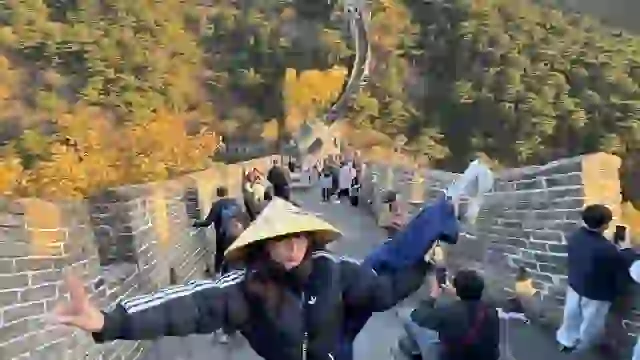

5/5
Great Place, loved it! Come early to avoid the crowds!


5/5
Mutianyu Great Wall Scenic Area Review | Honest Words from Someone Who's Been There Twice
Among the sections of the Great Wall near Beijing, Mutianyu is the most recommended and the most romanticized. Online, it's full of "few crowds, beautiful scenery, and amazing photos everywhere," but the details that truly determine whether your day is good or not—how many steps to climb, what time the crowds start, how to buy tickets, and whether there's food on the mountain—are rarely explained clearly. I went twice, once in the early morning of autumn and once at noon in July. This review will be from a tourist's perspective, laying out the worthwhile and not-so-worthwhile parts.
First, the basics. The section of Mutianyu open to the public is the restored section, stretching from watchtower number six to watchtower number twenty, a total length of about 2.5 kilometers. All twenty watchtowers are accessible, with the highest point being watchtower number twenty, at an altitude of about 540 meters. The biggest difference between this section and Badaling isn't the wall itself, but what lies outside it—this area has high vegetation coverage, and the wall grows out of the entire forest. The crenellations rise and fall along the mountain ridge, creating layers upon layers of green, rather than a gray, rocky mountain with a wall. This advantage is maximized in autumn when the chestnut forests change color and the leaves turn red on the wall.
What impressed me most about this section is its spaciousness. The restoration route is long enough that once you're on the wall, you're stretched out. Walking away from a watchtower for ten minutes often leaves you with only yourself and the sound of the wind. You can stop and slowly examine the arrow slits, brick seams, and wear on the crenellations inside the watchtowers. This kind of freedom from being pushed around by others is a luxury in popular sections of the Great Wall.
History isn't just for show either. The earliest walls here date back to the Northern Qi Dynasty, and were subsequently rebuilt during the Ming Dynasty under the supervision of Xu Da and Qi Jiguang. So, you're standing on the foundations of two dynasties. Mutianyu also retains a rare double-layered city wall – an outer crenellated wall to block enemies, an inner parapet to protect people, and a passageway in the middle for soldiers to rush to reinforcements. Standing in the watchtower and looking out, the valley drops down on both sides simultaneously; that moment is more convincing than any photograph.
Now, let's talk about the downsides, otherwise this post would become an advertisement. First, the scenic area doesn't greet you politely at the entrance: there are about 700 stone steps from the ticket office to the No. 6 watchtower, with varying heights, many curves, and little shade. First-time visitors almost always underestimate this section. Second, 11:00 AM to 2:00 PM is the peak time for tour groups, and the plaza at the foot of the mountain suddenly becomes crowded with people and vendors. To avoid this, arrive early or save the best time for the afternoon. Third, the bricks and stones on the walls are slippery and uneven from being walked on, so your shoes must be non-slip with closed toes; sandals, heels, and sneakers with worn-out soles are not suitable. Fourth, there are no restaurants on the mountain, so bring enough water and snacks; the wind on the ridge is much colder than the city forecast, so don't leave your light jacket in the car 🧥.
The good thing is that the scenic area provides three ways to save your legs 🚡. The cable car is an enclosed cabin that goes directly up to the 14th watchtower, and immediately connects to the Hero's Slope and the path to the 20th watchtower; the gondola is an open chairlift that goes directly to the 6th watchtower, essentially replacing the 700 stone steps with a seated ride; the slide is a stainless steel sled that runs from the 6th watchtower through the forest back to the foot of the mountain, with speed controllable by the user, and is the most memorable part of the day 🛝. My own method was: take the cable car up to the 14th watchtower, walk to the 20th watchtower and then back, then down to the 6th watchtower, and finally finish with the slide—I saw everything I wanted to see, and my knees were still comfortable. If you only want to buy two tickets, the cable car plus toboggan is the most cost-effective option, saving you energy going uphill and providing a memorable experience on the way down.
The facilities are better than most sections of the Great Wall, but don't judge it by city standards. There's a shuttle bus from the scenic area entrance to the climbing gate, included in the ticket, saving you a stretch of uninteresting uphill road. There are restrooms and a few simple restaurants at the foot of the mountain, and you can also store your luggage. Once you're on the wall, there's nothing left, so be prepared.
Transportation is the most likely part of a trip to break down for independent travelers. Mutianyu is located in the Huairou mountain area, about 70 kilometers from the city center, a 1.5-hour drive. The bus route requires two transfers before the shuttle bus. For a hassle-free option, you can take the BUSDA (Bus Depot to Mutianyu) direct bus 🚌. Mandarin commentary is available on board. Buses depart from Exit E of Dongsi Station (Lines 5/6) at 7:30, 8:30, and 9:30, while those from Exit B of Hepingxiqiao Station (Line 5) depart at 8:00, 9:00, and 10:00. The earliest arrival time is 9:30, allowing for a full five hours on the mountain. The round-trip shuttle bus from the scenic area entrance to the climbing gate is included. Tickets for the cable car, ropeway, and toboggan run can be purchased by the guide on board; no need to queue at the window. If your itinerary changes, a full refund is available if you cancel before 23:59 the day before your trip. If you happen to be there during the 15:30 night tour (limited to summer vacation and Spring Festival), you can even visit the Great Wall after sunset 🌇.
So the conclusion is: Mutianyu is worth visiting, and truly worth it, not just in the sense of being "a little better than Badaling"—provided you want to "walk a section of the Great Wall," not just "take a picture of it." It's not suitable for people with only two hours, those who can't climb hundreds of steps, or those expecting a deserted summer afternoon. Set off early, take the bus up, slowly walk along the ridge, and slide down—give it a full five hours. This section of the Ming Dynasty Great Wall will leave you with a very peaceful memory. ✨

Best China Tour Destinations by Season: Where to Go in Spring, Summer, Fall, and Winter
Season | Best Places to Visit | Why Go / Highlights | Travel Tips |
Spring (Mar–May) | Beijing · Xi’an · Shanghai · Suzhou · Guilin · Yunnan | Mild weather, blooming parks,Great Wall is comfortable; Guilin/Yangtze scenery at its best. | Bring layers—mornings and nights can be cool. Popular sights can be busy in April–May. |
Summer (Jun–Aug) | Tibet · Xinjiang · Inner Mongolia · Qinghai · Harbin · Zhangjiajie | Best time for high-altitude regions; long daylight hours; Zhangjiajie’s forests look stunning after rain. | Expect heat and humidity in major cities; book highland trips early; prepare for occasional rainfall. |
Fall (Sept–Nov) | Beijing · Jiuzhaigou · Huangshan · Sichuan · Hangzhou · Gansu | China’s most beautiful season—clear skies, colorful foliage, comfortable temps. | Peak season—book hotels and trains in advance. Avoid National Day week (Oct 1–7). |
Winter (Dec–Feb) | Harbin · Hokkaido-style Northeast China · Hainan · Hong Kong · Yunnan · Chengdu | Snow festivals, hot springs, skiing, and tropical escapes. | Great for budget travelers; pack warm gear for the north; warm destinations sell out during holidays. |
When to Go on a China Tour?
China is a year-round destination, but certain months offer better weather, clearer skies, and smoother travel experiences.
High Season (April–May, September–October)
These two periods are widely considered the best time to visit China. Spring and autumn offer pleasant weather with lower humidity.
Cities like Beijing, Shanghai, and Xi'an are ideal for hiking, while regions like Yunnan, Sichuan, and Guilin boast excellent visibility, making them perfect for outdoor activities and photography.
Avoid Major Chinese Holidays
If possible, plan around China’s biggest travel peaks to sidestep heavy crowds, sold-out hotels, and higher prices. The most important dates to avoid include:
- Chinese New Year (late Jan–Feb) – the largest annual migration in the world.
- Labor Day (May 1–5) – short but very busy.
- National Day Golden Week (Oct 1–7) – extremely high domestic travel volume.
Traveling outside these holiday periods means shorter queues at major attractions, easier transportation connections, and a more relaxed pace overall.
Getting Around China on a China Tour
China is a vast country with numerous regions and diverse modes of transportation—but with a little planning, traveling from one city to another is easy.
- High-Speed Trains: Trains are fast, reliable, and comfortable, with multiple classes to suit different budgets. Booking in advance is recommended, especially during peak seasons and holidays.
- Domestic Flights:For longer distances, such as Beijing to Lhasa or Shanghai to Yunnan, domestic flights save time. China has numerous budget airlines, but it’s worth checking baggage rules and booking early for the best fares. Major airports are well connected to city centers by subway, taxi, or airport shuttle.
- Local Transportation:Within cities, metros, buses, taxis, and rideshare apps like DiDi make exploring convenient. Major tourist cities like Shanghai, Beijing, and Guangzhou have modern metro systems that are easy to navigate—even for first-time visitors.
- Private Tours and Drivers:For maximum flexibility, private tours or hiring a driver can be a good option. This is especially useful for remote regions like Tibet or Yunnan, where public transport may be limited, or for small groups looking to optimize sightseeing time.
What to Prepare for a China Tour?
Visa & Entry Tips
China offers a 240-hour visa-free transit for travelers from 55 countries, including the US, UK, Canada, and Brazil. Eligible visitors can stay in certain cities for up to 10 days during a layover without a visa. Make sure to check your eligibility, have onward tickets, and keep travel documents handy for a smooth entry.
Mobile Payments (WeChat Pay / Alipay for Foreigners)
China is largely cashless, with mobile payments widely used even at street stalls. Foreigners can now link international bank cards to WeChat Pay or Alipay, making it much easier to pay for taxis, restaurants, shopping, and attractions without needing large amounts of cash.
SIM Cards & eSIM
International travelers can purchase a local SIM card at airports or official mobile stores, or use eSIM options if their phone supports it.
✅Need internet to use overseas apps (X/ins/YT etc.) in China? I've found the best China eSIM plans at cheap prices - very fast & reliable data!
See all attractions
 687102 booked



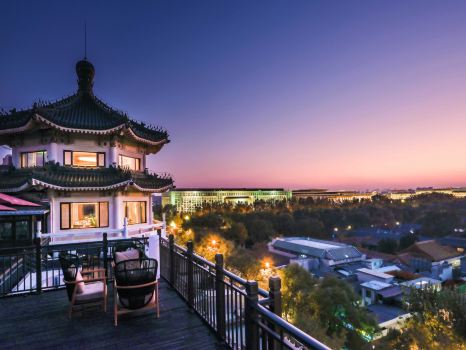
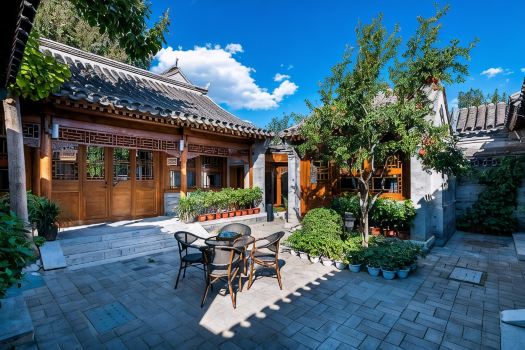
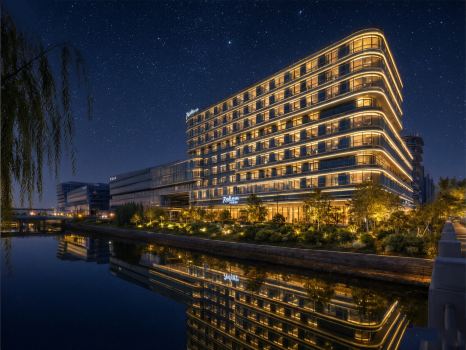
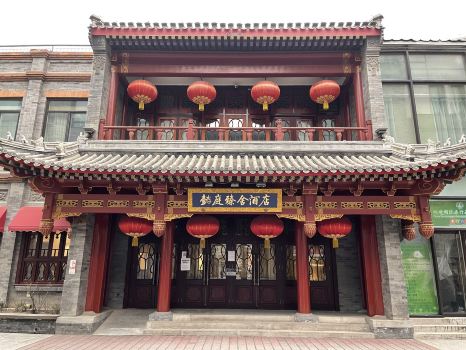
🔥 China Hotel Recommendations
See All Hotels


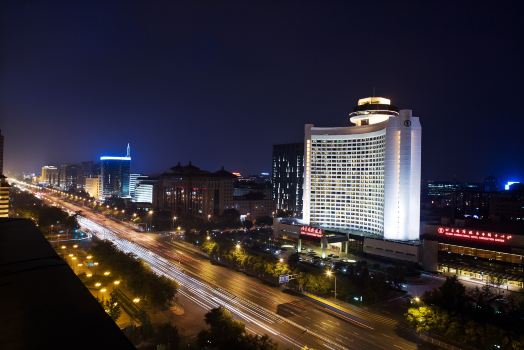

China Entry Requirements & Things to Prepare
- 24/240 China Visa-Free Transit: US citizens can enjoy a 240-hour (10-day) visa-free transit when traveling through 24 Chinese provinces, provided they hold a confirmed onward ticket to a third country or region.
- China Plug & Power: China plug uses Type A/C/F (220V). Bring a Type A/C adapter (US plugs sometimes work, but bring a universal adapter for safety).
- Internet Access in China: You need a China VPN for Google/Ins/YT/X, etc. But you can also use a China eSIM with built-in access to overseas apps!
Getting Around & Top Destinations in China
- China Metro Guides: Shanghai Metro | Beijing Metro | Guangzhou Metro | HK Metro
- China Airport Guides: Shanghai Airport | Beijing Airport | Guangzhou Airport | HK Airport Express
- China City Maps: Beijing Map | Guangzhou Map | Shanghai Map | HK Map
- Top Destinations in China: Shanghai Attractions (Disneyland, Bund) | Beijing Attractions (Forbidden City, Great Wall) | HK Attractions (HK Disneyland)
Must-Have Apps in China
- China Map App: I love to use Gaode Map (English supported) or Baidu Map (limited English) for real-time transit and traffic. Or you can still use Google Maps in China, but some data may be outdated.
- China Transport App: Use DiDi (China's Uber) for English address input and cashless payment. I recommend using the DiDi mini-program in Alipay for more convenience.
- China Payment App: Use Alipay or WeChat Pay (link foreign cards before arrival).
- China Booking App: Trip.com for high-speed trains (China HSR Guide), China hotels/flights. Use Trip.com promo codes for USA users.
FAQ about China Tour
-
What is the best tour to China?
-
How much does an average trip to China cost?
-
What is the cheapest month to go to China?
-
Is 7 days in China enough?
-
Which month is best to visit China?
Disclaimer: This article has been provided by an individual contributor or third party platform. If there is any discrepancy regarding the copyright, please contact us directly and we will delete the content immediately.

Trending Searches
-
Getting around
-
Popular attractions
-
eSIM/SIM card
- SHIBUYA SKY Ticket
- Shanghai Disneyland Tickets
- Universal Studios Hollywood Tickets
- Universal Studios Hollywood Early Entry
- Shanghai Tower Tickets
- Beijing studio minisite
- Sphere Tickets
- Universal Studios Japan Tickets
- georgia aquarium tickets
- Shanghai Disneyland Early Entry
- Universal Studios Singapore
- Guangzhou Attractions
- Great Wall of China
- Zhangjiajie National Forest Park
- Hong Kong Disneyland