Hong Kong Night Markets: Street Food Culture, Shopping & Travel Tips

Hong Kong’s night markets are easy to enjoy but can feel a little overwhelming on a first visit. Crowded lanes, unfamiliar foods, bargaining, limited card acceptance at smaller stalls, language barriers, and figuring out which market is actually worth your time can turn a simple evening into a lot of guesswork. Weather can also change quickly, while some smaller markets are seasonal or do not operate every night.
A little planning solves most of that. This guide breaks down the best markets, what to eat, when to go, how to get there, where to take photos, and the practical etiquette that helps you shop and explore with confidence.
From New York
From San Francisco
From Seattle
See all flights


Hong Kong’s Night Market Culture
Hong Kong’s night markets are more than places to buy souvenirs. They grew from the 大笪地 (Tai Tat Dei) tradition of open air gathering spaces, where working-class residents met after dark for affordable food, entertainment, neighborhood news, and everyday goods.
The tradition dates back to the 1840s and later spread through Kowloon neighborhoods such as Mong Kok, Yau Ma Tei, and Sham Shui Po.
- A tradition with roots in the 1840s: Tai Tat Dei, meaning “large vacant land,” became informal evening gathering grounds for affordable food, storytelling, performers, hawkers, and socializing.
- Entertainment was always part of the scene: Historic night bazaars featured Cantonese opera, jugglers, fortune tellers, and street hawkers, traditions that can still be seen around today’s markets.
- Food is central: Night markets help preserve traditional street foods and older cooking styles that are less common in modern shopping malls.
- Local life after dark: In a city where apartments can be compact, these markets also function as informal community spaces for meeting, eating, and spending time outdoors.
- Traditional culture still has a place: Fortune tellers, palm readers, face readers, kau cim bamboo-stick divination, and street-side opera performers remain part of the night-market atmosphere.
- The markets have evolved: Major markets today lean more heavily toward souvenirs and tourist shopping, but the surrounding food stalls, side streets, and evening energy still offer a window into neighborhood life. Although major markets now focus more on souvenirs and tourist shopping, nearby food stalls, side streets, fortune tellers, and performances still offer a glimpse of everyday Kowloon life.
Best Hong Kong Night Markets to Visit
Hong Kong has several night markets, each with a different focus, from street food and local culture to bargain shopping, jade, electronics, and designer goods. Temple Street is the classic first stop, while Ladies’ Market is better for shopping, and smaller or seasonal markets offer a more specific look at local shopping and culture.
Use the table below to choose a market based on what you want to eat, shop for, or see:
Market Name | Best for… | What you’ll find? | Hours | Nearest MTR |
|---|---|---|---|---|
Temple Street Night Market | First time visitors, food, culture | Street food, souvenirs, fortune tellers, Cantonese opera, neon lit stalls. | 6 PM to 11 PM | Jordan, Exit A, Yau Ma Tei |
Ladies’ Market | Shopping & bargains | Clothing, bags, accessories, toys, phone cases, souvenirs. | 4 PM to 10 PM | Mong Kok, Exit E2 |
Yau Ma Tei Jade Market | Jade, jewelry & traditional shopping | Jade pendants, bangles, pearls, carved figures, seals. | 10 AM to 5 PM | Yau Ma Tei, Exit C |
Apliu Street, Sham Shui Po | Electronics & vintage finds | Audio gear, cables, camera accessories, secondhand tools. | 2 PM to 8 PM | Sham Shui Po, Exit C2 |
PMQ Night Bazaar | Design & local crafts | Artisanal goods, local designers, food, live music. | 5 PM to 10 PM on Event Nights | Sheung Wan, Exit E2 |
Kweilin Street Night Market | Seasonal food stalls | Traditional cooked snacks & local hawker foods. | Season wise | Sham Shui Po area |
Bamboo Theater Night Markets | Traditional culture | Opera, folk crafts, temporary food stalls near temples. | During Festivals only | Varies by event |
Popular Hong Kong e-SIM Options
See all attractions
 7025 booked
![[Hong Kong-Macau Shared Plan] 5GB/12GB | SmarTone | Voice Calling | Pick up at Hong Kong Airport, SmarTone Retail Stores in Hong Kong, and Macao City](https://ak-d.tripcdn.com/images//0583g12000n1bajqx4415_C_568_320.jpg)

![[Hong Kong, China] 5G SIM Card | Daily/Total Data Plans | Airport Pickup Available | TikTok Supported | 1–30 Days Validity | High-Speed Data | Plug & Play](https://ak-d.tripcdn.com/images/0351v12000szy2uanB14B_C_568_320.jpg)
![[Pick Up at Hong Kong Airport] Club Sim 4G SIM with 20GB Local Data & Unlimited Calls](https://ak-d.tripcdn.com/images/0354712000rd9kukjFF60_C_568_320.jpg)
What to Eat Near Hong Kong’s Night Markets?
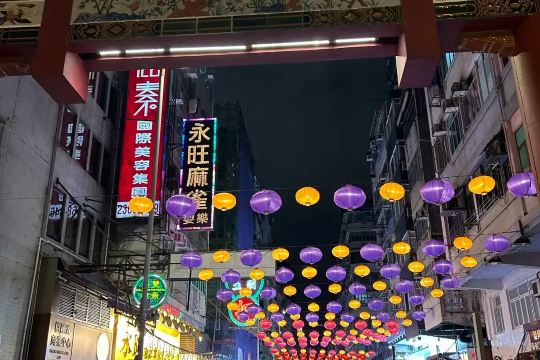
Hong Kong’s night markets are ideal for trying several local dishes in one evening because many snacks come in small portions.
From curry fish balls and egg waffles to rice noodle rolls and stinky tofu, the choices range from savory street snacks to sweet treats, with nearby restaurants available if you want a full dinner.
Food | Description | Flavour & Texture | Vegetarian or vegan? |
|---|---|---|---|
Curry Fish Balls | Fish cakes simmered in yellow curry sauce. | Savory, mildly spicy, aromatic | Not vegetarian. |
Egg Waffles | Crisp bubble shaped waffles with soft centers. | Sweet, eggy, crispy | Vegetarian, not vegan. |
Rice Noodle Rolls | Steamed rolls with sweet, sesame, soy sauces. | Soft, savory sweet, nutty | Can be vegetarian, ask about sauces. |
Stinky Tofu | Deep fried fermented tofu with chili & sweet bean sauce. | Pungent, crispy, creamy | Often vegetarian, confirm cooking oil. |
Pan Fried Stuffed Treasures | Peppers, eggplant, & tofu stuffed with minced carp paste. | Savory, umami rich, tender | Not vegetarian. |
Grilled Sweet corn | Fresh corn grilled at street stalls. | Sweet, smoky | Vegetarian, vegan possible. |
Sweet Potato Balls | Fried sweet potato snacks. | Sweet, soft, crisp outside | Usually vegetarian, confirm ingredients. |
Vegetarian Cheung Fun | Rice noodle rolls with wood ear mushroom & sesame sauce. | Soft, savory, nutty | Vegetarian, can be vegan depending on sauce. |
Steamed Mushroom Buns | Mushroom filled steamed buns. | Soft, savory | Vegetarian |
Plant based Siu Mai | A vegetarian version of the classic dumpling. | Savory, steamed | Vegetarian, verify ingredients. |
Steamed Bean Curd Skin Rolls | Bean curd skin with vegetable filling. | Soft, savory | Vegetarian |
Salt & Pepper Mantis Shrimp | Fried mantis shrimp with garlic & pepper. | Salty, crisp, aromatic | Not vegetarian. |
Claypot Rice | Charcoal cooked rice with preserved sausage & meat. | Savory, smoky, crispy bottom | Not vegetarian in Traditional version. |
Black Bean Clams | Stir fried clams with fermented black beans & garlic. | Savory, garlicky, wok fried | Not vegetarian. |
Explore other Attractions
See all attractions

![Lijiang Yulong Snow Mountain grand cableway + Blue Moon Valley + Impression Lijiang + sunlit golden mountain 1-day tour [guaranteed ticket]](https://ak-d.tripcdn.com/images/0353f12000mv99k2m00B0_C_568_320.jpg)

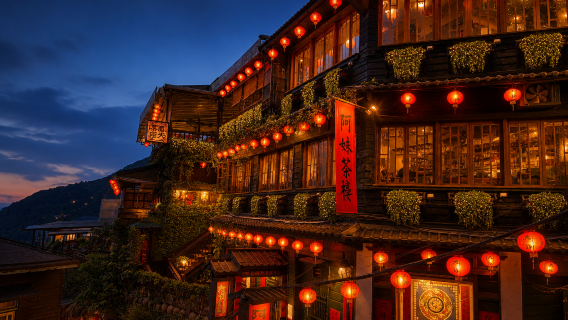
Smart Tips for Eating at Hong Kong Night Markets
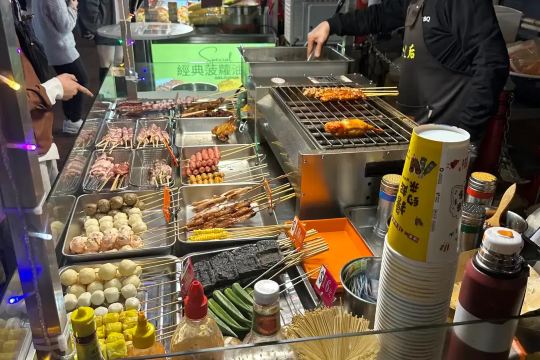
Ordering is easier when you know what to look for, especially if you are trying unfamiliar dishes or following a restricted diet. Look for busy stalls, check ingredients carefully, and know when to ask about prices before ordering.
- Pick busy stalls: Long local queues usually mean faster turnover, freshly prepared food, and high-heat cooking. Also check for clean prep surfaces and food kept hot.
- Ordering is easy: Point to items on display or menu boards and use your fingers to indicate how many portions you want.
- Vegetarian and vegan travelers: Look for vegetarian cheung fun, steamed mushroom buns, plant-based siu mai, bean curd skin rolls, stinky tofu, grilled corn, and sweet potato balls.
- Asking & confirming: If you follow a vegetarian or vegan diet, ask about lard, chicken powder, broth, sauces, and cooking oil. Even dishes that appear meat-free may contain animal-based ingredients.
- Check sauces and toppings: Even dishes that look vegetarian may use non-vegetarian sauces, broth, or cooking oil, so ask before ordering if you follow a strict diet.
- Ordering seafood: Ask for the market price before the seafood is cooked, particularly for live fish or crab sold by weight.
- At sit-down eateries: Wet wipes and tea bowls are commonly provided, and rinsing the eating utensils in hot tea is a customary dining practice.
- Looking for a full Dinner? For a full dinner, look for dai pai dongs and seafood restaurants around Temple Street. Popular dishes include typhoon shelter crab, salt & pepper mantis shrimp, claypot rice, and black bean clams.
Best Photo Spots at Hong Kong’s Night Markets
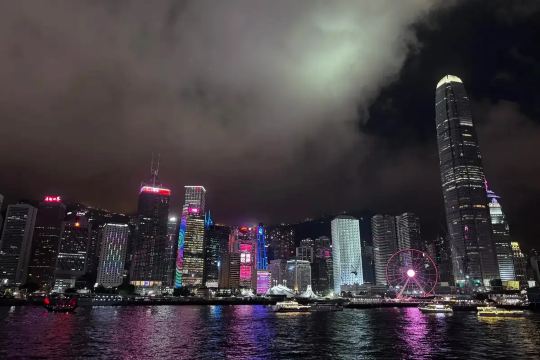
Temple Street combines many neon signs, market stalls, street food, and photogenic cultural scenes in one compact area. Here's a list of best photography spots:
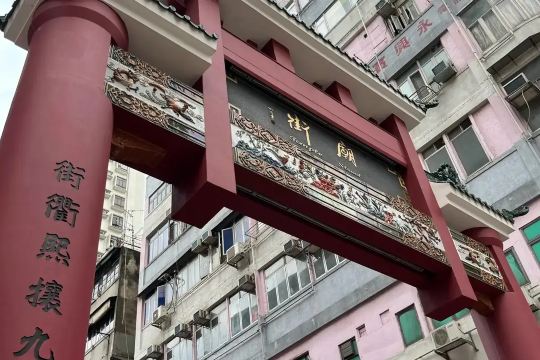
- Temple Street’s Southern Red Archway: Start here to frame the traditional archway with incoming traffic, neon signs, and market activity.
- Yau Ma Tei Multi-Story Car Park: Head to the top deck for an elevated view over Temple Street’s lit up stall canopies. Check access hours before going.
- Nanking Street & Woosung Street: Look down the side alleys for steam rising from wok stations, with neon restaurant and pharmacy signs in the background.
- Ladies’ Market entrances: The Nelson Street and Tung Choi Street intersection gives you a dense view of market stalls beneath Hong Kong’s high-rise apartment buildings.
- Fortune-teller corridor: Near Tin Hau Temple, the covered arcades offer atmospheric shots of fortune tellers, bird cages, tarot cards, and face-reading setups.
- Cantonese opera performances: Informal street performances near the temple can add a strong cultural element to your photos, but give performers space, and avoid using flash.
- Photograph people respectfully: Ask for permission before taking close-up portraits, never photograph inside an active fortune telling consultation, and avoid flash in the markets.
Top Day Tours in Hong Kong
See all attractions

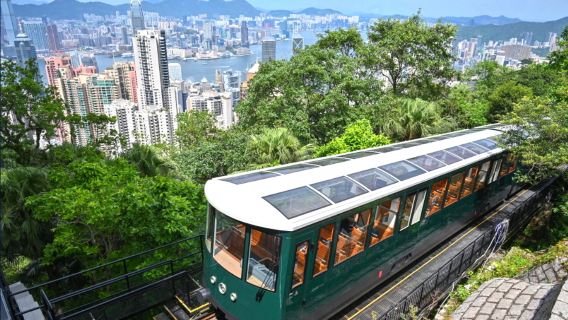


Getting to Hong Kong’s Night Markets
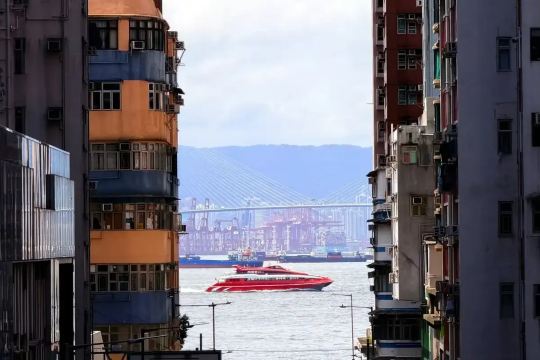
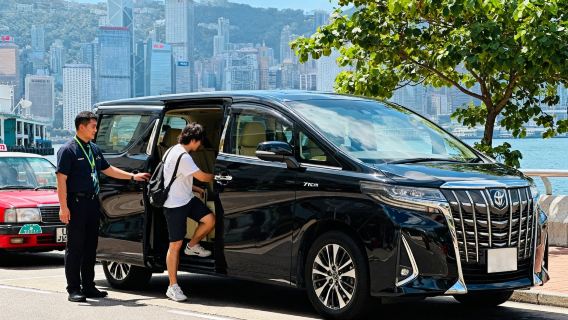
Hong Kong’s MTR makes the main night markets easy to reach, and each major market has a convenient station and exit. Taxis and Uber are useful alternatives if you have heavy shopping bags, are traveling in a group, or are returning late.
Night market | Nearest MTR stop | Walking Route |
|---|---|---|
Temple Street Night Market | Jordan, Exit A | Turn right onto Jordan Road & walk about 3 minutes west to the red archway. Yau Ma Tei, Exit C, is another option. |
Ladies’ Market | Mong Kok, Exit E2 | Walk along Nelson Street for about two blocks, then turn right onto Tung Choi Street. |
Yau Ma Tei Jade Market | Yau Ma Tei, Exit C | Walk south along Nathan Road toward Kansu Street; the covered market is at Kansu Street & Battery Street. |
Apliu Street or Fuk Wa Street | Sham Shui Po, Exit C2/D2 | Follow the signs toward the market streets from the station. |
- Taxi: Red urban taxis are easy to find around Nathan Road and Jordan Road. The base flag-fall fare is HK$29 for the first 2 km. Save the market’s Cantonese street address on your phone for easier communication.
- Uber: Use pickup points on larger roads such as Nathan Road or Kansu Street, rather than trying to meet your driver inside narrow market alleys.
A Hong Kong eSIM with 5G data makes MTR directions, maps, translation apps, and ride-hailing much easier while you’re out at night.
Best Time to Visit Hong Kong’s Night Markets
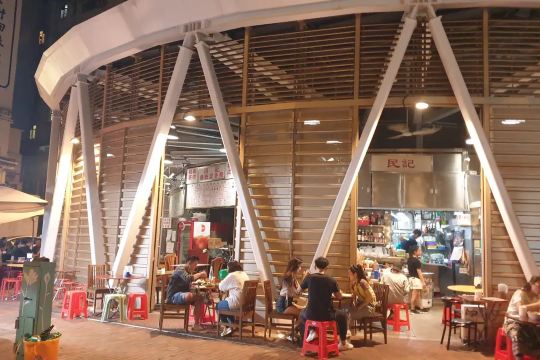
The markets start coming alive in the late afternoon, but 7 PM to 10 PM is the sweet spot for the fullest mix of food stalls, neon lights, shoppers, and street performers. Weekdays are generally easier for browsing and photography, while Friday through Sunday brings bigger crowds and a livelier atmosphere.
Time | What to expect? | Tips |
|---|---|---|
4 to 6 PM | Vendors are still setting up & stalls open gradually. | Quieter browsing; street food may not be fully operating yet. |
7 to 10 PM | Crowded lanes, neon signs, active food stalls, fortune tellers. | Best overall time for the classic night-market atmosphere. |
10:30 to 11:30 PM | Crowds thin & vendors begin packing up. | Quieter visits, food stalls & dai pai dongs often stay open later. |
Monday to Thursday | Lighter crowds & more space in narrow aisles. | Better for photography, relaxed shopping, bargaining. |
Friday to Sunday | Heavier local & tourist traffic, tighter aisles, more activity | Best for a busier, more energetic atmosphere |
October to February | Around 75°F, lower humidity, clearer evenings. | The most comfortable season for walking outdoors. |
May to Sep. | Around 90°F, hot & humid with possible evening rain. | Bring light clothing & have a rain backup. |
Rainy Evenings | Light rain may slow stalls; heavy rain can lead to early closures. | Covered arcades & indoor food spots are better options. |
PMQ Night Bazaar | Periodic nighttime events rather than a nightly market. | Check the event schedule before visiting. |
Kweilin Street Night Market | Seasonal market that appears around specific holidays, especially Lunar New Year. | Visit only when the seasonal market is operating. |
Bamboo Theater Markets | Temporary markets held around traditional deity festivals. | Check local festival dates & locations before planning a visit. |
Essential Tips for Visiting Hong Kong’s Night Markets
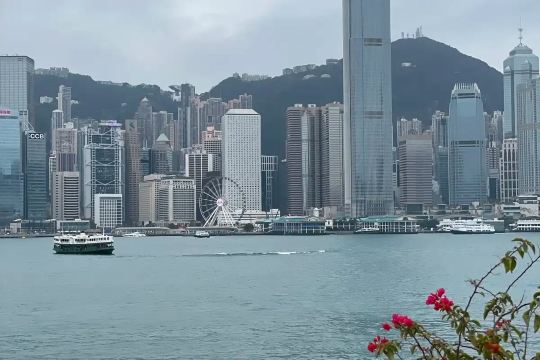
A few practical tips will make shopping and eating at the night markets easier, especially on your first visit. Keep some cash handy, know when bargaining is appropriate, and stay alert in the busiest lanes.
- Carry Hong Kong Dollars: Small vendors, fortune tellers, and older dai pai dongs may prefer cash. Keep HK$20, HK$50, and HK$100 bills handy, as larger HK$500 or HK$1,000 notes can be difficult to use for small purchases.
- Use digital payments where accepted: AlipayHK, WeChat Pay, Tap & Go, and Octopus are widely accepted at many modernized stalls and food areas, but temporary hawkers may still be cash-only.
- Don’t rely on US cards: Visa and Mastercard work at established restaurants, hotels, and stores, but are rarely accepted at temporary street stalls.
- Bargain selectively: Negotiate at Ladies’ Market and unpriced souvenir stalls at Temple Street, not at cooked food stalls, convenience stores, or places with clearly marked prices. A polite counteroffer around 30% to 40% below the opening quote is a reasonable starting point.
- Wear comfortable shoes: Expect plenty of walking through dense pedestrian lanes and between nearby MTR stations and markets.
- Keep valuables secure: Crowded markets call for basic precautions. Keep your phone and wallet in a secure front pocket and keep backpack straps tight.
- Follow the pedestrian flow: Stay to the right side of narrow market alleys so local shoppers can pass more easily.
- Carry sanitizer and wipes: Street stalls may not have convenient public handwashing facilities, so having your own is useful before eating.
- Set a meeting point: In busy evening crowds, agree on a specific MTR exit, archway, or other fixed landmark in case your group gets separated.
- Have a rain plan: During sudden showers, use covered MTR passages or nearby arcades. Heavy rain can cause outdoor stalls to close early.
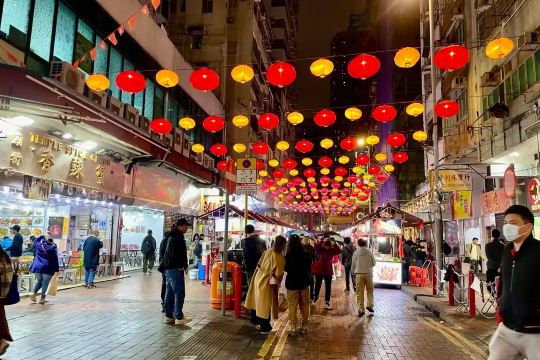
Popular Hotels in Hong Kong
See All Hotels

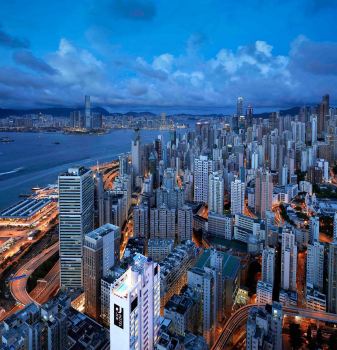
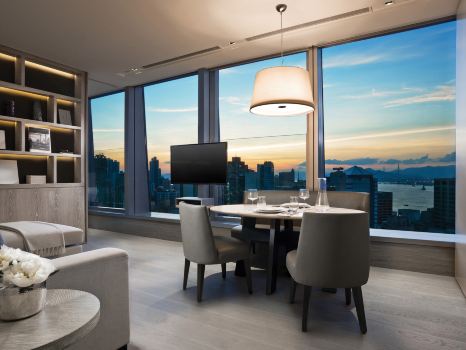
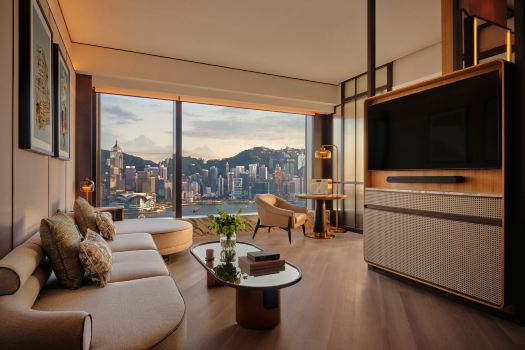
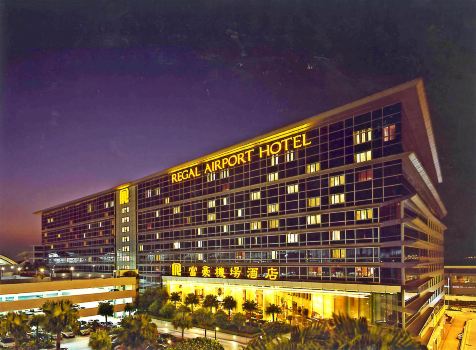
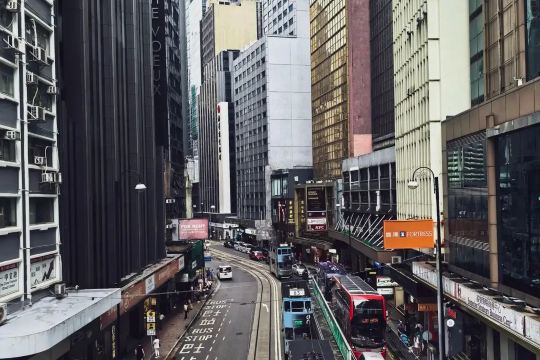
Hong Kong’s night markets offer a glimpse of everyday life in the city, whether you visit Temple Street’s food and street culture, Ladies’ Market’s bargain shopping, or the quieter specialty markets around Kowloon. Visit between 7 PM and 10 PM for the busiest atmosphere, carry some Hong Kong dollars, and leave enough time to explore without rushing from stall to stall.
Choose a market that matches your interests, use the MTR for straightforward access, and leave room for street food, photography, and unexpected finds along the way.
FAQs About Hong Kong's Night Markets and Food Culture
-
What is Hong Kong Market famous for?
-
What is Temple Street Night Market?
-
Where is the best nightlife area in Hong Kong?
-
What is the point of the night market?
-
Does Hong Kong have a night market?
-
What is famous for shopping in Hong Kong?
-
What is cheaper in Hong Kong to buy?
-
Which brand is famous in Hong Kong?
-
Is Temple Street Night Market located in Jordan, Hong Kong?
-
Where to find a ladies night market in Hong Kong?
Disclaimer: This article has been provided by an individual contributor or third party platform. If there is any discrepancy regarding the copyright, please contact us directly and we will delete the content immediately.
Trending Searches
-
Popular flight routes
-
Top-rated stays
-
Getting around
-
Popular attractions
-
eSIM/SIM card
- Return flights from Hangzhou to Hong Kong
- Flights from Bangkok to Hong Kong
- Return flights from Mabalacat to Hong Kong
- Flights from Seoul to Hong Kong
- Cheap flights from Los Angeles to Hong Kong
- Return flights from Taipei to Hong Kong
- Return flights from Shanghai to Hong Kong
- Flights from Beijing to Hong Kong
- Return flights from Chengdu to Hong Kong
- Return flights from Tokyo to Hong Kong
- Cheap flights from Singapore to Hong Kong
- Flights from San Francisco to Hong Kong
- Cheap flights from New York to Hong Kong
- Flights from Manila to Hong Kong
- Return flights from Chongqing to Hong Kong
- Panda Hotel
- Royal Plaza Hotel
- Regal Airport Hotel
- Nina Hotel Tsuen Wan West
- Best Western Plus Tsim Sha Tsui
- Ramada Hong Kong Harbour View
- Regala Skycity Hotel by Regal Hotels
- The Emperor Hotel
- Four Points by Sheraton Hong Kong Tung Chung
- The Kowloon Hotel
- Empire Hotel Hong Kong - Causeway Bay
- Wharney Hotel
- Rambler Oasis Hotel
- The Salisbury YMCA of Hong Kong
- B P International
- Empire Hotel Kowloon-Tsim Sha Tsui
- Hopewell Hotel
- Empire Hotel Hong Kong-Wan Chai
- The Charterhouse Causeway Bay
- Hotel COZi Resort
- SHIBUYA SKY Ticket
- Shanghai Disneyland Tickets
- Universal Studios Hollywood Tickets
- Universal Studios Hollywood Early Entry
- Shanghai Tower Tickets
- Sphere Tickets
- Universal Studios Japan Tickets
- Universal Studios Singapore
- Beijing studio minisite
- Shanghai Disneyland Early Entry
- georgia aquarium tickets
- Great Wall of China
- Edge New York Tickets
- Chengdu Panda
- Hong Kong Disneyland
- China eSIM
- Taiwan eSIM
- eSIM Vietnam
- Italy eSIM
- eSIM Philippines
- Link Tickets to Disney App
- Thailand Plug Type
- China Eastern Free Transit Hotel
- Gaode Map
- Things to Do in Shanghai
- Manila Ocean Park
- The Bund Shanghai
- Universal Studios Hollywood Rides
- Shanghai Disneyland Fast Pass
- Where to Stay in Osaka with Family