Kimono Rental: What to Wear, Where to Go & Booking Tips

By Nancy
August 28, 2026

Renting a kimono is one of the easiest ways to experience a different side of Japan. Instead of simply visiting historic temples, gardens and traditional neighborhoods, you can explore them dressed in one of Japan's most recognizable forms of traditional clothing. Kyoto is a popular choice for walking through Higashiyama and Gion, while Tokyo's Asakusa offers an easy combination of kimono rental, Senso-ji Temple and traditional streets. In summer, a lighter yukata is particularly suited to festivals, fireworks and evening walks. A rental experience usually includes much more than the garment itself. Depending on the shop and package, staff may help you choose your outfit, dress you, arrange your obi and provide footwear and accessories. Some also offer hair styling or photography. Before booking, it helps to understand what you’re actually renting, how kimono should be worn and what to expect during a day of sightseeing.
Flights to Japan
Hotels in Japan
Things To Do In Japan
See all flights

 NO.1
NO.1


![[Official Ticket] JR Tokyo Wide Area Pass 3-Day (Electronic Redemption Voucher)](https://ak-d.tripcdn.com/images//0586012000rry1wiqCBE8_C_568_320.jpg)

![Tokyo Metro 24/48/72-hour travel pass [Physical ticket/e-ticket/Skyliner Tokyo Airport Express/Tokyo Limousine Bus discount package available]](https://ak-d.tripcdn.com/images/0354t12000pj5wys8B52D_C_568_320.png)
What Is a Kimono? History, Meaning & Cultural Significance
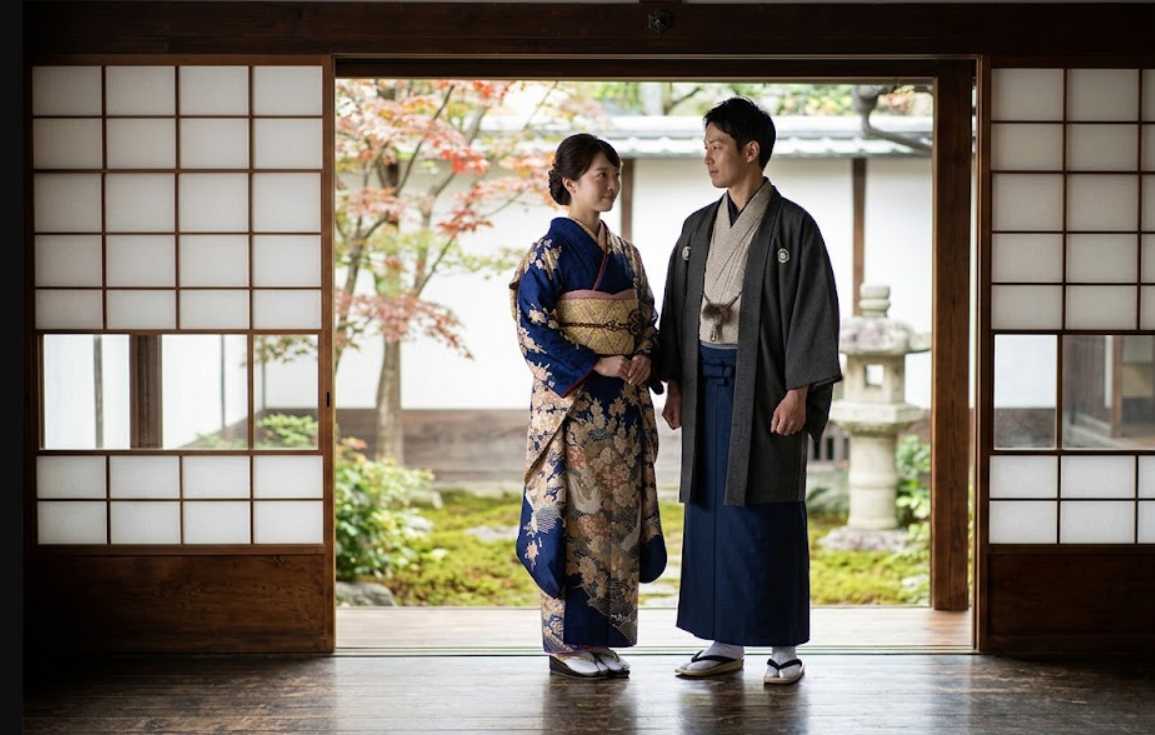
The word kimono literally means "thing to wear." Today, it is used to describe a broad range of traditional Japanese garments with different levels of formality and different uses.
The straight-line construction associated with kimono has roots in earlier Japanese clothing, including the kosode worn during the Heian period (794–1185). As the kosode evolved from an undergarment into outerwear, it gradually became the kimono recognizable today, with its silhouette becoming more established during the Edo period (1603–1867). During this time, advances in weaving, dyeing, and embroidery helped transform kimono into highly decorative garments as well as everyday clothing.
Kimono patterns can carry seasonal and cultural associations. Flowers, birds, plants, and other natural motifs are often used to reflect the time of year, while colors and patterns can also relate to the occasion or the garment's style. Japan's government cultural publication describes kimono as traditional clothing in which seasonal changes have long been expressed through colors and patterns.
Kimonos were once part of everyday life in Japan, but today, they are more commonly associated with ceremonies, celebrations, traditional arts, and other special occasions. For travelers, renting one provides a chance to experience traditional dress without needing to purchase or own a garment.
History of the Kimono: From Everyday Wear to Cultural Art
The kimono has changed considerably over the centuries rather than remaining a single fixed style.
The form familiar to many visitors traces its development to the Heian period, while the silhouette became more distinctive during the Edo period. Textile production also advanced, giving artisans greater scope to experiment with dyeing, weaving and decorative patterns.
Western-style clothing became increasingly common for everyday wear after Japan opened to greater international influence during the Meiji period (1868–1912). Kimono consequently became more closely associated with formal occasions and traditional culture. The history is part of what makes a rental experience interesting and it gives you the opportunity to wear a garment with a long history of Japanese craftsmanship, fashion, and traditions.
Types of Kimonos & Yukatas: The Seasonal and Formal Differences
While you don’t need to know every kimono category before visiting a rental shop, it helps to understand the basic difference between a kimono and a yukata.
Kimono is the broader category and includes garments ranging from relatively casual styles to highly formal clothing. Formal kimonos may involve additional layers, undergarments and more elaborate accessories.
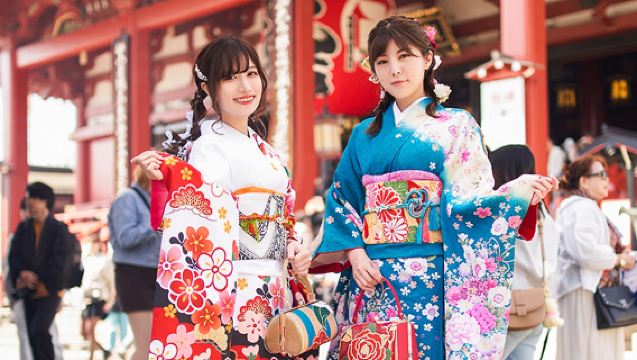
Yukata is a lighter, more casual type of traditional Japanese clothing. It is strongly associated with summer and is commonly worn at festivals, fireworks displays and other warm-weather events. Some rental shops also offer styles such as furisode, recognizable by its long sleeves and traditionally associated with unmarried women and formal occasions. Others may offer hakama, which are pleated garments worn with certain traditional outfits.
For a sightseeing rental, you don’t always need to choose based on the formal classification alone. The shop can recommend an appropriate style based on the season, your plans and the look you want.
Kimono Etiquette: How to Wear a Kimono Correctly
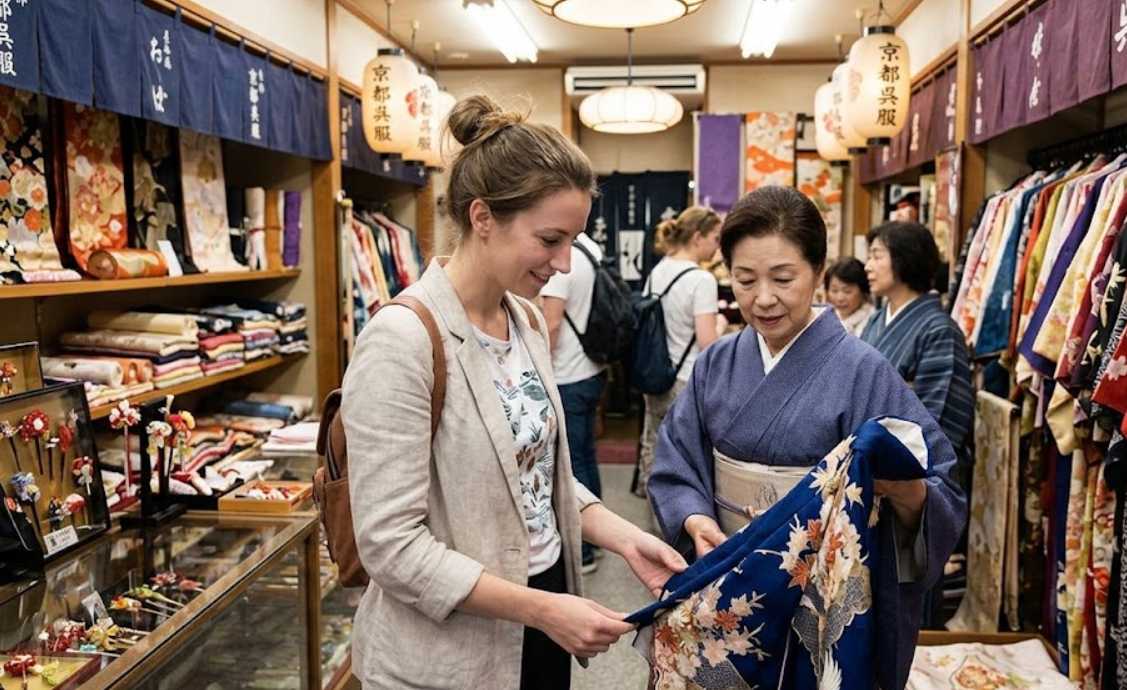
You don’t need previous experience with a kimono. The rental staff at the establishment normally handles the dressing, including the layers, collar, obi, and other elements.
There is, however, one rule every visitor should know before leaving the shop.
The "Left-Over-Right" Collar Rule: Why Left Side First Matters
For a living person, the left side of the kimono crosses over the right side. The same collar direction applies to both kimono and yukata. The reverse arrangement is traditionally associated with dressing the deceased and should not be used for ordinary kimono or yukata wear.
If your collar becomes loose during the day, ask your rental shop or a companion to check it rather than trying to readjust it yourself.
Accessories, Obi Belts, and Footwear: Zori vs. Geta
The kimono is only one part of the outfit. The obi is the sash wrapped around the waist and secured by the rental staff. Depending on the garment and package, you may also wear traditional accessories and tabi, split-toe socks designed for Japanese footwear.
Two types of footwear you may encounter are the zori and the geta.
Zori are flat traditional sandals commonly worn with kimono. Geta are wooden sandals with raised supports underneath and are particularly associated with casual traditional clothing such as yukata.
If you plan to spend several hours walking, tell the rental staff. Historic districts can involve stairs, slopes, cobblestones, and uneven paths, so footwear you can walk comfortably in is more important than choosing the most elaborate option.
Hair Styling and Dressing Assistance
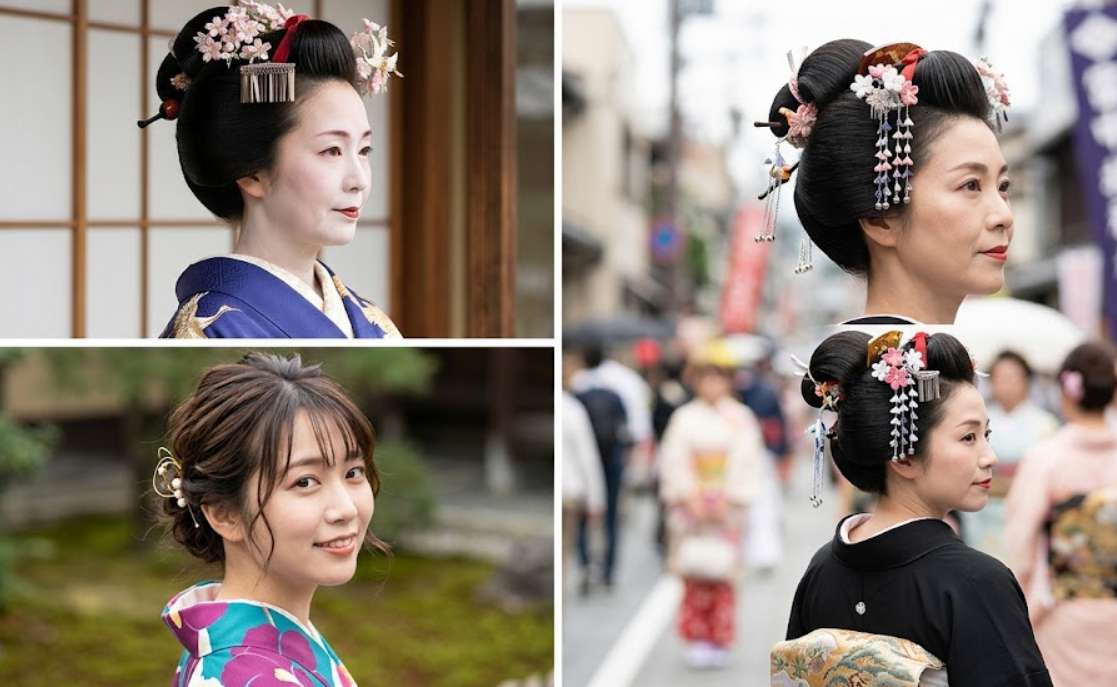
Many rental shops provide professional kimono dressing, while hair styling may be included in certain packages or offered for an additional fee. For women, options may include traditional-inspired updos, decorative hair accessories, and other styling. Some shops also provide makeup or photography packages.
Always check exactly what is included before booking. A low-priced rental may cover the garment and dressing but charge separately for hair styling, premium outfits or photography.
The dressing process also takes time. Rather than arriving immediately before a sightseeing reservation, allow enough time to choose your outfit, get dressed, and have your hair styled if included.
eSIM in Japan
Hotels in Japan
Flights to Japan
See all attractions
Best Places for a Kimono Experience
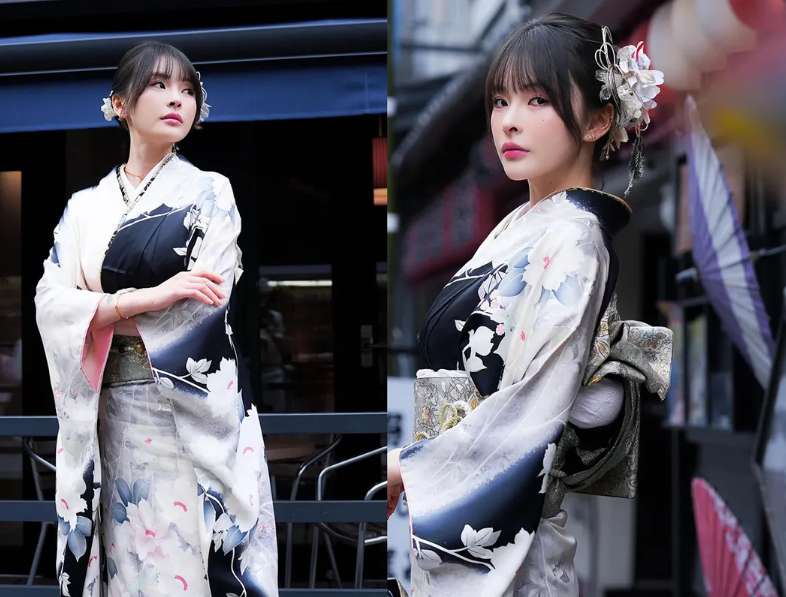
Destination | What makes it a good kimono experience | Best for |
Kiyomizu-dera & Higashiyama, Kyoto | Historic temples, traditional wooden buildings and atmospheric streets such as Ninenzaka and Sannenzaka | First-time visitors and photography |
Gion, Kyoto | Traditional streets, historic architecture and Kyoto's distinctive cultural atmosphere | A classic Kyoto experience |
Arashiyama, Kyoto | Bamboo groves, temples, gardens and riverside scenery | Nature and sightseeing |
Asakusa, Tokyo | Senso-ji, Kaminarimon Gate and Nakamise-dori provide an easy mix of traditional sights and city attractions | First-time Tokyo visitors |
Nara | Historic temple areas, traditional streets and a more relaxed atmosphere than central Kyoto | A quieter cultural experience |
Kanazawa | Historic districts and a strong connection to traditional crafts and culture | Travelers interested in Japanese arts and heritage |
Takayama | Preserved old-town streets and traditional architecture | A less crowded alternative to Kyoto |
How to Rent a Kimono in Japan: Booking & What to Expect
1. Choose Where You Want to Explore
Start with your sightseeing plan rather than the rental shop.
For Kiyomizu-dera and Higashiyama, look for a shop in or around that district. For Senso-ji, choose a rental in Asakusa. This makes the day easier, particularly if you plan to walk for several hours.
2. Compare the Rental Packages
Rental packages can vary considerably. Check whether your chosen package includes:
- Kimono or yukata
- Professional dressing
- Obi and accessories
- Tabi socks
- Traditional footwear
- Hair styling
- Makeup
- Luggage storage
- Photography
- Same-day or next-day return
You can’t compare shops using the advertised price alone. This is mainly because the base rate advertised excludes any additional services like hair and makeup. It helps to check the complete package and any additional charges before booking.
3. Book Online or Through a Local Shop
Online booking can be useful during weekends, holidays, cherry blossom season, autumn foliage season and major festivals, when popular rental times may fill up. Walk-ins can be available at some shops, but availability is not guaranteed.
4. Arrive Prepared
Wear comfortable clothing underneath the kimono and avoid bringing unnecessary valuables. If you are visiting in summer, remember that even lightweight traditional clothing can feel warm in humid weather. In cooler months, ask the rental shop what layers are suitable to wear underneath. If you have a large suitcase, confirm the shop's luggage-storage policy before arrival rather than assuming storage is included.
5. Choose Your Outfit and Get Dressed
At the shop, you will normally select your garment before staff help you put it on. The dresser will arrange the layers, collar and obi, then fit your footwear and accessories. If hair styling is included, this may happen before or after dressing depending on the shop.
This is also a good time to mention how much walking you expect to do.
6. Explore Without Rushing
Once dressed, plan a manageable route. A full day of sightseeing in a kimono can be tiring, particularly if you’re not used to traditional footwear. Take care on stairs, slopes and uneven streets, and avoid carrying a bulky backpack that could interfere with the obi or garment.
If you’re mainly interested in photographs, you don’t need to plan an extremely long walking route. A smaller area with several scenic locations can make for a more enjoyable experience.
7. Return the Kimono on Time
Check the return deadline before leaving the shop. Return policies vary. Some rentals require same-day returns, while others offer later or next-day return options depending on the package. Check with the company rather than assume you can keep the kimono until the evening.
If you’re booking a restaurant, show or other timed activity after your rental, allow enough time to return the outfit first.


Universal Studios Japan
4.7/5
13001 reviewsWe were so impressed! We spent the whole day at the park and didn't regret it. Everything was so cool, so beautiful, and it felt like you were transported to different worlds (Harry Potter, Hollywood, Jurassic World, etc.). We were especially impressed with the organization of the lines and the people: despite the huge crowds in the park, which increased significantly after 2-3 pm, there was no sense of crowding at all. However, for many popular attractions, the wait in line reached up to 2 hours, so it's best to purchase express passes if you want to ride most of the rides. We went during Halloween season and enjoyed some of the scary rides. They don't take long, but the level of detail and acting is top-notch! And after 6 pm, zombies start wandering the park, while a zombie invasion warning plays over the speakers in the background! Totally immersive Halloween fun!

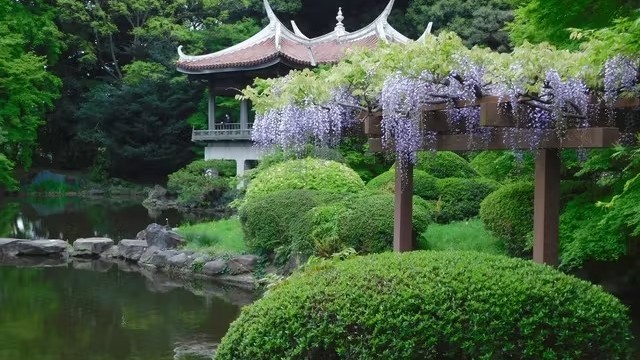
Shinjuku Gyoen National Garden
4.8/5
3642 reviewsIt's a very beautiful and well-kept park, and it's clear that it's well-maintained: the lawns are trimmed, the trees are well-groomed, there are paths everywhere, signs, and plaques with descriptions of the plants.
Can You Rent a Kimono Without Booking?
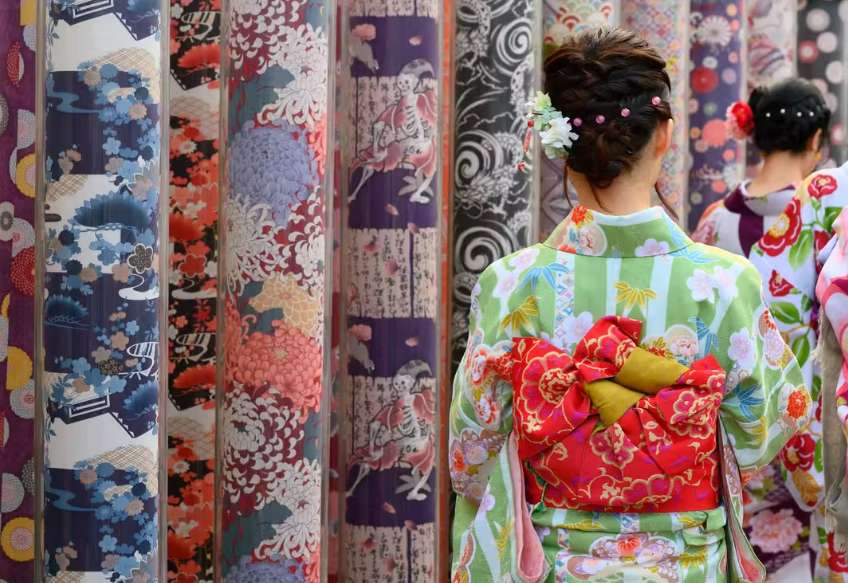
Sometimes, yes. Some rental shops accept walk-in customers, and some advertise same-day availability. However, this depends on the shop, date, and available inventory.
If you have a particular style, hair package or preferred time in mind, booking ahead is the safer option. This is important during peak sightseeing seasons and weekends.
When Is the Best Time to Rent a Kimono in Japan?
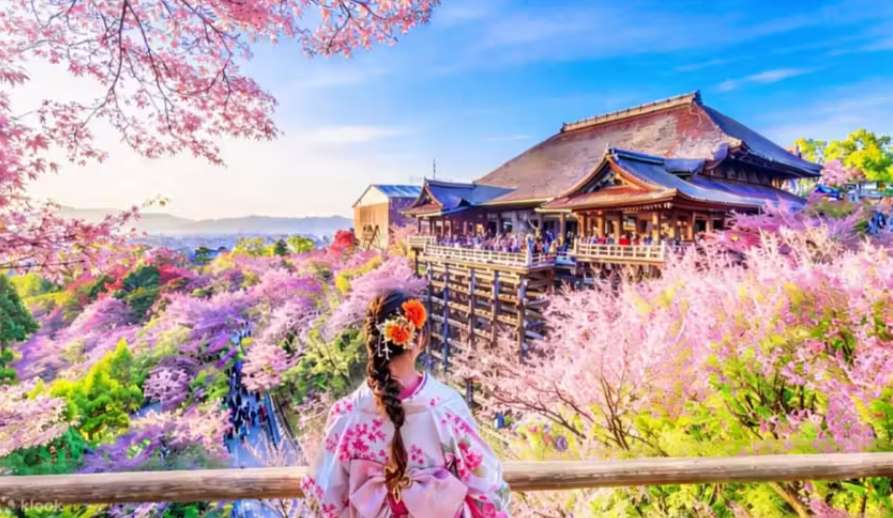
Spring: Kimono can work well for sightseeing during cherry blossom season, although popular rental areas can become busy.
Summer: A yukata is usually the more practical choice for hot weather. It is lighter and is traditionally associated with summer festivals and fireworks.
Autumn: Cooler temperatures make a kimono sightseeing day more comfortable, while autumn foliage provides a natural backdrop for photographs.
Winter: Layering becomes more important. Ask the rental shop about suitable clothing underneath the garment and consider limiting long periods outdoors if temperatures are low.
Hotels in Osaka
Hotels in Tokyo
Hotels in Yamaha
See All Hotels








Quick Tips Before Renting Your Kimono
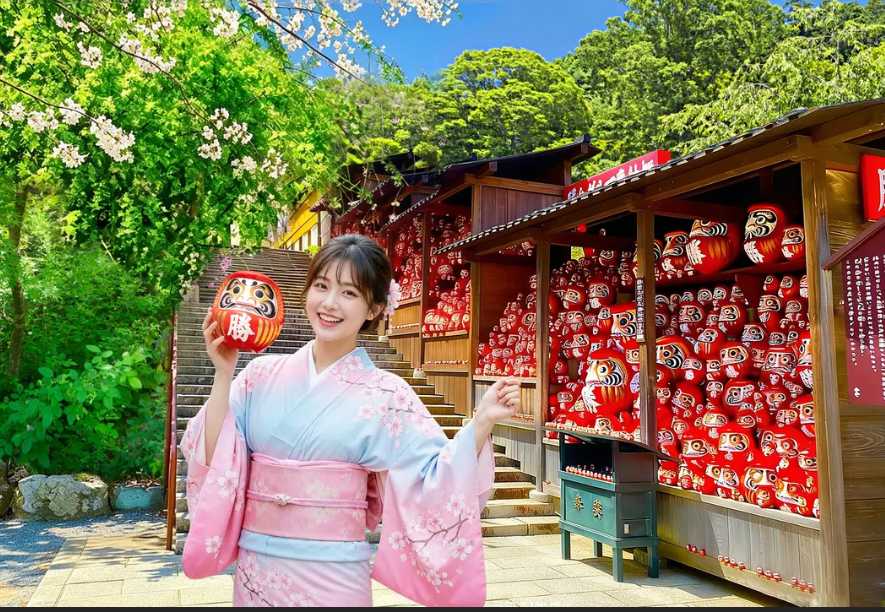
A kimono rental is easiest when you treat it as part of your sightseeing plan rather than a separate activity.
Choose a rental shop near the area you want to explore, check exactly what your package includes and leave enough time for dressing and hair styling. For summer trips, consider a yukata; for cooler weather or a more traditional look, a kimono may be the better choice.
Most importantly, remember the basic dressing rule: for a living person, the left side of the kimono crosses over the right.
With that detail right and a little planning around footwear, weather and the return time, a kimono rental can turn a day in Kyoto, Tokyo or another historic Japanese destination into a memorable cultural experience.
FAQ About Kimono Rental
-
How much does it cost to rent a kimono in Japan?
-
How long can you keep a rented kimono?
-
Do I need to know how to put on a kimono?
-
Can I wear a kimono all day while sightseeing?
-
What should I wear underneath a rented kimono?
-
Can I rent a kimono in Japan without booking in advance?
-
Can tourists wear a kimono to temples and shrines?
Disclaimer: This article has been provided by an individual contributor or third party platform. If there is any discrepancy regarding the copyright, please contact us directly and we will delete the content immediately.
Trending Searches
-
Featured travel guide
-
Top-rated stays
-
Getting around
-
eSIM/SIM card
- Hotels in Shanghai
- Hotels in Guangzhou
- Hotels in Beijing
- Hotels in Bangkok
- Hotels in Shenzhen
- Hotels in Tokyo
- Hotels in Hong Kong
- Hotels in Chongqing
- Hotels in Seoul
- Hotels in Chengdu
- Hotels in Las Vegas
- Hotels in Zhangjiajie
- Hotels in Kuala Lumpur
- Hotels in Ho Chi Minh City
- Hotels in Taipei
- Hotels in Hangzhou
- Hotels in Singapore
- Hotels in New York
- Hotels in Xi'an
- Hotels in Osaka
- eSIM Japan
- Taiwan eSIM
- eSIM UK
- eSIM USA
- China SIM Card
- Cheapest Time to Fly to London
- Shanghai Pudong Airport Lounge
- Is Guangzhou Foreign Friendly
- EPCOT Tickets
- Shanghai map
- Universal Studios Hollywood Early Entry
- Shanghai Tower Tickets
- Shanghai Disneyland Tickets
- Universal Studios Singapore
- Where to Stay in Osaka with Family