
Want to experience Vancouver like a local? It all starts with understanding the weather. Vancouver, Canada, nestled between the Pacific Ocean and the Coast Mountains, has a climate unlike most other parts of Canada or the U.S. This comprehensive guide will help you plan the perfect trip, whether rain or shine.
Vancouver, Canada, is in the Pacific Northwest maritime climate zone. This means:
Mild Winters: Unlike Toronto, freezing temperatures are relatively rare in Vancouver, especially near the coast. Snowfall in the city is infrequent and often melts quickly.
Cool, Dry Summers: There is plenty of sunshine in the summer, and temperatures rarely reach extreme levels. Ocean breezes and mountain influences keep temperatures comfortable, avoiding the annoying humidity like many eastern US cities.
Abundant Rain: Vancouver gets a lot of rain, especially from October to April. Light rain, fog, and gray skies are common instead of heavy storms.
Microclimates: Vancouver's climate shifts in minutes—coastal fog, mountain snow, and urban warmth can exist blocks apart.
Frequent light rain/drizzle. Little snow in the city (10-20cm/year). Heavy snow in the North Shore Mountains.
☀️Daylight
Shortest days. Sunset before 4:30 PM in December.
🧥What to Wear
Waterproof jacket, boots.
Things to Do in Vancouver in Winter
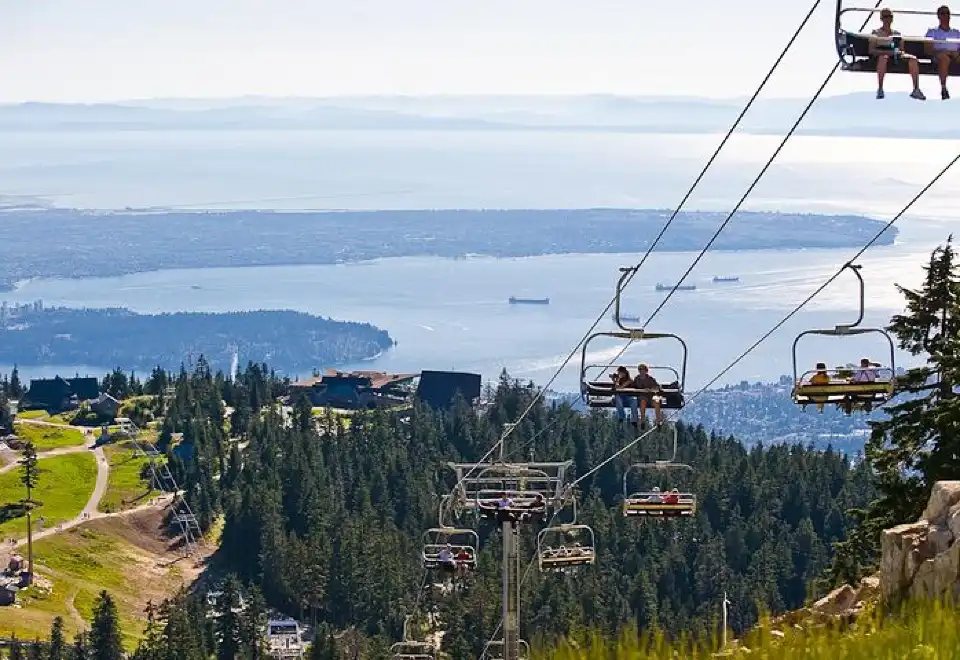
Experience the enchanting winter wonderland of Grouse Mountain when the iconic peak transforms into a snowy paradise. It’s the perfect time for skiing, snowshoeing, and enjoying cozy evenings by the fire with breathtaking city views below. Just 15 minutes from downtown.
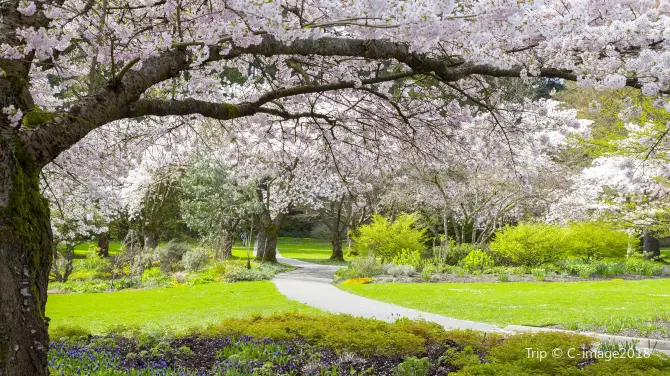
Visit Queen Elizabeth Park in spring when thousands of cherry trees burst into bloom and the Quarry Garden comes alive with tulips. This sun-drenched urban oasis offers panoramic city views and relaxing walking paths perfect for enjoying Vancouver's blooming season.
Vancouver Summer (June - August): Golden Days & Coastal Cool
Category
Details
🌡️ Temperatures
Highs: 66-72°F
Lows: 54-57°F
☀️ Sunshine
Long daylight hours
🧳 What to Wear
Light clothing, swimsuit, sun protection, light layers for cooler evenings
Things to Do in Vancouver in Summer
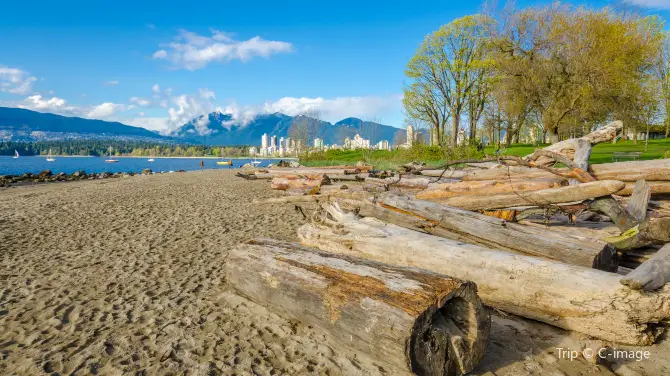
Spend your day at Kitsilano Beach, where you can swim in the ocean, play beach volleyball, and enjoy stunning sunset views. Grassy picnic areas and a saltwater pool for warmer dips are available in the park nearby.
Vancouver Autumn (September - November): Crisp Air & Golden Light
Category
Details
🌡️ Temperatures
September: Highs 64°F, Lows 50°F
November: Highs 46-50°F, Lows 37-41°F
🌧️ Precipitation
The wettest month begins mid-fall.
🧥 Packing Tips
Layer with t-shirts, sweaters, waterproof jacket.
Things to Do in Vancouver in Fall
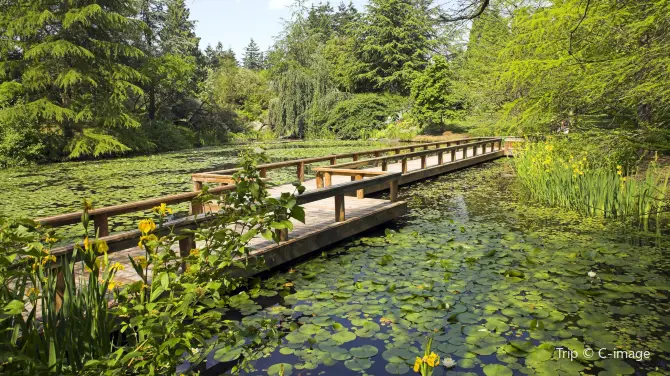
Wander through VanDusen Botanical Garden as trees turn gold, with fallen leaves carpeting the paths. The garden's tranquil ponds mirror the autumn scene, creating perfect reflections.
Vancouver has a mild, maritime climate. Winters are cool and wet (average highs around 6-8°C / 43-46°F, frequent rain/some snow in mountains). Summers are warm and relatively dry (average highs 19-22°C / 66-72°F, plenty of sunshine). Spring and fall are transitional with variable conditions.
What is the weather like in Vancouver Canada in May?
May is generally a beautiful time! Temperatures warm up nicely (average highs 15-18°C / 59-64°F, lows 6-8°C / 43-46°F). While rain is still possible, sunny days become much more frequent and dominant.
What is the weather like in Vancouver Canada in March?
March is still firmly within Vancouver's wet season. Expect cool temperatures (average highs around 10°C / 50°F, lows around 3°C / 37°F) and frequent rain or drizzle.
What is the weather in Vancouver Canada in June?
June marks the delightful start of Vancouver's summer season. Temperatures are very pleasant (average highs 19-20°C / 66-68°F, lows 11-12°C / 52-54°F).
Disclaimer: This article has been provided by an individual contributor or third party platform. If there is any discrepancy regarding the copyright, please contact us directly and we will delete the content immediately.